How Hyenas Are Thriving in 10 Unexpected Urban and Suburban Zones

They have cracked the urban survival code in ways most people never expected.
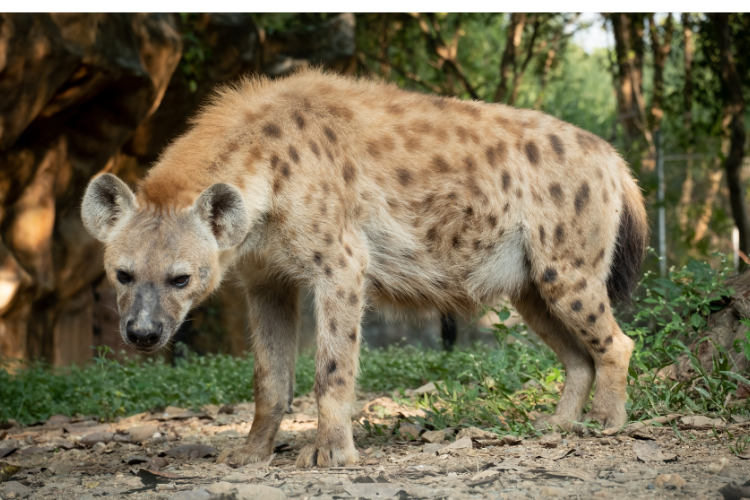
©Image via Canva

Hyenas were supposed to be wilderness animals. That was the whole narrative. But cities have expanded into their spaces, and instead of vanishing, these highly adaptable predators have stepped up their game. Now in parts of Africa, hyenas are navigating suburbs, slinking through markets, and even adjusting to traffic like pros.

They are not just scavengers anymore. They’ve learned to read human patterns, time their movements, and pass survival strategies through generations. Some city dwellers barely notice them. Others are living with them in plain sight. The relationship is uneasy, complicated, and very much in progress. Here’s how hyenas are making the modern urban world work for them—and what people are starting to do about it.

Read more

They Don’t Pay Rent but They Run the Block—12 Wild Boar Survival Plays

These creatures pull off some of the wildest stunts just to keep dominating the land like it’s theirs.

©Image license via Canva

The way wild boars live, you’d think someone handed them a master key to Earth and said go nuts. They’re not just surviving—they’re thriving, adapting, and doing the absolute most while nobody asked. Whether it’s squeezing through suburbs or face-tanking traffic, wild boars have found absurdly clever ways to take over landscapes that were never meant for them.

They don’t vibe with permission. They barge through fences, crash picnics, and roll ten deep into places that should’ve scared them off years ago. But no. They double down. Their plays aren’t graceful. They’re chaotic, genius, and kinda rude. But they work. And at this point, they’re basically running the block while every other species is out here following the rules. Here’s how these tusked delulus keep winning in a world that didn’t plan for them.

Read more

10 Turtle and Tortoise Shells That Look AI-Generated but Are 100% Real

These shells look like nature glitched and just ran with it.

©Image via Fandom/NatureRules1 Wiki

At some point, evolution clearly said “do whatever” and turtles went absolutely feral with the design options. These shells? Not normal. Not minimal. Not chill. Some of them look like they’re cosplaying ancient armor, others look like living NFTs, and one basically said “make me flat so I can vibe under rocks.” This is not your childhood pet turtle. These are full-on main characters in the reptile cinematic universe.

We’re talking optical illusions, spikes that could stab a god, and colors that make zero sense unless you realize these guys have been perfecting the drip for 200 million years. You think fashion’s fast? Try surviving multiple extinction events and still showing up like it’s Paris Fashion Week in the Mesozoic. Let’s get into it.

Read more

They Were Never Meant to Be Apartment Dogs, But 12 Dogs Usually End Up There Anyway

Some of the biggest mismatches in modern pet ownership start with a lease and a breed that was built for the open wild.

©Image license via Canva

Some dogs were built for fields, forests, mountains, and jobs that burned through every calorie they ate. But now, they’re pacing laminate floors, staring at beige walls, and being told to stop barking at passing bikes from a sixth-floor window. It’s not cruelty—it’s misalignment. People fall for looks, for trends, for Instagram aesthetics, and forget that dogs come with history in their bones. These breeds weren’t designed for tight quarters. They were made for hauling, herding, hunting, and roaming. And when you compress all of that into a living room, things can get complicated fast. Some adjust with structure and effort. Others quietly fall apart. Either way, when the fit is wrong, both the human and the dog feel it.

Read more

10 Surprising Ways Millennials Are Raising Dogs Like Firstborn Children

For a generation rethinking family, the dog isn’t the warm-up, it’s the main event.

©Image license via iStock

Call it cultural shift or economic improvisation, but for many Millennials, the dog isn’t just a pet—it’s the firstborn. It’s the one who gets the organic food, the structured bedtime, and the curated social life. And it’s not just about spoiling. It’s about re-centering affection, routine, and identity around an animal who doesn’t answer back and never gets tired of you. In a world where housing, childcare, and long-term planning are tangled messes, raising a dog like a child feels both intentional and intuitive. The roles might be blurry, but the commitment is sharp. And the result? A generation that treats vet visits like pediatric checkups and group texts like family albums.

Read more