New Data Raises Red Flags About the Planet’s Most Popular Pet

New numbers are changing how we see dogs.

©Image PetsnPals/AI generated image

They are woven into daily life so completely that questioning their impact feels almost unthinkable. Parks, sidewalks, couches, car seats, entire industries revolve around them. But when researchers began stacking certain numbers side by side, the totals told a story few expected. It was not about loyalty or companionship. It was about scale. About land, meat, energy, and the quiet accumulation of small daily choices multiplied by millions. The findings do not ask people to love dogs less. They ask something more uncomfortable: what does sustainability mean when the world’s favorite animal is part of the equation?

Read more

12 Dogs That Thrive in Big Cities Without Yards and Why

The right temperament matters more than square footage.

©Image PetsnPals/AI generated image

In cities where balconies replace backyards and sidewalks stand in for fields, the question is not whether a dog can live there, but which dogs truly flourish there. Some breeds unravel without open space. Others barely seem to notice its absence. The difference lies in temperament, energy thresholds, noise tolerance, and how deeply they crave constant stimulation versus steady companionship. Urban life demands flexibility, not acreage. When the match is right, an apartment becomes more than enough. When it is wrong, even a park across the street cannot compensate. Understanding that divide changes everything.

Read more

New Analysis Shows Wildfire Smoke Emerging as a Major Killer in a Warming World

The smoke itself is becoming the threat.

©Image PetsnPals/AI generated image

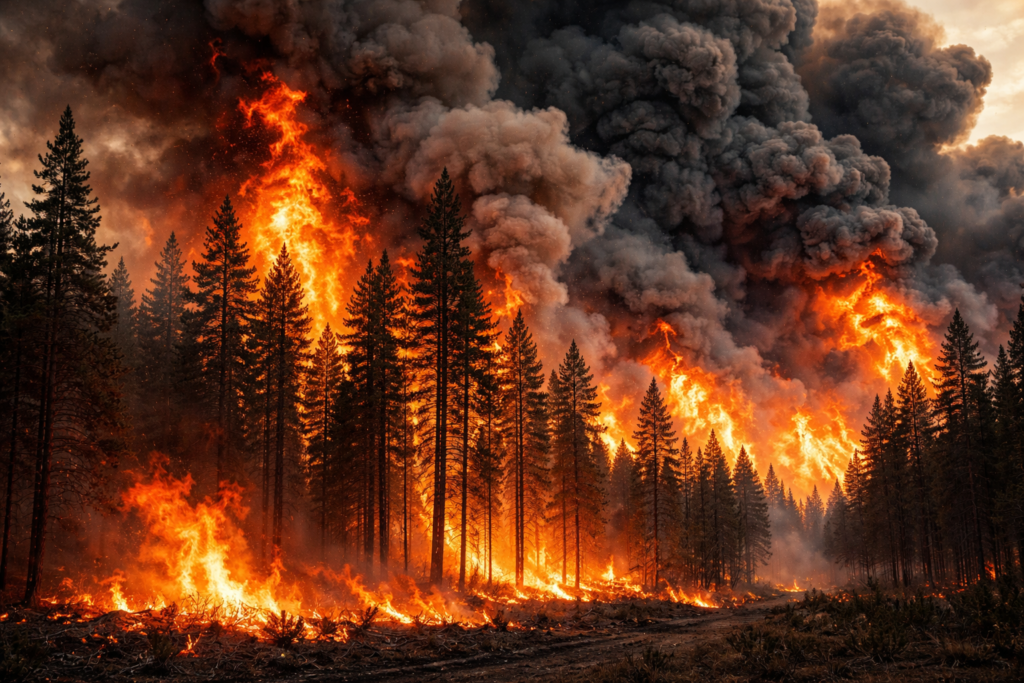
When wildfires burn, the danger feels distant, contained within flames and evacuation lines on a map. But something far less visible drifts beyond the fire zone and settles into cities, suburbs, and lungs. The haze that blurs skylines carries particles small enough to slip past the body’s defenses, triggering crises that unfold quietly in emergency rooms and living rooms alike. What researchers are uncovering suggests the true toll of wildfire seasons may not be measured in acres lost, but in lives altered long after the sky clears.

Read more

Did Humanity Inherit a World Shaped by Someone Else?

Earth may have forgotten someone.

©Image PetsnPals/AI generated image

It sounds impossible at first. Our species prides itself on being the first to shape landscapes, alter climate, and leave lasting scars on the planet. Yet when scientists began asking how long such scars truly endure, the answers grew unsettling. Geological time erases cities, metals, even continents with quiet efficiency. If another intelligent society had risen and fallen millions of years ago, would we even know? The question is no longer confined to fiction. It has become a scientific exercise in how to read a planet’s deepest layers for traces that might not want to be found.

Read more

One Outdoor Habit Could Draw a Predator Closer Than You Think

A single overlooked habit can change an encounter fast.

©Image PetsnPals/AI generated image

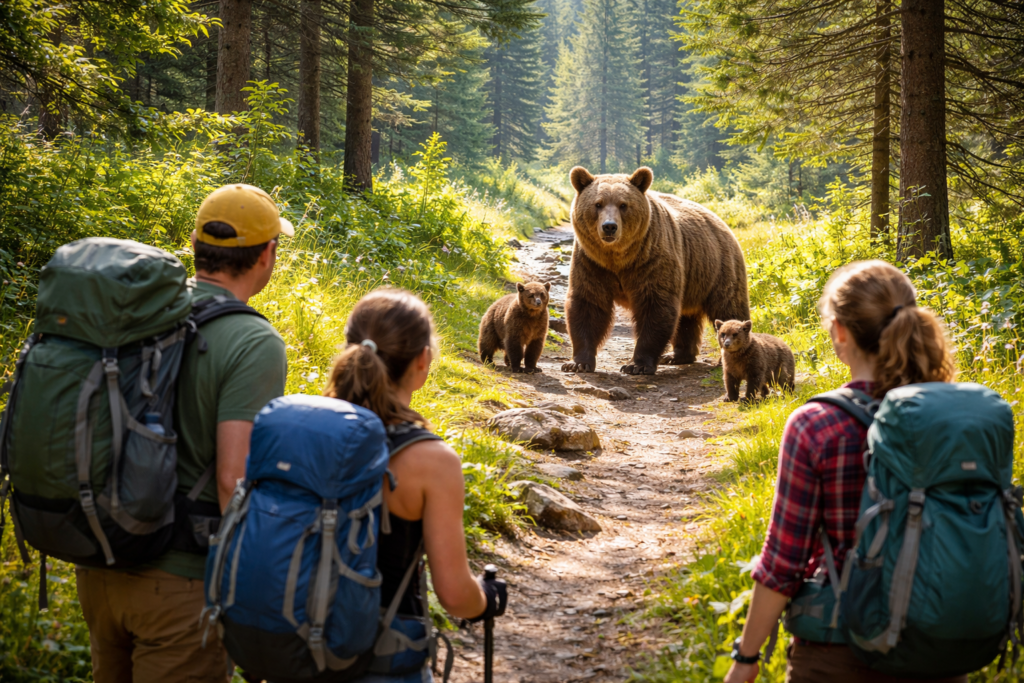
You head out for fresh air, not a confrontation. But one small, almost automatic behavior could shift your place in the food chain without you realizing it. Wildlife experts say rising predator encounters are often less about location and more about human habits that unintentionally invite attention. Trails, campsites, and even quiet neighborhoods now overlap with hunting routes and feeding zones. The line between recreation and risk has thinned. And in many cases, it is not aggression that creates the danger, it is a simple mistake that turns you from passerby into possibility.

Read more