Why Gen Z Is Reexamining Ancient Civilizations Through a Climate Lens

The past suddenly feels uncomfortably relevant.
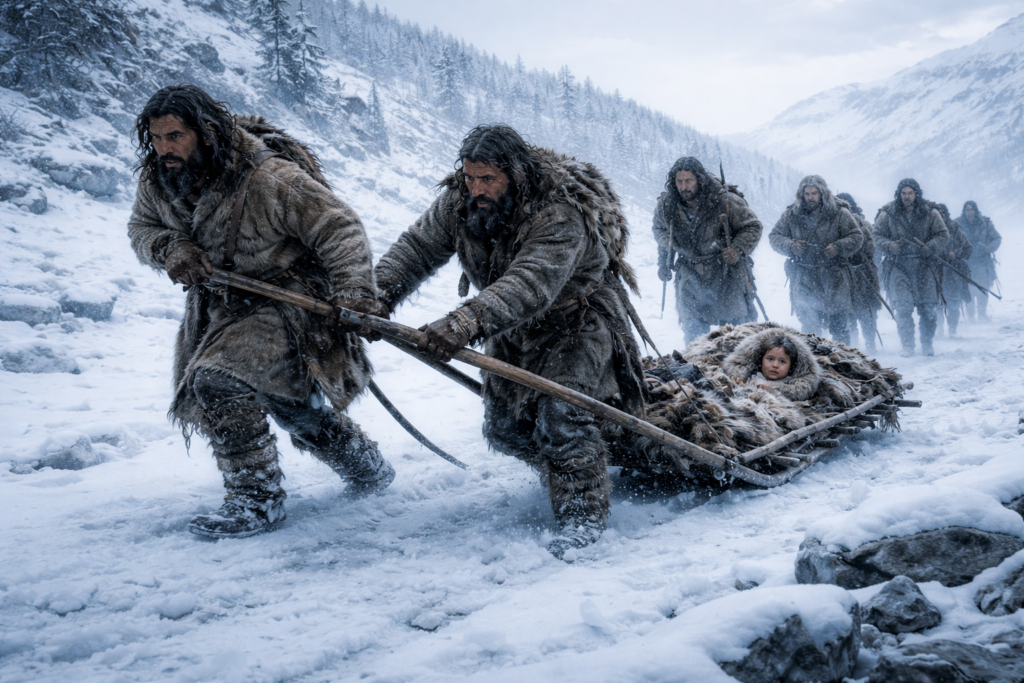
©Image license via PetsnPals/ChatGPT, Ice Age Migration

For Gen Z, ancient history no longer feels safely distant. Climate disruption is not a future scenario but a lived condition, shaping school closures, housing decisions, and mental health. That reality changes how the past is read. Younger researchers and readers are turning to ancient civilizations with sharper questions about drought, flooding, resource strain, and survival under pressure. Archaeology, climate science, and social history are being braided together. What emerges is not nostalgia, but urgency. Ancient societies begin to look less like curiosities and more like case studies.
Read more

How Archaeology Is Challenging What We Thought We Knew About History

New discoveries keep rewriting the human story.

©Image license via Canva

For much of the last century, history felt orderly. Civilizations rose in predictable stages, technology advanced step by step, and innovation followed neat timelines. Archaeology is steadily undoing that comfort. New dating methods, satellite imaging, and careful reexaminations of old sites are revealing societies that were inventive far earlier and in unexpected ways. What once looked like exceptions now look like patterns. The deeper archaeologists dig, the more the past resists simple narratives, forcing history to become less linear and far more human.

Read more

The Ancient Horse Burial That Changed Everything Archaeologists Thought They Knew

One grave forced a rewrite of early domestication.

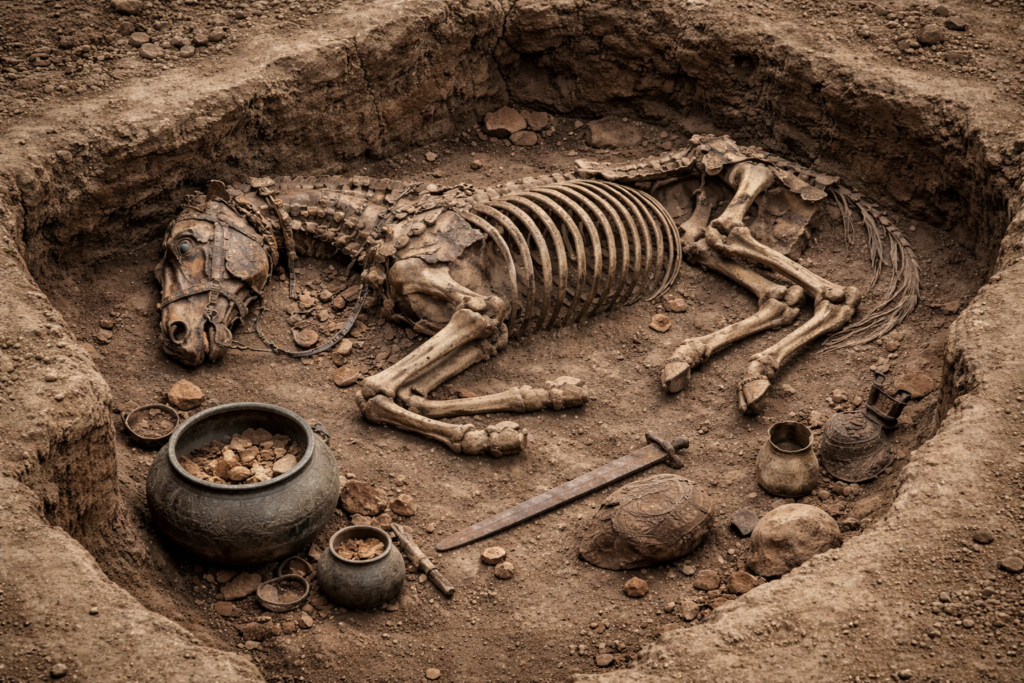
©Image license via PetsnPals/ChatGPT, illustration of ancient horse burial

When archaeologists excavated an unusually careful horse burial on the Eurasian steppe, the discovery immediately unsettled long held assumptions. The site dated to a period when horses were thought to exist on the margins of human society, hunted or loosely tolerated but not socially valued. Instead, the animal had been placed with care, orientation, and intention normally reserved for people. The burial suggested relationship rather than utility. It raised questions archaeologists were not prepared to answer yet, about when emotional bonds, ritual meaning, and social status entered the human horse story.

Read more

If You Have These 8 Social Traits, People Tend to Trust You Faster

Trust forms before logic ever gets a vote.

©Image license via Canva

Trust rarely arrives through arguments or credentials. It forms quietly, often within moments, as the brain scans for safety, predictability, and emotional signals it has learned to rely on. Social neuroscience shows that people decide who feels trustworthy long before they can articulate why. These judgments are not random. They are rooted in patterns of behavior that signal stability, awareness, and respect. People who carry these traits often become trusted faster not because they try to be trusted, but because their presence lowers uncertainty for everyone around them.

Read more

How the Iroquois Great Law of Peace Shaped Modern Democratic Thought

An Indigenous system quietly influenced Western governance.

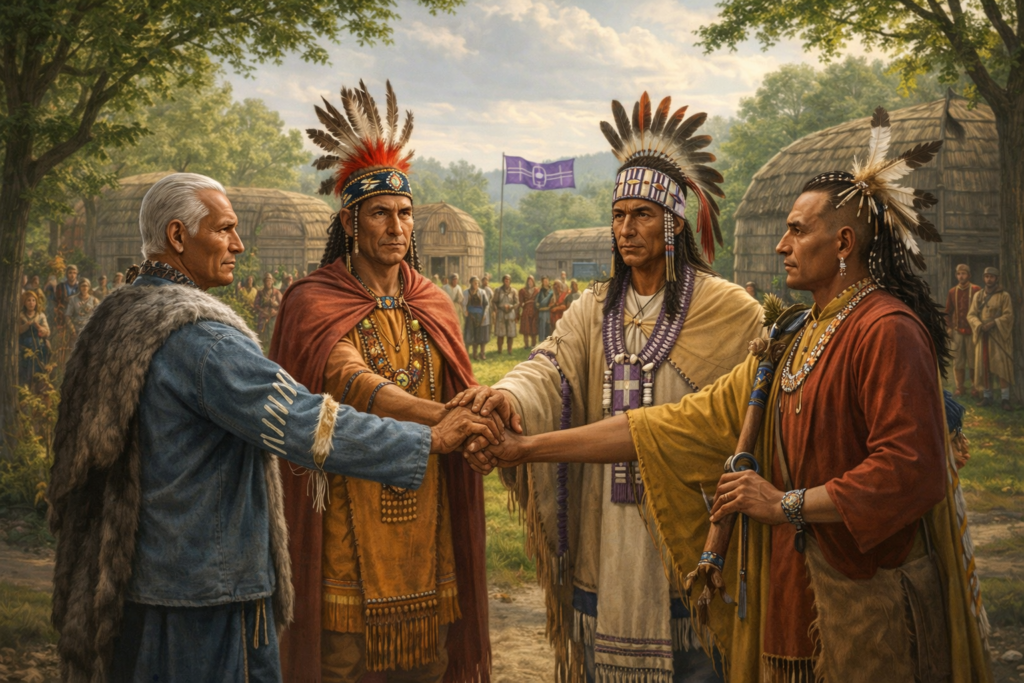
©Image PetsnPals/ChatGPT, Leaders of the Iroquois Confederacy united

Centuries before modern constitutions were drafted, the Haudenosaunee Confederacy governed itself through a detailed political framework designed to stop cycles of violence and concentrate power responsibly. Known as the Great Law of Peace, this system emerged in what is now the northeastern United States and southern Canada, likely between the 12th and 15th centuries. When European colonists arrived, they encountered not fragmented tribes but a functioning, durable political union. Observers did not always understand it fully, but its principles lingered. Over time, they subtly reshaped how democracy itself would be imagined.

Read more