A fracture deep inside the ice is changing the story.
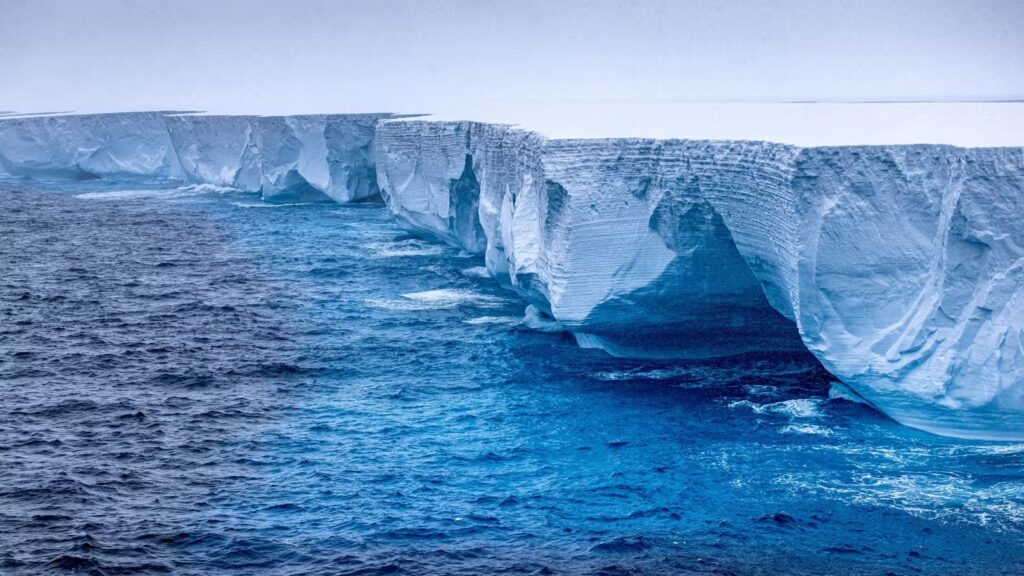
For decades, the iceberg drifted at the edge of Antarctica as a fixture of the southern ocean, immense, slow, and largely unchanged. Scientists tracked it as part of the background, something to measure rather than worry about. That posture has shifted. Recent satellite images show a fracture cutting deeper than expected, extending beyond the surface into parts of the ice rarely exposed.
The change is not dramatic, but it is persistent, and that is what draws attention. Icebergs of this scale tend to move only after long forces build beneath them. What those forces are, and how far they have progressed, is now the question guiding new observations.