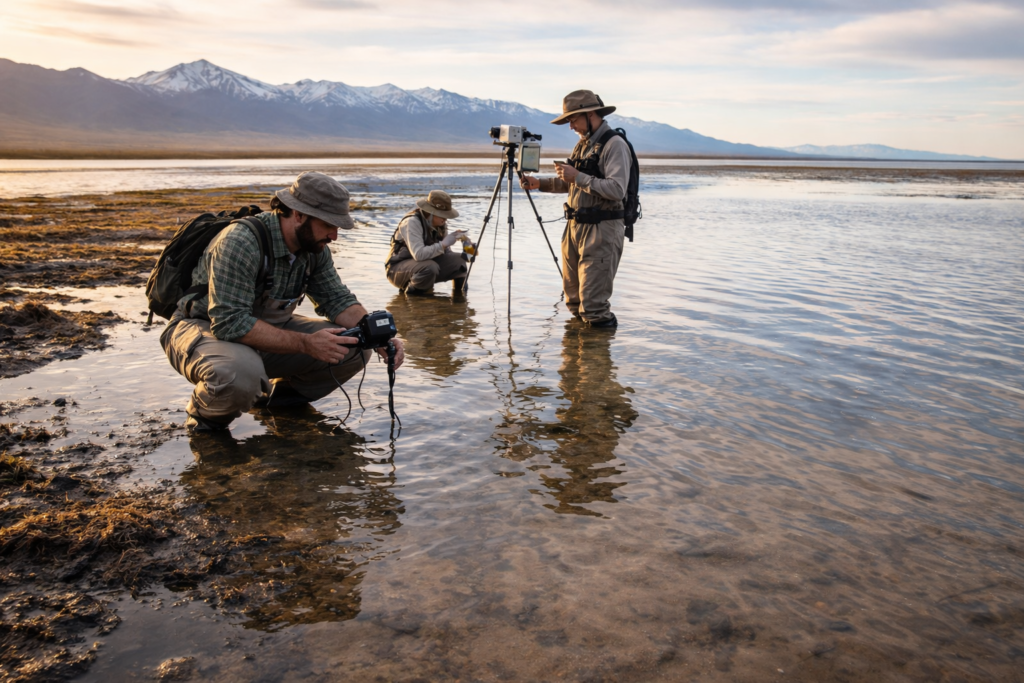
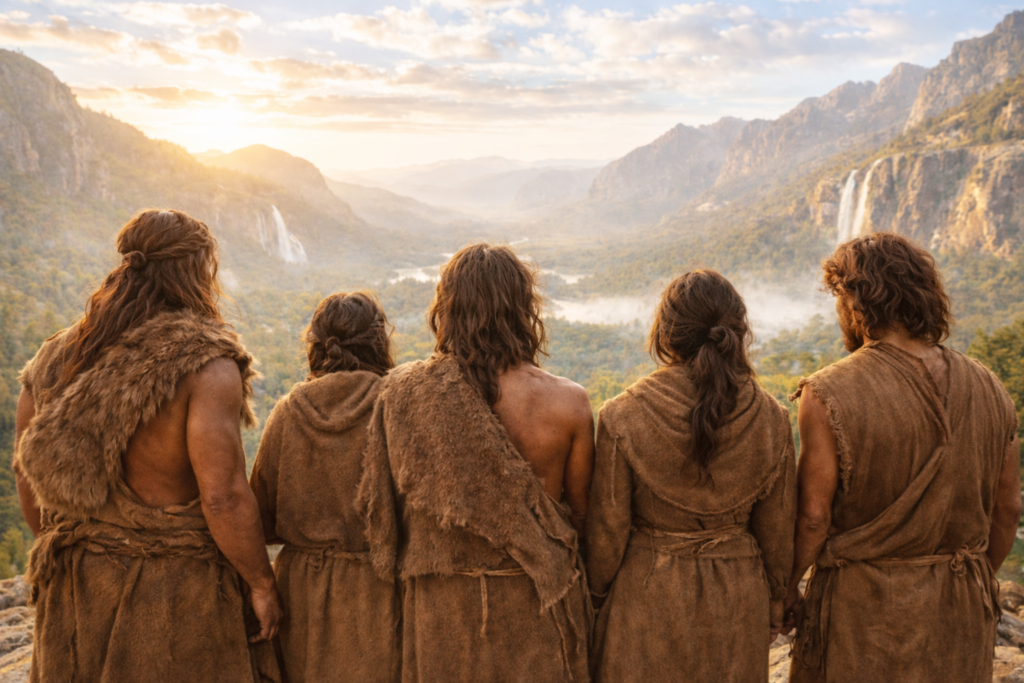
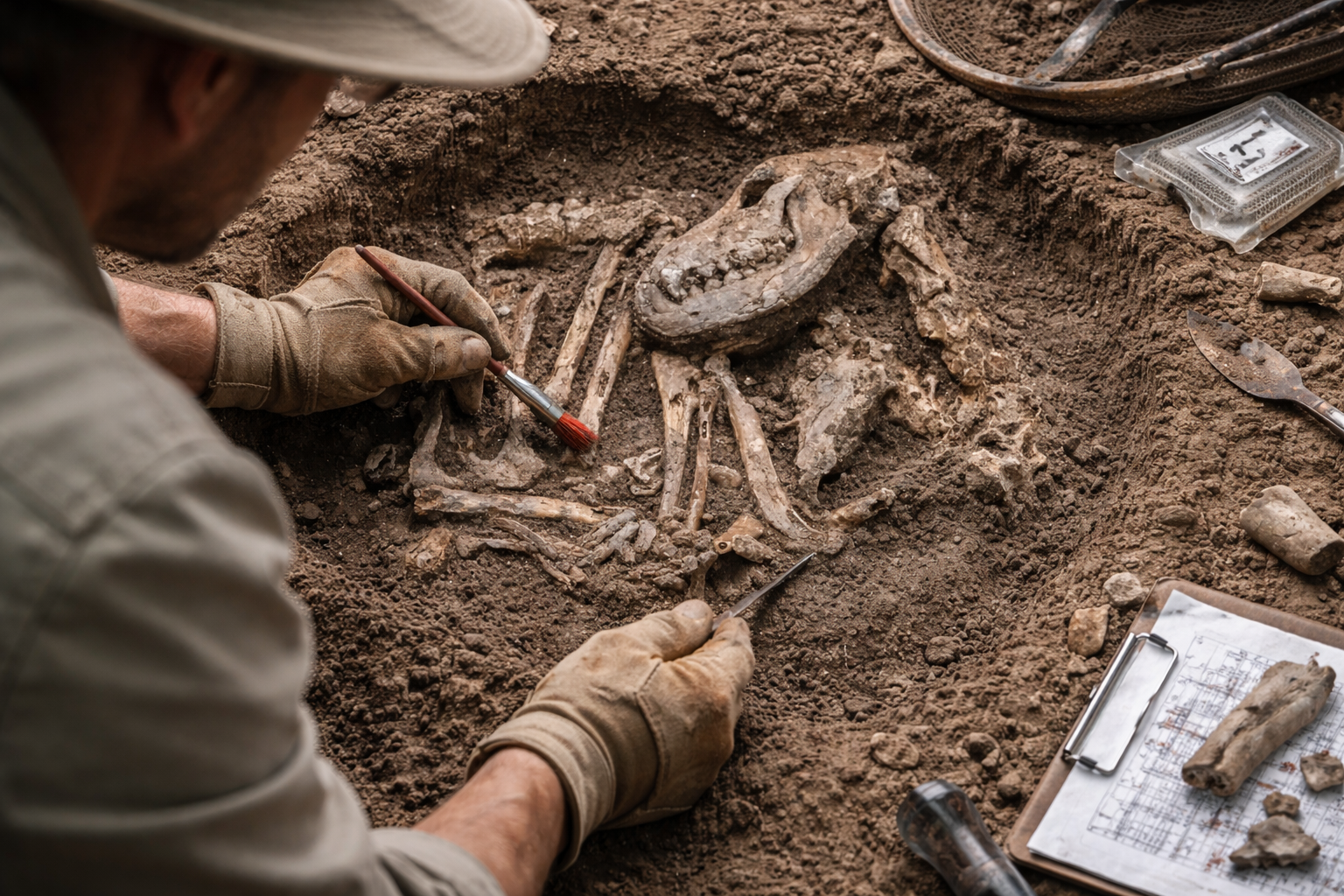
Where land ends, something unexpected begins to hunt.
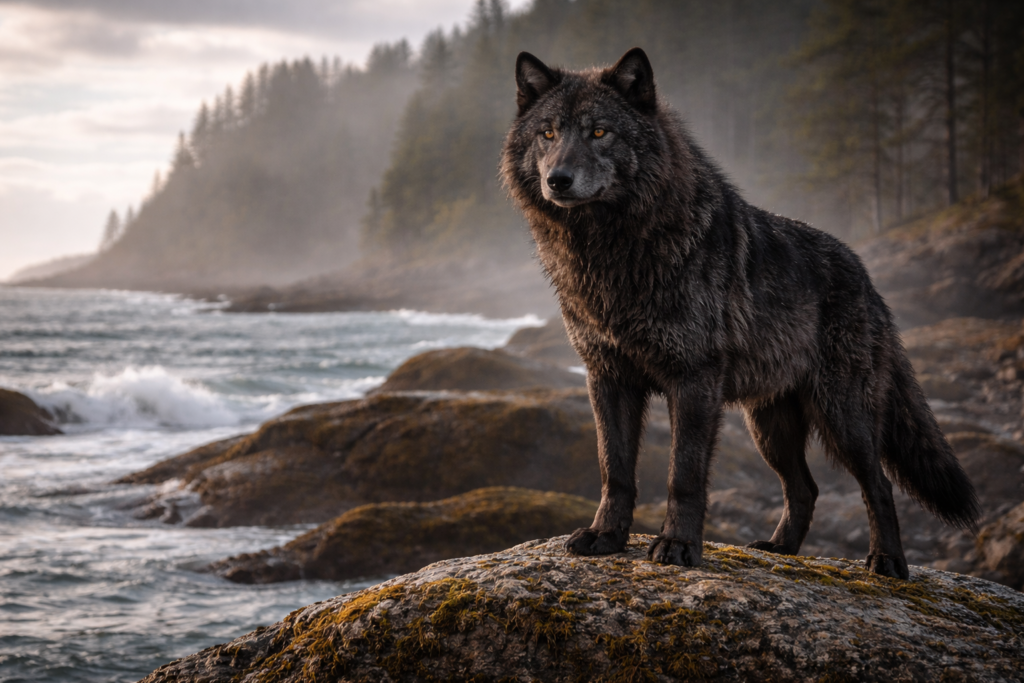
Most wolves follow patterns people think they understand, forests, mountains, open land. But along parts of Canada’s remote coastline, those patterns start to break down. Tracks appear where they should not, along shorelines, across wet sand, even between islands separated by open water. What lives there does not behave like other wolves, and it does not rely on the same rules to survive. It moves between two worlds without fully belonging to either one. The more closely it is studied, the harder it becomes to explain using what we already know about wolves and how they are supposed to live.