A Critical Ocean System Is Changing Faster Than Expected, Scientists Warn

Subtle shifts are accelerating with global consequences.
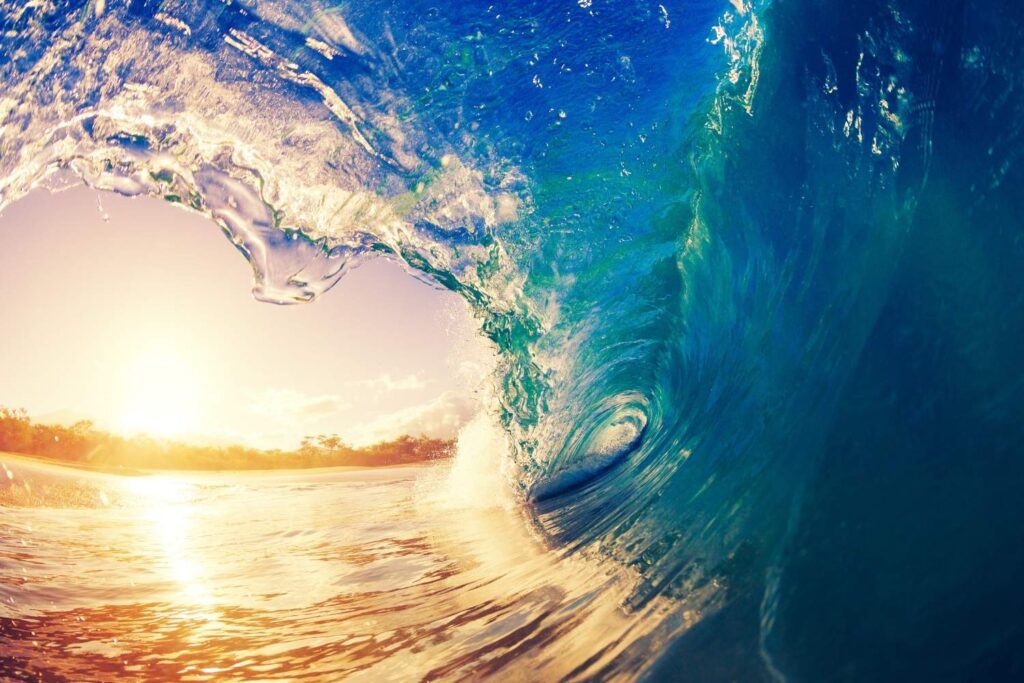
©Image license via Canva

For decades, scientists viewed certain ocean systems as slow moving stabilizers, changing over centuries rather than years. That assumption is now under strain. New measurements from satellites, autonomous floats, and long running observation stations show a key ocean circulation system shifting far faster than models projected. The changes are not dramatic on a single day. They appear as steady deviations that accumulate quietly. What alarms researchers is not just the speed, but how closely these shifts align with warming trends, melting ice, and altered wind patterns already reshaping the planet.


Read more

New Evidence Suggests Aging Begins Earlier Than Expected

Subtle biological shifts begin long before middle age.

©Image license via Canva

For a long time, aging was framed as a distant chapter, something that quietly arrived after forty and accelerated later. New large scale datasets are dismantling that comfort. By following blood markers, immune responses, brain scans, and cellular behavior across thousands of people, researchers are spotting early biological drift decades before wrinkles or stiffness appear. These changes are not dramatic, but they are consistent. Aging, it turns out, does not announce itself loudly. It begins as a slow reprogramming that most people never feel happening.

Read more

No, the Oceans Are Not Cooling the Planet, Here’s What the Data Shows

The heat is moving, not disappearing.

©Image license via PickPik

The idea that oceans are cooling the planet feels reassuring during an era of relentless climate headlines. Water absorbs heat, spreads it out, and hides it from everyday experience. That can look like relief if you only watch surface air temperatures. Scientists have been measuring the oceans carefully for decades, across depths and basins. Those records show a system storing energy, not undoing warming. What happens below the waves shapes storms, sea level, ecosystems, and climate stability far beyond the shoreline.

Read more

New Findings Reveal Why You Should Never Microwave Plastic

Everyday heat changes plastic more than we realized.

©Image PetsnPals/ChatGPT, melted plastic food container

Reheating leftovers in plastic has become so routine that few people pause to question it. Yet a growing body of research shows that heat fundamentally alters how plastic behaves when it touches food. These changes are not dramatic or visible. They happen quietly, at the chemical and microscopic level, shaped by temperature, moisture, fat content, and repetition. Scientists studying food contact materials are now able to trace what transfers during heating, and the results point to exposure pathways that were previously underestimated.

Read more

Archaeologists Uncover a Vast Hidden World Inside an Ancient Egyptian Gold Mine

A buried industrial city emerges from the Eastern Desert.

©Image license via PetsnPals/ChatGPT, illustration of ancient gold mine in Egypt

In early 2025, archaeologists announced something far bigger than a mine. At Jabal Sukari in Egypt’s Eastern Desert, teams uncovered a 3,000 year old gold mining city complete with housing, processing zones, administration areas, and supply infrastructure. Dating to the New Kingdom, this was not a remote outpost. It was a state run industrial complex operating far from the Nile, built to extract and process gold at scale. What the desert preserved was not just tunnels, but a fully functioning economic world.

Read more