If You Avoid This Common Social Habit, Psychologists Say You’re More Grounded

Emotional steadiness often shows up in quiet ways.
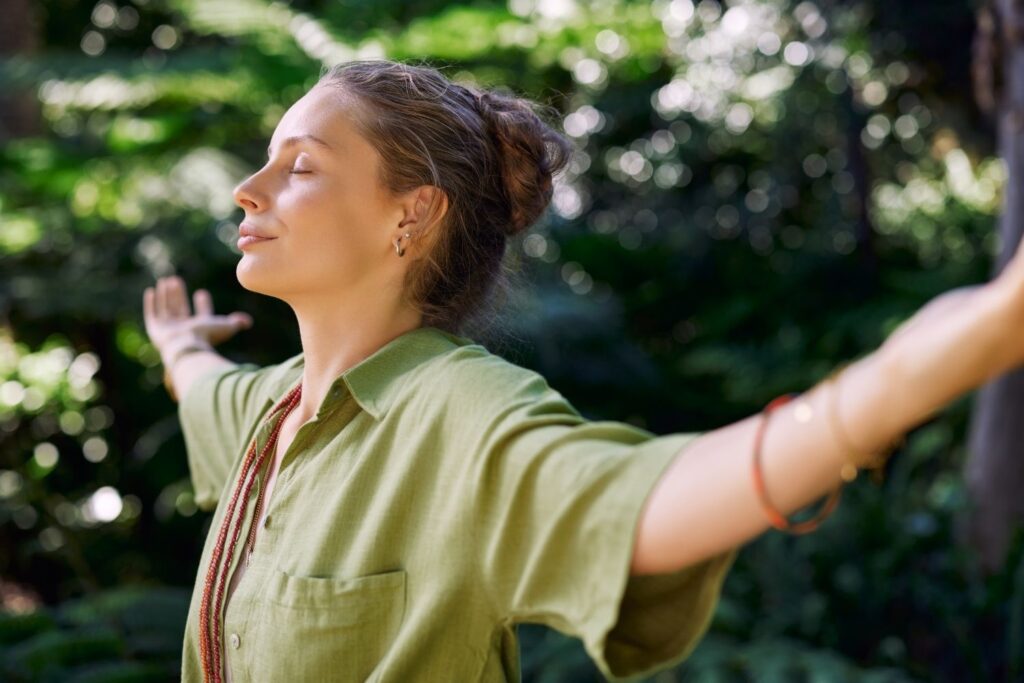
©Image license via Canva

Grounded people rarely dominate conversations or rush to fill every gap. Instead, they create a sense of calm that others feel almost immediately. Psychologists often point to one common habit that grounded individuals tend to avoid, not out of restraint, but because they do not need it. Avoiding this habit reflects internal security, emotional regulation, and trust in oneself. When it disappears, interactions feel clearer and less tense. The shift is subtle, but it changes how people relate to you in powerful, lasting ways.


Read more

12 Signs Doomscrolling Has You Stuck, And How to Break Free

Your brain knows something is wrong already.

©Image PetsnPals/ChatGPT, Couple doomscrolling before bed

Doomscrolling rarely announces itself. It sneaks in during quiet moments, late nights, and quick breaks that quietly stretch into hours. What feels like staying informed often turns into emotional overload, mental paralysis, and a nervous system locked on high alert. Researchers now understand this pattern as a stress feedback loop, not a personal failure. Once you recognize the signals, you can interrupt the cycle before it reshapes how you think, feel, and function each day.

Read more

10 Political Myths Keeping You Distracted And Stressed

Why modern politics feels overwhelming by design.

©Image license via PetsnPals/ChatGPT, illustration of political election night

Politics feels louder than ever, yet many people feel less informed and more exhausted. That tension is not accidental. It is fueled by persistent myths that distort how power works, where influence lives, and what actually deserves attention. These assumptions spread fastest during elections, crises, and nonstop news cycles, quietly shaping stress and behavior. Understanding them does not require taking sides. It requires slowing down, spotting the patterns, and reclaiming clarity in a system designed to overwhelm most people today.

Read more

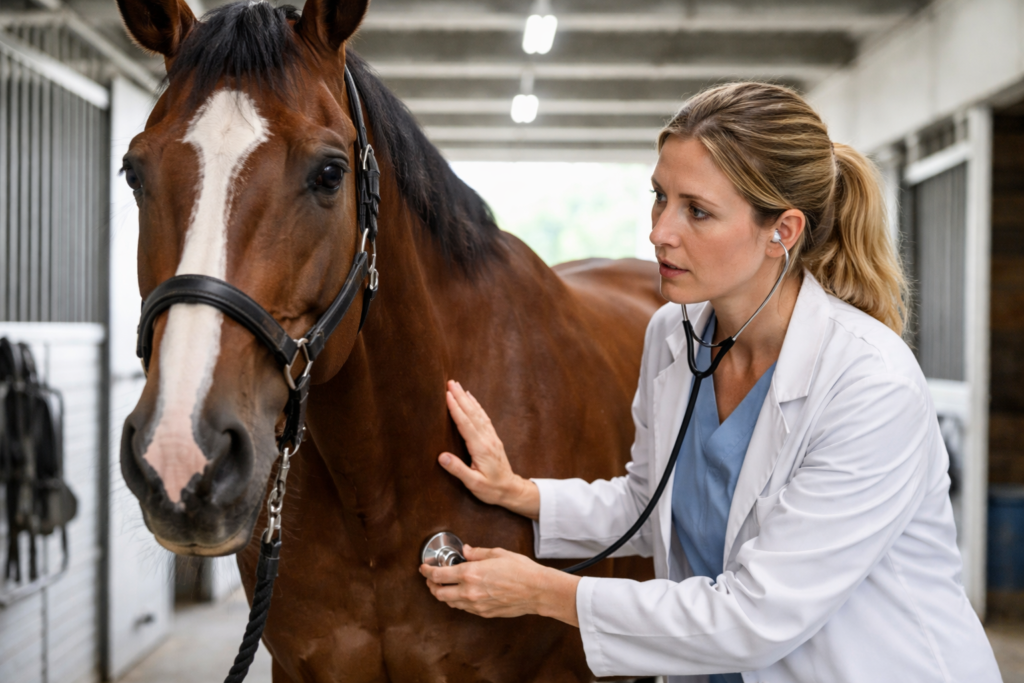
Why Veterinarians Fear the Rise of a New Deadly Horse Virus

Climate and movement are quietly changing the rules.

©Image license via PetsnPals/ChatGPT, Vet examining a horse

Veterinarians are increasingly uneasy because a virus once considered geographically predictable is no longer behaving that way. Changes in temperature, rainfall, and animal movement have created conditions that favor faster spread, longer transmission seasons, and outbreaks in places with no prior exposure. Horses in these regions lack immunity, surveillance systems are uneven, and early symptoms are easy to miss. What alarms experts most is not a single outbreak, but the pattern forming beneath it. The systems that once contained equine disease are being stretched, and veterinarians know how quickly that can turn deadly.

Read more

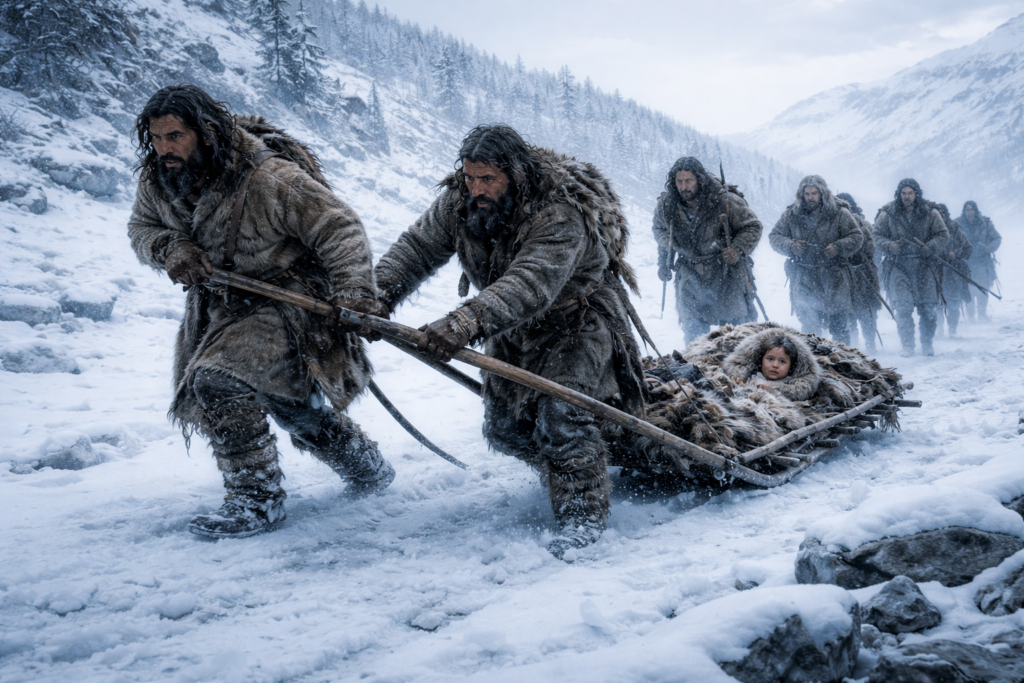
Why Gen Z Is Reexamining Ancient Civilizations Through a Climate Lens

The past suddenly feels uncomfortably relevant.

©Image license via PetsnPals/ChatGPT, Ice Age Migration

For Gen Z, ancient history no longer feels safely distant. Climate disruption is not a future scenario but a lived condition, shaping school closures, housing decisions, and mental health. That reality changes how the past is read. Younger researchers and readers are turning to ancient civilizations with sharper questions about drought, flooding, resource strain, and survival under pressure. Archaeology, climate science, and social history are being braided together. What emerges is not nostalgia, but urgency. Ancient societies begin to look less like curiosities and more like case studies.

Read more