How Pollution Is Permanently Altering Wildlife Genetics, and Why It Matters to Humans

Genetic changes in animals are no longer reversible.
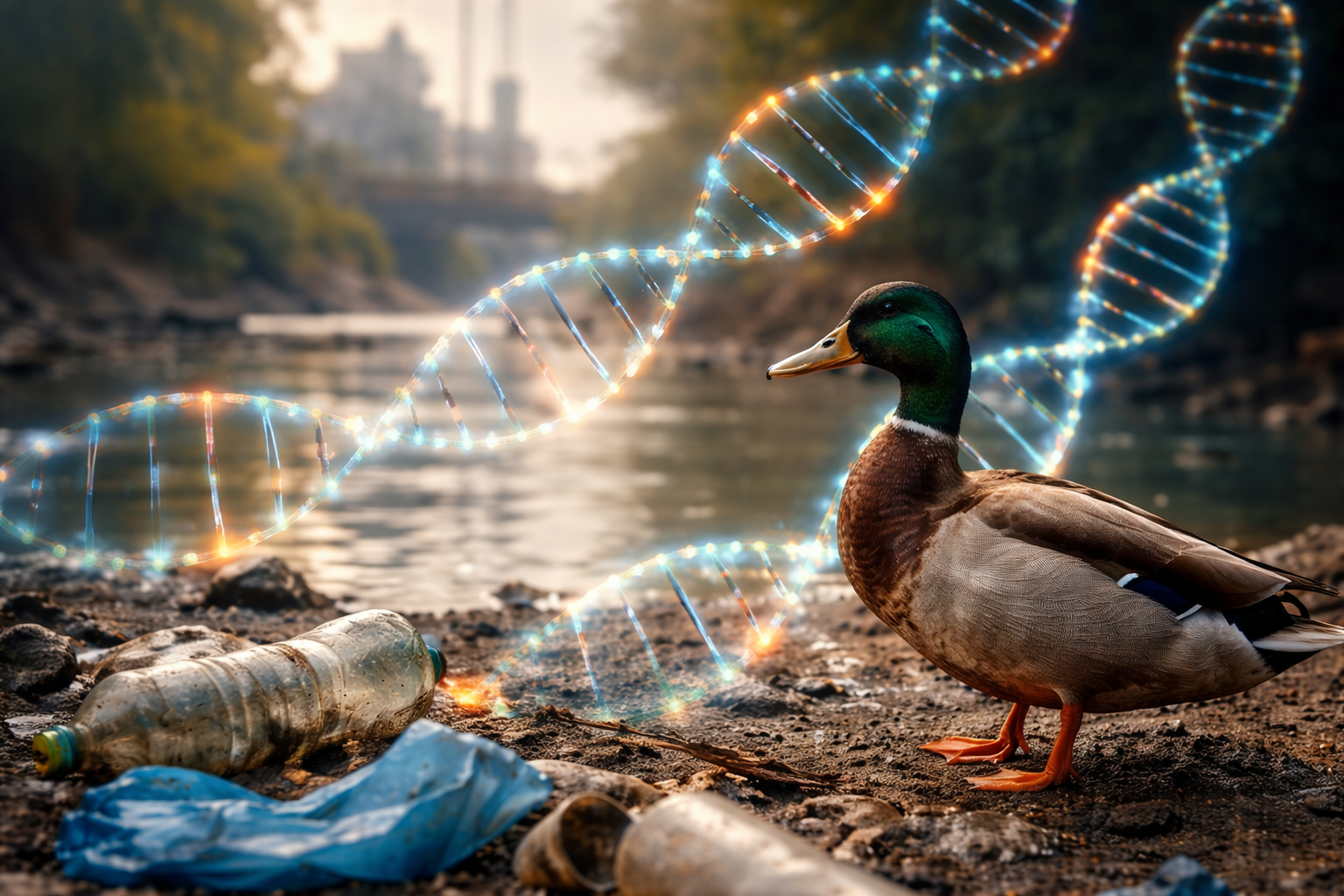
©Image PetsnPals/ChatGPT, Pollution and life in contrast

For decades, scientists believed pollution harmed wildlife mainly through illness, population loss, or habitat damage. New genetic research suggests something deeper is happening. Exposure to chemicals, heavy metals, and industrial byproducts is altering how some animals express and pass on their genes, sometimes permanently. These changes do not stop with wildlife. Researchers warn that genetic shifts moving through ecosystems can ripple outward, affecting food chains, disease dynamics, and even human health in ways that are only beginning to come into focus.


Read more

Millennials Are Killing Small Talk And Replacing It With Something Else

Casual chatter fades as deeper signals take over.

©Image via Canva

Something subtle has shifted in everyday conversations. The easy filler phrases that once padded elevators, offices, and social gatherings feel thinner now. Weather comments stall out. Polite noise dissolves faster than it used to. In its place, different rhythms are emerging. Conversations start later but go deeper sooner. Millennials did not decide this formally. It unfolded quietly as technology, stress, and social norms collided. What replaced small talk is not silence. It is something more selective, more intentional, and often more revealing.

Read more

Why Some Dogs Struggle With Alone Time Even After Years of Training

Separation can still register as a genuine threat.

©Image license via Canva

Some dogs appear settled, confident, and well trained, yet panic quietly resurfaces the moment they are left alone. Owners often feel blindsided, especially after years of consistent routines and professional training. The issue is rarely disobedience. Alone time taps into ancient survival wiring tied to attachment, safety, and predictability. Training shapes behavior, but it does not always recalibrate emotional perception. For certain dogs, solitude still triggers uncertainty their brains interpret as real risk, regardless of how calm things look on the surface.

Read more

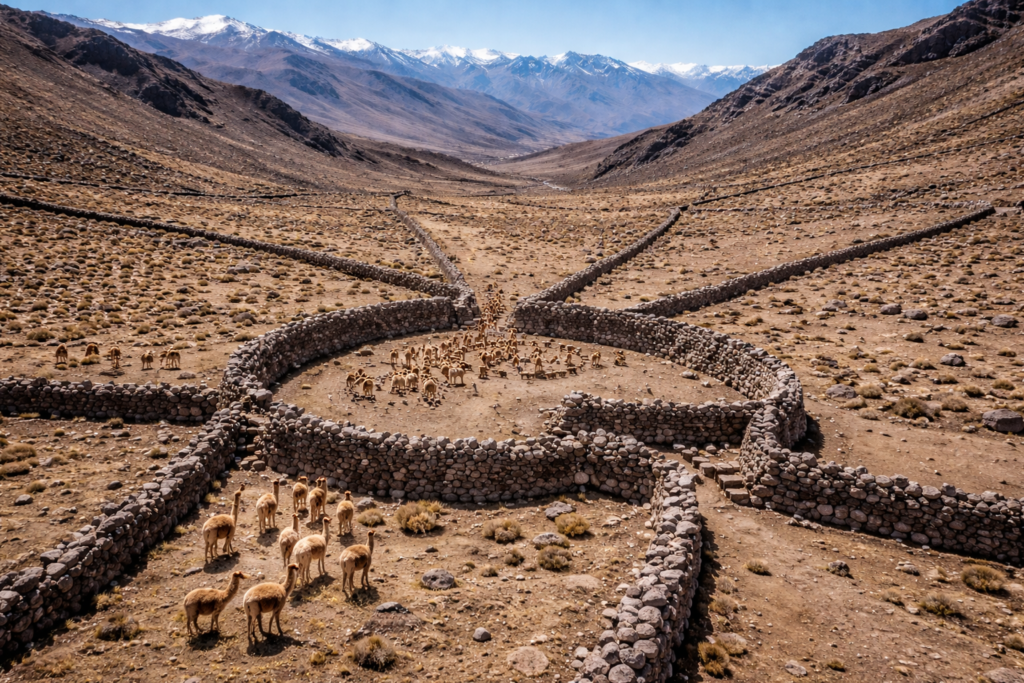
Satellite Images Reveal Massive Ancient Hunting Traps Hidden Across the Andes

Vast stone systems emerge from mountains once thought empty.

©Image license via PetsnPals/ChatGPT, illustration based on satellite mapped features

High in the Andes, stone lines stretch across ridges and valleys where few people walk today. For decades, they blended into the landscape, dismissed as erosion or boundary walls. Satellite imagery has changed that view entirely. From above, the formations resolve into coordinated systems built to guide animals across miles of terrain. These were not isolated traps. They were large scale hunting landscapes, engineered with precision, shared knowledge, and collective effort by ancient Andean communities.

Read more

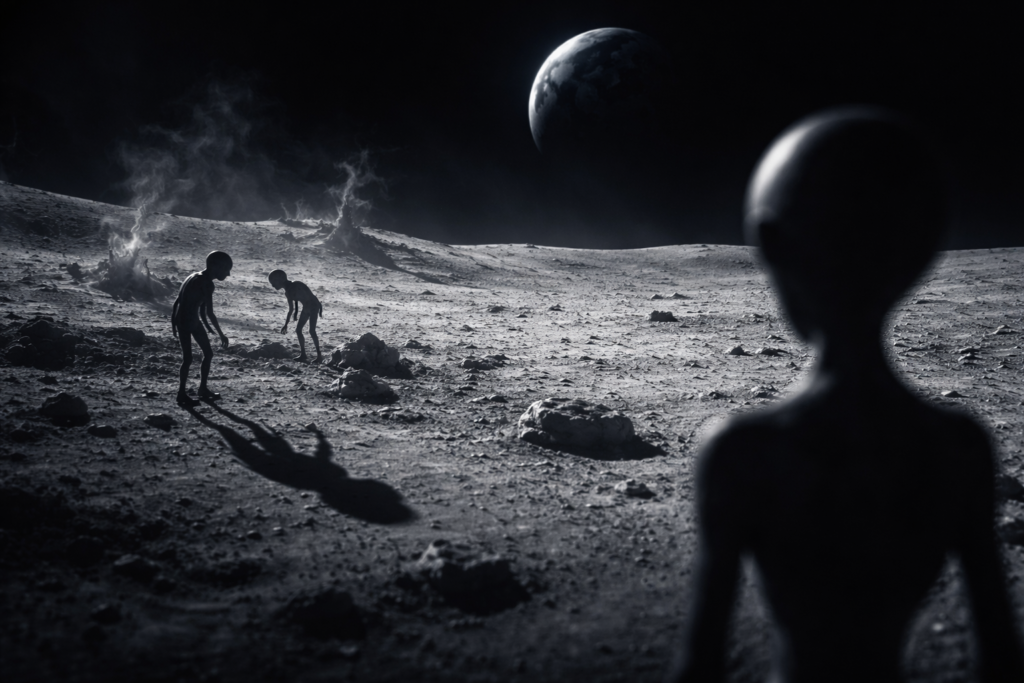
Alien Life on the Moon Is Back in Question After New Findings

New data is forcing scientists to reassess long-dismissed ideas.

For decades, the Moon was considered one of the least likely places to host life of any kind. Its lack of atmosphere, liquid water, and geological activity seemed to settle the question long ago. But new findings from recent lunar missions and reanalyzed data are complicating that assumption. Scientists say the discoveries do not confirm life, but they do reopen questions about chemical activity, subsurface environments, and whether the Moon may be more dynamic, and more mysterious, than previously believed.

Read more