Hawaii Votes To Officially Change Its Name And Many Locals Are Furious

A quiet decision ignites loud identity fractures.

©Image via Pixabay

A late year vote in Honolulu sent ripples far beyond the room where it happened. What began as a language and naming recommendation quickly collided with history, grief, and daily pressure felt across the islands. Some residents felt pride and relief, others felt erased or ignored. The debate spread through kitchens, job sites, and radio shows, revealing how deeply a name can touch memory, power, and belonging in modern Hawaii.

Read more

An Early Bronze Age Flint Blade Workshop in Israel Shows Master Craftsmanship From 5,500 Years Ago

A buried worksite reveals ancient industrial precision.

©Image license via GoodFon

Beneath modern development near the city of Yavne, archaeologists uncovered something rare and revealing. Instead of a single object or burial, they found a working landscape frozen in time. The site dates to around 3500 BCE, when early cities were emerging across the Levant. What stands out is not decoration or ritual, but repetition. Stone blades, cores, and waste were found in overwhelming quantity, telling a story of skill practiced daily. This was not survival improvisation. It was mastery sustained by demand.

Read more

Experts Reveal Thousands of Dogs Were Used in Classified Military Experiments During the Cold War

What declassified records now quietly confirm.

©Image license via PetsnPals/ChatGPT

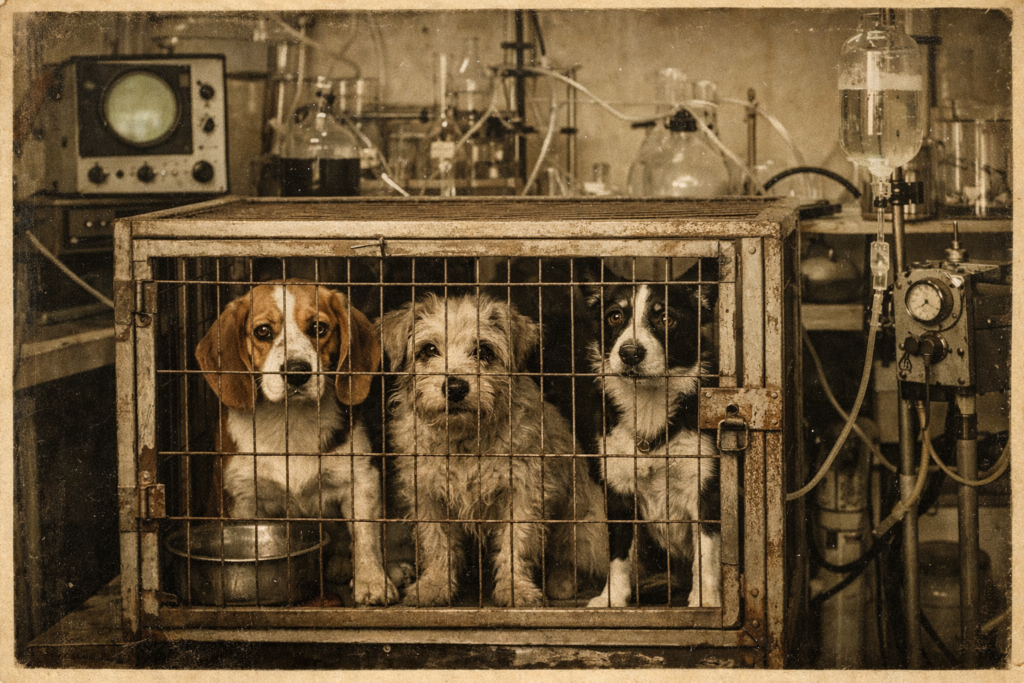
The Cold War was fueled by fear, speed, and the belief that falling behind could mean national collapse. Scientific research became an extension of military strategy, often conducted behind sealed doors and vague project names. In that environment, dogs were quietly pulled into experiments meant to answer urgent questions about survival, endurance, and exposure. Decades later, fragments of declassified material reveal how widespread these programs were, how intentionally they were hidden, and how deeply they shaped modern military science.

Read more

22,000 Year Old Tracks Hint Humans May Have Used Vehicles Far Early Than Once Thought

Ancient ground scars challenge early technology timelines.

©Image license via PetsnPals/ChatGPT

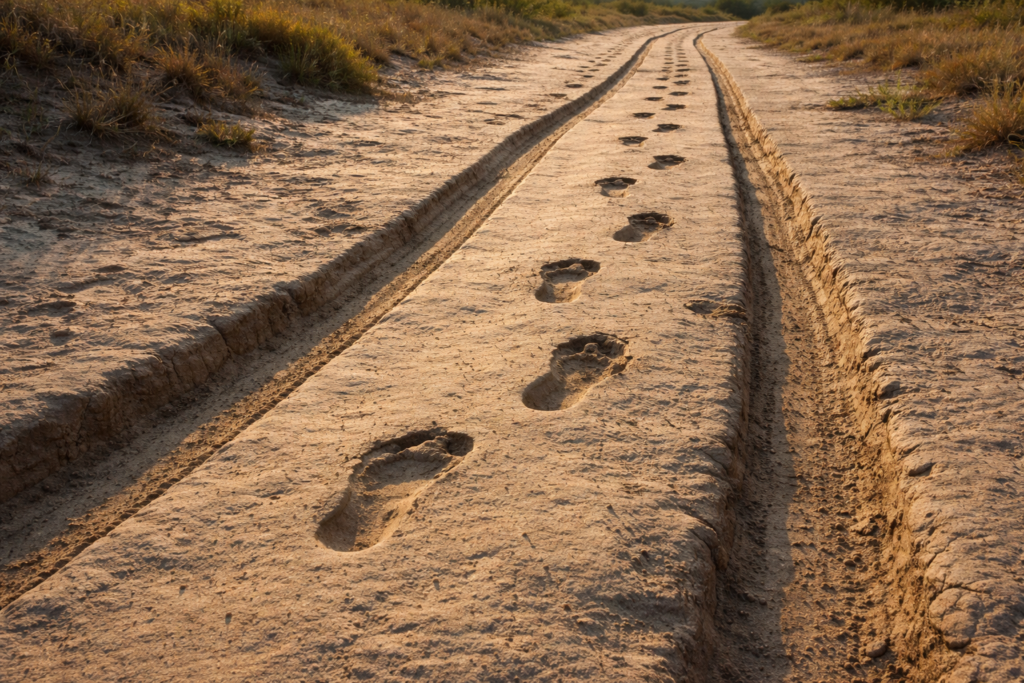
In the gypsum flats of what is now southern New Mexico, time briefly stopped working the way it usually does. Footprints hardened, drag marks settled, and layers sealed everything in place. When researchers uncovered these tracks, dated to roughly twenty two thousand years ago, they expected a story about migration. Instead, they found something quieter and stranger. The marks suggest not just people walking, but people moving weight across a difficult landscape with intention, planning, and tools.

Read more

Scientists Confront Old Errors As New DNA Traces Indigenous Lineages Back 15,000 Years

Genetic data recalibrates timelines long taken for granted.

©Image license via Rawpixel

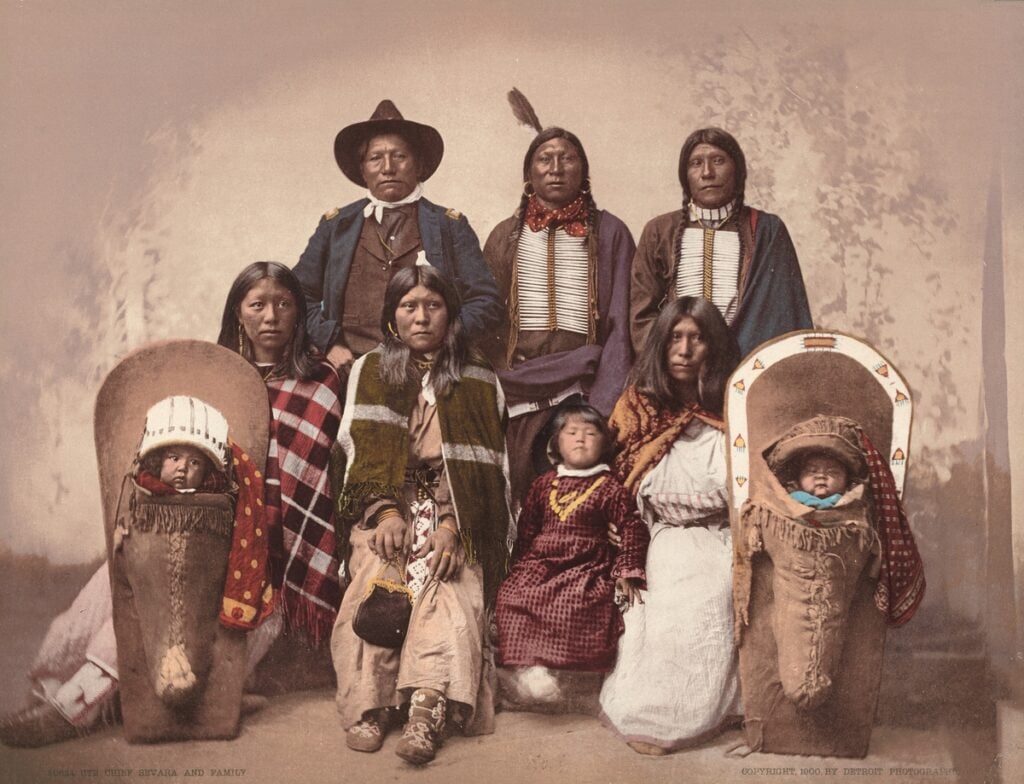
For much of the twentieth century, scientific models of Indigenous origins in the Americas were built on limited evidence and narrow assumptions. Migration was often dated late, routes were simplified, and archaeological findings that did not fit were treated cautiously or dismissed. Advances in ancient DNA analysis have changed the evidentiary landscape. Genetic material recovered from ancient remains now provides independent data that can be directly measured, compared, and replicated. These results do not rely on interpretation alone. They establish clearer minimum timelines and reveal population continuity that earlier methods could not resolve.

Read more