Scientists Are Burying Dressed Pigs in Mexico for Surprising Reasons

The experiment looks strange, but the reason is deadly serious.

©Image license via Canva

In remote fields across Mexico, researchers are digging graves on purpose. What they place inside them is deliberate, unsettling, and designed to answer questions families have been asking for years. The work is not symbolic, and it is not academic curiosity. It is an attempt to understand how bodies disappear, how long evidence lasts, and why so many searches come up empty. The answers could change how mass graves are found, and why so many have been missed.

Read more

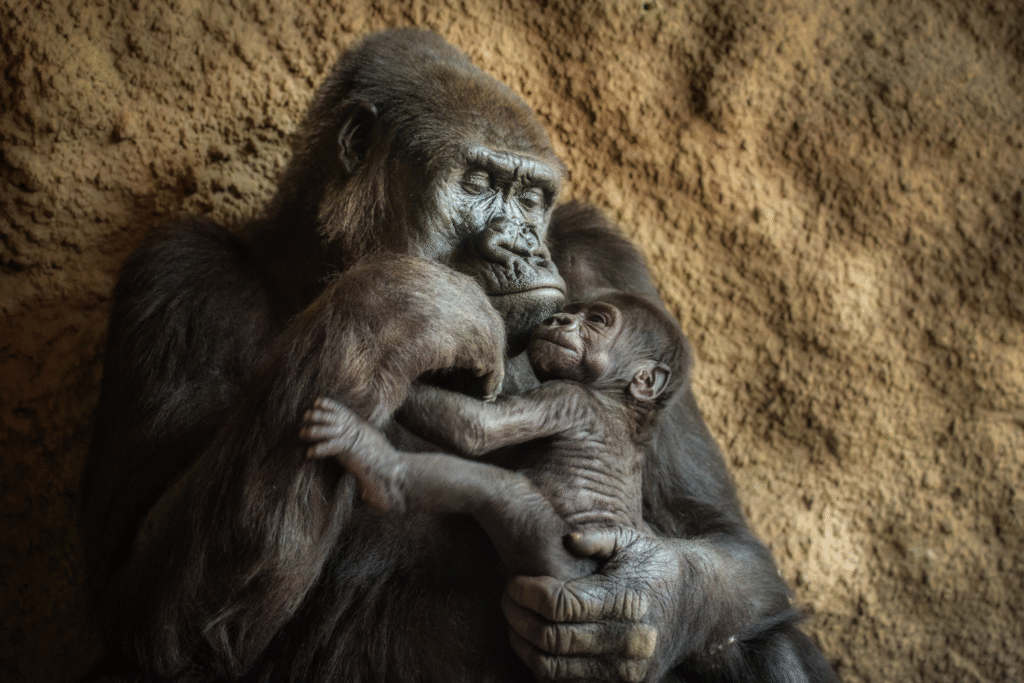
Why Gorilla Infanticide Is Rising, and What Scientists Are Linking It To

Researchers say the behavior may reflect mounting pressure.

©Image license via Canva

For decades, gorilla societies followed patterns that felt tragically predictable but stable. That stability is now starting to fracture. A new body of research points to a rise in infant killings within some gorilla groups, a behavior scientists once considered rare and situational. The most unsettling part is not the violence itself, but the conditions surrounding it. As habitats shift and food becomes less reliable, researchers are asking whether environmental stress is beginning to rewrite behaviors long thought to be fixed.

Read more

Chinese Trash Collector Heard Infants Crying in the Garbage

What she kept encountering was never supposed to surface.

©Image license via PetsnPals/ChatGPT

Each morning began the same way, with bags, bottles, and silence. Then a sound would break routine, faint, human, impossible to place. Lou Xiaoying did not set out to become part of a national reckoning. She was trying to survive. But across decades, her daily route intersected with choices others felt forced to make in secret. What she found again and again was not meant to be seen, only discovered. The reasons unfolded slowly, shaped by fear, policy, and the hope that someone, somewhere, would stop and listen.

Read more

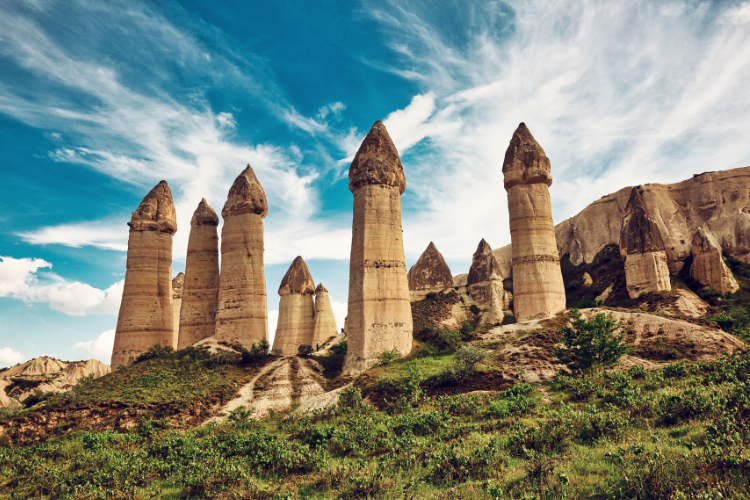
A Look at Hoodoos That Continues to Baffle Tourists

These places look engineered, yet geology insists otherwise.

©Image via Canva

Across continents, certain rock landscapes stop visitors mid step. Phones rise, conversations pause, and the same question surfaces in different languages. How did this happen naturally. Hoodoos disrupt expectations because erosion rarely looks intentional. At some sites, the density overwhelms. At others, isolation or scale feels wrong. Bryce Canyon is the reference point, but it is not alone. From deserts to high plateaus, these formations challenge intuition by presenting balance, repetition, and structure where people expect randomness, collapse, and disorder.

Read more

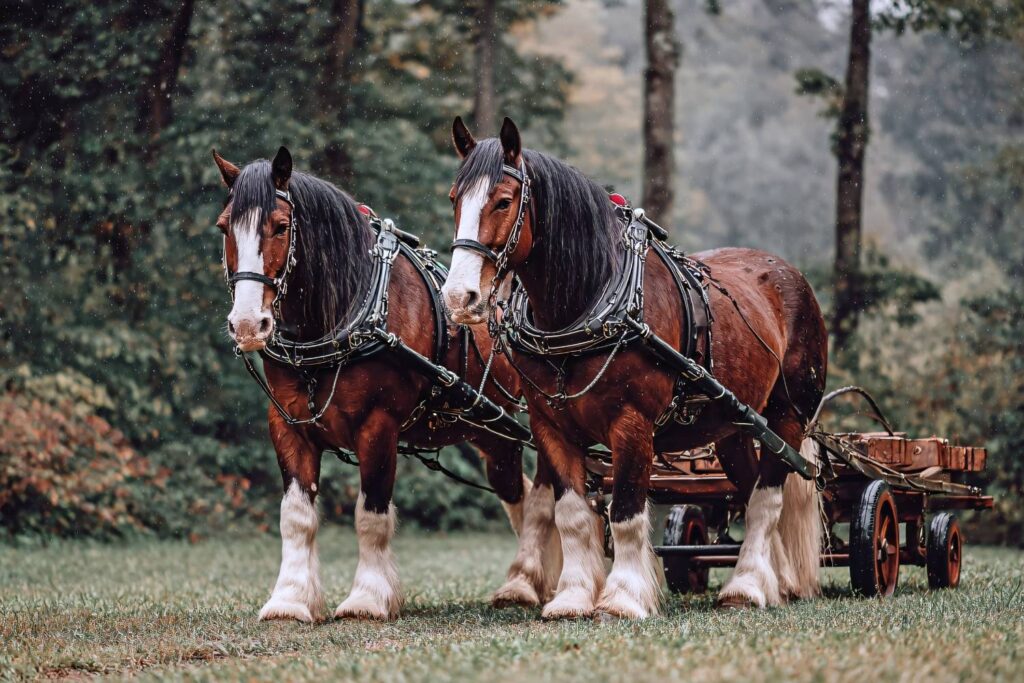
9 Forgotten Horse Breeds That Once Powered Entire Economies

These horses built systems modern markets still depend on.

©Image license via Canva

Long before engines dictated growth, survival hinged on animals bred for labor, distance, and endurance. Trade expanded only where strength allowed it. Farms scaled only as far as muscle could pull. When those animals faded from use, the transition looked smooth, yet entire economic systems quietly rebalanced. Roads remained, fields stayed planted, and cities kept growing. What vanished was the living infrastructure that once absorbed risk, limited speed, and enforced restraint. The loss was not sentimental. It reshaped how quickly societies learned to expect abundance.

Read more