A Look at Hoodoos That Continues to Baffle Tourists

These places look engineered, yet geology insists otherwise.
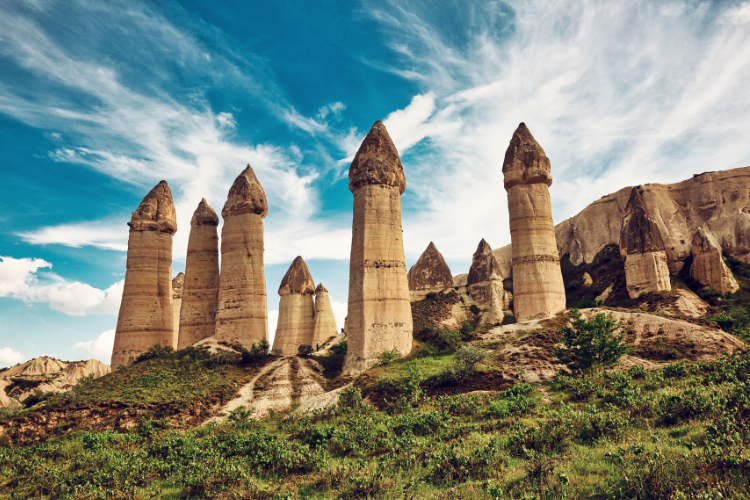
©Image via Canva

Across continents, certain rock landscapes stop visitors mid step. Phones rise, conversations pause, and the same question surfaces in different languages. How did this happen naturally. Hoodoos disrupt expectations because erosion rarely looks intentional. At some sites, the density overwhelms. At others, isolation or scale feels wrong. Bryce Canyon is the reference point, but it is not alone. From deserts to high plateaus, these formations challenge intuition by presenting balance, repetition, and structure where people expect randomness, collapse, and disorder.
Read more

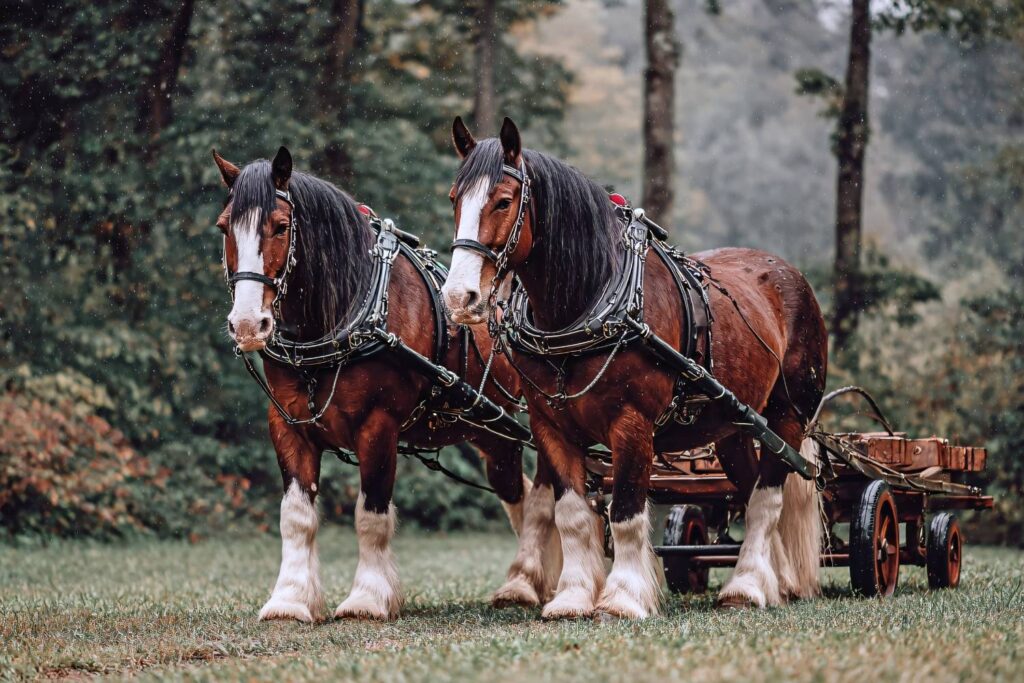
9 Forgotten Horse Breeds That Once Powered Entire Economies

These horses built systems modern markets still depend on.

©Image license via Canva

Long before engines dictated growth, survival hinged on animals bred for labor, distance, and endurance. Trade expanded only where strength allowed it. Farms scaled only as far as muscle could pull. When those animals faded from use, the transition looked smooth, yet entire economic systems quietly rebalanced. Roads remained, fields stayed planted, and cities kept growing. What vanished was the living infrastructure that once absorbed risk, limited speed, and enforced restraint. The loss was not sentimental. It reshaped how quickly societies learned to expect abundance.

Read more

How Human Choices Are Rapidly Redrawing the Natural World

These decisions are reshaping ecosystems faster than expected.

©Image via Canva

Human activity is now altering Earth’s ecosystems at a pace that rivals natural forces once measured across millennia. Decisions made in boardrooms, farms, and city councils are reshaping forests, oceans, and coastlines in ways scientists struggle to model. The stakes are rising because many of these changes are happening simultaneously, stacking pressures on systems built for stability. What looks incremental on a map often masks irreversible shifts on the ground, where species lose footing, climates tip, and landscapes quietly cross thresholds that cannot be undone.

Read more

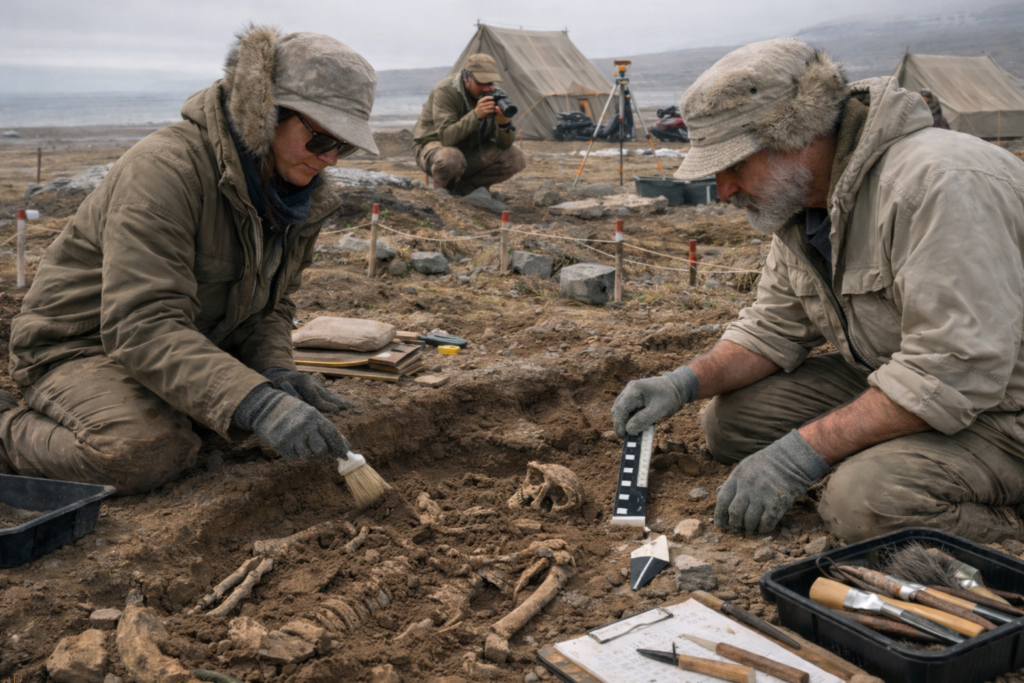
DNA From Ancient Remains Confirms Long-Distance Trade Between Arctic and Pacific Coast Peoples

Genetic clues reveal ancient connections once considered impossible.

©Image license via PetsnPals/ChatGPT, Archeological Excavation Site

Archaeologists long assumed Arctic societies were shaped mostly by isolation, constrained by ice, distance, and extreme seasons. Artifacts hinted otherwise, but evidence remained circumstantial. Recent genetic analysis of ancient human remains has changed that balance. DNA recovered from burial sites across northern Alaska now raises the stakes, suggesting repeated contact across thousands of miles. These findings force researchers to reconsider how people moved, traded, and maintained relationships in environments once thought to limit long distance exchange.

Read more

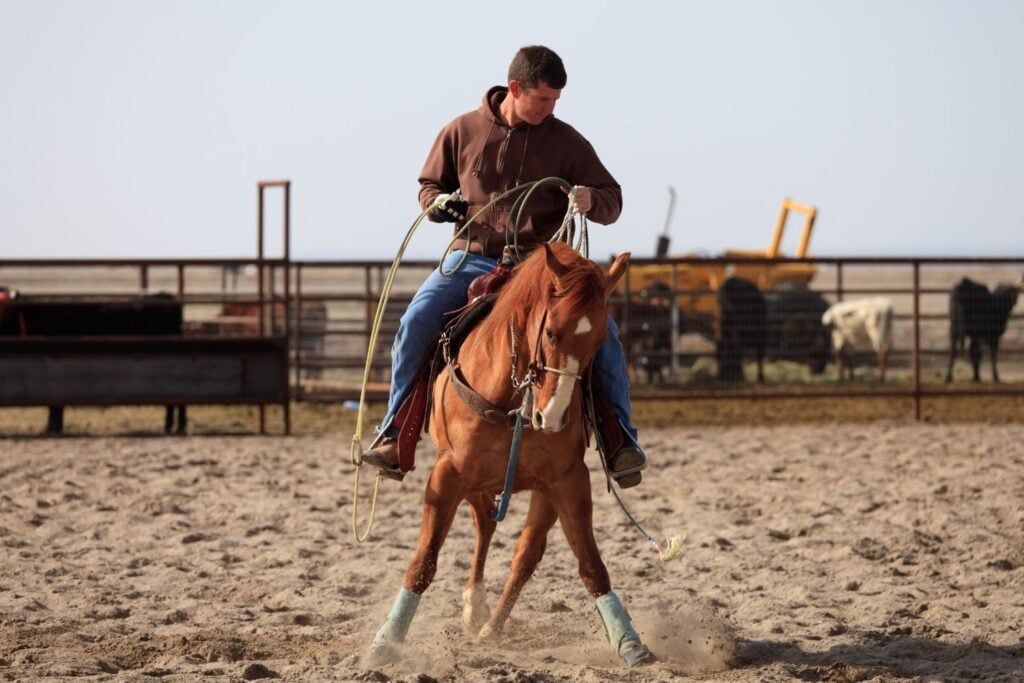
Why Some Horses Refuse Certain Riders Without Obvious Reason

What looks like stubbornness may be something deeper.

©Image license via Canva

Anyone who has spent time around horses has seen it happen. A calm, capable horse suddenly resists a specific rider for reasons no one can immediately explain. Trainers debate it, owners downplay it, and riders often take it personally. Yet refusals like this are not random. They unfold at barns, lesson programs, and trails across the world, often without visible warning. The stakes are real because misunderstanding a refusal can lead to injury, broken trust, or lasting behavioral issues.

Read more