10 Reasons People Dump Dogs Back at Shelters After Adoption

Dogs are losing the homes they thought they finally found.

©Image PetsnPals/AI generated image

Thousands of adopted dogs are returned to shelters each year, creating a cycle that places strain on both animals and already overcrowded systems. These returns are rarely caused by a single issue. Instead, they reflect a pattern of decisions, expectations, and circumstances that break down after adoption. In many cases, the warning signs appear early but go unrecognized or unaddressed. Shelter data and veterinary reports show that most returns follow predictable paths, shaped more by human factors than by the dogs themselves. Understanding these patterns helps explain why so many adoptions fail and what continues to drive dogs back into the system.
Read more

8 Reptiles That Should Never Be Pets

Not every reptile belongs in a home.

©Image license via Canva

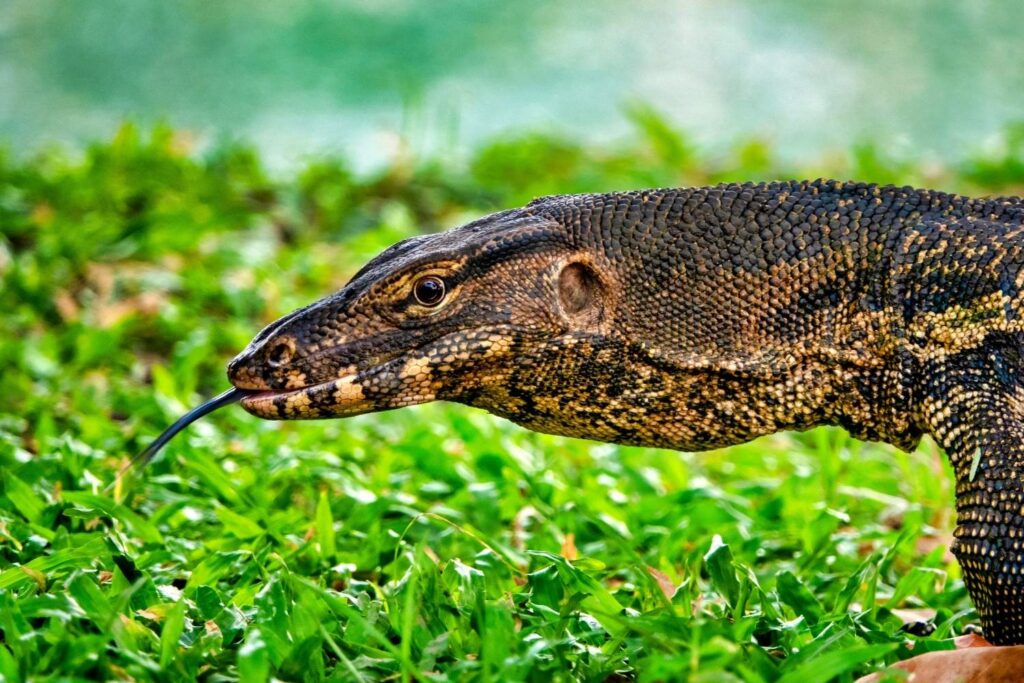
Many reptiles sold as pets are not suited for regular handling, even though they are often marketed as manageable and calm. Their behavior is shaped by instinct, not by a need for interaction, and physical contact can trigger stress or defensive responses. This can lead to bites, scratches, or long-term health issues for the animal. In many cases, new owners are not fully informed about how these species react to being handled. Understanding which reptiles prefer minimal or no contact can help prevent injuries and ensure better care for animals that are meant to be observed, not interacted with directly.

Read more

The Arctic Fox May Be a Clue to Something Bigger

A single species is exposing a much bigger shift

©Image license via Canva

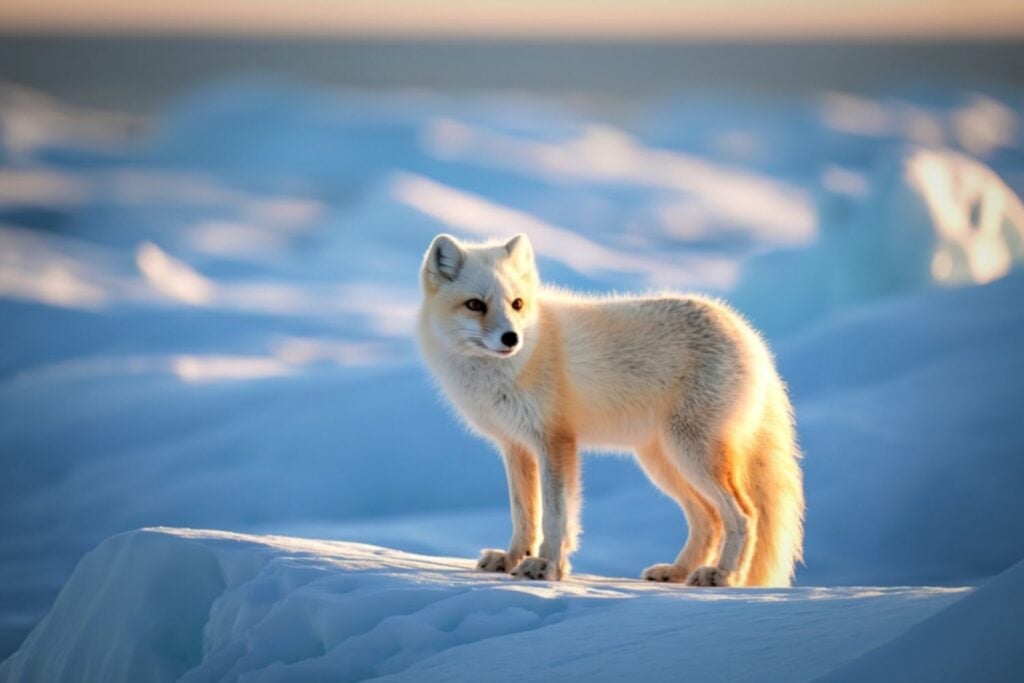
Arctic foxes have long been considered one of the most finely adapted animals on Earth, built to survive extreme cold and scarce resources. But recent observations are showing signs that even these highly specialized traits may no longer be enough. Across parts of the Arctic, shifts in behavior, habitat use, and survival patterns are raising new concerns among researchers. These changes are not isolated or random. They appear connected to broader environmental shifts that are unfolding across the region. What is happening to arctic foxes may offer a clearer look at how fast conditions are changing and what that could mean beyond the Arctic.

Read more

What the Southern Ocean Has Been Holding Back May Not Stay There

A buildup beneath the surface may not stay contained.

©Image PetsnPals/AI generated image

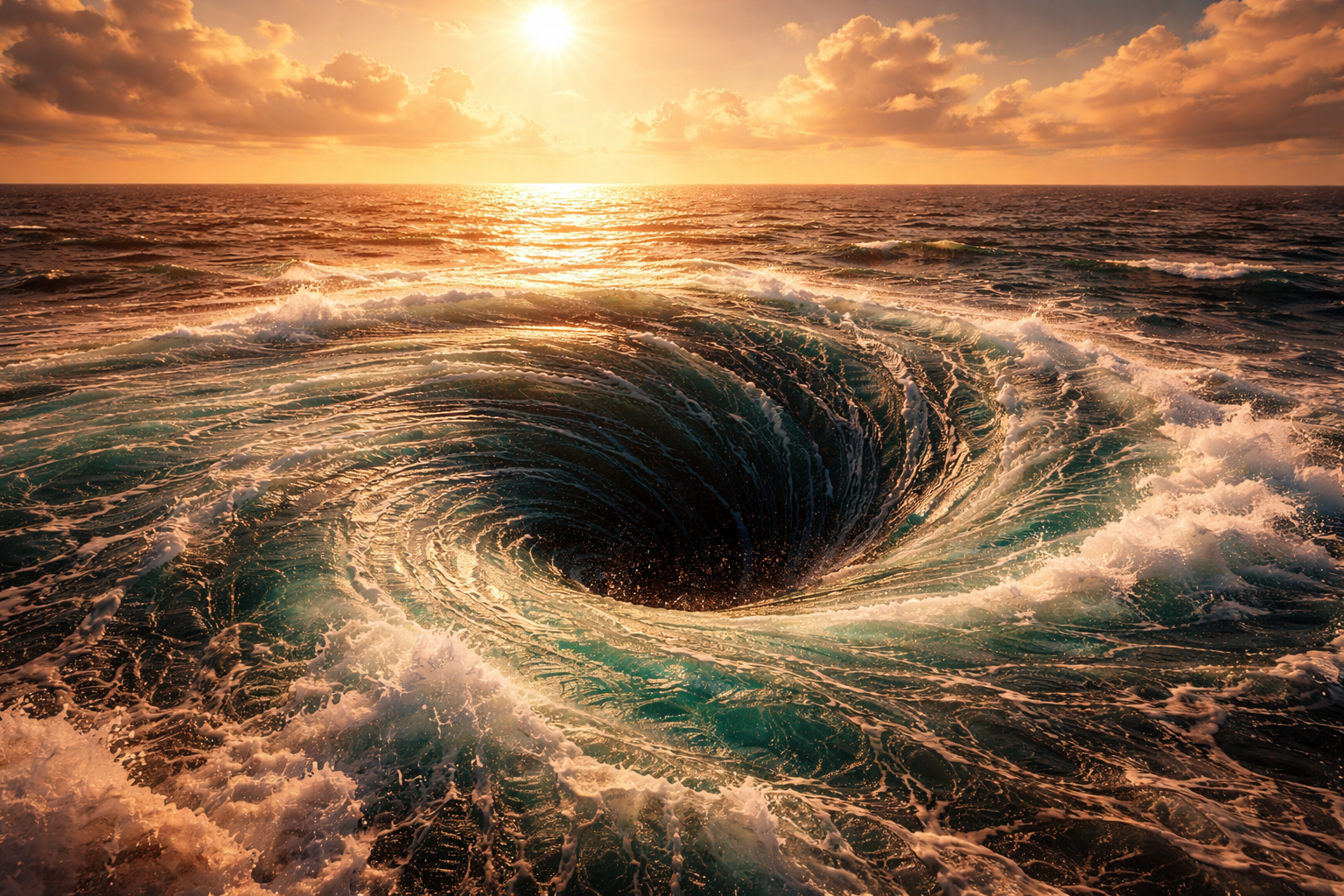
Global warming is often described as a steady rise in temperature, but new research suggests the process may not be that straightforward. Scientists studying the Southern Ocean are focusing on changes happening far below the surface, where large amounts of heat are being stored over time. These deeper layers are not easily observed, yet they play a major role in how the climate system behaves. As conditions shift, researchers are beginning to question whether this stored heat will remain contained or if it could influence surface temperatures in ways that current models do not fully account for.

Read more

Two Human Choices May Have Permanently Altered the Chemistry of the Great Salt Lake

New evidence points to two turning points in history.

©Image license via Canva

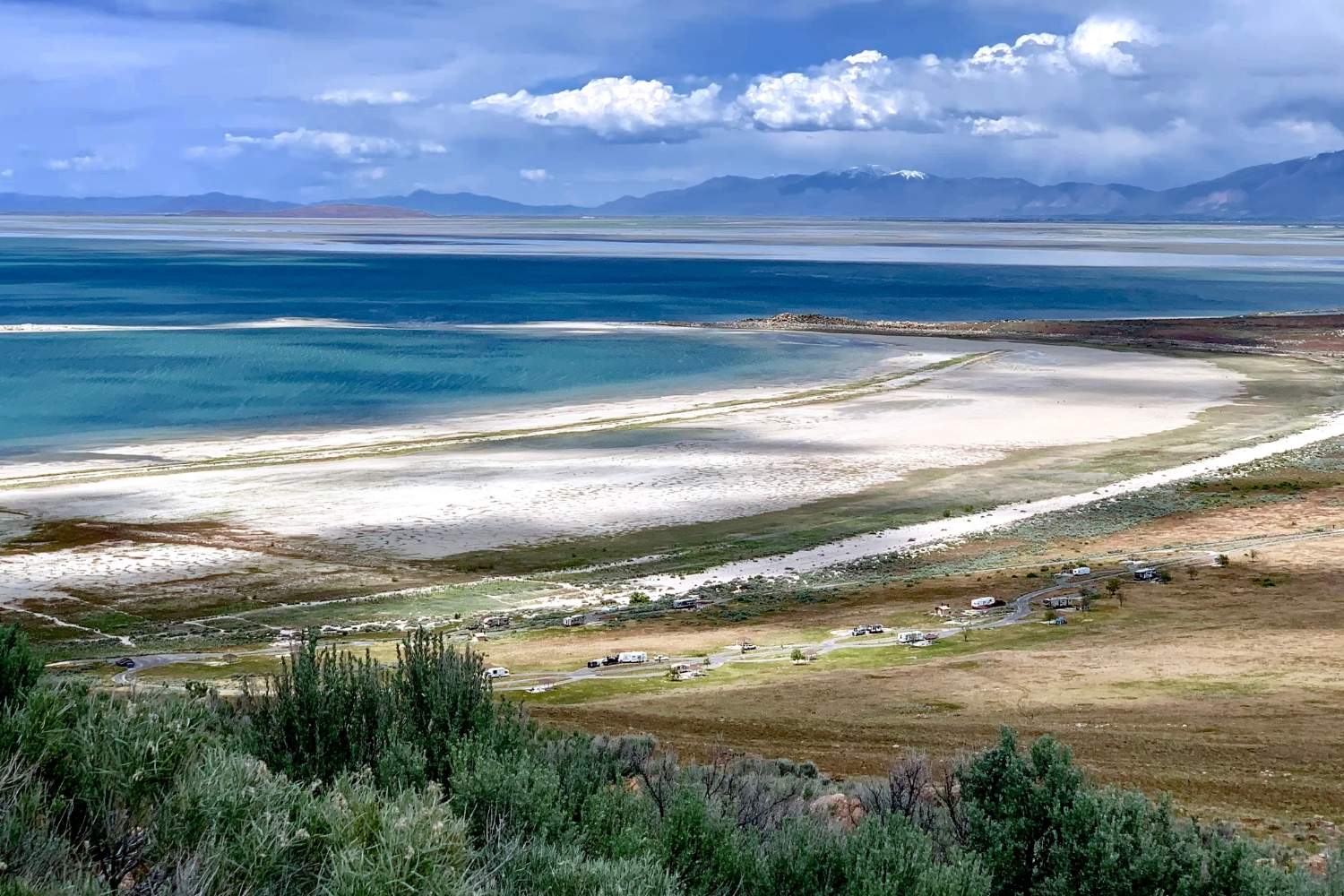
For thousands of years, one massive lake followed its own steady rhythm, shaped by climate, minerals, and time. Nothing about it suggested sudden change or instability. Then, within a relatively short span, something shifted. Not once, but twice. What makes this story different is how precise those moments appear to be, almost like fingerprints left behind in the water itself. Scientists studying the lake’s past are now seeing patterns that do not match anything that came before. The implications are hard to ignore, especially because the forces behind those changes may feel far more familiar than expected.

Read more