The Hidden Reason Some Dogs Never Learn to Swim Naturally

Swimming struggles often begin long before water.
©Image license via Canva

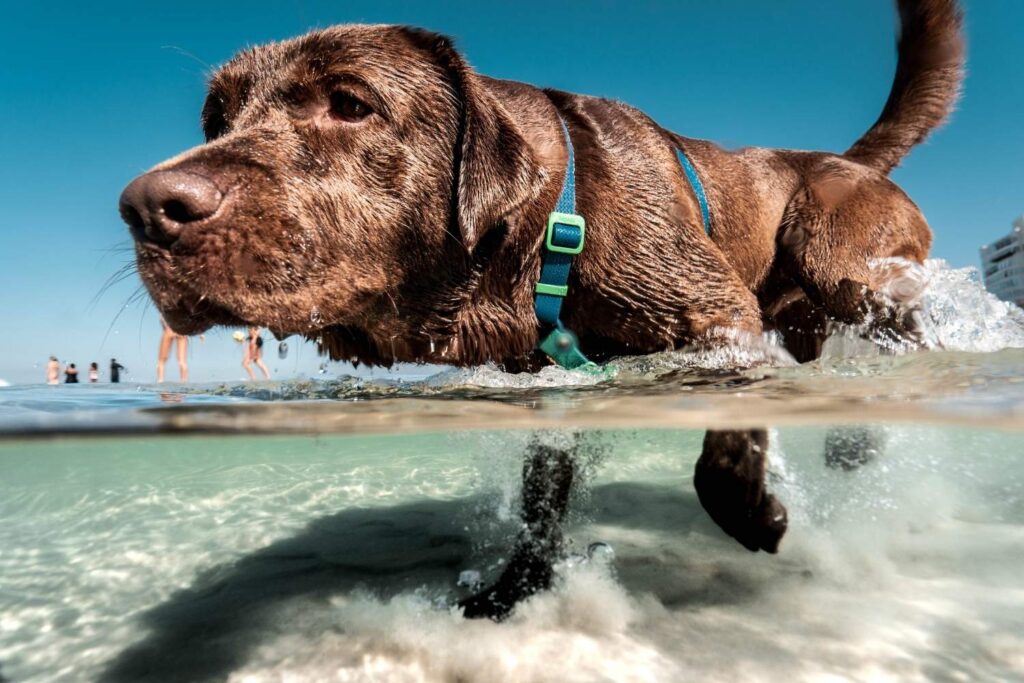
Many people assume swimming comes naturally to all dogs, but real world observations tell a different story. Across backyard pools, lakes, and beaches, some dogs freeze, flail, or refuse water entirely. This is not stubbornness or lack of intelligence. It is the result of biology, early development, and how a dog’s brain learns safety. Long before paws ever touch water, invisible factors are already shaping whether swimming feels intuitive or terrifying. Those early influences stay with dogs for life, even when owners try patiently to teach later on.

Read more

Why Your Dog Constantly Watches You From Across the Room, and What It Means

That steady gaze carries more information than it seems.

©Image license via PetsnPals/ChatGPT, Golden retriever staring at owner

When a dog watches you from across the room, it is rarely random. This behavior appears in homes every day, whether during quiet evenings, busy mornings, or moments of rest. Dogs evolved to monitor key figures for safety, guidance, and opportunity. The distance does not weaken the connection, it sharpens it. A fixed gaze can signal bonding, anticipation, concern, or learned habit. Understanding why dogs observe from afar reveals how deeply their behavior is shaped by evolution, environment, and shared daily routines.

Read more

Why Certain Dog Breeds Age Faster Than Others, Vets Explain

Biology shapes aging long before gray fur appears.

©Image PetsnPals/ChatGPT, Senior dogs enjoying a peaceful moment

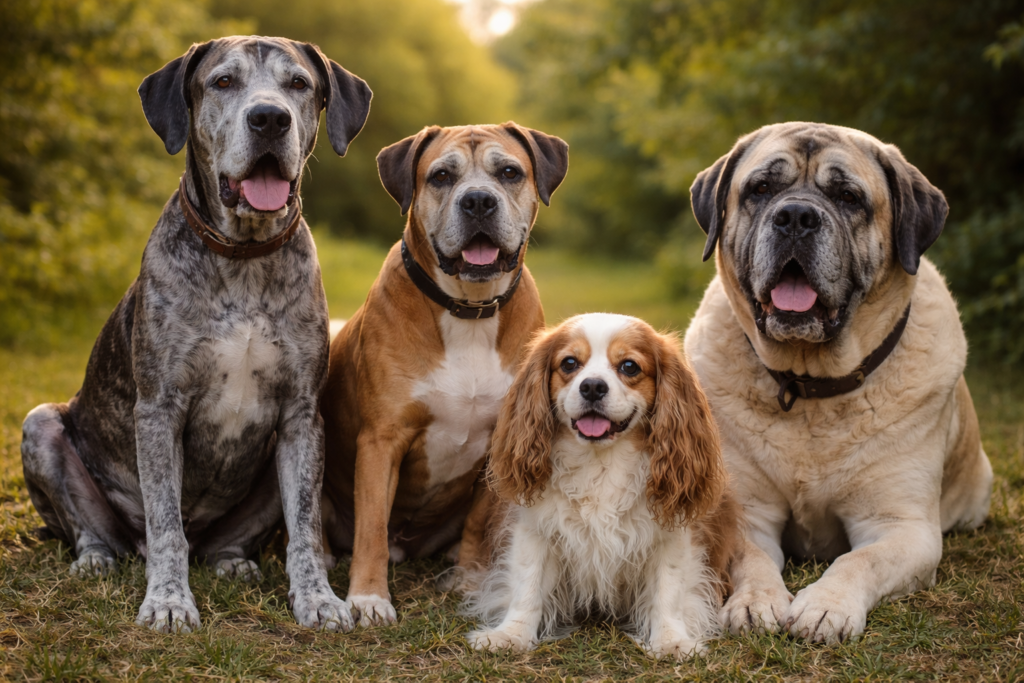
In veterinary clinics across the United States, aging rarely follows the calendar. Dogs born the same year often arrive at very different life stages by middle age. Some breeds begin slowing down while others are still charging ahead. Vets see earlier arthritis, heart disease, cancer, and cognitive decline in specific breeds, regardless of good care. Size plays a role, but genetics, structure, and inherited disease matter just as much. Aging speed is written into biology long before owners ever notice.

Read more

Why African Elephants Need To Adapt

Poaching pressure is reshaping elephant biology and behavior.

©Image license via Canva

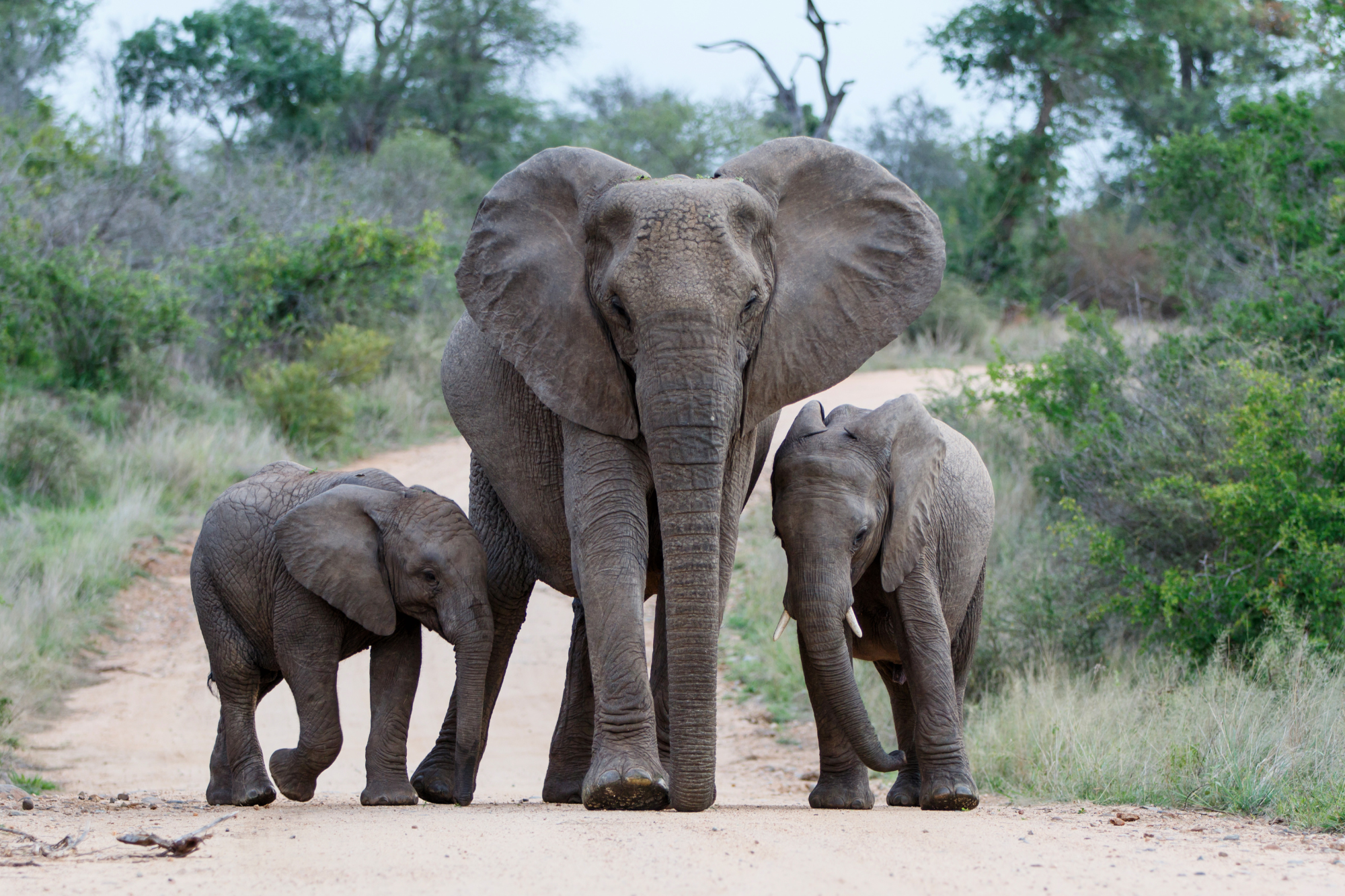
In several regions of Africa, elephants are being born without tusks at rates never recorded before. Biologists say this is not a natural trend unfolding slowly over millennia, but a rapid response to intense human pressure. Decades of poaching have made tusks a lethal liability, favoring elephants that lack them entirely. Researchers are now tracking how this forced shift is affecting feeding behavior, social dynamics, and long-term survival, raising difficult questions about how wildlife adapts when evolution is driven by human threat rather than environment alone.

Read more

Do Dogs Hold Grudges or Just Remember What Happened?

Negative experiences can leave lasting behavioral traces.

©Image license via iStock

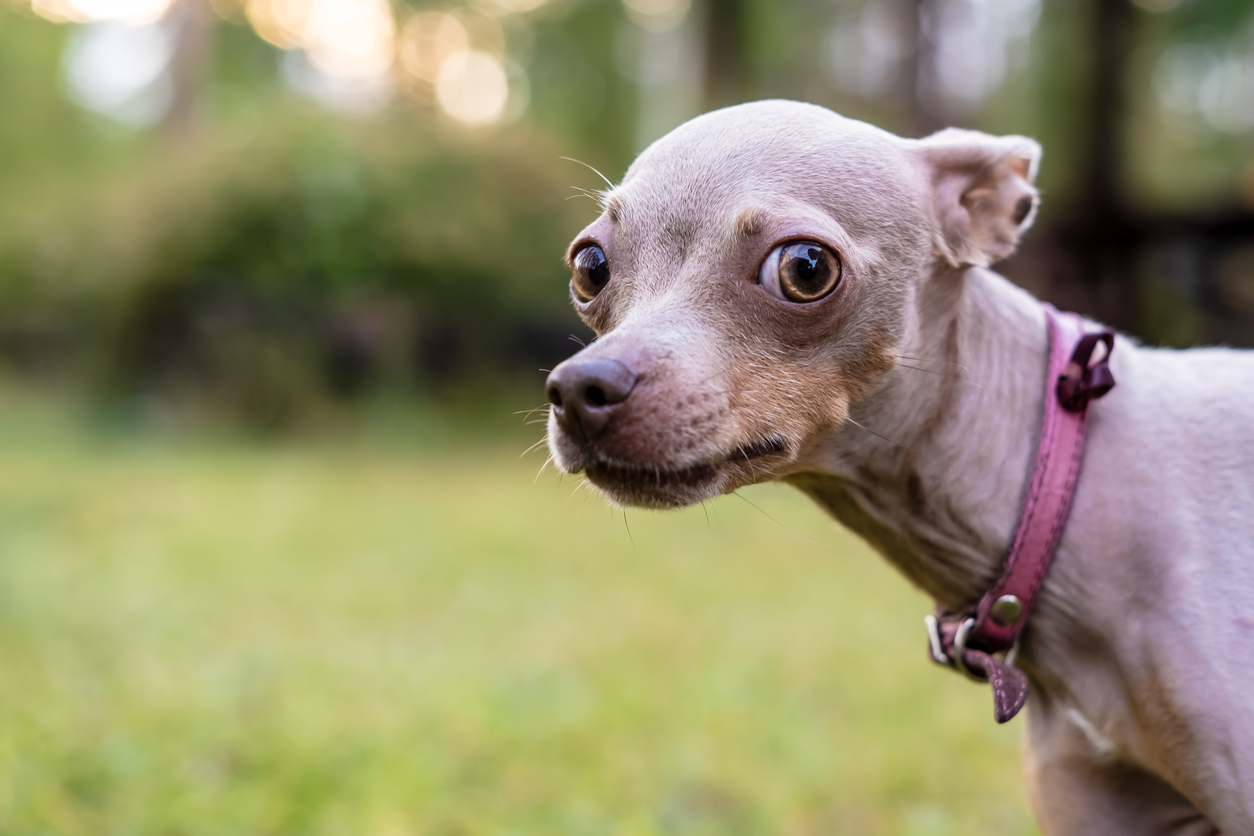
You’ve probably seen it before, your dog gives you the cold shoulder after a scolding or refuses to look at you after a trip to the vet. It feels personal, almost like payback. But experts say the truth is more fascinating and less emotional than it appears. While dogs do remember negative experiences, they don’t stew over them the way humans do. Their reactions are immediate, not moral. Modern studies show that dogs remember how an interaction felt, not why it happened, and those feelings, not grudges, shape how they behave next.

Read more