Jane Goodall’s Parting Gift to Earth? A One Way Ticket for Musk and Trump

Her final words called out power in space and on Earth.
©Image license via Wikimedia Commons/Simon Fraser University

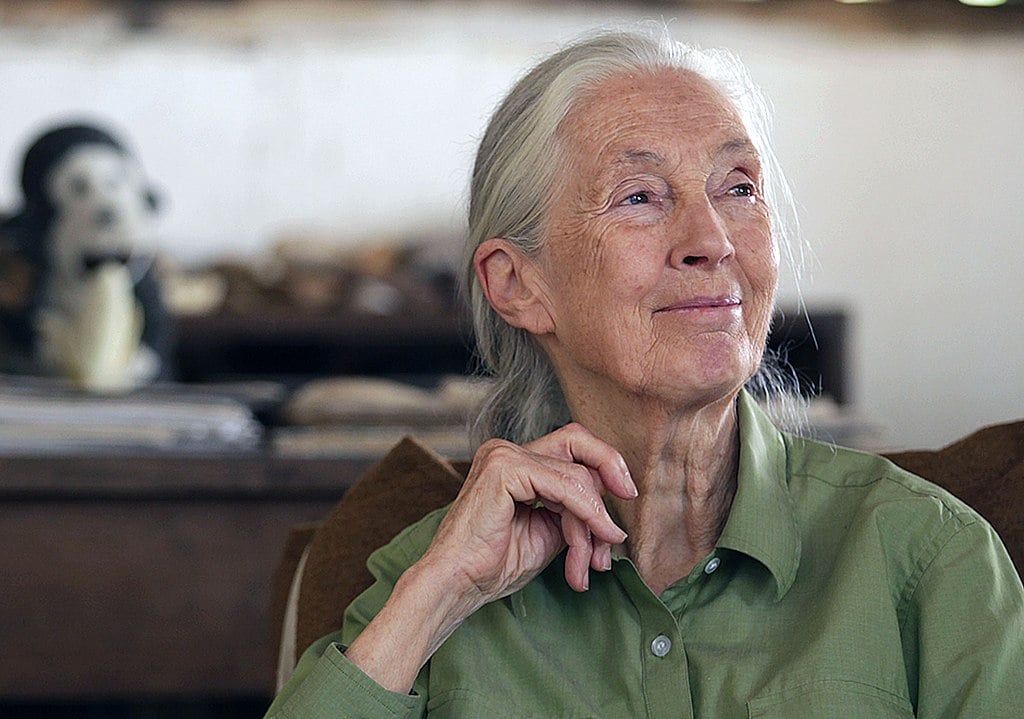
Jane Goodall didn’t leave behind a manifesto or a list of regrets. What she left was a single conversation, recorded quietly in March 2025, in which she sat under soft studio lights and said something only she could get away with: she’d like to send Elon Musk and President Donald Trump on a spaceship and “leave them there.” It wasn’t said in bitterness, but with that dry British humor that always landed halfway between grace and warning. In her last words to the world, she wasn’t mocking. She was reminding us who holds the keys to the planet’s future, and asking, gently but unmistakably, if they still deserve them.

Read more

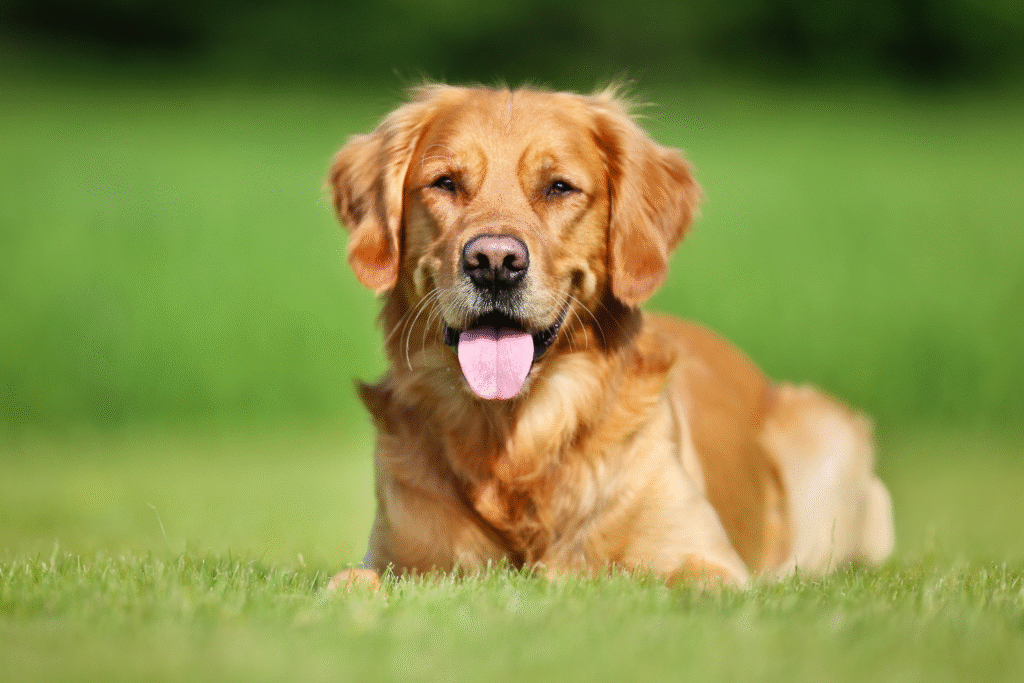
12 Dog Breeds at the Highest Risk for Deadly Bloat and How to Prevent it

Deep chested giants face a silent internal threat.

©Image license via iStock

Bloat, also known as gastric dilatation volvulus (GDV), is one of the most life threatening emergencies in dogs, and it strikes quickly. The condition occurs when the stomach fills with gas and twists on itself, cutting off blood supply and trapping air inside. Certain large, deep chested breeds face a significantly higher risk, but medium dogs are not exempt. Recent veterinary research continues to refine which breeds face the greatest danger. Understanding these risks, along with prevention, can save lives, since early action often determines whether a dog survives this catastrophic event.

Read more

10 Dog Breeds at the Highest Risk for Congestive Heart Failure and What to Look For

Early warning signs can save a dog’s life.

©Image license via Canva

Congestive heart failure, or CHF, isn’t a sudden event in dogs—it’s a slow, silent progression that can take months or years to show itself. While any breed can develop heart disease, some are genetically predisposed to it. The early signs can look deceptively simple: fatigue on walks, coughing at night, or breathing faster while resting. Yet these tiny changes are the body’s first distress signals. Recognizing which breeds face the highest risk can help owners act early, when medication and diet changes can make a profound difference in a dog’s lifespan.

Read more

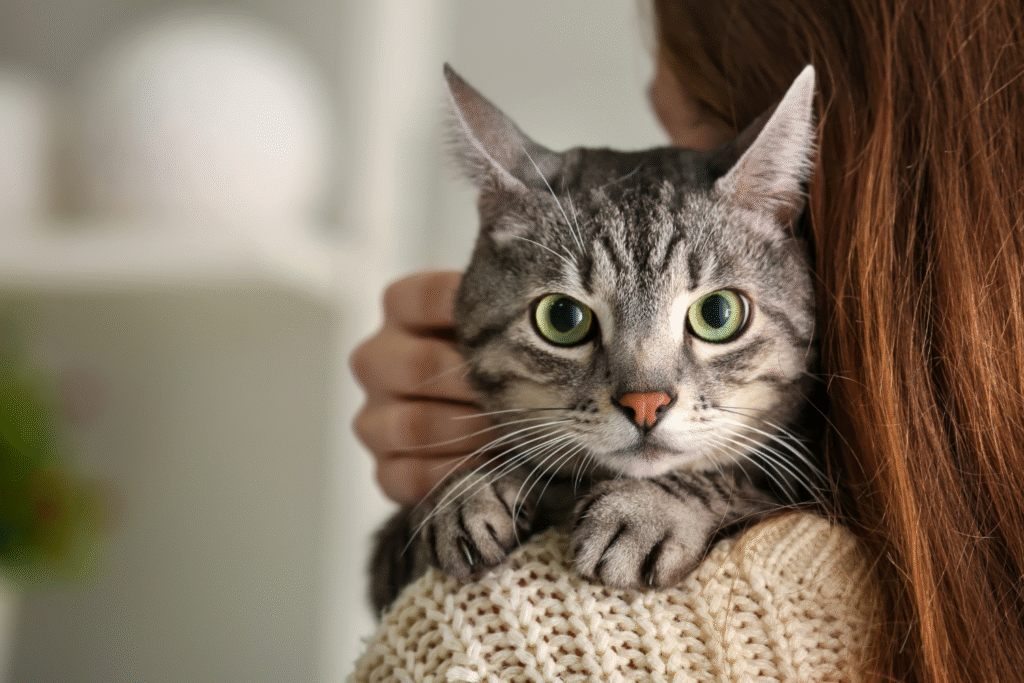
13 Signs of Stress in Cats That Can Lead to Long-Term Anxiety

Cats hide stress better than they should.

©Image via Canva

Cats may look calm as they nap on the windowsill, but stress can simmer beneath that quiet exterior for months before it becomes chronic anxiety. Subtle cues—like grooming more than usual or hiding under furniture—are your cat’s quiet language for “something’s wrong.” Studies now show that prolonged stress doesn’t just change feline behavior, it can physically alter their immune and digestive systems. Understanding these warning signs early can prevent lifelong anxiety and keep your cat’s mental and physical health stable.

Read more

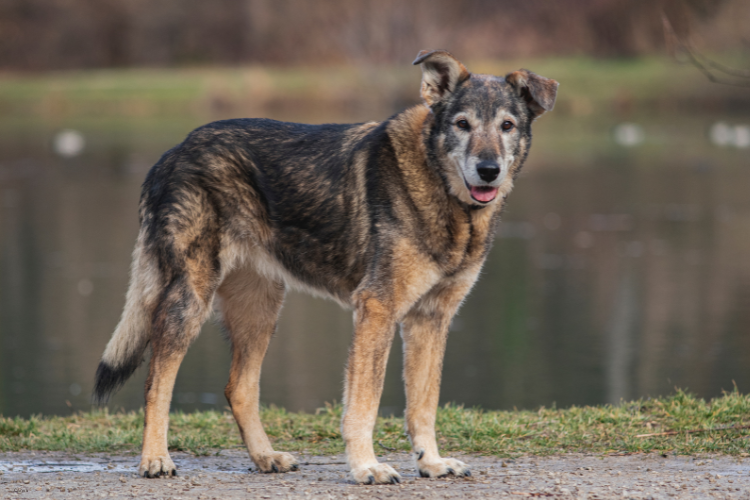
9 Common Habits That Make Arthritis Worse for Aging Dogs

Small routines can quietly amplify their pain.

©Image license via Canva

Arthritis doesn’t arrive suddenly in dogs; it creeps in like a slow thief, stealing comfort from their favorite naps and walks. The heartbreaking part is that many of the things we do to show love, extra treats, cozy blankets, skipping walks on cold mornings, can quietly make their joints worse. Understanding those daily habits is the first step in easing their pain instead of feeding it.

Every step, jump, or skipped stretch matters more as dogs age. And while arthritis cannot be cured, it can be managed far better than most owners realize. Knowing which habits quietly worsen their condition can add not just months, but quality to their years.

Read more