A Rare Water Frog Survived Dinosaurs, But Now Battles Climate Threats

An ancient survivor faces a modern crisis.
©Image license via Wikimedia Commons/José Grau de Puerto Montt

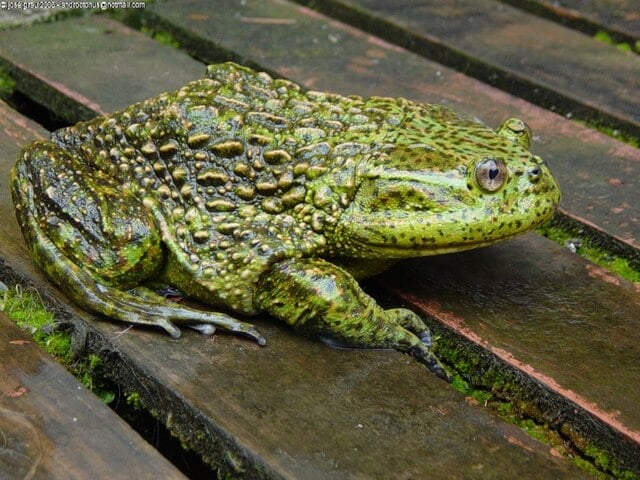
A frog that once shared the planet with dinosaurs still clings to life today, quietly enduring in the highland waters of Chile. This ancient amphibian, known as the Helmeted Water Toad (Calyptocephalella), has seen the rise and fall of continents and climates. Yet the one force it never evolved to survive is humanity. Habitat loss, pollution, and global warming now press on it harder than any prehistoric cataclysm. The species is a living time capsule, but even relics of deep time can crumble under the pressures of a rapidly changing world.
Read more

The First Mammal Lost to Climate Change Has Finally Been Officially Declared Extinct

A small island rodent disappears forever.

©Image license via PetsnPals/AI

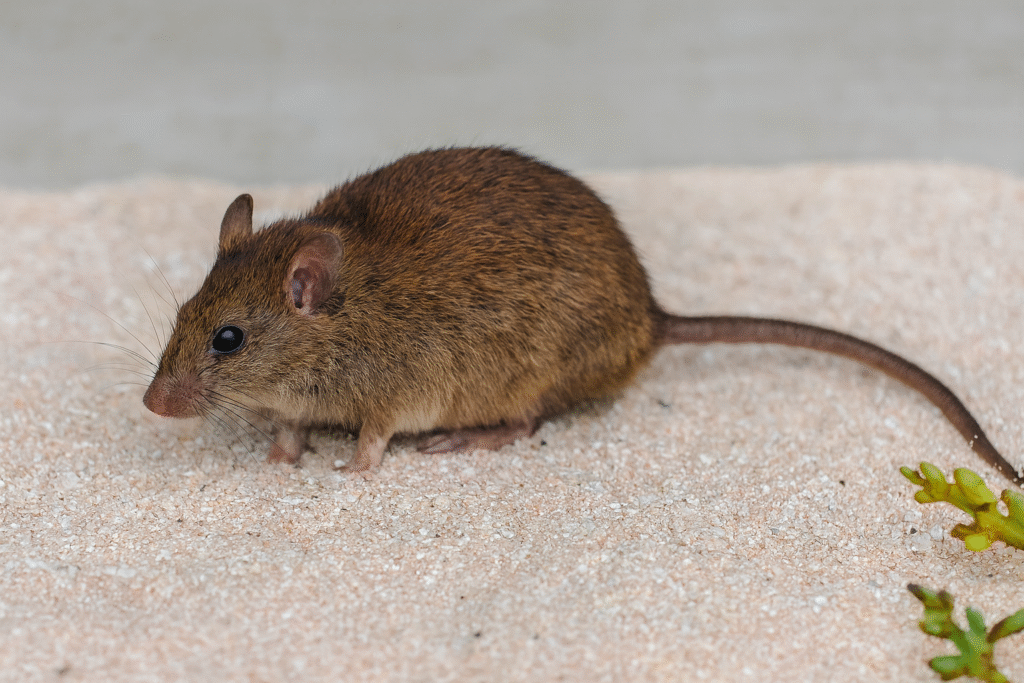
The Bramble Cay melomys, a tiny rodent that once lived on a remote coral cay in the Torres Strait, has now been officially declared extinct. Scientists had long warned that rising seas and stronger storms were destroying its only habitat, a low island barely above water. When exhaustive surveys failed to find a single surviving animal, it became clear the species was gone for good.

This marks a grim first in the modern era. It is the only mammal known to have vanished primarily because of climate change, and its loss has become a symbol of how fast warming seas can erase isolated life.

Read more

11 Dog Breeds With Legendary Scenting Powers

These noses can track what the human eye can’t.

©Image license via Canva

Some dogs were bred to guard, others to herd, but a select few were built for the art of scent. Their noses aren’t just sharp—they’re biological instruments capable of parsing one molecule out of billions. The average dog has around 300 million scent receptors. Humans have about five million. That’s like comparing a pocket flashlight to a searchlight on a helicopter.

Across centuries, these dogs have found lost children, fugitives, disaster survivors, and even disease. Their work stretches from police units to hospital wards, showing that a powerful nose is more than instinct—it’s science in motion.

Read more

10 Dog Breeds With the Shortest Lifespans, According to a Major Survey

Some breeds seem to burn out too soon.

©Image license via iStockt

Every dog lives with a ticking clock, but certain breeds seem to run out of time more quickly than others. A recent life-table survey of over 30,000 dogs in the UK, via VetCompass, identified stark differences in breed longevity, with flat-faced (brachycephalic) breeds disproportionately represented among the shortest-lived. The data show some breeds averaging lifespans well under ten years, while healthier lines stretch into the teens.

Such differences are not just trivia for breeders or owners. They reflect underlying health vulnerabilities tied to genetics, body structure, and breed standards. Below are ten breeds that the survey pegged as having the shortest life expectancies, along with the possible reasons they often struggle to live long.

Read more

Scientists Discovered Mars Has Ancient “Time Capsules” Beneath Its Surface

Hidden layers may record Mars’s climate history.

©Image license via Canva

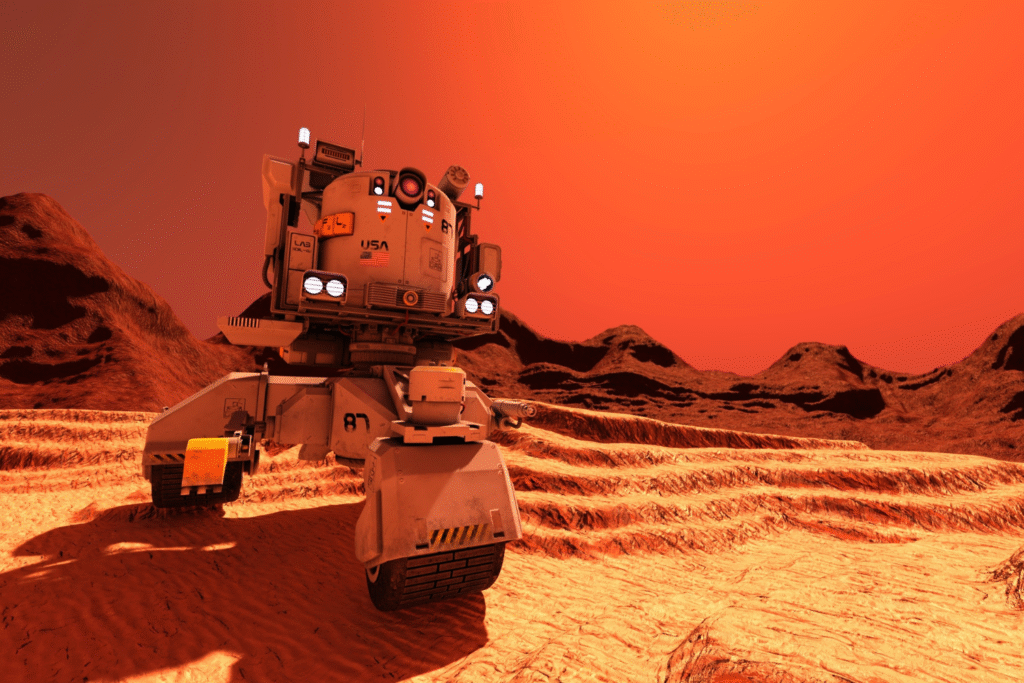
Mars might be playing the long game with its history, storing clues beneath its surface in thick layers of ice and dust that act like time capsules. Recent radar studies have revealed that in regions like the Medusae Fossae Formation near the equator, kilometers of buried water ice lie beneath layers of dust, preserving snapshots of past climate cycles and atmospheric shifts.

These ice-rich deposits aren’t just relics. They may chronicle epochs when Mars tilted differently, when its atmosphere was denser, and when water might have flowed more freely. Scientists see in those stratified layers a story that Earth can’t tell us about Mars’s changing face.

Read more