Gaps in detection systems leave humanity relying on luck more than readiness.
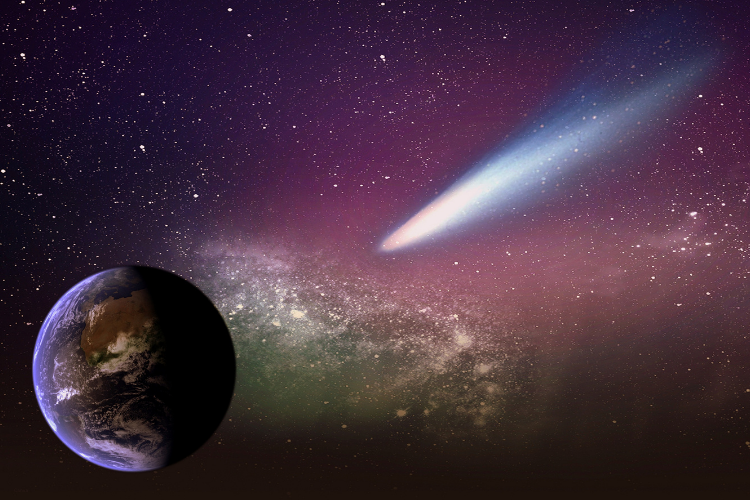
The last few months have offered a stark reminder of how fragile Earth’s defenses really are. NASA confirmed that a newly discovered asteroid, roughly the size of a football field, passed within 40,000 miles of Earth in early August—closer than many satellites. The unsettling part wasn’t its size but the fact that astronomers spotted it only two days before it zipped past.
That asteroid, cataloged as 2024 OK1, isn’t unique. Dozens of city-killer–scale rocks are detected only after they’ve already buzzed the planet. The weak spots in global monitoring systems—limited telescope coverage, poor southern hemisphere visibility, and patchy funding—mean Earth’s safety often comes down to chance. The data make clear that for now, the planet is playing catch-up with the solar system.