These Rats Are Saving Lives by Sniffing Out Landmines and Disease

What sounds like a bizarre science fiction plot is actually changing the world one sniff at a time.
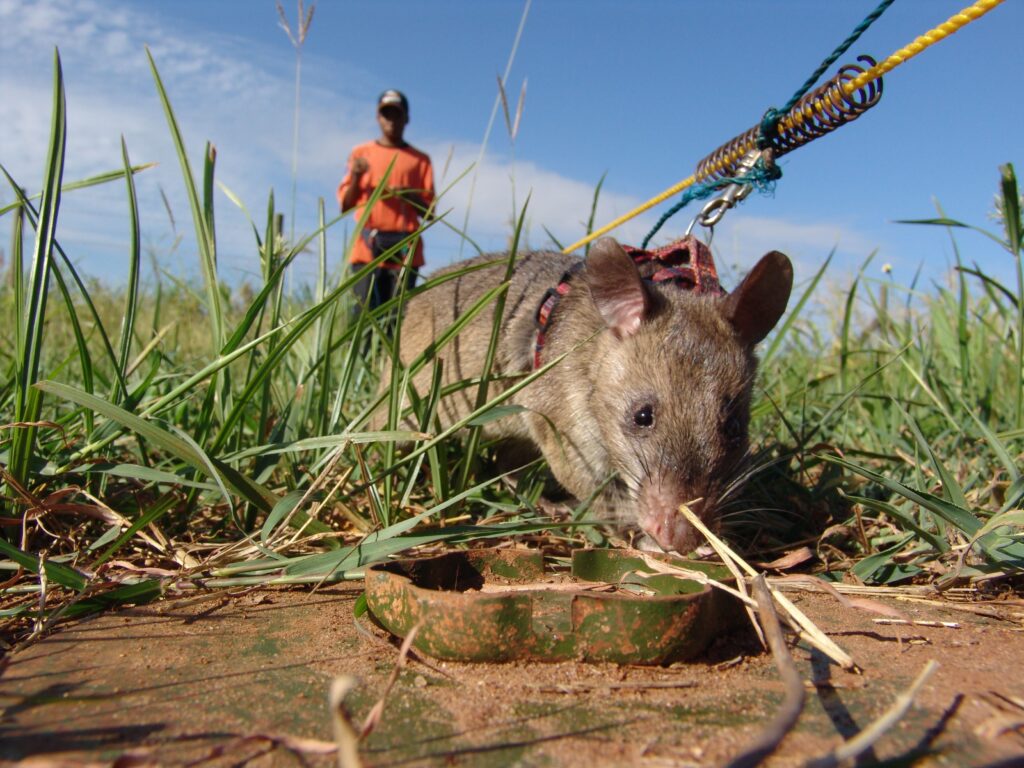
©Image credit to APOPO

Picture this scene that would make most people run screaming, but these furry heroes are literally sniffing their way through minefields and medical samples to save thousands of lives. The organization APOPO has turned African giant pouched rats into unlikely superheroes, training them to detect both buried explosives and tuberculosis with accuracy that puts many traditional methods to shame. These remarkable rodents have already helped clear over 155,000 landmines and identified more than 25,000 previously undiagnosed tuberculosis patients across multiple continents, proving that sometimes the smallest creatures can make the biggest difference.
Read more

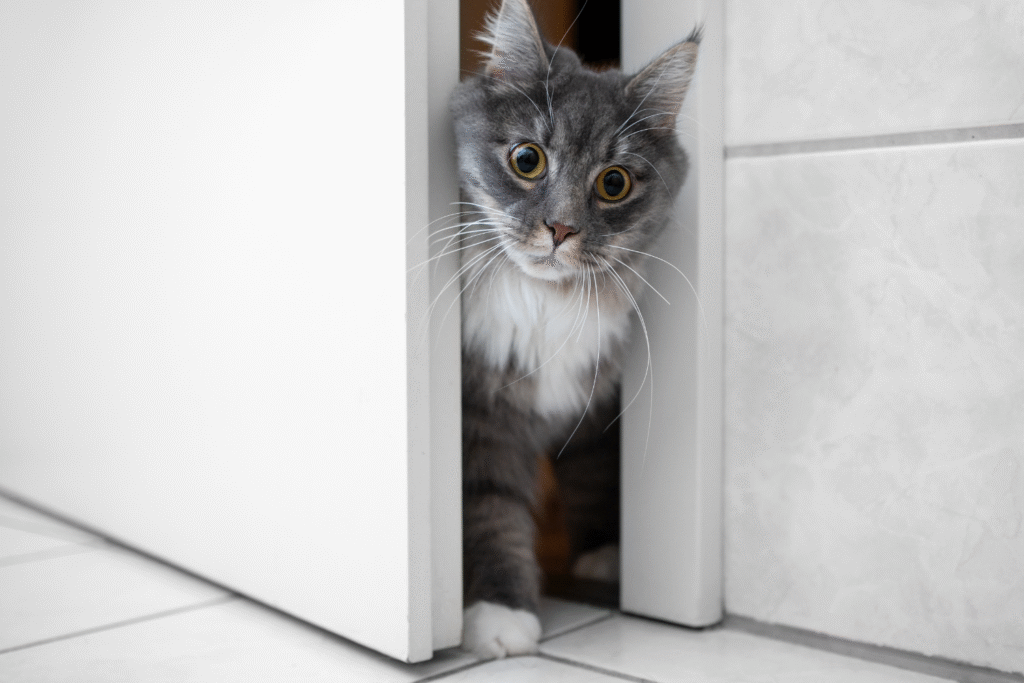
What It Means When a Cat Starts Avoiding Certain Rooms

Your feline friend might be trying to tell you something more serious than you think.

©Image license via Canva

Cats have this uncanny ability to sense things we can’t, and when yours suddenly refuses to enter the kitchen or bolts from the bedroom like it’s on fire, there’s usually more to the story than simple feline moodiness. These mysterious room boycotts aren’t just quirky cat behavior – they’re often your pet’s way of communicating something important about their health, your home environment, or changes that have them genuinely spooked. Understanding these silent messages could save you from bigger problems down the road.

Read more

Why Some Dogs Eat Grass Like It’s a Side Salad

Scientists are still scratching their heads over this surprisingly common canine mystery.

©Image license via Canva

Picture this: you’re walking your dog through the park when suddenly they stop, lower their head, and start munching on grass like it’s the most delicious thing they’ve ever tasted. Your first thought might be panic, wondering if they’re sick or missing something crucial from their diet. But here’s what researchers have discovered about dogs and their green obsession – it’s way more normal than you’d expect, though the exact reasons remain fascinatingly unclear. Studies show that most dogs have turned grass-eating into an art form, and while scientists have solid theories, the complete picture is still emerging.

Read more

Why Cities Are Using Trained Falcons Instead of Poisons to Control Pests

Discover how ancient hunting partnerships are solving modern urban wildlife problems more safely and effectively than chemicals.

©Image license via Canva

Cities worldwide are rediscovering an age-old solution to pest bird problems by employing trained falcons and hawks to manage populations of pigeons, seagulls, and other nuisance species. This practice, known as falconry-based bird abatement, uses the natural predator-prey relationship to create long-term behavioral changes in pest bird populations without relying on harmful chemicals or lethal control methods.

The shift toward raptor-based pest management reflects growing awareness of the environmental and health risks associated with traditional poisoning programs, along with recognition that biological solutions often prove more sustainable and cost-effective over time. As urban wildlife conflicts intensify, falconry offers a proven alternative that addresses both immediate pest problems and underlying ecological imbalances.

Read more

Global Temperatures Just Hit Record Highs: 10 Survival Tips To Keep Pets Safe

Your beloved pets are literally dying from the heat while you’re inside enjoying air conditioning.

©Image license via Shutterstock

The numbers don’t lie. 2024 shattered every temperature record in the books at 2.8°F above pre-industrial levels, and 2025 is tracking to become the second or third warmest year ever recorded. January already set a new global heat record despite La Niña conditions that typically cool the planet. This might seem like a small increase, but even these modest changes in global average temperature represent massive amounts of additional heat energy in Earth’s system, leading to more extreme weather events and dangerous conditions for both humans and pets. Emergency veterinary clinics are reporting unprecedented surges in heat-related pet deaths as approximately 7% of Earth’s surface experienced record warming in just the first six months of 2025. While we humans retreat to air-conditioned safety, our pets remain trapped in permanent fur coats with severely limited cooling options during what scientists are calling an accelerating climate emergency.

Read more