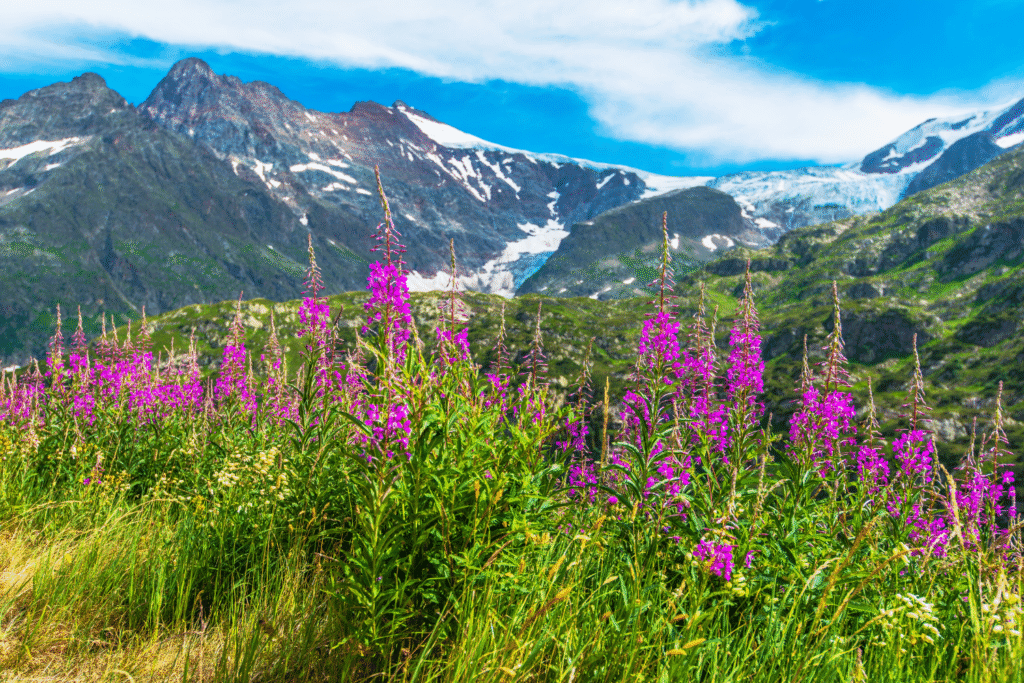
Switzerland’s Most Iconic Blooms Are Vanishing From Their Slopes

The change is happening faster than scientists expected.
©Image license via Canva

It doesn’t begin with something dramatic. There’s no single moment where the change announces itself, no clear before and after. The mountains still rise the same way, the trails wind through the same slopes, and at a glance, everything feels intact. But the longer you stay, the more you notice what isn’t quite lining up. The timing feels off. The colors don’t linger the way they used to. What once unfolded with quiet consistency now feels uneven, harder to predict. It’s not that the landscape has disappeared, it’s that something within it has started to slip, just enough to change the entire experience.

Read more

Pet Cloning Can Copy A Dog, But Not These 10 Things

The science works, but the outcome tells a different story.

©Image PetsnPals/AI generated image

The idea is almost irresistible. A way to reach back through loss and pull something familiar into the present again. Not a memory, not a photo, but something living, breathing, and undeniably close to what once was. It sounds like a loophole, a quiet defiance of goodbye. But the closer you get to how it actually works, the more that promise begins to shift. What seems like a return slowly reveals itself as something else entirely, something that looks right on the surface but carries a truth that’s far more complicated once you try to hold onto it.

Read more

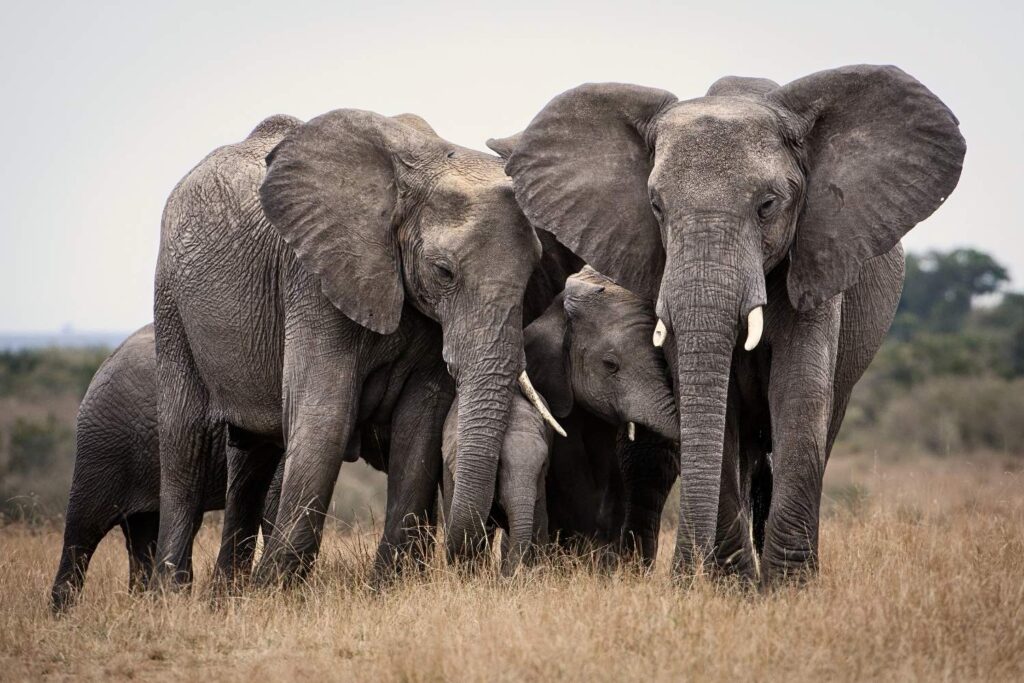
The Way Some Animals Respond to Death Feels Uncomfortably Familiar

What these moments reveal is unexpectedly profound.

©Image license via Canva

It begins in a way that feels familiar, a pause, a shift, something in the air that doesn’t quite move the same. But what follows isn’t what most people expect. There’s no rush to leave, no quick return to routine. Instead, something slower takes hold, something that looks almost intentional. The more these moments are observed, the harder they are to dismiss as simple instinct. What unfolds feels layered, deliberate, and deeply affecting. And once you see it happen, it becomes difficult to separate what we call human emotion from something that may not belong to us alone.

Read more

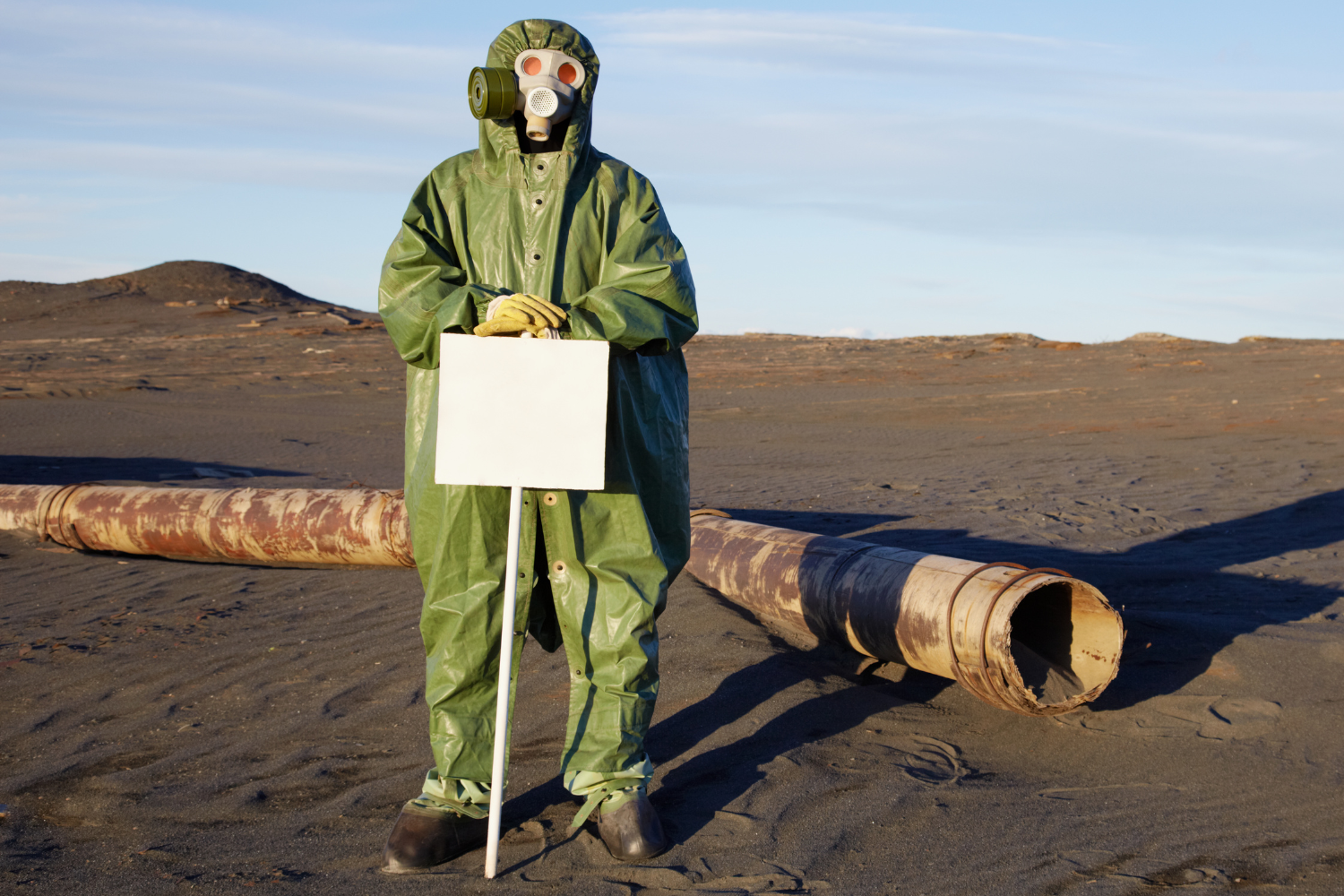
MIT’s Collapse Warning Is Looking Less Theoretical

Something in the data is no longer easy to dismiss.

©Image via Canva

For decades, the idea that modern civilization could collapse on a predictable timeline felt more like a thought experiment than a serious forecast. It was debated, criticized, and largely set aside as something too extreme to take literally. But as new data continues to come in, that old prediction is becoming harder to dismiss. Patterns that once looked theoretical are beginning to show up in real systems, quietly but consistently. The shift isn’t dramatic or sudden. It’s gradual, layered, and easy to overlook if you’re not paying attention. And that may be exactly why it’s so concerning.

Read more

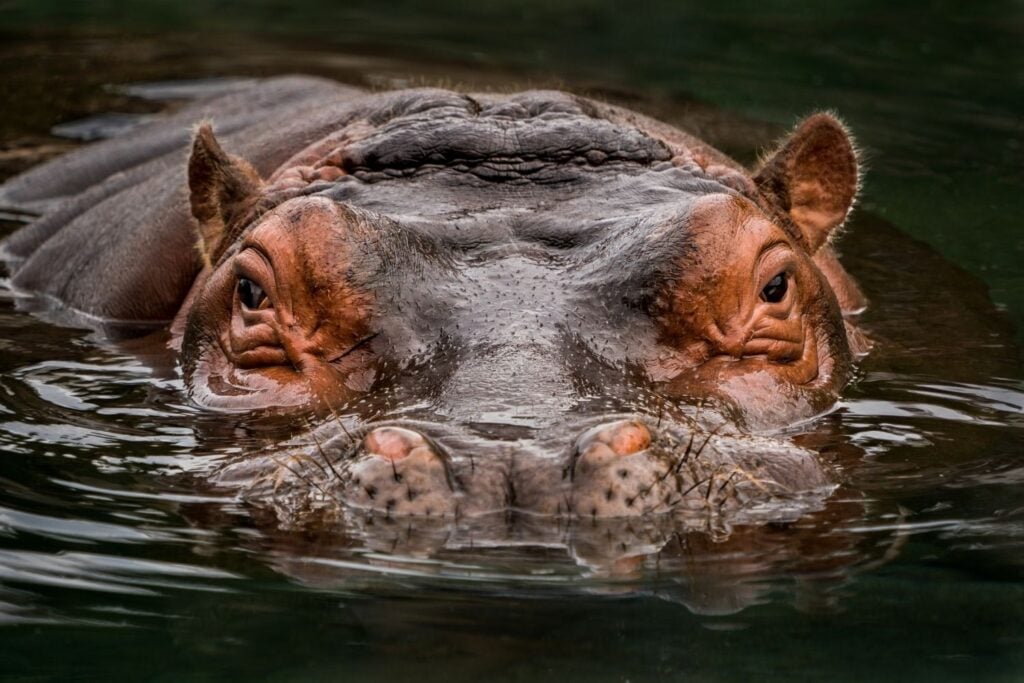
13 Animals That Can Turn Deadly Faster Than You Think

Some of the biggest threats don’t look dangerous at first.

©Image license via Canva

It’s easy to picture danger as something obvious, something large, loud, and impossible to miss. But the truth has a way of slipping past those expectations. Some of the most lethal encounters begin in ordinary places, with creatures that don’t immediately raise alarm. The risk isn’t always in how these animals look, but in how little warning they give. Across different environments, the patterns start to repeat, quiet presence, sudden contact, and consequences that escalate quickly. Once you start to notice where the real threats come from, it becomes harder to trust first impressions the same way again.

Read more