These 10 Dogs Outlive Everyone’s Expectations: Is Yours on the List?

Some breeds quietly refuse to follow the rules of time.

©Image license via Canva

Every dog owner dreams of more years, more walks, and more ordinary mornings that last longer than they should. But a few breeds seem to stretch time itself. They live beyond what science and statistics predict, often outlasting much larger dogs by years. Genetics helps, but lifestyle, diet, and stress resistance all shape their story.

Longevity in dogs reveals more than luck. Researchers studying canine aging have found that certain breeds show slower cellular decline, efficient metabolisms, and remarkable disease resistance. These dogs have learned how to endure, not by chance, but through quiet biological mastery that continues to intrigue scientists.
Read more

Glaciers Are Rapidly Vanishing Leaving Millions Wondering

The world’s frozen giants are melting faster than predicted.

©Image license via Canva

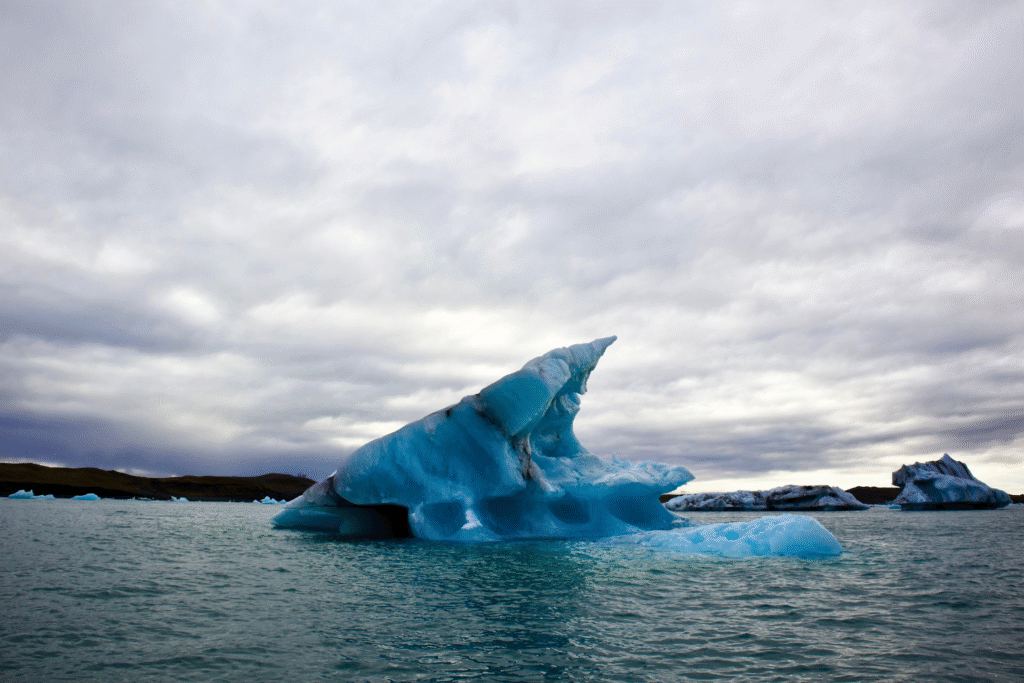
Across the planet, ancient ice is disappearing at a pace that even scientists find alarming. Glaciers, once steady and unshakable, are now shrinking so quickly that entire valleys, ecosystems, and communities are being forced to adapt in real time. The speed of this transformation is rewriting coastlines, altering rivers, and reshaping where and how millions of people live.

For those who rely on glaciers for water, power, and protection, the change is personal. From the Himalayas to the Andes, and from Alaska to the Alps, the loss of ice is no longer a future threat, it’s already rewriting the present.

Read more

Earth’s Infrastructure Is at Risk as Asteroid Monitoring Fails to Keep Pace

Scientists warn our defense systems are dangerously outdated.

©Image license via Canva

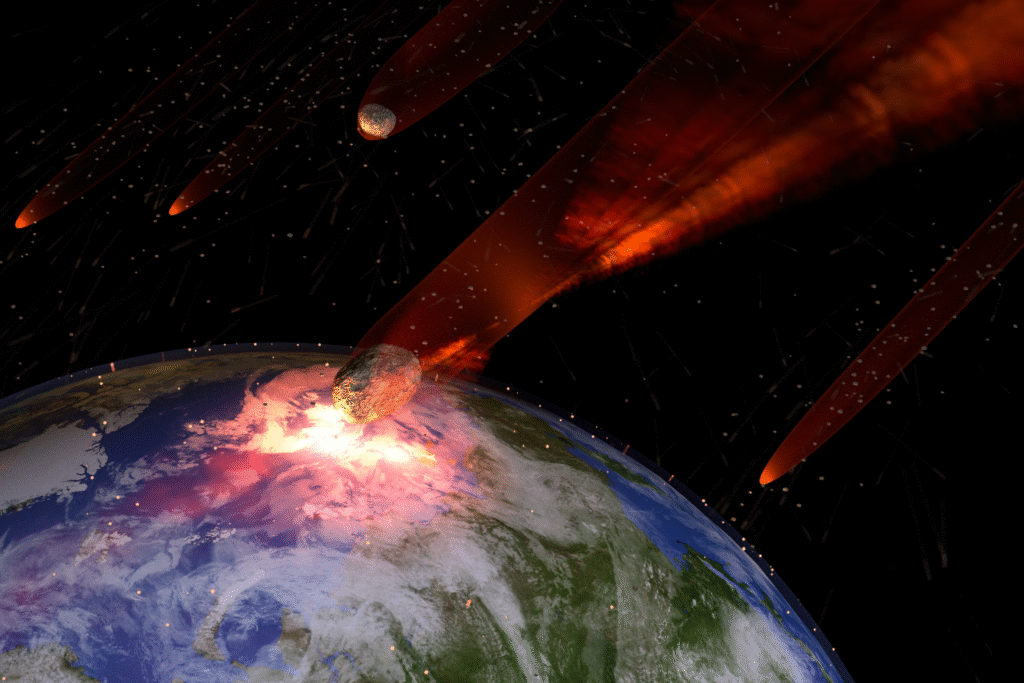
For decades, asteroid monitoring has been our planetary insurance policy, an invisible network of telescopes, satellites, and sensors meant to spot incoming threats long before impact. But the pace of discovery is slowing compared to the rapid expansion of near-Earth objects streaking through space. What was once a manageable watchlist has turned into an astronomical backlog, leaving critical infrastructure, power grids, satellites, communication lines, at the mercy of what we can’t see coming.

Even NASA admits the problem is widening. The challenge isn’t just about more rocks flying closer to Earth, it’s about fewer eyes capable of keeping up. From aging telescopes to budget stalls, the gaps are growing in every direction. The danger no longer feels hypothetical, it’s logistical.

Read more

12 Dog Breeds Linked to Higher Bite Risks, According to New Data

Certain breeds appear more in bite reports.

©Image license via Canva

Dog bites happen more often than many expect, and some recent analyses suggest certain breeds appear disproportionately in injury reports. Breed doesn’t tell the whole story—factors like training, environment, and handling matter hugely—but patterns have emerged when large datasets are examined.

Emerging studies point to breeds whose bites are both more frequent and more injurious. In sharing these, I’m not casting judgment, just highlighting where bite risk seems elevated so owners and communities can think more carefully about safety and prevention.

Read more

New Snake With Dozens of Teeth Is Named After Leonardo DiCaprio

A striking snake steals a celeb’s name.

©Image Credit Virender Bharadwaj via Mirza, Bhardwaj, Pal, Lalremsanga, Vogel, Campbell, Patel

A team of herpetologists has announced a new snake species in the western Himalayas, notable for its many teeth and distinctive features, and named Anguiculus dicaprioi in honor of Leonardo DiCaprio. The species was first observed in 2020, and detailed DNA and morphological work later confirmed it as new to science. Its name also recognizes DiCaprio’s long standing commitment to conservation and biodiversity.

This snake is small in size, about 22 inches long, and bears a copper tone, large nostrils, a short head, and a steeply domed snout. It inhabits high elevations up to roughly 6,100 feet across parts of Nepal and the Indian Himalayas.

Read more