Adorable or Problematic? 10 Things You Need to Know About Munchkin Cats

These short-legged cats spark heated breeding debates.
©Image license via Flickr/gatos yhumanos

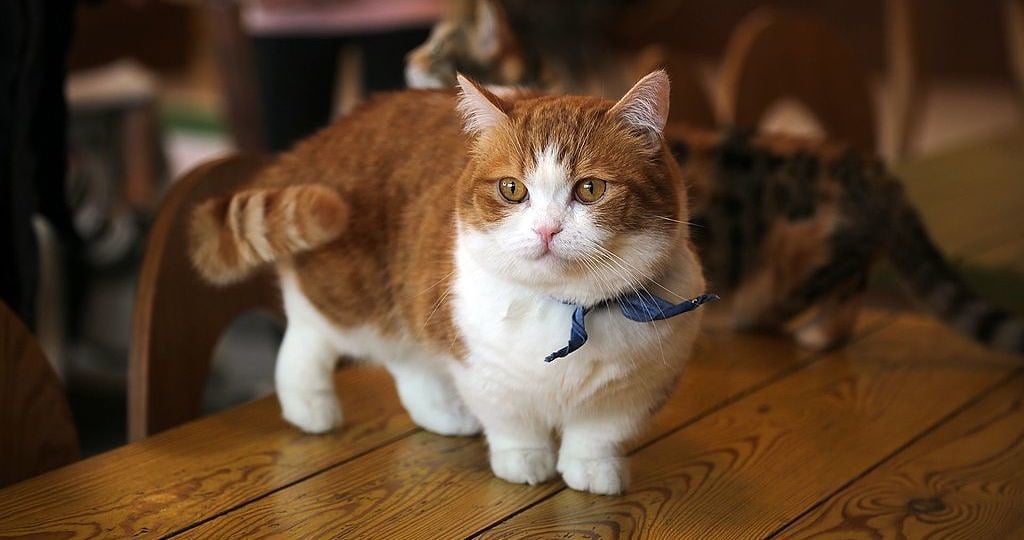
Munchkin cats have captured hearts worldwide with their stubby legs and kitten-like appearance that persists throughout their adult lives. However, beneath their undeniably cute exterior lies a complex web of genetic concerns, ethical debates, and health issues that every potential owner should understand. These controversial felines represent one of the most divisive breeds in the cat world, splitting opinions between those who find them irresistibly adorable and veterinary professionals who question the ethics of intentionally breeding cats with skeletal abnormalities.
Read more

More People Admit They’d Rather Cuddle a Pet Than Their Partner: 10 Reasons Why

Science explains our furry friend preferences clearly.

©Image license via iStock

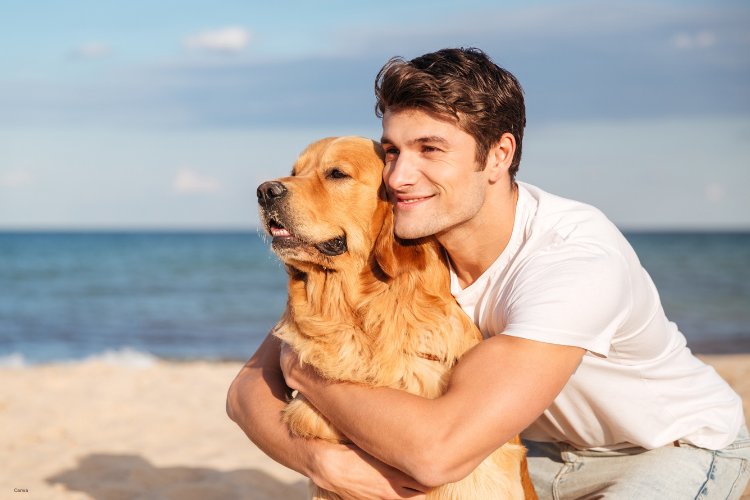
Modern relationships face an unexpected rival for affection, and it has four legs, a tail, and an irresistible urge to snuggle. Recent surveys reveal a surprising trend that’s reshaping how we think about intimacy and companionship in the digital age. A growing number of people openly admit they prefer cuddling their pets over their human partners, with studies showing that 66% of pet owners would choose their furry friends for comfort over their significant others. This phenomenon isn’t just about cute animals—it’s rooted in fascinating psychological and physiological mechanisms that reveal fundamental truths about human bonding, stress relief, and our deepest emotional needs.

Read more

Mootilda the Cow Ran From a Slaughterhouse, and Local Community Saved Her

Four-year-old bovine becomes Arizona’s most famous fugitive.

©Image license via Canva

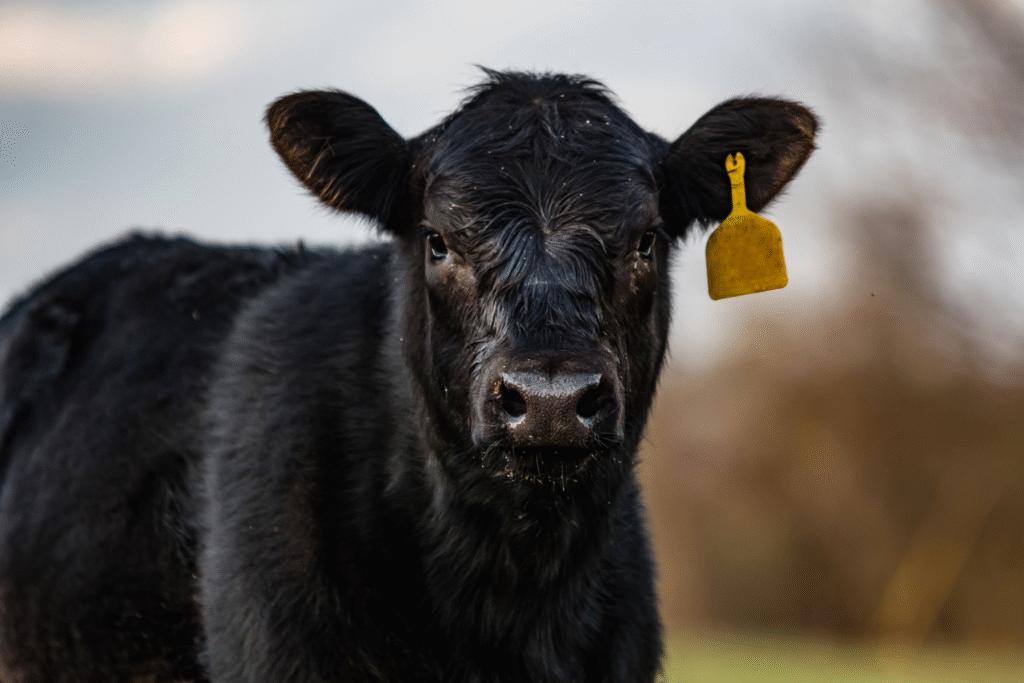
Sometimes the most extraordinary stories begin with a single moment of desperate courage. In August 2025, a four-year-old cow named Mootilda broke free from Miller’s Processing center in San Tan Valley, Arizona, and embarked on a three-mile sprint for freedom that would capture hearts across the nation. Her determined dash through scorching desert streets, caught on video and shared across social media, transformed an ordinary Tuesday into a community-wide rescue mission that raised $2,500 in just twelve hours to secure her permanent sanctuary.

Read more

10 Ways Mangrove Restoration Made Enemies Friends and Saved an Entire Community’s Economy

Trees underwater became gold mines for fishing families.

©Image license via Canva

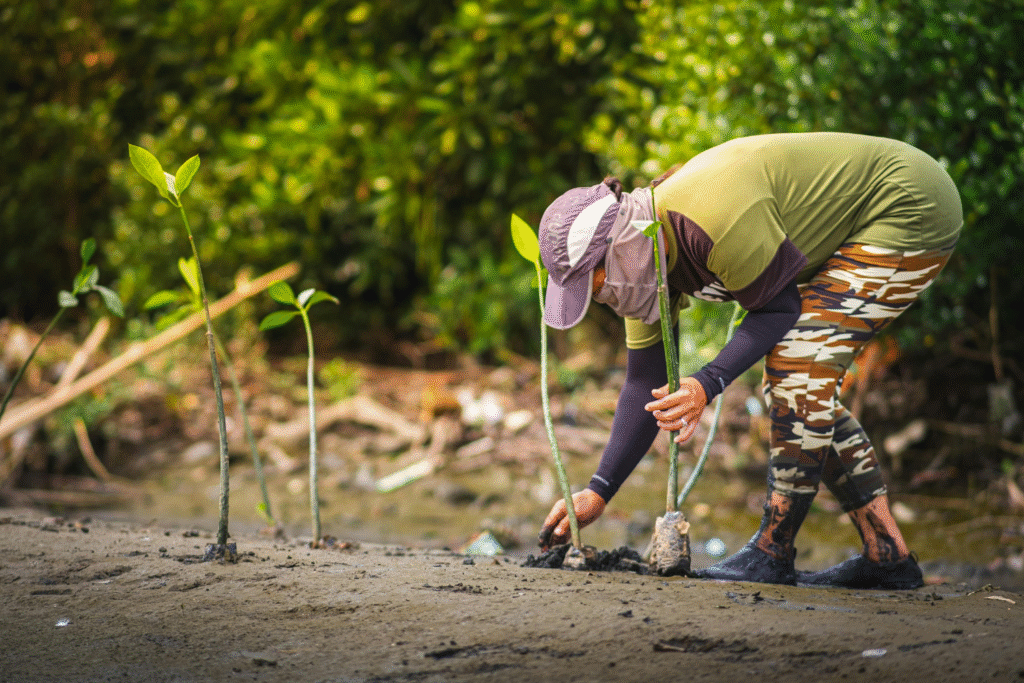
Picture an entire fishing community watching their livelihood disappear into murky, lifeless water. That’s exactly what happened along Mexico’s Pacific coast when decades of shrimp farming and coastal development destroyed thousands of acres of mangrove forests. The twisted, salt-tolerant trees that looked like nature’s afterthought turned out to be the foundation of everything. When the mangroves vanished, so did the shrimp, the fish, and the economic backbone of communities that had thrived on these resources for generations. But then something remarkable happened. Local fishermen, scientists, and government officials figured out how to bring it all back by replanting the very trees they’d once considered worthless obstacles to development.

Read more

The World’s Most Popular Pet Now Faces Scrutiny Over Its Ecological Footprint, According to New Data

Feeding and caring for dogs is shaping global emissions in surprising ways.

©Image license via Canva

Dogs are everywhere. From apartment balconies in Paris to ranches in Montana, they’ve become so embedded in human life that it’s easy to forget how many there are—nearly a billion worldwide. Yet their sheer numbers are drawing scientific attention, not because of their companionship but because of the ecological shadow they cast.

Recent studies are examining how pet food production, land use, and even waste disposal add up to a measurable share of global environmental strain. Researchers stress that no one is arguing for fewer dogs, but the conversation is shifting. Owning the world’s most beloved pet comes with hidden costs, and those costs are forcing a rethink of what sustainability looks like when man’s best friend is part of the equation.

Read more