Why Sea Lions Are Suddenly Showing Up Hundreds of Miles Inland

These marine mammals are trading ocean waves for river systems in record numbers.
©Image license via Canva

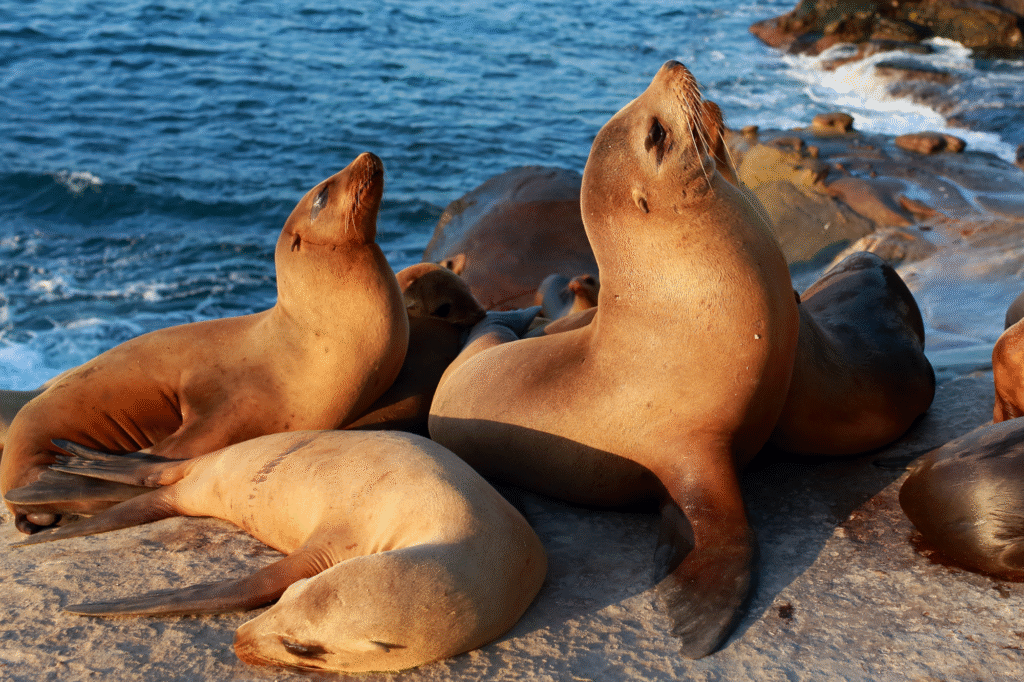
Picture a California sea lion basking on a dock in San Francisco Bay. Now imagine that same sleek marine mammal lounging beside a freshwater river 150 miles from the nearest ocean. This isn’t some fever dream or maritime tall tale—it’s becoming the new reality across the American West.

From the Columbia River to California’s Central Valley, sea lions are venturing deeper into inland waterways than ever before. Marine biologists are scrambling to understand why these typically coastal creatures are abandoning their saltwater homes for lengthy freshwater adventures that would have seemed impossible just decades ago.


Read more

Pet Surrenders Surge as Economic Hardship Forces Families to Give Up Beloved Animals

Behind every surrendered pet is a family story that rarely makes the headlines.

©Image license via Canva

The number is stark, but the stories hidden inside it are heavier. Across shelters nationwide, a 43 percent surge in pet surrenders has turned bustling lobbies into tear-stained goodbyes. Families that once considered their pets unshakable constants are now facing choices that never should have to exist.

For many, the heartbreak is not about love lost but money gone missing. Rising rent, climbing food costs, and stretched paychecks have left households staring at bills they cannot meet. The family dog or cat, once a symbol of comfort, too often becomes another sacrifice to survival.

Read more

Top 15 ‘They’re So Ugly They’re Cute’ Dogs

Every lopsided smile and scruffy face hides a charm you cannot ignore.

©Image license via iStock

Beauty in the dog world does not always look polished. Sometimes it waddles in with too many wrinkles, an underbite, or a patchy coat that seems stitched together in chaos. These so-called “ugly” dogs, the ones overlooked at first glance, often end up stealing the most hearts.

What makes them irresistible is not perfection but personality. Their quirks, their odd shapes, their unforgettable faces—those are what make people fall in love. These fifteen breeds and mixes prove that ugly can be the most beautiful kind of love.

Read more

Scientists Discover the Answer to the Climate Crisis Growing Under Our Feet

The solution to our planet’s biggest problem might be hiding right beneath our feet.

©Image license via Canva

While governments debate carbon taxes and corporations engage in elaborate greenwashing campaigns, researchers studying soil ecosystems have been quietly documenting something extraordinary: vast underground networks of fungi, bacteria, and root systems that sequester atmospheric carbon at rates that dwarf our most ambitious technological solutions. These subterranean webs span continents and store carbon in forms so stable they remain locked away for centuries, effectively removing greenhouse gases through biological mechanisms that scale automatically without requiring massive infrastructure investments. These underground communities actively recruit atmospheric carbon through coordinated efforts involving billions of microorganisms per gram of soil, processing and storing CO2 through processes so efficient they convert greenhouse gases into stable organic compounds within hours rather than decades.

Read more

Japan Dumps Radioactive Water Into The Pacific Amid Outcry From Scientists And Neighbors

Tokyo proceeds with controversial discharge despite fierce international opposition.

©Image license via Wikimedia Commons/Ministry of Land, Infrastructure, Transport and Tourism

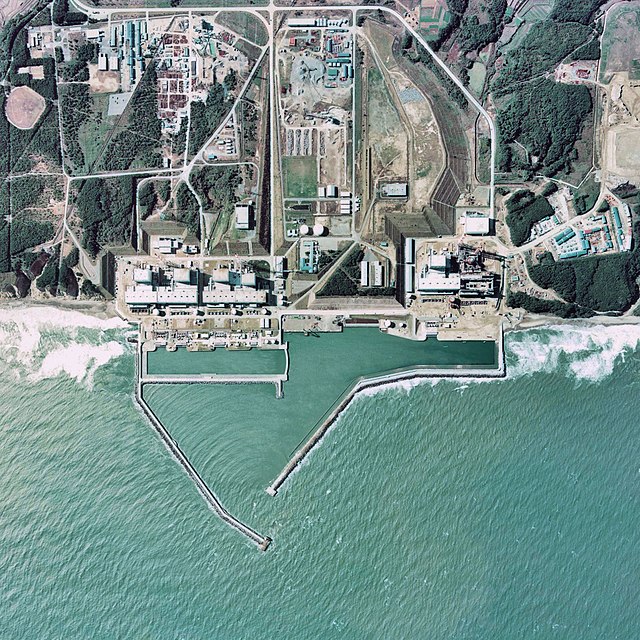
In 2023, Japan began releasing over one million tons of treated radioactive wastewater from the damaged Fukushima nuclear plant directly into the Pacific Ocean, ignoring protests from neighboring countries and environmental scientists worldwide. The water, contaminated during the 2011 nuclear disaster, has been accumulating in storage tanks for over a decade. Tokyo claims the water meets safety standards after treatment, but critics argue the long-term environmental consequences remain unknown. China immediately banned all Japanese seafood imports, while South Korea expressed grave concerns about marine contamination. The discharge process is expected to continue for at least 30 years, making this one of the largest radioactive releases into the ocean in modern history.

Read more