12 Dog Breeds That Were Meant for the Mountains And Are Now Stuck in Driveways

These dogs weren’t bred to wait around for you to finish your coffee.

©Image via Canva

There’s a particular type of dog that was built to scale cliffs, guard livestock on snowy ridgelines, or run ten miles without blinking. And somehow, they’ve ended up leashed to fences in suburban neighborhoods, watching the neighbor’s sprinklers instead of surviving avalanches. Mountain dogs weren’t made for stillness. But that’s where a lot of them are now—pacing behind backyard gates, under-exercised, misunderstood, and bored to the point of rebellion.

They aren’t bad dogs. They’re just in the wrong environment. You can’t take something wired for altitude, endurance, and instinct-driven work and expect it to thrive doing nothing. But that’s exactly what’s happening, over and over. These breeds were meant to live with purpose, not sit on porches. Here are twelve dogs who were bred for the peaks and are now losing their minds in cul-de-sacs, waiting for someone to remember what they were designed to do.

Read more

Fish Can’t Say No To Drugs-How Pharmaceuticals Found in 10 Wild Marine Animals Are Hurting Them

Some fish are showing signs of drug exposure that scientists never expected to find outside a pharmacy.

©Image via Canva

It’s not just plastic and oil changing what lives beneath the waves. In rivers, lakes, and coastal zones, fish are testing positive for everything from antidepressants to blood pressure meds. And they’re not swimming through it by accident. The source is us—our toilets, our showers, our prescriptions flushed, expired, or excreted, all making their way into the waterways. Wastewater treatment plants weren’t built to screen out trace pharmaceuticals. So the drugs we use for anxiety, cholesterol, or sleep are now mixing quietly into aquatic ecosystems, changing the behavior, chemistry, and survival of fish across the planet. It’s subtle. It’s cumulative. And it’s already happening faster than regulators can respond.

Read more

In Every Major Rainforest, At Least 12 Species Communicate Entirely Without Sound

While the rainforest roars with noise, these species stay completely silent—and still manage to say everything they need to.

©Image via Canva

Rainforests might be the loudest places on Earth, but some of their most fascinating creatures have figured out how to skip the noise entirely. No chirping, no howling, no warning cries. These animals rely on visual signals, body language, vibrations, scent trails, and even chemical cues to talk to each other. It’s not because they can’t make sound—it’s because in a place where everyone’s shouting, staying silent can actually give you the upper hand. From stealthy hunters to tiny insect social networks, this list proves that you don’t need a voice to get your message across. These 12 species are living proof that silence is not only golden—it’s strategic.

Read more

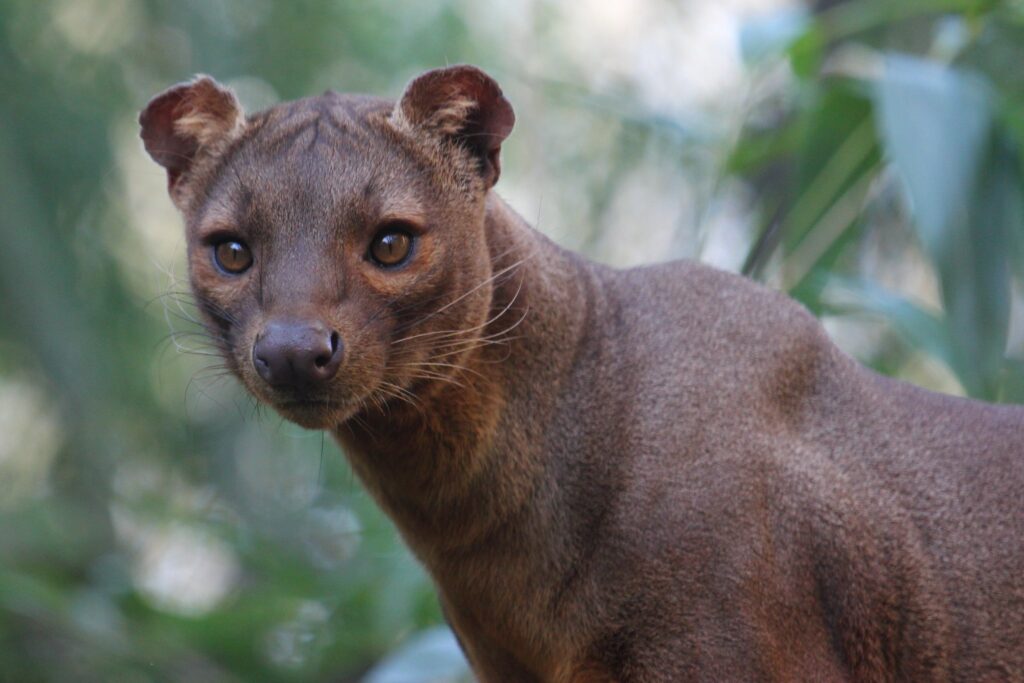
Fossas Have 10 Sneaky Hunting Strategies to Become Madagascar’s Most Elusive Predator

Most people don’t even know what a fossa is, but every lemur in Madagascar knows to run.

©Image license via Flickr / zoofanatic

At first glance, the fossa looks like nature couldn’t decide between making a big cat or an overgrown mongoose. Long, sleek, with a tail as long as its body, this predator doesn’t care about fitting into a neat animal category. It only cares about being an absolute menace to anything smaller than itself. In Madagascar’s forests, fossas are silent, persistent, and terrifyingly good at what they do.

They’re not flashy. You won’t see them roaring dramatically or chasing prey across open plains. Fossas are all about stealth, patience, and surprise attacks. They hunt smarter, not harder, using a toolbox of tricks that makes them nearly invisible until it’s way too late. Let’s take a look at how this weird, cat-dog-weasel hybrid became Madagascar’s most skilled and sneaky predator.

Read more

10 Reasons Why Aye-Ayes Tap on Trees Like Drummers and What They’re Listening For

Scientists are still amazed at how these eerie primates turned drumming into a survival skill.

©Image license via iStock

Most people have never seen an aye-aye, and those who have probably walked away thinking they just encountered something from a Tim Burton fever dream. But there’s more to these scraggly, wide-eyed lemurs than meets the eye. Their bizarre drumming habit isn’t random or for show. Aye-ayes tap on trees for reasons that run deeper than curiosity, using a technique so unique that some researchers have compared it to echolocation with a percussive twist. They don’t just drum—they listen, analyze, and make dinner decisions based entirely on the hollow echoes bouncing back at them. It’s weird, smart, and wildly effective, even if it looks a little creepy.

Read more