
Surf hazard warnings have raised serious safety concerns.

Across parts of California and Oregon, officials have been issuing urgent messages to the public about entering the water. Some messages are due to unusually powerful sneaker waves, others because hidden currents and rough surf create unpredictable conditions that can pull even experienced swimmers into danger. Those advisories have popped up repeatedly in recent weeks, affecting multiple coastal counties. For residents and visitors alike, the ordinary rhythm of beachgoing has become fraught with uncertainty, and safety officials are stressing caution in ways that go beyond routine seasonal advice.
1. Officials warn sneaker waves threaten California beaches.
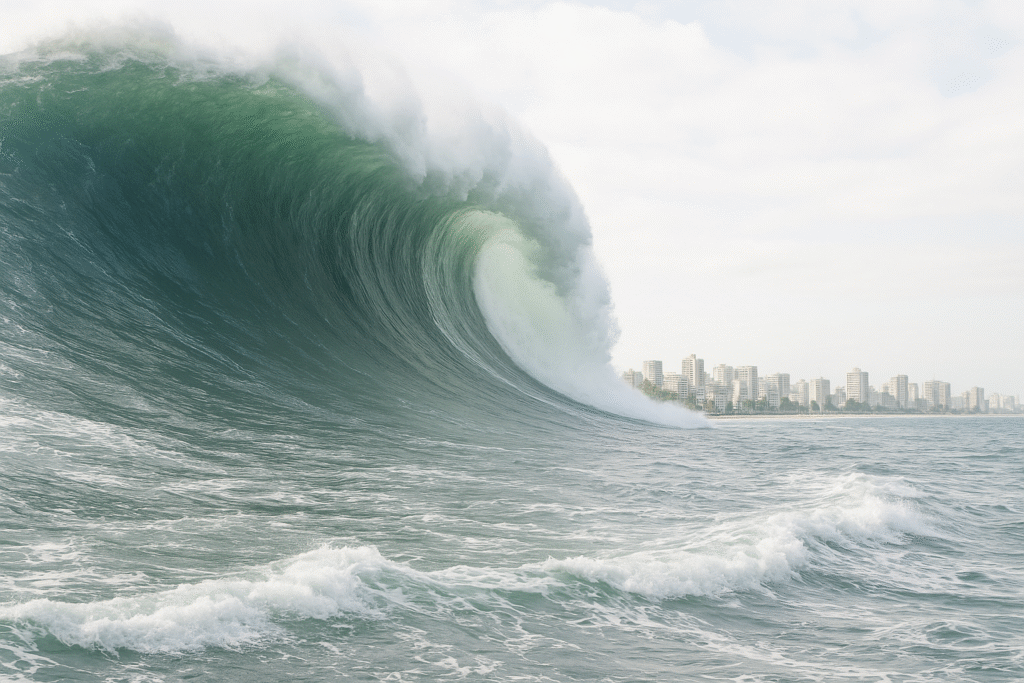
Unusual ocean behavior has triggered urgent advisories along parts of California’s coastline, warning people to stay out of the water and away from rocks and jetties. These warnings apply even during clear weather, when the ocean appears calm but remains unpredictable. The concern centers on sudden wave surges that arrive without visual warning.
Beach hazard statements issued by forecasters highlight the danger of sneaker waves capable of sweeping people into the surf, according to the National Weather Service. Officials stress that these waves can strike well beyond the normal shoreline, leaving little time to react once water begins surging inland unexpectedly.
2. Oregon beaches face heightened danger from powerful surf.
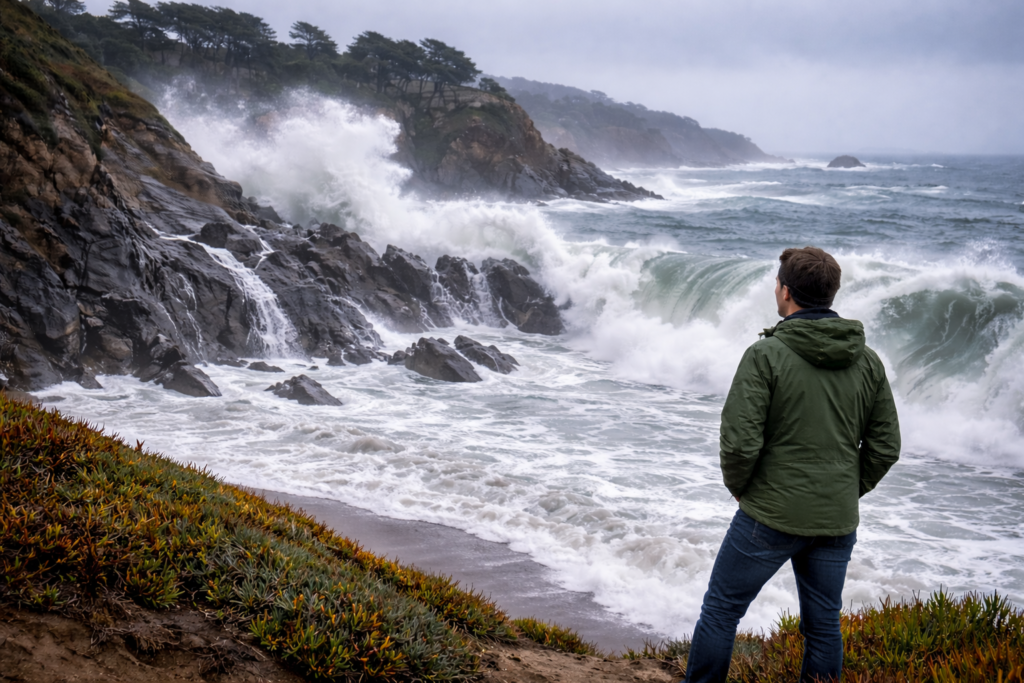
Along Oregon’s southern and central coastline, officials have issued advisories urging beachgoers to avoid entering the water altogether. These warnings reflect wave conditions capable of knocking people off balance or pulling them offshore, particularly near jetties, headlands, and exposed beaches.
State and local agencies have echoed concerns about unstable surf patterns and unpredictable wave timing, as stated by the Oregon Parks and Recreation Department. Authorities emphasize that even experienced swimmers and coastal visitors face elevated risk, especially when swell energy increases without obvious surface indicators near shore.
3. Rip currents increase risks across both states.

In addition to large waves, rip currents are compounding dangers along stretches of the California and Oregon coasts. These fast moving channels of water can form quickly and pull swimmers away from shore before they realize what is happening, even during moderate surf conditions.
Lifeguards and coastal safety officials report that rip currents remain difficult to spot from land, as reported by SFGate. Once caught, swimmers often panic or tire quickly. Authorities stress that avoiding the water entirely during advisory periods is the most reliable way to prevent these incidents.
4. Unsettled weather patterns fuel unpredictable surf events.
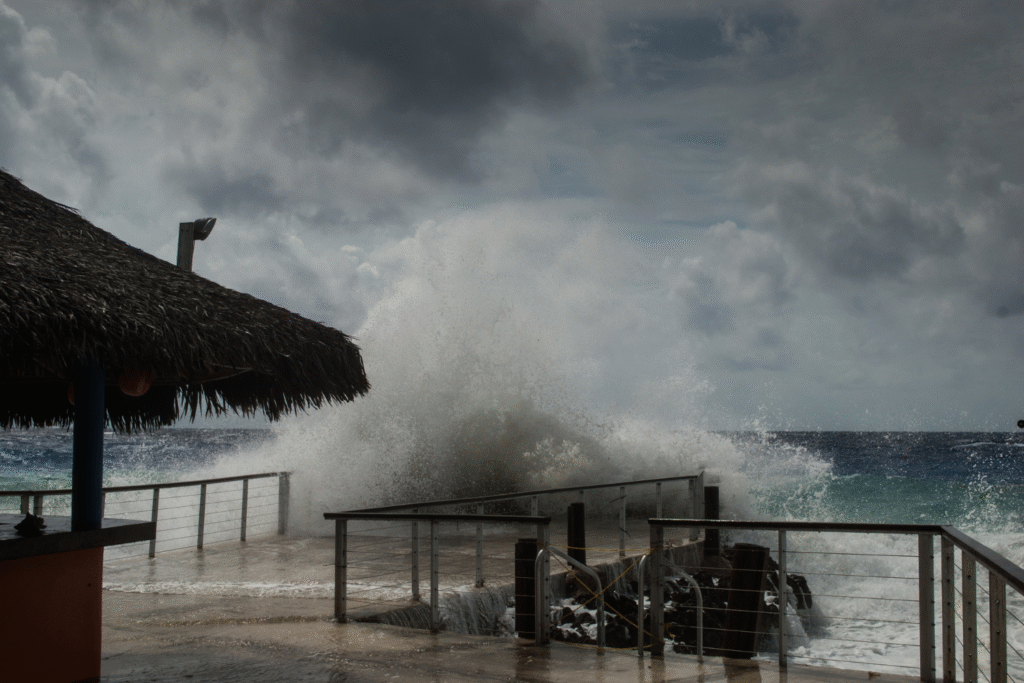
Weather systems off the Pacific have shown unusual volatility, with shifts in swell direction, offshore lows, and storm remnants interacting near coastal waters. That interplay can create surf events that are both powerful and hard to anticipate.
Storm-driven swells, even when distant, send energy toward the shore that reconfigures currents and wave behavior. This increases the potential for sneaker waves and strong undertow beyond what typical daily forecasts might suggest. Monitoring independent of local beach conditions has become part of official advisories.
5. Lifeguards face more unpredictable rescue scenarios.

Emergency responders along the coastline are reporting rescues under circumstances that deviate from familiar patterns. Incidents occur further from typical surf zones, with people being caught in unexpected surges or pulled from seemingly benign water.
The variability complicates rescue strategy because conditions that appear safe at one moment can deteriorate quickly. Lifeguards are adjusting patrol patterns and messaging to keep pace with dynamic surf and current conditions, emphasizing that caution applies to all coastal use, not only swimming.
6. Historical data shows sneaker waves can strike without warning.

Sneaker waves have long been part of Pacific coastline risk, but recent forecasts suggest more frequent or powerful events. These waves can combine with undertow to reduce reaction time before a person is overwhelmed.
Local emergency managers cite past incidents where unsuspecting visitors were swept from beaches or rocks with little prior sign. Even low tide does not preclude sudden wave surges. The unpredictability embedded in current advisories reflects concern about conditions that can change rapidly without clear precursor events.
7. Tourism patterns complicate public safety messaging.

California and Oregon beaches attract residents and tourists alike, especially during holiday windows or mild weather breaks. Officials now must balance encouraging recreation with serious warnings that cut against instinctive behavior on sunlit shores.
Messaging struggles to compete with visuals of calm surf or warm air. Yet beaches that appear inviting can hide undertows and channeling currents. Visitors unfamiliar with local patterns face risk simply because routine beach imagery contradicts official warnings about water avoidance.
8. Social media posts show people close to dangerous waves.

Despite warnings, photos and videos of people near the water surface continue to circulate online, complicating public perception of risk. Even still images or unguarded feet at the surf’s edge can encourage misinterpretation of safety.
Officials respond by amplifying guidance that no visual calmness equates to safety. Sensors, tide models, and wave height data provide context that cannot be captured by a single snapshot. The persistence of risky behavior underscores how challenging it is to align perception with rapidly shifting ocean dynamics.
9. Seasonal patterns may extend hazardous conditions.
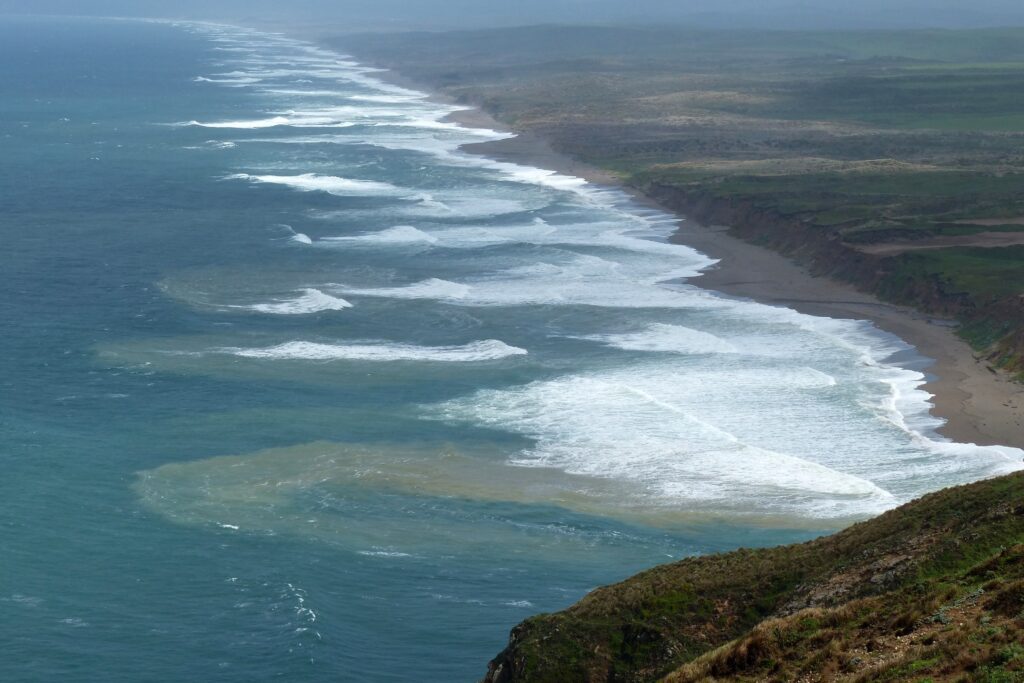
Ocean temperature gradients and atmospheric oscillations this season suggest that waves and current patterns may persist longer than typical beach season anomalies. Forecasters are watching for indications of sustained elevated wave energy.
If established patterns hold, agencies may adjust advisories beyond isolated events, incorporating longer term signals into safety frameworks. The goal remains avoiding reactive statements after incidents occur, instead informing the public proactively about conditions that do not fit usual recreational expectations.
10. Officials emphasize water avoidance until clarity improves.
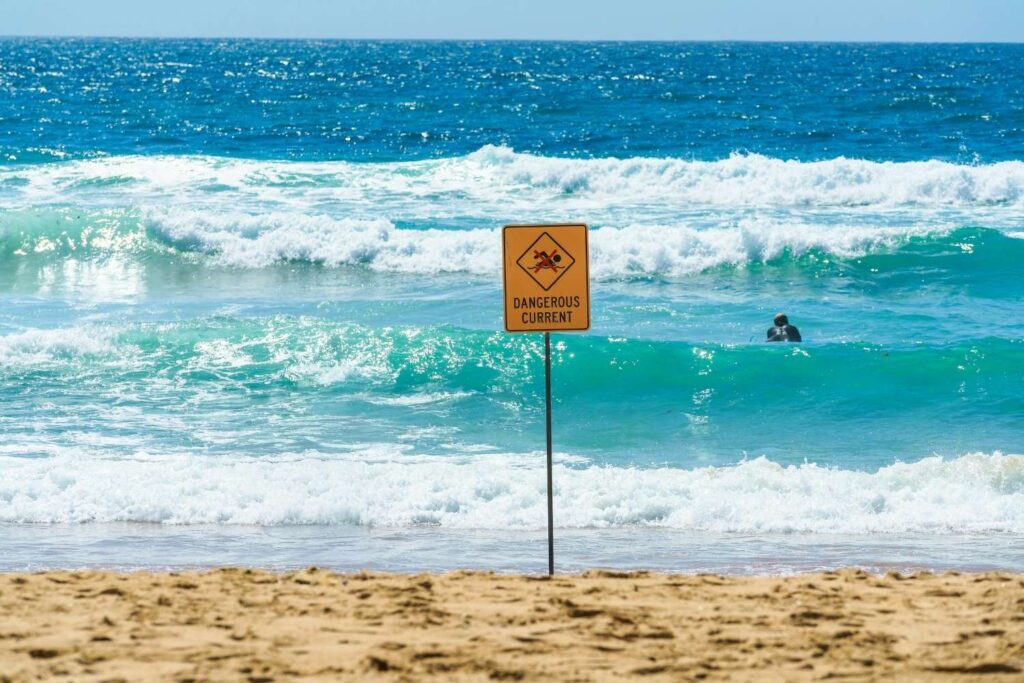
With multiple forces combining—sneaker waves, rip currents, and unsettled swell—officials increasingly stress that entering the water remains unsafe until clear improvement signals emerge. This emphasis goes beyond local intuition to technical assessments reflecting risk.
Rather than suggesting limited activity zones, guidance now consistently directs people to remain out of the water entirely during advisory periods. Authorities are coordinating forecasts, sensor data, and patrol reports to update the public as conditions evolve and uncertainty persists along both California and Oregon coasts.