
Japan’s record bear surge is leaving rural towns terrified.

Across northern Japan, a wave of brutal bear encounters has left one person dead and four others seriously injured in less than a week, part of a year that has already shattered national records for attacks. The bears involved are a mix of Asiatic black bears in Honshu and Ezo brown bears in Hokkaido, two species now crossing paths with people more often as food sources dwindle and forest boundaries blur. Officials are calling it one of the most dangerous years on record for human–bear conflict in Japan.
1. One fatal attack unfolded in Akita’s remote mountains.

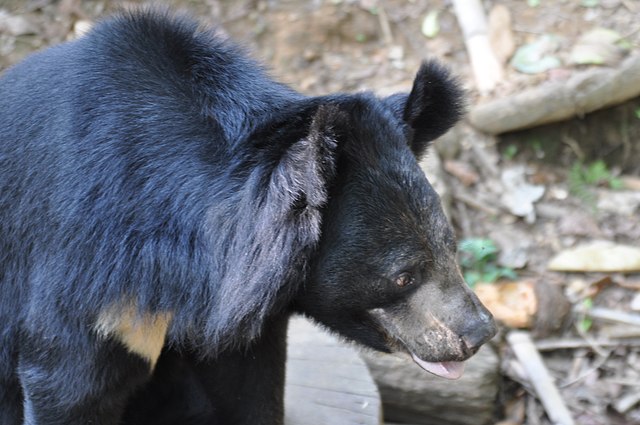
A farmer in Akita Prefecture was fatally mauled while tending crops in a wooded valley, as reported by CBS News. Three others who rushed to help suffered serious injuries before wildlife patrols could arrive. Authorities identified the attacker as an Asiatic black bear, a species native to Honshu that has grown bolder this year. These bears, smaller but unpredictable, have been showing up near homes and farms more frequently as acorns and beechnuts disappear earlier in the season.
2. A separate attack in Toyama added to the toll, as discovered by officials.
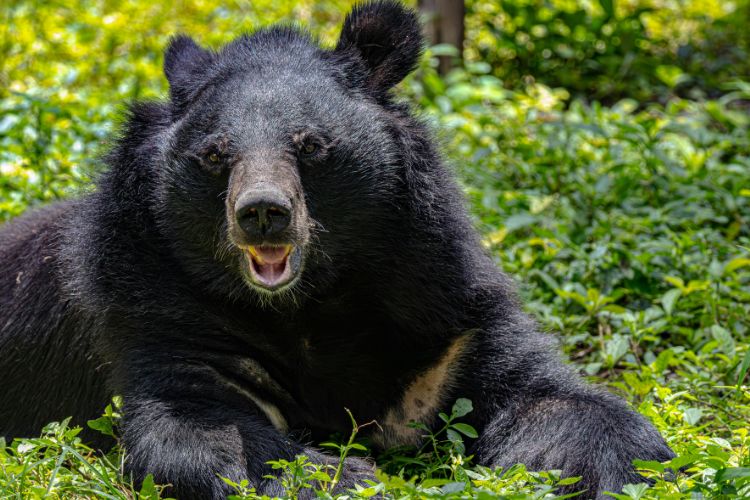
Only days later, a seventy-two-year-old woman collecting wild vegetables in Toyama Prefecture was attacked and injured by what local authorities confirmed was another Asiatic black bear. That brought the injury count for the week to four and the total fatalities for the year to at least nine, making 2025 the deadliest year on record for bear encounters in Japan, according to government tallies. Residents across the Hokuriku region are being urged to avoid forest edges and travel in groups.
3. Hokkaido’s brown bears are also contributing to the crisis.
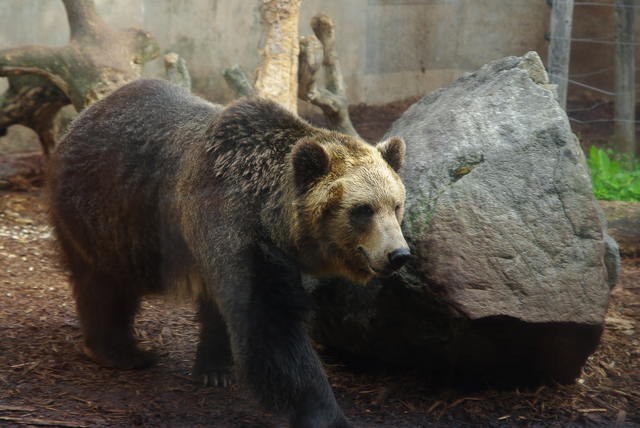
As stated by Japan’s Environment Ministry, Ezo brown bears—larger and far more powerful than their black bear cousins, have been responsible for several recent deaths in Hokkaido this year. These attacks have alarmed residents who are used to seeing bears from a distance but rarely experiencing aggression. Warming winters, early snowmelt, and shrinking salmon runs are pushing the brown bears closer to human settlements in search of food. Hunters say even normally shy bears now linger near roads and fishing camps.
4. Bears are increasingly showing up inside rural towns.

What used to be fleeting sightings in the hills are now close-range encounters near bus stops, schools, and small grocery stores. Locals in Akita, Iwate, and Aomori report bears rummaging through garbage, crossing streets at night, and even entering storage sheds. Surveillance footage shows them wandering through deserted streets at dawn. For small villages, where aging populations live close to forest edges, this encroachment is both frightening and disruptive to daily life.
5. Experts say the problem traces back to food shortages.

Ecologists point to poor harvests of natural bear food sources, like beechnuts and chestnuts, combined with human encroachment on forest lands. With less to eat, bears are traveling further for calories and learning that farms, orchards, and trash sites are easy options. Japan’s record-warm autumn has also delayed hibernation schedules, keeping bears awake and hungry later into the season, which magnifies the risk of attacks during human outdoor activities like harvesting and hiking.
6. Authorities are deploying hunters and issuing emergency alerts.

Prefectural governments in Akita and Toyama have authorized licensed hunters to track and remove aggressive bears. Drones equipped with thermal cameras now patrol wooded outskirts, while loudspeaker warnings echo through mountain towns each morning. Schools are adjusting schedules to avoid early dawn hours when bears are most active. It’s an all-hands effort, but officials admit they’re racing against nature—and public fear—to keep rural communities safe.
7. Locals are adapting their daily lives in subtle, anxious ways.
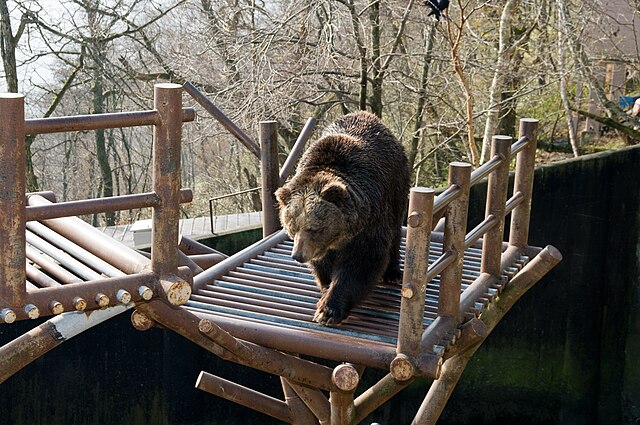
Families are carrying bells, talking louder on trails, and avoiding solitary walks through the countryside. Farmers now work in pairs or postpone tasks until daylight peaks. In towns like Kazuno and Odate, children walk to school in groups while adults shadow from behind. Even the soundscape has changed: windchimes and radios have replaced quiet pathways, all part of a growing effort to make human presence known before a bear’s curiosity turns fatal.
8. Economic fallout is spreading through farm and tourism sectors.

The attacks have scared off foragers and hikers, shrinking seasonal tourism revenue that small towns rely on. Farmers in northern Japan are reporting crop losses from bears breaking into fruit orchards and beehives. Livestock herders have started fencing at costs they can barely afford. For regions already battling population decline and rural poverty, this new wildlife crisis adds another strain to fragile local economies.
9. Japan’s government is rethinking long-term coexistence policies.
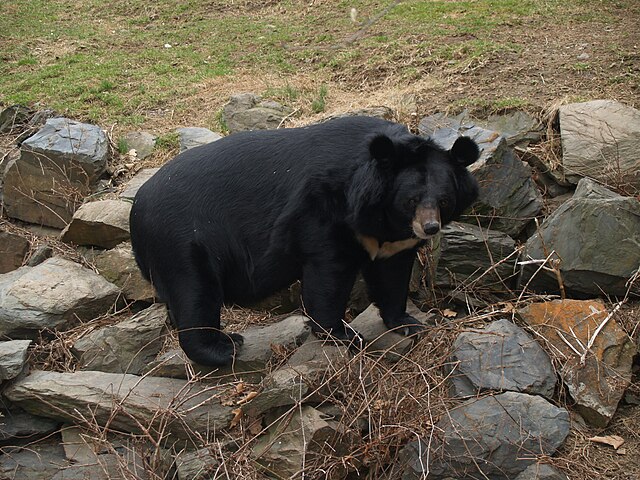
After years of promoting peaceful wildlife coexistence, Japan’s Ministry of the Environment is considering stricter control measures. These include earlier hunting seasons, relocation programs, and increased funding for wildlife monitoring networks. Conservationists warn, however, that indiscriminate culling could destabilize bear populations further. The debate now sits at the crossroads of safety, ecology, and national identity in a country long defined by its harmony with nature.
10. A nation once proud of peaceful wilderness faces hard questions.
For decades, Japan’s relationship with its wild bears was built on respect and distance. But as forests grow quieter and mountains yield less food, that balance is faltering. Communities from Hokkaido to Honshu now live with a new rhythm—one where the rustle in the trees might mean danger. What happens next will depend on how Japan adapts, not only to its bears, but to a changing climate that keeps pushing wildlife closer than anyone ever imagined.