
The wrong match can change everything.
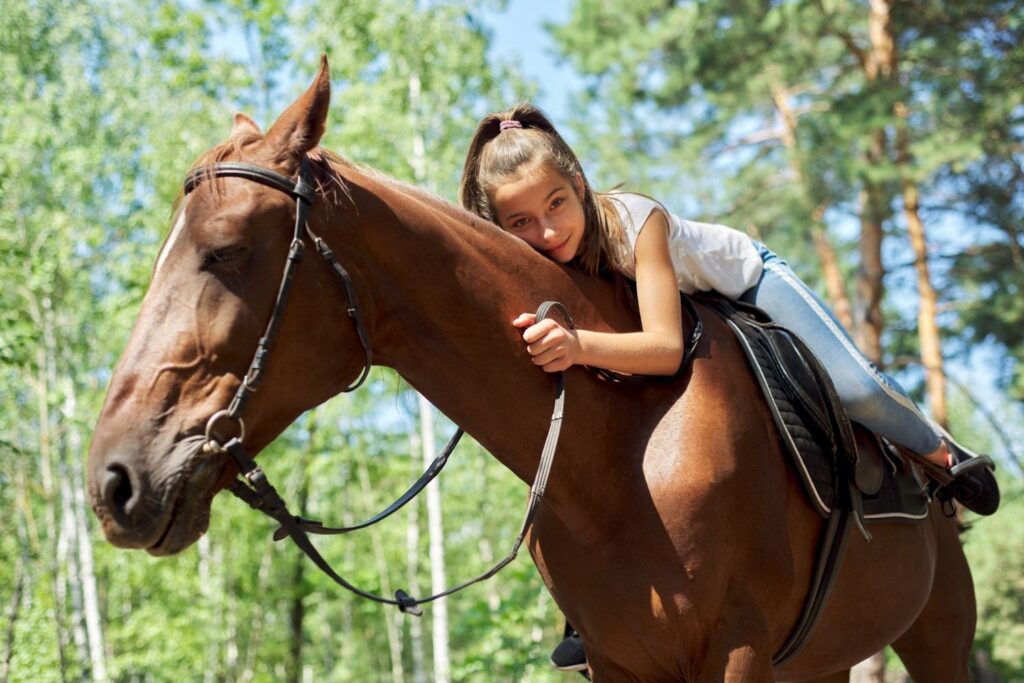
Choosing a horse is not just about beauty or tradition. For a new rider or someone returning to the saddle later in life, the wrong temperament or gait can turn confidence into hesitation fast. Balance, predictability, and trainability matter more than flash. Across centuries and continents, certain breeds earned reputations for steadiness under pressure. Their history was not built on spectacle. It was built on reliability, and that distinction still matters in modern arenas and quiet trail systems.
1. The American Quarter Horse rarely surprises beginners.

Developed in the American colonies and refined in Texas cattle country, the American Quarter Horse became known for its calm disposition and quick responsiveness. Ranchers depended on horses that could think clearly around livestock and remain steady under sudden movement.
Today, that same temperament benefits beginners. Quarter Horses typically display level headed behavior and adaptability across disciplines, from trail riding to western pleasure. Their compact build and balanced gaits contribute to rider security, especially for those rebuilding confidence.
2. Morgan horses carry centuries of dependable breeding.
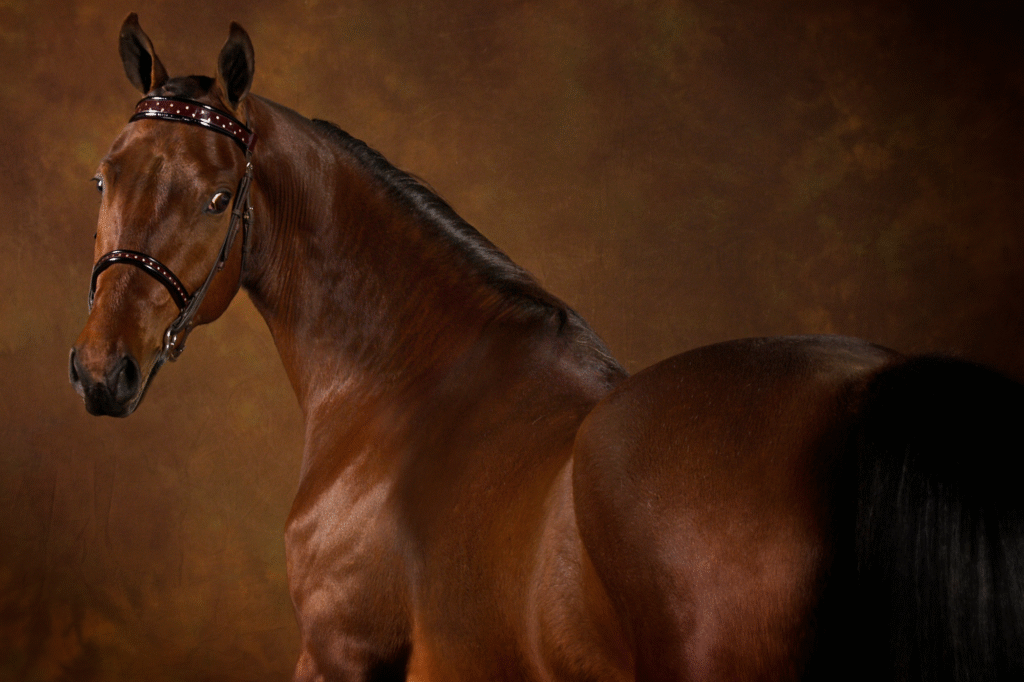
Originating in Vermont in the late eighteenth century, the Morgan traces back to a foundation stallion known for strength and willingness. Early farmers relied on Morgans for plowing, pulling, and riding, demanding versatility.
Modern Morgans maintain a reputation for trainability and people oriented behavior. Their moderate size and smooth gaits often suit aging riders seeking manageable mounts without sacrificing presence. The breed’s history reflects selection for cooperation rather than volatility.
3. Icelandic horses offer unmatched gait smoothness.

Brought to Iceland by Norse settlers over a thousand years ago, Icelandic horses developed in isolation. Strict import laws preserved genetic purity and consistent temperament traits.
Their additional gaits, including the tölt, provide remarkably smooth riding experiences. For aging riders concerned about joint impact, that steady rhythm reduces strain. Icelandics are also known for resilience and calmness in varied terrain, enhancing safety.
4. The Haflinger balances strength and gentleness.
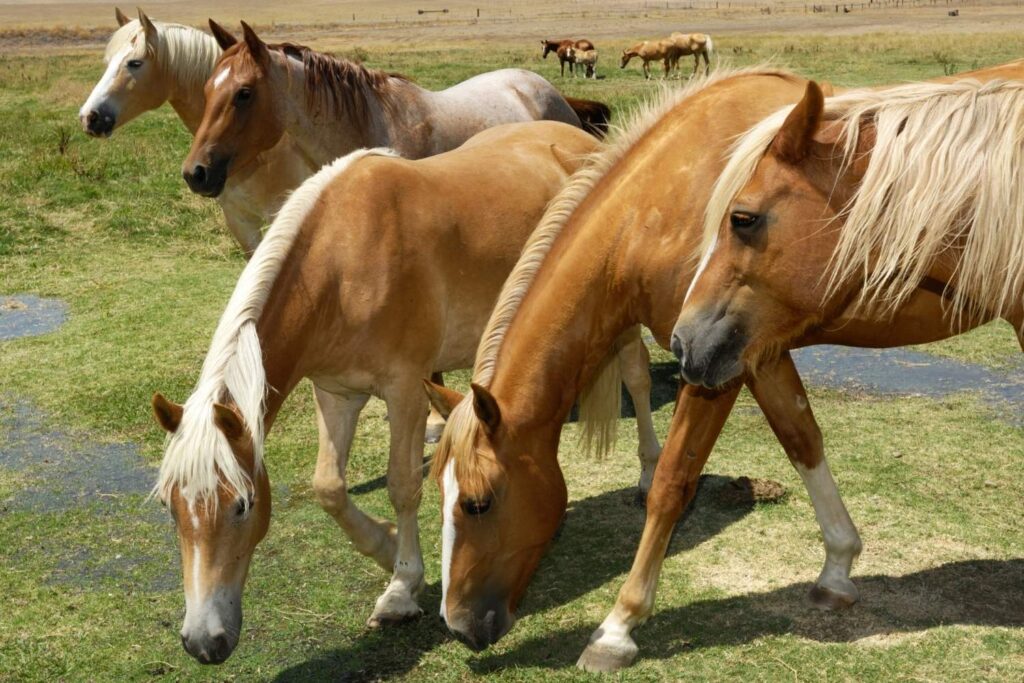
Originating in Austria and northern Italy in the late nineteenth century, Haflingers were bred as mountain farm horses. Their tasks required steadiness on steep terrain and reliability with inexperienced handlers.
Modern Haflingers remain compact yet strong. Their approachable temperament and manageable height often appeal to beginners and riders seeking confidence through predictability. The breed’s agricultural background favored durability over dramatic speed.
5. Welsh Cobs combine spirit with steadiness.
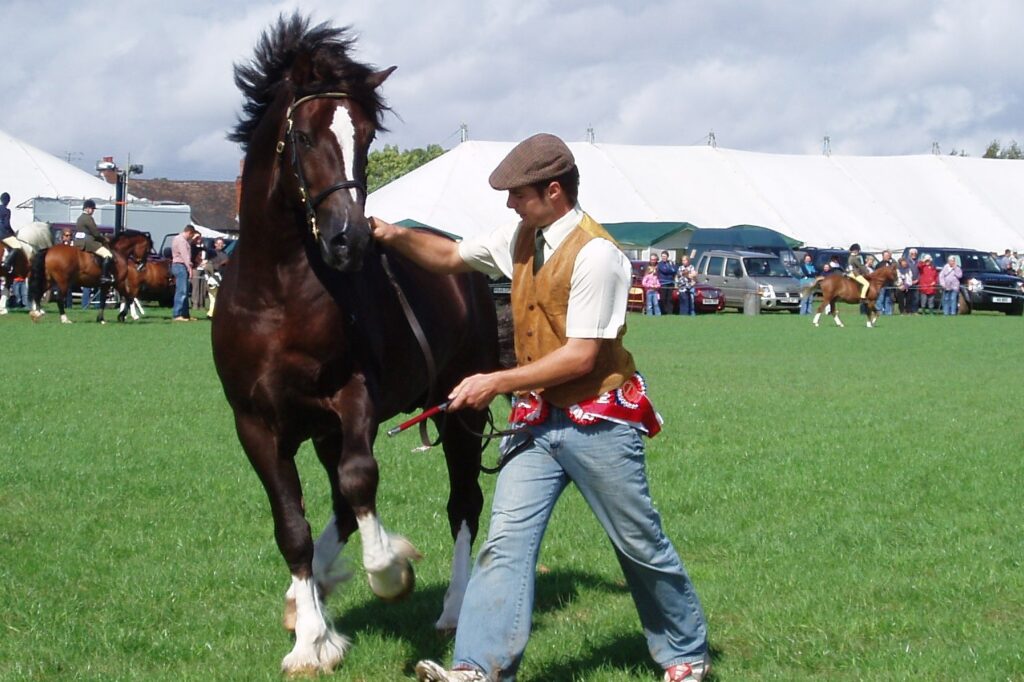
Developed in Wales for farm work and carriage driving, Welsh Cobs were selected for endurance and manageable temperament. Though spirited, they are known for intelligence and adaptability.
For confident beginners or experienced riders transitioning into lighter work, Welsh Cobs provide a balanced middle ground. Their sturdy build and active yet controlled movement can support long trail rides without overwhelming the rider.
6. The Missouri Fox Trotter smooths every stride.
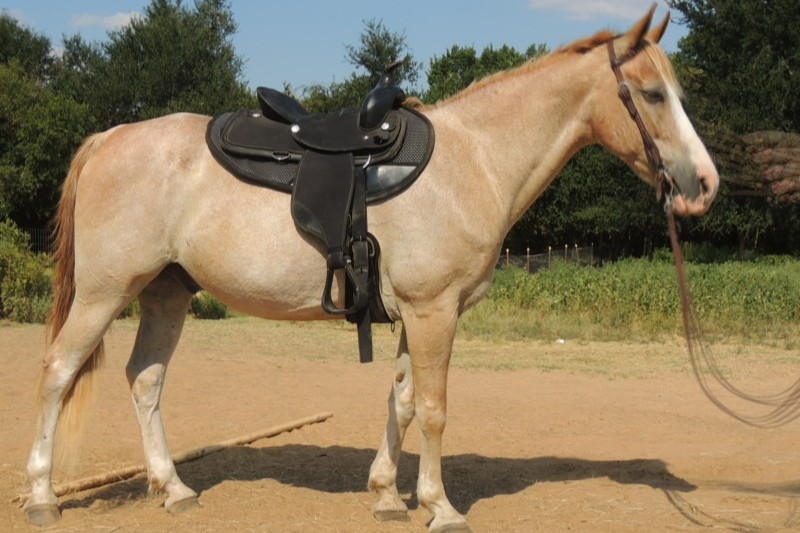
Originating in the Ozark Mountains of the United States in the nineteenth century, the Missouri Fox Trotter was bred for covering long distances comfortably. Settlers needed horses that could travel rugged terrain without exhausting riders.
The breed’s signature gait, the fox trot, delivers a smooth forward motion with minimal bounce. This makes it particularly appealing for aging riders managing back or joint sensitivity while still wanting active participation in riding.
7. Norwegian Fjords remain famously level headed.

With roots tracing back to Viking era Scandinavia, Norwegian Fjords were used for farming and transport in challenging climates. Their survival depended on calm, consistent behavior.
Today, Fjords are valued for their dependable temperament and compact strength. Their sturdy frame and steady movement provide reassurance for riders seeking stability over speed. The breed’s long history emphasizes reliability under pressure.
8. Paint Horses mirror Quarter Horse reliability.
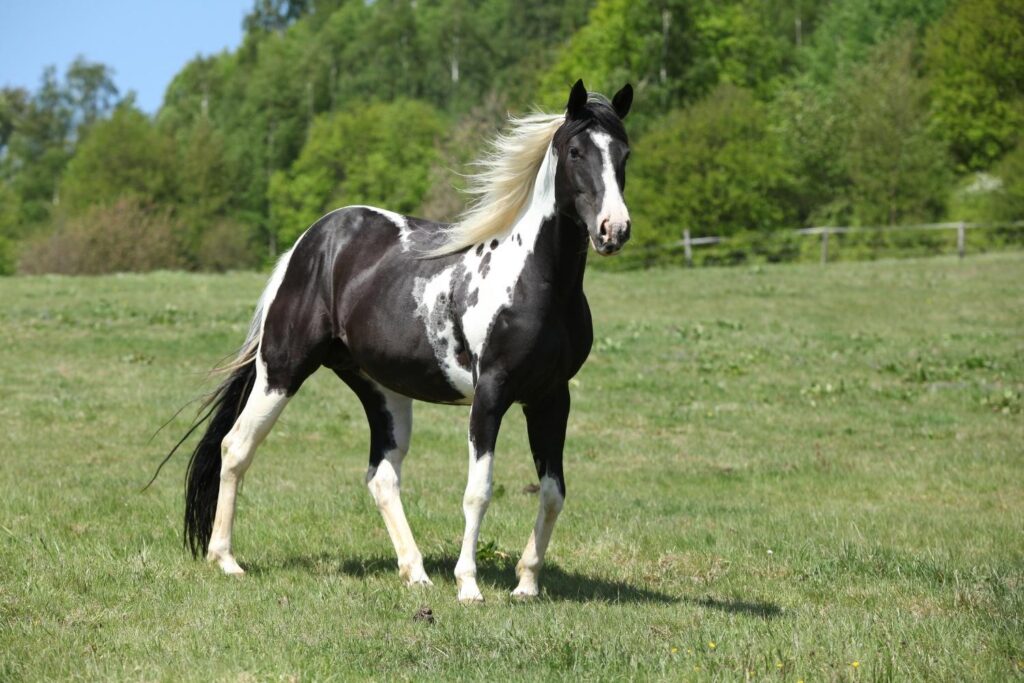
American Paint Horses share ancestry with Quarter Horses and were refined in the western United States for ranch work and versatility. Their distinctive coat patterns draw attention, but temperament defines their appeal.
Many Paints inherit the same calm disposition and trainability seen in Quarter Horses. For beginners drawn to striking appearance without sacrificing steadiness, this breed often provides both visual presence and predictable behavior.
9. Tennessee Walking Horses emphasize comfort.
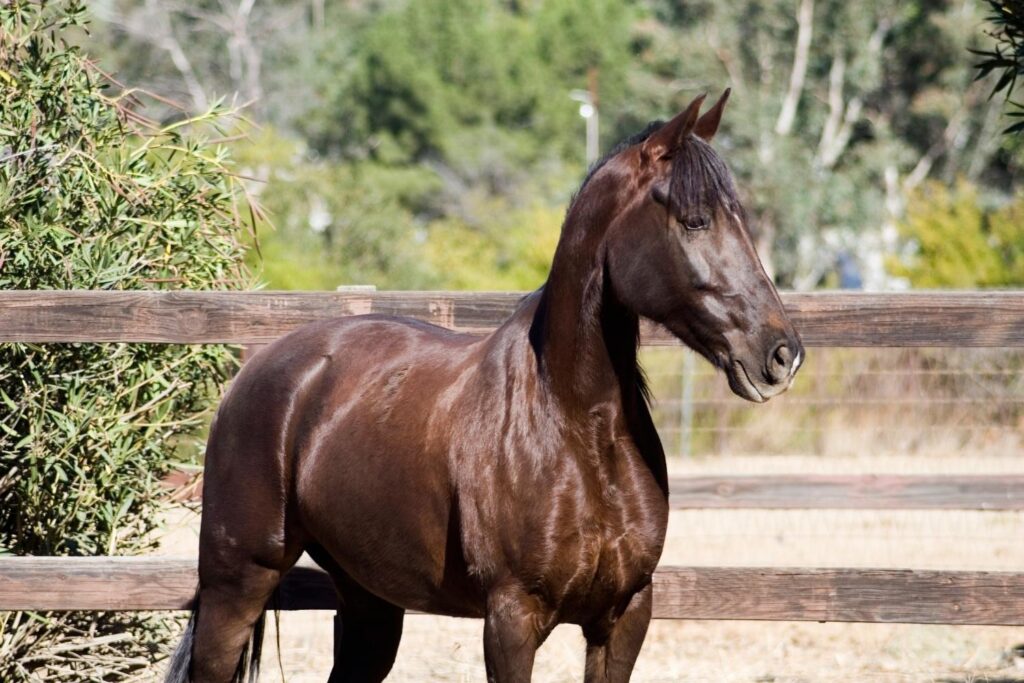
Developed in the southern United States in the nineteenth century, Tennessee Walking Horses were bred for plantation owners needing smooth rides over large properties. Comfort became central to selection.
Their running walk produces minimal vertical motion, which can benefit aging riders seeking reduced impact. When responsibly bred and trained, many Walking Horses exhibit calm, people oriented temperaments supportive of relaxed riding.
10. Appaloosas combine history and adaptability.
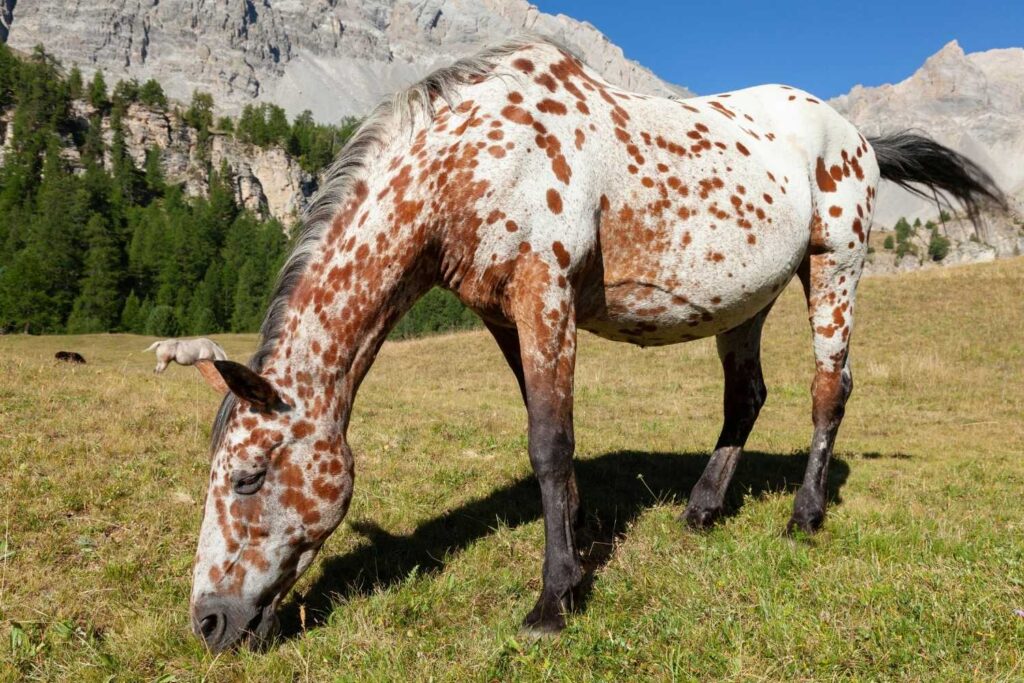
The Appaloosa traces to the Nez Perce people of the Pacific Northwest, who selectively bred for endurance, intelligence, and cooperative temperament. Their horses needed to perform reliably across diverse terrain.
Modern Appaloosas often display versatility and steady disposition suitable for varied riding styles. Their strong hooves and balanced movement contribute to long term soundness, offering beginners and returning riders a capable and manageable partner.