
A violent encounter raises unanswered questions in New Mexico.
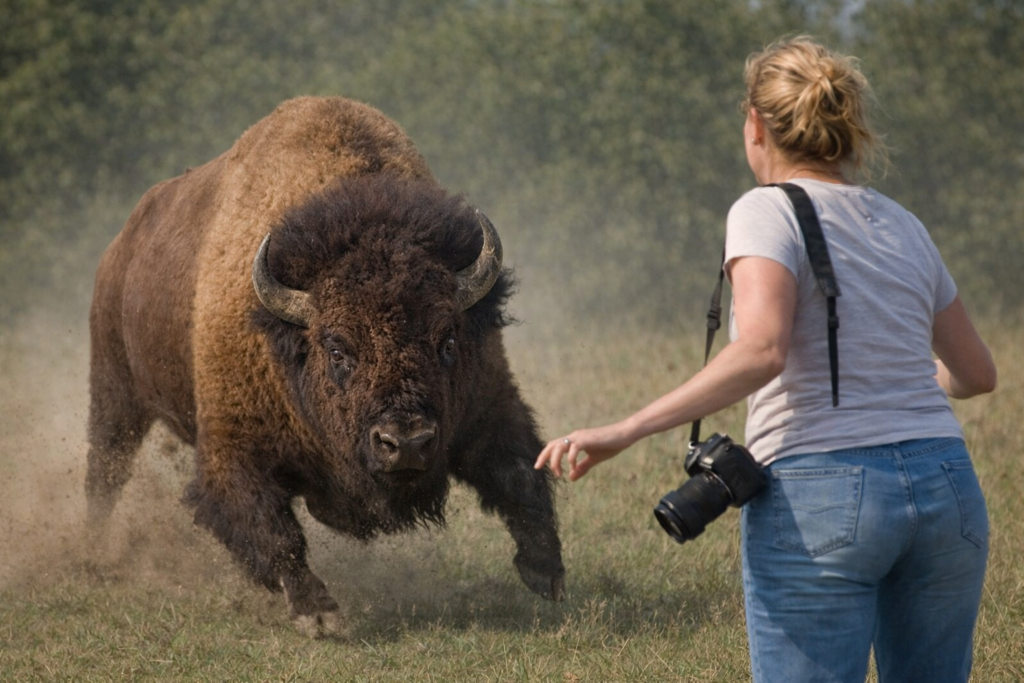
A vacation in northern New Mexico ended in bloodshed, confusion, and now a courtroom battle. A tourist says she was seriously injured during what was presented as a routine, even charming, animal interaction at a rural property near Truchas. A lawsuit now alleges negligence, inadequate warnings, and preventable risk. What happened that day, who bears responsibility, and how the encounter unfolded are now matters of legal record. The facts emerge slowly, shaped by competing accounts, official filings, and mounting questions about safety where wildlife and tourism overlap.
1. A tourist was severely injured during a bison encounter.
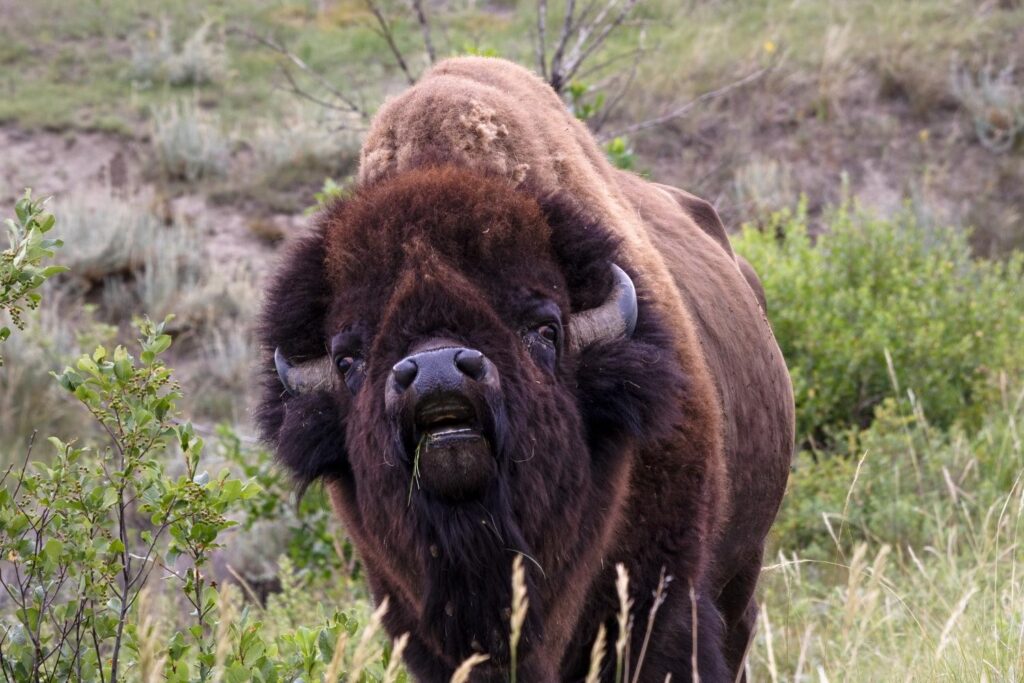
The lawsuit centers on a violent encounter that allegedly occurred in June 2022 at a ranch near Truchas, New Mexico. According to The Santa Fe New Mexican, the plaintiff, Sarah Fiskin, a Los Angeles resident, was inside a feeding area when a bison named Junior drove a horn into her upper arm. Court filings describe a deep puncture wound that required surgery and caused lasting impairment, transforming a recreational activity into an emergency within seconds.
The filing states Fiskin was feeding the bison pelleted livestock feed supplied by the ranch as part of the guest experience. As the pellets ran out, the lawsuit alleges the animal became agitated, closed distance rapidly, and struck her. Fiskin claims she was never warned about this risk or instructed how to disengage safely.
2. Multiple defendants are named in the negligence lawsuit.

The legal action does not stop with the animal’s owner. As reported by The Associated Press, Fiskin’s lawsuit names the ranch owner, the property’s co host, and the vacation rental platform used to book the stay. The suit alleges failures at several levels, from property management to digital marketing, that collectively placed guests in harm’s way.
The complaint argues that the experience was promoted as safe and interactive without meaningful disclosure of risks posed by adult bison, animals capable of sudden aggression. It further alleges that no trained supervision was present during feeding. By naming multiple parties, the lawsuit seeks to establish a chain of responsibility rather than an isolated lapse, broadening the scope of potential liability.
3. The ranch experience included direct guest interaction with bison.
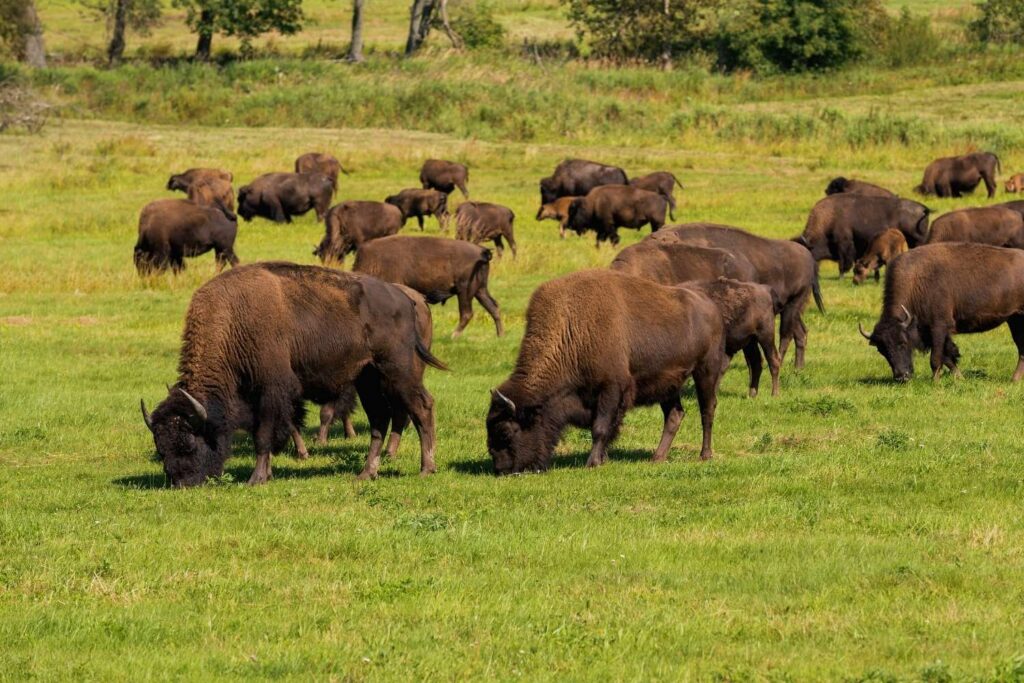
The setting itself plays a critical role in the case. According to reporting by USA Today, guests staying in the luxury treehouse were encouraged to participate in feeding the ranch’s bison herd, an activity presented as a highlight of the stay. Fiskin’s lawsuit claims this access was granted without sufficient safety barriers, warnings, or professional oversight.
The filing asserts that bison are not domesticated animals and that allowing untrained guests to feed them at close range created a foreseeable risk of injury. The ranch’s promotional materials are expected to be examined closely as the case proceeds, particularly how they framed the interaction and whether guests could reasonably understand the danger involved.
4. The incident occurred during a routine feeding activity.
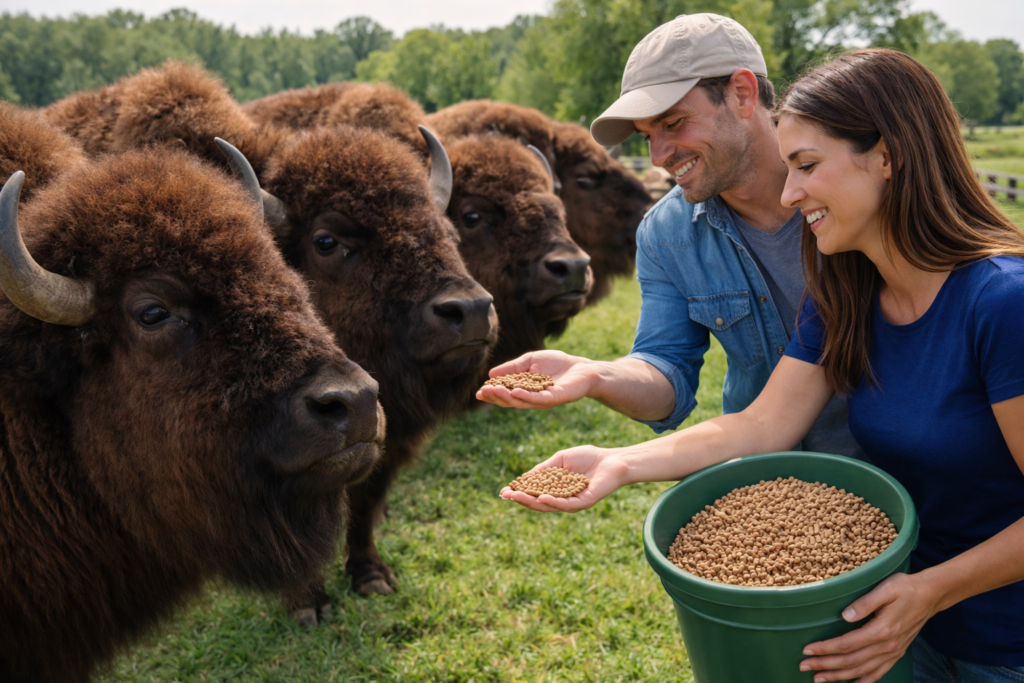
According to the lawsuit, the encounter happened while Fiskin was holding a container of feed pellets provided by the ranch. As the pellets diminished, the bison allegedly became impatient and pressed closer. Fiskin claims she had no clear guidance on how to end the interaction or retreat safely once the animal’s behavior shifted.
The sudden escalation is a key element of the case. What began as a calm, guided activity reportedly turned chaotic without warning. The lawsuit frames this moment as a predictable outcome of placing tourists in close proximity to large animals conditioned to associate humans with food.
5. A property co host disputes the account of aggression.

The co host of the property has publicly challenged Fiskin’s version of events. She has suggested that the bison did not charge, but rather lowered its head to retrieve dropped food, making accidental contact with Fiskin’s arm. This account frames the injury as an unfortunate mishap rather than an aggressive act.
That distinction may prove critical in court. Whether the contact was intentional or accidental could influence findings of negligence and foreseeability. The case now hinges in part on how animal behavior is interpreted and whether guests were placed in a situation where any horn contact was inherently dangerous regardless of intent.
6. The lawsuit alleges long term physical and psychological harm.

Beyond the immediate injury, Fiskin’s complaint outlines ongoing consequences. She claims continued pain, limited mobility, and emotional distress stemming from the attack. These effects are presented as life altering, extending well beyond the vacation itself.
Such claims are common in personal injury litigation but take on added weight when tied to animal attacks. The lawsuit argues that the trauma was avoidable and that the lasting impact reflects a failure to prioritize guest safety. How the court evaluates these long term damages will shape the potential financial stakes of the case.
7. Settlement negotiations reportedly failed before litigation.

Court filings indicate that the dispute may have been close to resolution before escalating. Insurance representatives for the property allegedly offered a settlement to avoid trial, but Fiskin declined. The amount has been widely reported as significant, suggesting acknowledgment of potential exposure.
The decision to proceed with litigation implies confidence by the plaintiff’s legal team or dissatisfaction with the proposed compensation. Failed settlement talks often signal that both sides believe their interpretation of events will prevail, raising the likelihood of a prolonged and closely watched court process.
8. New Mexico liability law will shape the outcome.

The case will be evaluated under New Mexico premises liability standards, which require property owners to protect invitees from known or foreseeable dangers. Whether a bison encounter qualifies as such a danger is central to the dispute.
Livestock laws, tourism practices, and assumptions of risk may all come into play. The court will likely examine whether reasonable precautions were taken given the size, strength, and unpredictability of bison. The answers may influence how similar properties operate statewide.
9. The lawsuit highlights risks in wildlife tourism experiences.
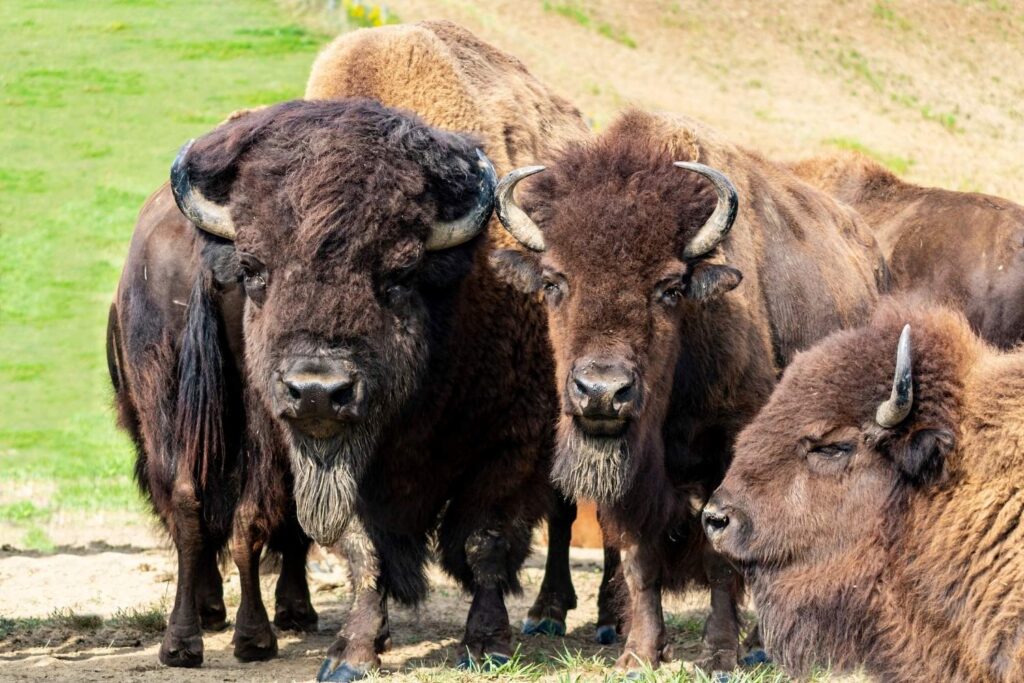
Encounters with animals are increasingly marketed as immersive and authentic. This case exposes the tension between access and safety when wildlife or semi wild animals are involved. Bison, while iconic, remain powerful and unpredictable.
As demand grows for close contact experiences, so does scrutiny. The outcome of this lawsuit could prompt changes in how animal interactions are regulated, insured, or marketed, particularly in rural tourism settings where oversight may be limited.
10. The case is now moving through New Mexico courts.
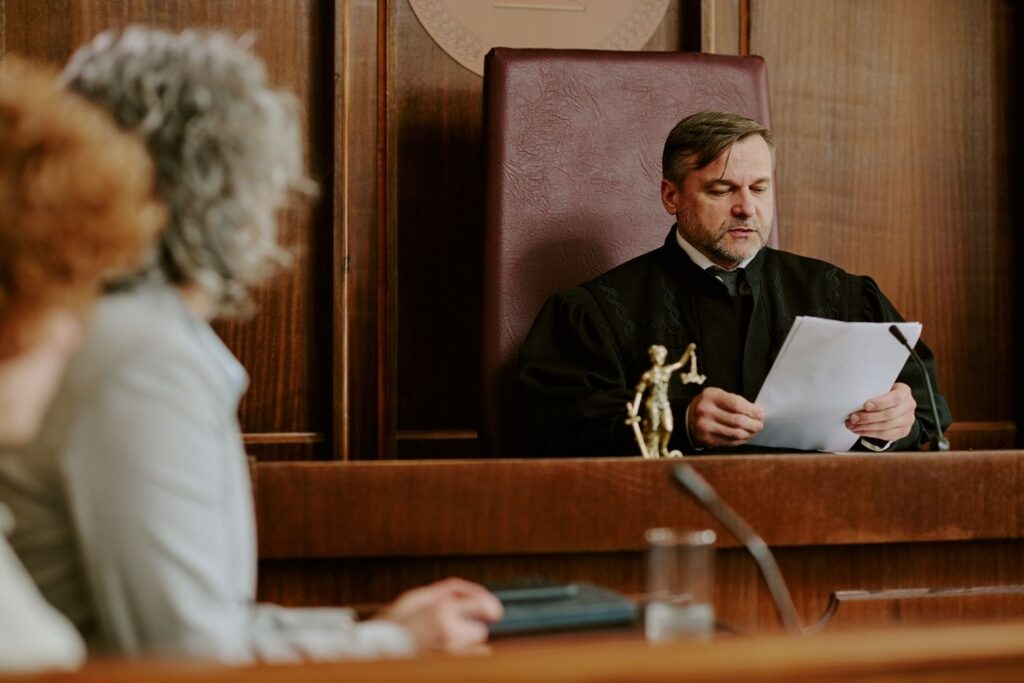
With the lawsuit formally filed, the dispute enters a new phase. Motions, depositions, and expert testimony are expected as both sides attempt to establish fault or deflect it. The court has not yet ruled on preliminary matters, but the case is active.
As proceedings unfold, details will continue to surface, clarifying what was known, what was warned, and what responsibilities were assumed. The answers may extend far beyond one injured tourist, shaping future expectations for safety in animal centered travel experiences.