
Idle minds push working instincts into overdrive.

Destructive behavior rarely comes from bad dogs. It comes from unmet mental and physical needs colliding with long hours of inactivity. Across homes in the United States, veterinarians and trainers see the same pattern repeat. Certain breeds unravel quickly when stimulation drops even briefly. Chewing, digging, shredding, and escaping are not acts of rebellion. They are problem solving behaviors misdirected by boredom. These dogs were designed to work, think, and move. When that outlet disappears, energy turns inward and then outward, often at your furniture’s expense.
1. Border Collies dismantle homes when minds lack tasks.

Border Collies were bred to manage livestock through constant decision making. Their brains are wired for continuous problem solving and rapid response. When that mental engagement disappears, frustration builds quickly. The dog looks for work and creates it.
Destruction often follows patterns. Shoes, furniture edges, and drywall become targets because they offer resistance and feedback. According to the American Kennel Club, Border Collies require intense daily mental stimulation, and without it, boredom driven behaviors escalate rapidly into destructive outlets.
2. German Shepherds redirect excess vigilance into destruction.

German Shepherds are alert, purposeful dogs bred to patrol, assess, and respond. When nothing demands their attention, that vigilance turns inward. The dog scans for stimulation and invents tasks to release tension.
This often appears as chewing doors, pacing, or shredding household items. As stated by the American Veterinary Society of Animal Behavior, working guardian breeds deprived of structured activity often express stress through destructive behaviors rather than overt anxiety signals.
3. Australian Shepherds unravel when routine stimulation disappears.

Australian Shepherds thrive on predictability and engagement. Their nervous systems expect daily challenges. When boredom hits, energy spills into compulsive behaviors that relieve internal pressure.
They may herd furniture, chew baseboards, or dismantle toys methodically. According to research summarized by the University of California Davis School of Veterinary Medicine, herding breeds without sufficient mental outlets frequently develop destructive coping behaviors tied to frustration and overstimulation imbalance.
4. Siberian Huskies create chaos when energy stalls.

Huskies were built for endurance and independence. When confined without outlets, they channel excess energy into escape and destruction. Digging, chewing, and tearing are problem solving attempts, not tantrums.
Their creativity magnifies the damage. A bored Husky does not nibble, it dismantles. Without daily exertion and mental challenge, household destruction becomes a substitute for movement and exploration the breed expects instinctively.
5. Jack Russell Terriers dismantle objects through frustration.

Jack Russells are relentless thinkers. They were bred to pursue prey underground, requiring persistence and creativity. Boredom feels intolerable to them. When stimulation drops, frustration erupts into focused destruction.
They shred pillows, dig carpets, and chew with precision. The behavior satisfies both physical drive and mental engagement. Without structured play and problem solving tasks, destruction becomes the fastest available outlet for built up drive.
6. Belgian Malinois escalate boredom into intense destruction.
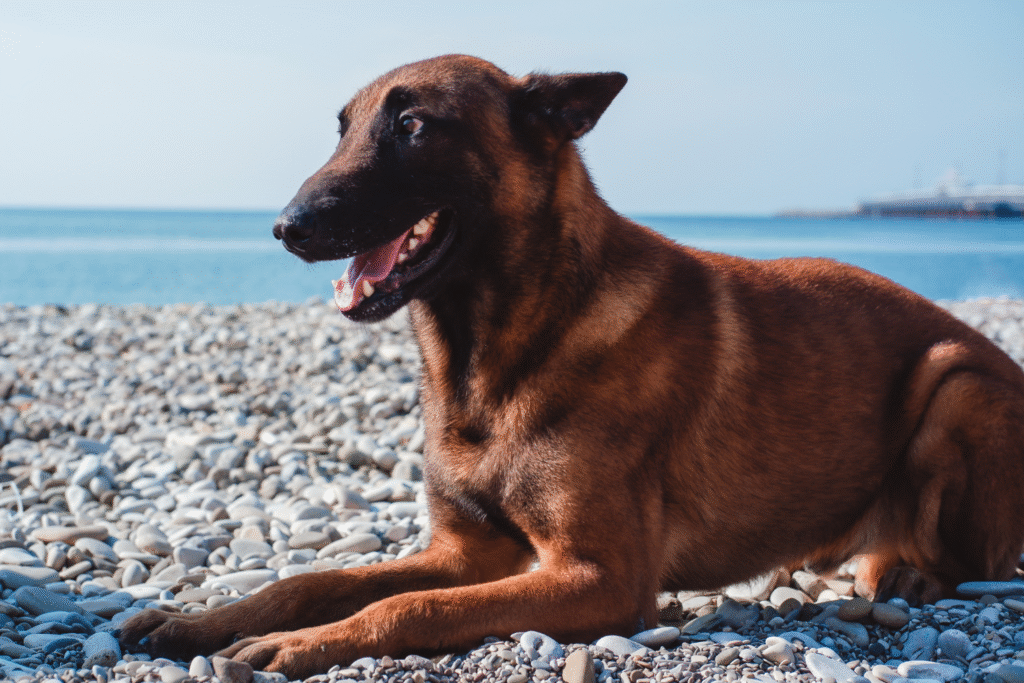
Belgian Malinois operate at high mental speed. When idle, their nervous systems remain charged. That energy needs release, and destruction provides immediate feedback and relief.
Chewing walls, crates, or furniture often follows periods of inactivity. These dogs do not unwind naturally. Without constant engagement, they self assign work. The results are often severe because intensity never truly shuts off.
7. Labrador Retrievers chew when mental stimulation fades.

Labradors are often labeled easygoing, but boredom reveals another side. Their mouths are primary tools, and chewing becomes soothing when engagement disappears.
Shoes, cushions, and household objects offer sensory feedback. The behavior reflects unmet needs rather than mischief. Labs thrive when their brains are engaged. Without enrichment, destruction fills the gap quietly and persistently.
8. Weimaraners unravel fast when stimulation drops briefly.

Weimaraners were bred to work closely with humans for long hours, tracking and retrieving across wide terrain. Their attachment and intelligence make boredom especially uncomfortable. When engagement disappears, anxiety and frustration blend quickly, pushing the dog toward destructive release. Chewing furniture, tearing cushions, or damaging doors often follows short periods of inactivity.
The behavior is emotional regulation, not defiance. Destruction provides sensory feedback and movement that calm the nervous system. Without consistent physical exercise and problem solving tasks, a bored Weimaraner invents stimulation that feels urgent and necessary, often within minutes of being left without direction.
9. Vizslas struggle when idle time interrupts connection.

Vizslas are deeply people oriented dogs with high physical and emotional needs. They were designed to work in constant partnership, not independently. When boredom combines with separation or inactivity, distress builds rapidly. Destructive behavior often targets items carrying human scent, such as clothing or bedding.
This destruction reflects unmet social and mental needs. The dog seeks closeness and engagement through interaction with objects that smell familiar. Without frequent exercise, training games, and social contact, boredom quickly turns into destructive coping as the Vizsla attempts to recreate connection and stimulation in the only way available.
10. Boxers convert excess energy into physical destruction.

Boxers carry sustained puppy like energy well into adulthood. When that energy lacks direction, it spills into physical outlets that can damage homes. Chewing, jumping, and ripping objects apart become ways to burn off internal pressure when structured activity is missing.
The behavior escalates quickly. Boxers thrive on play and movement. Without daily exertion, even short idle periods can lead to destruction. Their powerful bodies amplify the damage, turning boredom driven behavior into broken furniture, shredded toys, and chewed household items that reflect unspent physical drive.
11. Dalmatians become restless and destructive without engagement.

Dalmatians were bred to run alongside carriages for miles, maintaining alertness and endurance. Modern inactivity clashes sharply with that design. When stimulation drops, restlessness builds and seeks release through chewing, pacing, or dismantling objects.
Destruction offers movement and problem solving. Without structured exercise and mental challenges, boredom overwhelms the dog’s ability to settle. Dalmatians often target doors, baseboards, or household items as they search for an outlet matching their need for sustained activity and environmental interaction.
12. Cocker Spaniels express boredom through targeted chewing.

Cocker Spaniels are sensitive and intelligent dogs that require consistent engagement. When bored, frustration does not always appear as hyperactivity. Instead, it surfaces as focused chewing or tearing, often directed at specific items or areas of the home.
This behavior provides comfort and stimulation. Without mental enrichment and regular activity, boredom builds quietly until release becomes necessary. Destruction is not impulsive but repetitive, reflecting emotional tension that accumulates when the dog lacks meaningful outlets for curiosity and interaction.
13. Beagles dismantle environments searching for stimulation.

Beagles are scent driven problem solvers. When boredom hits, their noses and brains remain active, pushing them to investigate, dig, and chew in search of interest. Household items become targets because they offer novel smells and textures.
Destruction often follows scent trails rather than impulse. Cabinets, trash, and furniture attract attention because they promise discovery. Without scent games, walks, and mental work, boredom turns into methodical destruction as the Beagle satisfies its instinct to search and solve.
14. Miniature Schnauzers channel boredom into persistent damage.

Miniature Schnauzers are alert, driven, and highly engaged with their environment. When under stimulated, they fixate on repetitive behaviors that relieve tension. Chewing, digging at carpets, or shredding objects becomes a self assigned task.
The behavior persists until stimulation returns. These dogs require both mental and physical outlets to remain balanced. Without them, boredom does not fade on its own. It intensifies, pushing the Schnauzer to create work through destruction that provides focus, feedback, and temporary relief from unmet drive.