
New research keeps rearranging the pain map.
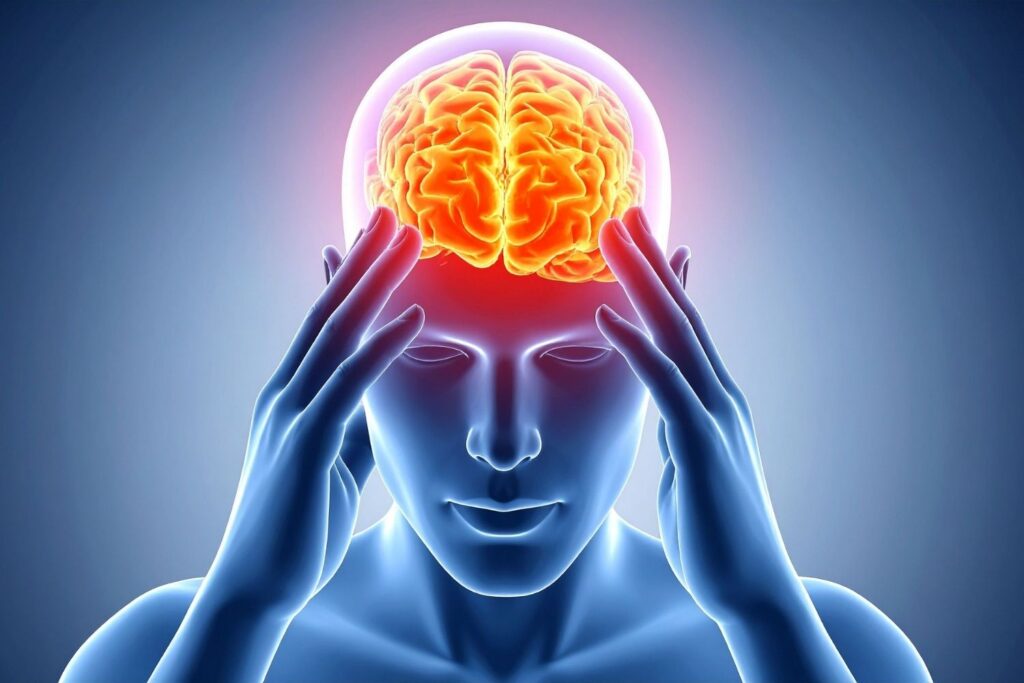
In 2024 and 2025, pain researchers kept running into an uncomfortable pattern. The brain areas we once treated like a pain switchboard do not behave like a single system with a single dial. Some signals track tissue damage. Others track attention, fear, meaning, and prediction. That is why two people with similar injuries can feel wildly different pain, and why chronic pain can persist after healing. The story is shifting from where pain is to how pain is made.
1. Pain is not housed in one spot.
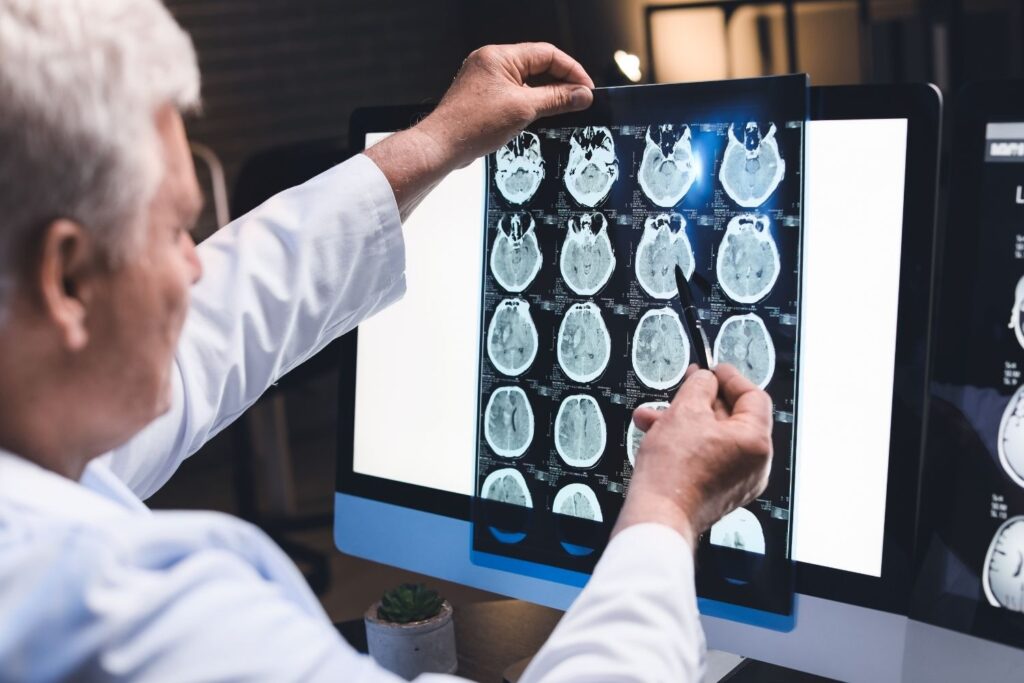
For a long time, people talked about a pain center in the brain, as if there was a single headquarters that decided how much you hurt. Modern imaging keeps pushing back. The same brain regions can light up for many experiences, not just pain, including salience, attention, and threat detection. That means activation does not automatically equal pain, and pain does not always require a single, unique signature.
A more useful framing is that pain is an experience built from multiple ingredients, sensory input, context, emotion, and prediction. That helps explain why a paper cut can feel enormous during stress, and why severe injuries can feel oddly muted in emergencies. Brain imaging is valuable, but it is not a simple pain detector, according to a 2024 review on neuroimaging based pain biomarkers in Neuroscience and Biobehavioral Reviews.
2. Your brain predicts pain before it confirms.

The nervous system does not wait politely for a clean report from the body. It makes fast predictions about what a signal means, then updates as more information arrives. If the brain expects danger, it may amplify sensation. If it expects safety, it may dampen it. This prediction style thinking makes pain feel less like a direct readout of damage and more like a protective decision.
In real life, this is why a familiar ache can flare in a scary situation, or why pain can drop when someone feels reassured. It is also why uncertainty is gasoline. When the brain cannot interpret sensations, it may crank up the alarm to keep you cautious. The most unsettling part is that this can happen without conscious choice. Pain can be sincere and intense even when the body is not actively being harmed, and that is not imaginary, it is predictive biology.
3. Expectation can switch pain up or down.

Placebo research has always sounded like a psychological trick, until you see how physical the effects can be. If someone genuinely expects relief, their brain can engage circuits that reduce the pain experience. If someone expects harm, nocebo effects can make the same stimulus feel worse. These are not polite changes, they can be large enough to alter behavior, performance, and even which brain networks dominate during the moment.
What is changing now is the detail. Researchers can trace how expectation shifts pain related processing toward cognitive and affective systems, and away from pure sensory drive. That makes the mind body split feel outdated. Placebo is not pretending, it is modulation. A 2024 study in Nature Communications showed placebo treatment mainly altered cognitive and affective brain systems linked to pain evaluation, according to Nature Communications.
4. The brainstem is a hidden volume knob.

Most people imagine pain control as something the cortex does, like a thoughtful adult deciding what to feel. The brainstem is more like a bouncer. It can turn incoming signals up or down before they fully reach higher brain regions. This descending modulation can either suppress pain or facilitate it, depending on context, stress state, and learned expectation.
That matters for chronic pain because the volume knob can get stuck. If the system repeatedly learns that sensation equals danger, pain facilitation can become the default. Conversely, effective pain inhibition can be trained and supported by sleep, stress reduction, and targeted therapies. The point is not that the brainstem causes pain out of nowhere. It is that pain transmission is negotiable. Your spinal cord and brainstem are not passive wires, they are active editors shaping what the brain receives.
5. Chronic pain looks like a brain network state.

When pain becomes chronic, the problem often stops matching the original injury. People can heal structurally and still hurt, sometimes for years. One reason is that chronic pain is associated with lasting changes in connectivity and processing across networks involved in attention, emotion, and self related thinking. Pain becomes a state the brain rehearses, not just a message arriving from the body.
This helps explain why chronic pain can hijack memory, concentration, and motivation. The experience is not only sensory. It is exhausting, and the brain begins to allocate resources toward monitoring and guarding. That can make movement feel threatening even when it is safe. It also clarifies why effective treatment often needs more than a stronger medication. It may require retraining the system, rebuilding confidence in movement, and shifting the brain out of a protective loop it no longer needs.
6. Glial cells may be fueling long term pain.

Neurons get the spotlight, but glial cells are the support crew that can quietly change the whole show. Microglia and astrocytes respond to injury and stress with inflammatory signaling, and that signaling can sensitize circuits, making normal inputs feel painful. In chronic conditions, glial activation can linger, which keeps the nervous system on edge.
This is especially relevant for neuropathic pain, where nerve injury changes how signals are processed even after the tissue looks stable. It also connects pain to broader health factors such as sleep loss, infection, and chronic stress, all of which can influence inflammation. The interesting shift is that pain research is no longer only asking which neurons fire. It is asking which immune like processes inside the nervous system keep pain alive. That is a different target, and it could change future treatments.
7. Emotions are not separate from the pain.

People often feel guilty when stress makes pain worse, as if their feelings are contaminating a purely physical problem. The newer view is that emotion and pain share circuitry because they solve a similar job, protection. Pain demands attention and motivates action. Fear and worry do the same. When these systems interact, pain can become louder, more persistent, and harder to ignore.
This does not mean pain is only emotional. It means the brain cannot neatly separate bodily threat from psychological threat, because both can be dangerous. That is why trauma history, chronic anxiety, and depression can shape pain outcomes without being the original cause. The brain is integrating multiple signals about safety. If the world feels unsafe, the body often feels unsafe too. Treatment that calms the nervous system can reduce pain intensity even when it does not change the underlying diagnosis.
8. Touch can become pain through sensitization.

Allodynia is one of the most unsettling pain experiences, a light touch or gentle clothing can feel sharp or burning. This happens when the nervous system becomes sensitized and begins treating non threatening inputs as threats. It can follow nerve injury, migraines, shingles, or certain chronic pain syndromes, and it is a clue that pain processing has changed, not just the tissue.
This phenomenon forces a rethink of how pain is measured. If pain were only a direct report from damaged cells, touch would never become agony. Sensitization shows that the system can rewrite the meaning of input. That also means improvement is possible. When sensitization decreases, the same touch can return to neutral. It is a reminder that pain is plastic. The nervous system learns, and learned systems can sometimes be unlearned, slowly and carefully.
9. Measuring pain objectively is still risky.

People understandably want a brain scan that proves pain, especially in medical and legal settings where credibility is questioned. The science is not there yet for most individual decisions. Researchers can identify patterns that correlate with certain pain states in groups, but individuals vary too much in anatomy, context, and coexisting conditions. A scan can support understanding, but it cannot reliably declare someone is in pain or not in pain on its own.
This is where ethics enters. If a tool is treated as a lie detector, it can harm patients whose pain does not fit the expected pattern. It can also encourage overconfidence in a technology still in discovery mode. The most honest takeaway is that pain remains personal and multi dimensional. Biology is real, and measurement is improving, but the gap between research signal and courtroom certainty is still wide. Caution protects people.
10. Future therapies may target circuits, not symptoms.

The most exciting shift is that treatment is becoming more precise about mechanisms. Instead of only numbing sensation, new approaches aim to change how pain is generated and maintained. That includes neuromodulation, targeted rehabilitation, and therapies that retrain prediction and threat processing. Some interventions try to restore healthy inhibitory control from the brainstem. Others focus on reducing neuroinflammation or reversing maladaptive plasticity.
This is why pain clinics are slowly moving toward integrated care that includes movement, sleep, stress regulation, and psychological support alongside medications. It is not because pain is imagined. It is because pain is constructed by a living system that responds to environment and learning. The promise is not a miracle cure. The promise is better matching, the right treatment for the right mechanism, with fewer side effects and less trial and error.