
A buried worksite reveals ancient industrial precision.

Beneath modern development near the city of Yavne, archaeologists uncovered something rare and revealing. Instead of a single object or burial, they found a working landscape frozen in time. The site dates to around 3500 BCE, when early cities were emerging across the Levant. What stands out is not decoration or ritual, but repetition. Stone blades, cores, and waste were found in overwhelming quantity, telling a story of skill practiced daily. This was not survival improvisation. It was mastery sustained by demand.
1. Excavated layers reveal a purpose built production zone.
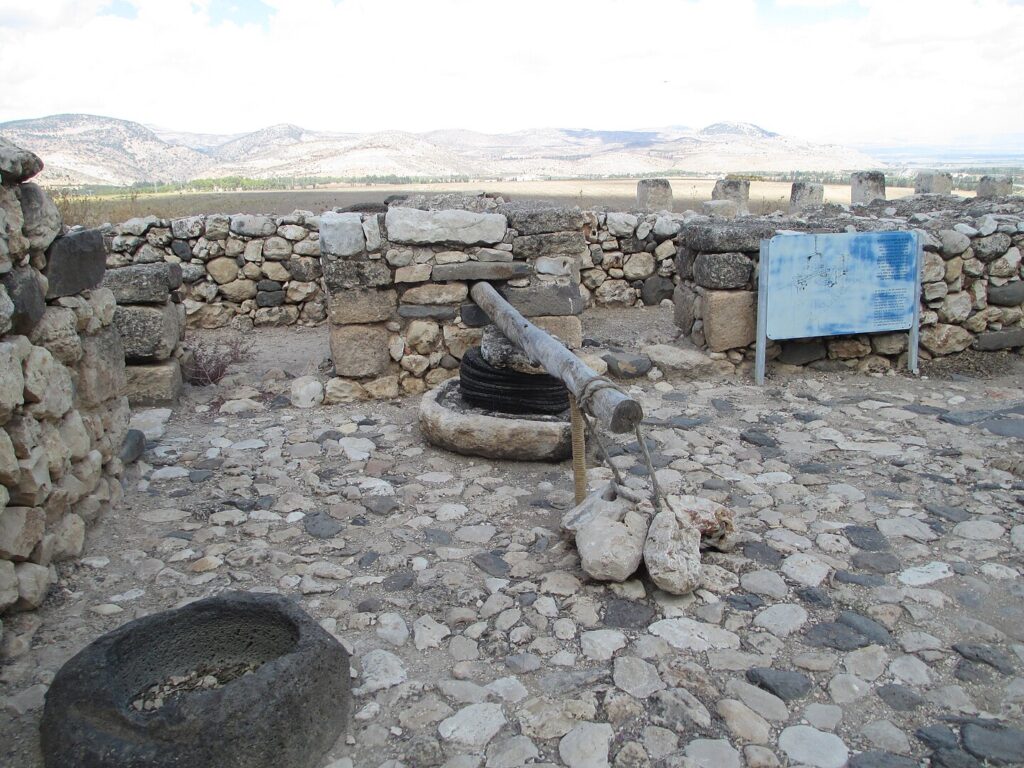
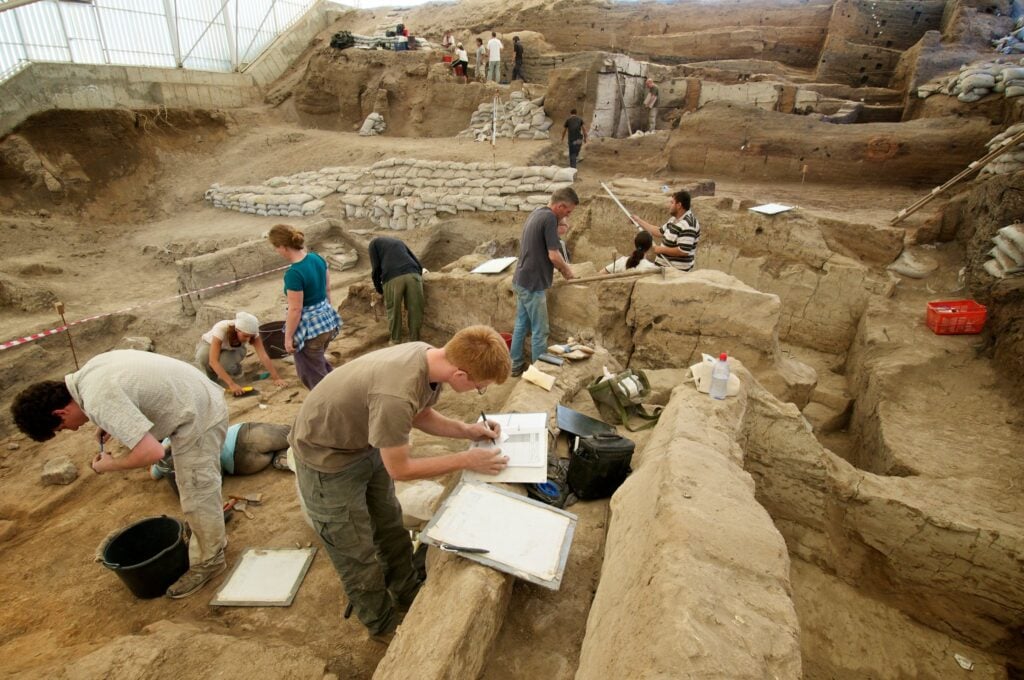
Archaeologists uncovered dense concentrations of flint debris, discarded blades, and large stone cores arranged in clearly defined areas. These were not scattered remains from occasional household toolmaking. The density and repetition show that the same actions were performed again and again in the same places. Certain zones held cores, others flakes, and others finished blades, indicating deliberate spatial organization rather than chance accumulation.
The excavation team identified the site as a full scale blade workshop rather than domestic activity, according to the Israel Antiquities Authority. The volume alone suggests production far beyond local household needs.
2. Blade uniformity reflects advanced and disciplined craftsmanship.
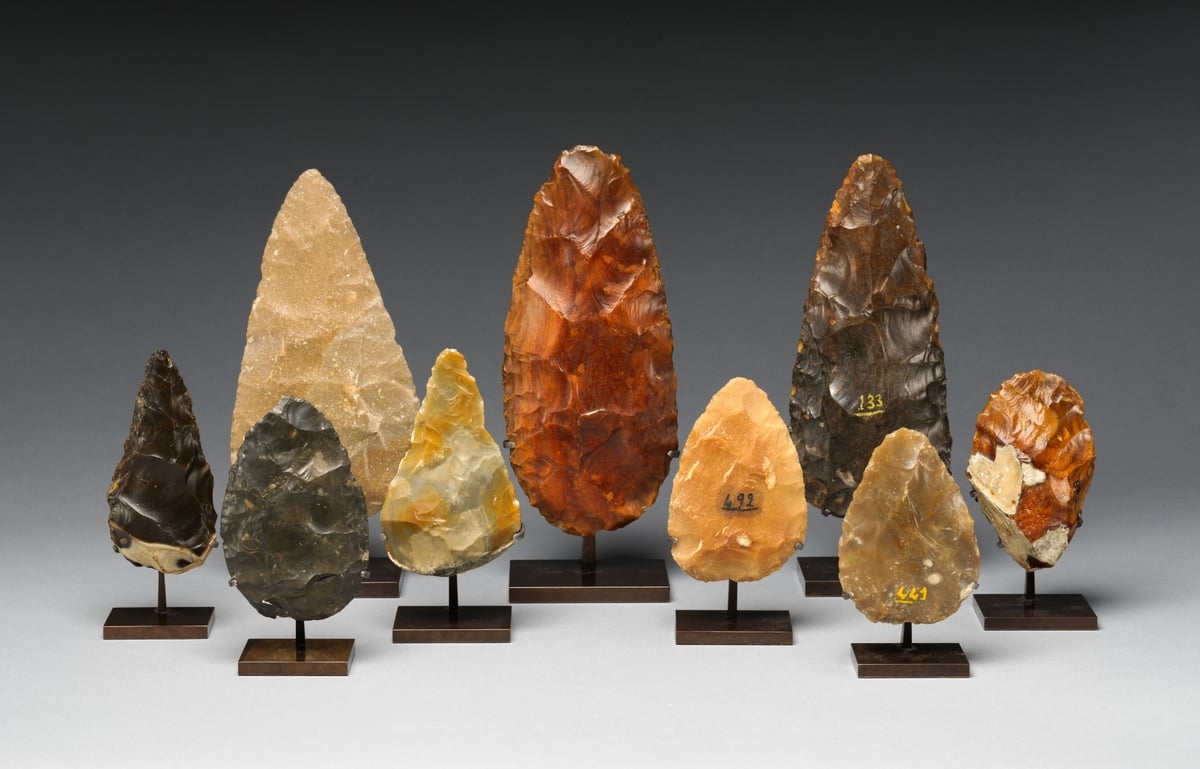
The blades recovered from the site show striking consistency in length, thickness, and edge angle. Producing such uniform results requires precise control over striking force and platform preparation. A single miscalculation can shatter a core or ruin a blade. The repetition seen here points to practiced hands following a shared technique rather than individual experimentation.
Microscopic analysis revealed standardized fracture patterns and careful core maintenance, as reported by Archaeology Magazine. These details confirm the blades were produced by trained specialists working within a learned tradition.
3. Large flint cores preserve the entire manufacturing sequence.
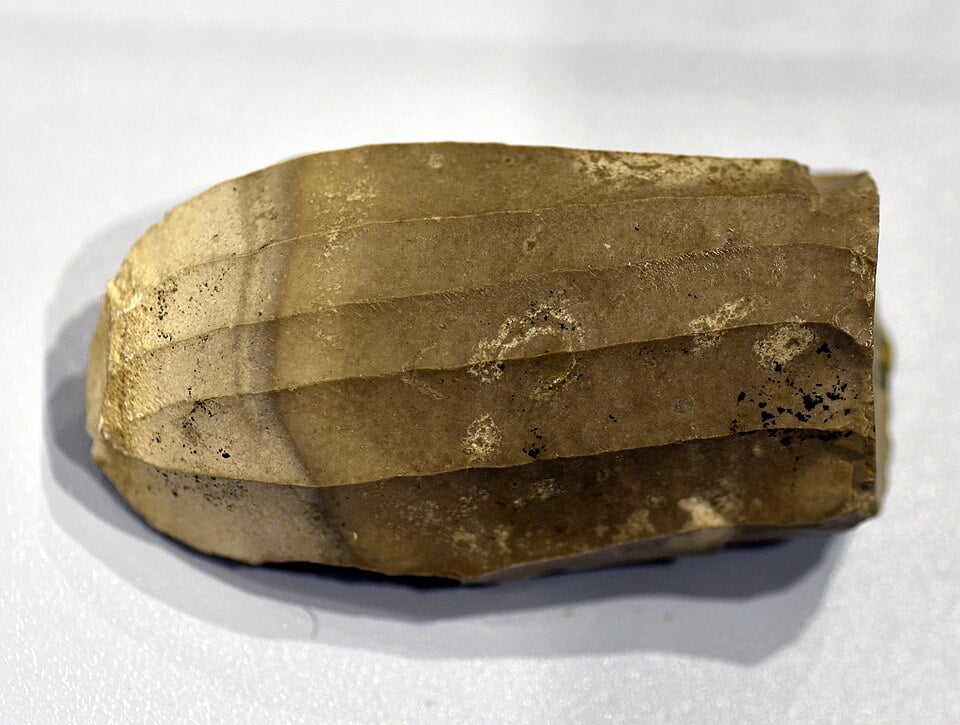
Unlike many sites where only finished tools survive, this workshop contained large flint cores used to detach long blades. These cores retain scars from each removal, allowing researchers to reconstruct the full production sequence step by step. They show how artisans planned ahead, adjusting angles and surfaces to keep blades coming cleanly and efficiently.
The presence of these intact cores makes the site unusually complete, as stated by The Times of Israel. It allows rare insight into decision making rather than just end results.
4. Flint tools remained essential despite early metal adoption.
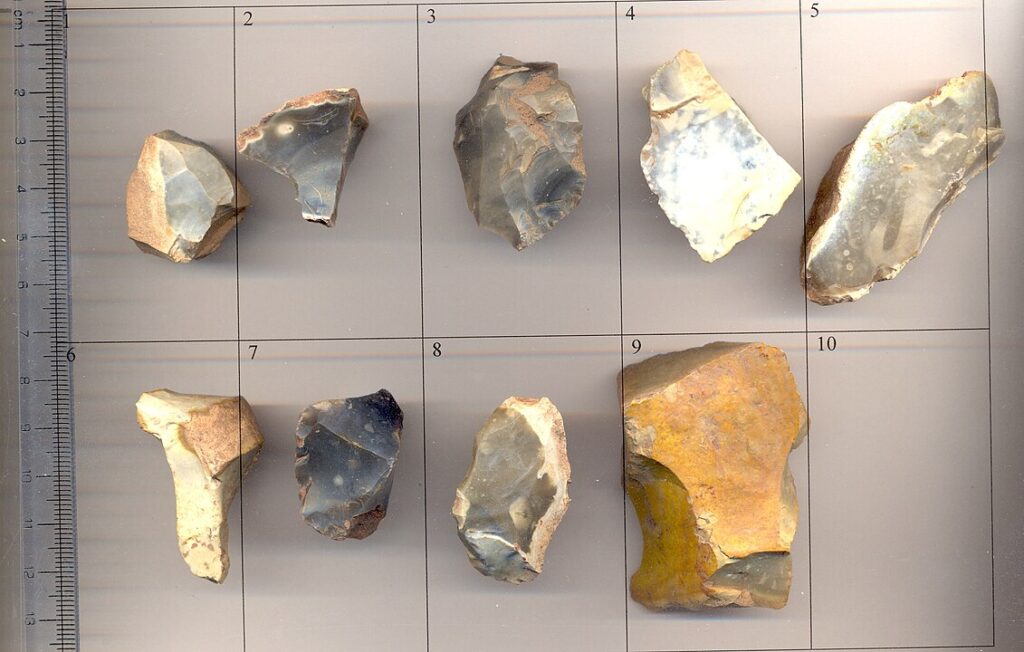
Although copper objects existed during the Early Bronze Age, flint remained central to daily life. Early metal was expensive, uneven in quality, and not always suited for sharp cutting tasks. Flint blades could be sharper, faster to replace, and easier to produce in quantity.
The workshop output suggests sustained reliance on stone tools even as metallurgy emerged. Communities blended technologies rather than abandoning older methods, relying on stone for everyday labor while metal developed slowly alongside it.
5. Production scale points to regional distribution networks.

The number of blades and cores found far exceeds what a single settlement would require. This indicates the workshop supplied tools beyond its immediate community. Such output suggests organized distribution, whether through exchange, trade, or centralized allocation.
Supplying multiple groups requires scheduling, coordination, and predictable quality. The workshop functioned as an economic node, not a casual activity, supporting wider social and logistical systems already forming in the region.
6. Shared techniques imply apprenticeship and formal knowledge transfer.

The blades and cores show not just similarity, but repetition at a level that suggests formal teaching. Core preparation follows the same sequence again and again, with striking platforms shaped at nearly identical angles. This is not something that emerges from casual imitation. It reflects learned routines practiced until muscle memory takes over. In stone working, mistakes accumulate quickly, so consistency across thousands of pieces indicates that novices were trained under supervision until they mastered the method.
Such apprenticeship implies time investment and social structure. Skilled knappers had to be supported while they taught others, meaning food, shelter, and resources were allocated to learning. The workshop was not just producing tools, it was reproducing expertise, ensuring that knowledge survived beyond individual lifespans.
7. Raw material selection shows regional planning and foresight.

The flint used at the workshop is notably uniform in quality and fracture behavior, indicating careful selection rather than opportunistic gathering. High quality flint does not occur evenly across the landscape. Obtaining it required knowledge of specific outcrops and the ability to transport heavy stone over distance. That alone suggests planning beyond immediate daily needs.
Choosing reliable raw material reduced waste and increased blade success rates. This planning reveals an understanding of geology paired with logistics. Craftspeople were thinking ahead, ensuring that production could continue uninterrupted. That level of foresight turns stone working from an activity into an organized system.
8. Waste patterns reflect efficiency built through repetition.
Waste at the site tells a disciplined story. Flakes are consistent in size, and broken fragments often show signs of secondary use or careful discard. There is little evidence of chaotic shattering that would result from inexperienced hands. Instead, the debris reflects controlled reduction sequences where each strike served a purpose.
Efficiency matters most when production is continuous. Poor technique would have exhausted raw material quickly. The waste patterns here show that artisans understood how to extract maximum value from each core. This level of control only develops through repetition and shared standards, reinforcing the interpretation of a professional workshop rather than ad hoc toolmaking.
9. The workshop reveals early and sustained labor specialization.
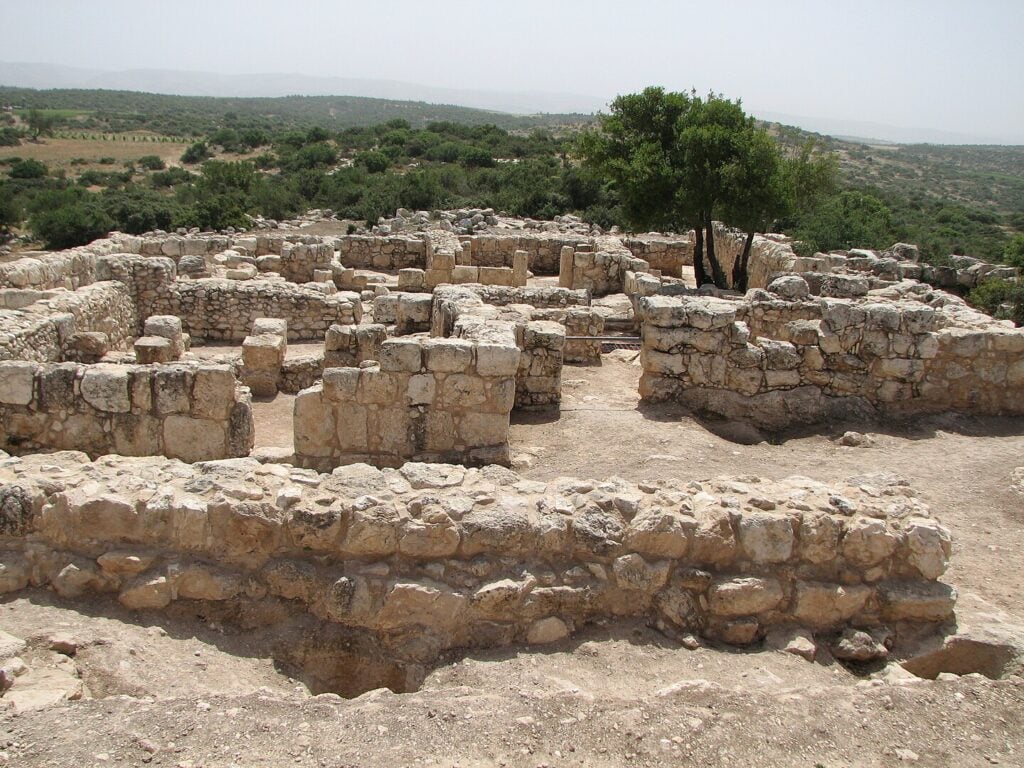
A site devoted so heavily to blade production implies that not everyone was expected to make their own tools. Instead, certain individuals specialized, while others focused on farming, herding, construction, or trade. That division of labor marks a significant social shift, one tied closely to the rise of more complex communities.
Specialists require support from others, which means surplus food and coordination already existed. The workshop reflects a society capable of organizing roles and valuing skill. Toolmaking here was not a side task. It was a profession embedded in the economic structure.
10. Master craftsmanship directly shaped everyday survival.

These blades were essential, not decorative. They cut grain, processed hides, shaped wood, and prepared food. Their reliability affected harvest efficiency, clothing production, and construction quality. A dull or poorly made blade could mean wasted labor or lost resources. Consistent quality mattered.
By producing dependable tools at scale, the workshop quietly supported every other activity in the community. Mastery here translated directly into survival. This site captures the moment when skilled repetition became infrastructure, laying foundations for social stability long before written history recorded it.