
A remarkable burial unmasks a warrior’s intact weapon cache.
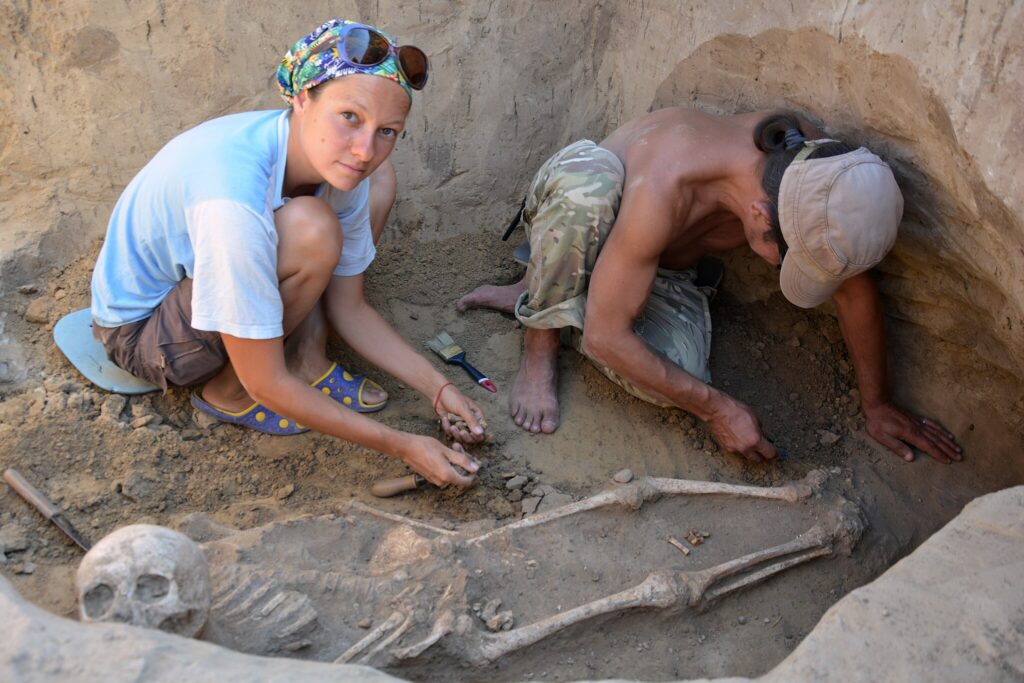
On the windswept Ceyranchol plains of western Azerbaijan, archaeologists uncovered a monumental burial mound, known as a kurgan, belonging to a warrior who died around 1800 B.C. Inside the tomb, the man rested in a semi-flexed position holding a rare bronze four-pronged spearhead, surrounded by intact weaponry and ritual items. This grave appears untouched for millennia, offering historians a pristine glimpse into the social structure, warfare and belief systems of the Middle Bronze Age South Caucasus. The intact nature of the find is extraordinarily rare and begins to rewrite what we thought we knew about this region.
1. The grave lies in Azerbaijan’s Keshikchidagh prehistoric reserve.
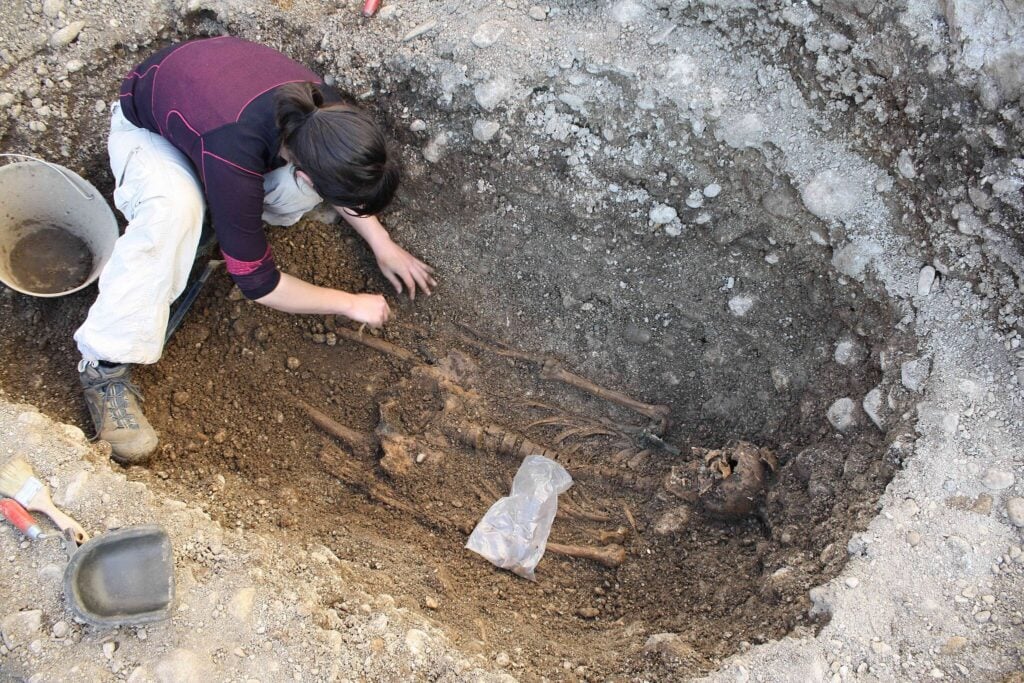
Excavations led by the Azerbaijan National Academy of Sciences in the Keshikchidagh zone uncovered the burial mound on the Ceyranchol plain. The site, reported by Ancient-Origins, is remarkably preserved, with the kurgan measuring around 28 metres in diameter and divided into symbolic chambers. Within this structured burial, the warrior’s remains lay alongside his equipment, untouched since the Bronze Age. The location and scale show that this was an individual of high status, likely a military leader or local elite, whose identity and societal role now become visible through archaeology.
2. The man held a rare bronze four-pronged spearhead when buried.
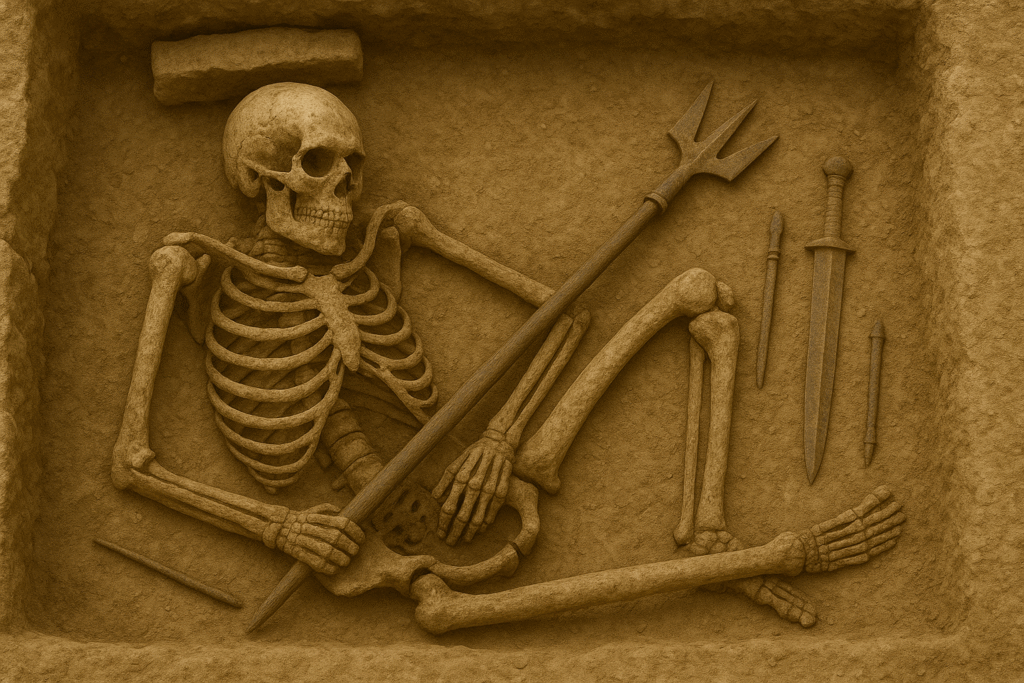
According to LiveScience the discovery revealed the warrior clutching a distinctive four-pronged spearhead—an extremely uncommon weapon in the region. This detail elevates the grave’s importance: it signals specialized craftsmanship, status and perhaps a distinct military tradition. Also found were bronze ankle rings, decorations, obsidian tools and pottery containers with animal-bone remains. The combination of weapon, adornment and food offering underlines how the living honoured this dead warrior—preparing him for both prestige and the afterlife.
3. The burial dates back roughly 3,800 years, to the Middle Bronze Age.

Researchers determined that the tomb stems from circa 1800 B.C., placing it firmly in the Middle Bronze Age of the South Caucasus, as described by HeritageDaily. This age means the grave predates many written records in the region, offering rare insights into a society structured around warfare and ritual long before classical civilizations emerged. That timing underscores how early complex societies existed in Azerbaijan, using symbolic burial architecture and elite weaponry well before more familiar historical eras.
4. The tomb was sealed intact, shielding the grave goods for millennia.
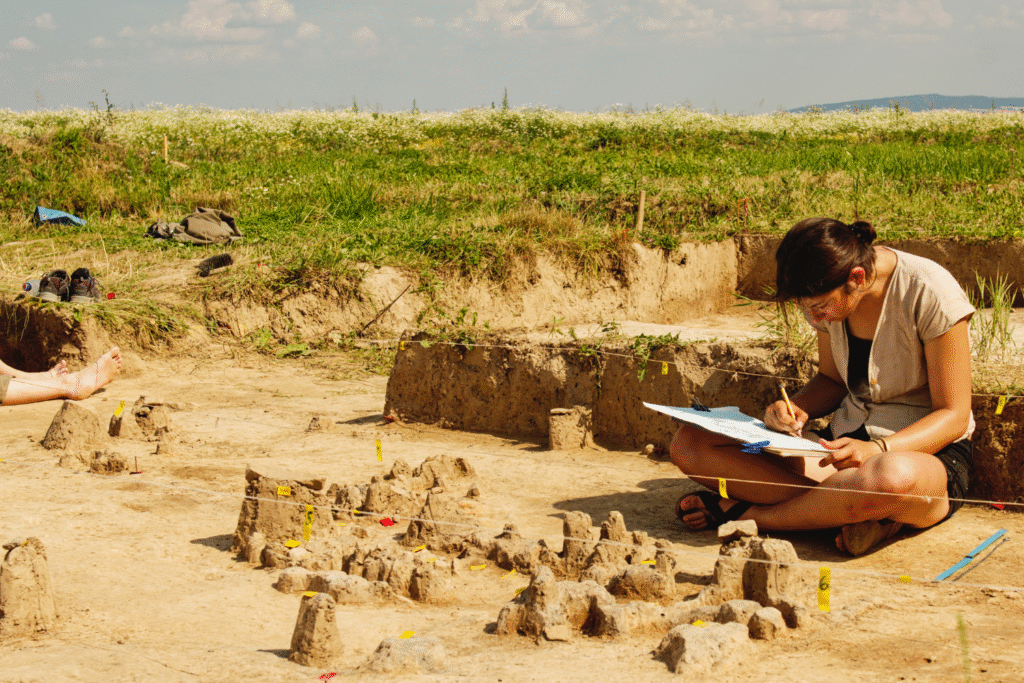
Unlike many ancient burials that have been looted or disturbed, this kurgan shows no signs of intrusion; the remains and artifacts appear exactly as placed when the warrior was interred. The preservation allows archaeologists to study the layout, ritual sequence and material culture in situ—giving unprecedented clarity to the burial practices of the day. The intact nature of this tomb means that the weapons, ceramics and jewelry come with their full original context, which is invaluable for reconstructing the society behind them.
5. The warrior’s height and equipment speak to elite status.
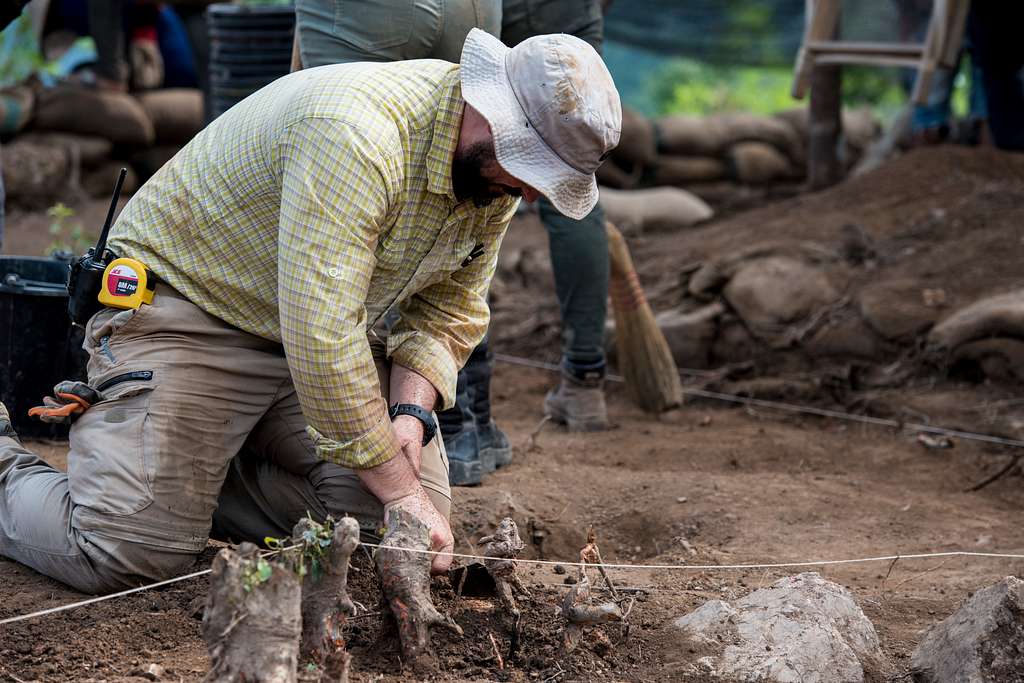
Analysis of the skeletal remains placed the individual’s height at over two metres, extraordinary for that period and region. Coupled with the bronze weapon, richly decorated pottery and ornamental ankle pieces, this suggests he was a person of considerable standing, perhaps a chieftain or warrior-elite. His tall stature would have been striking among his peers and may have contributed to his burial weight. The suite of material culture reinforces that this was no ordinary grave but a deliberate statement of power and identity.
6. The burial chambers show symbolic and ritual organisation.
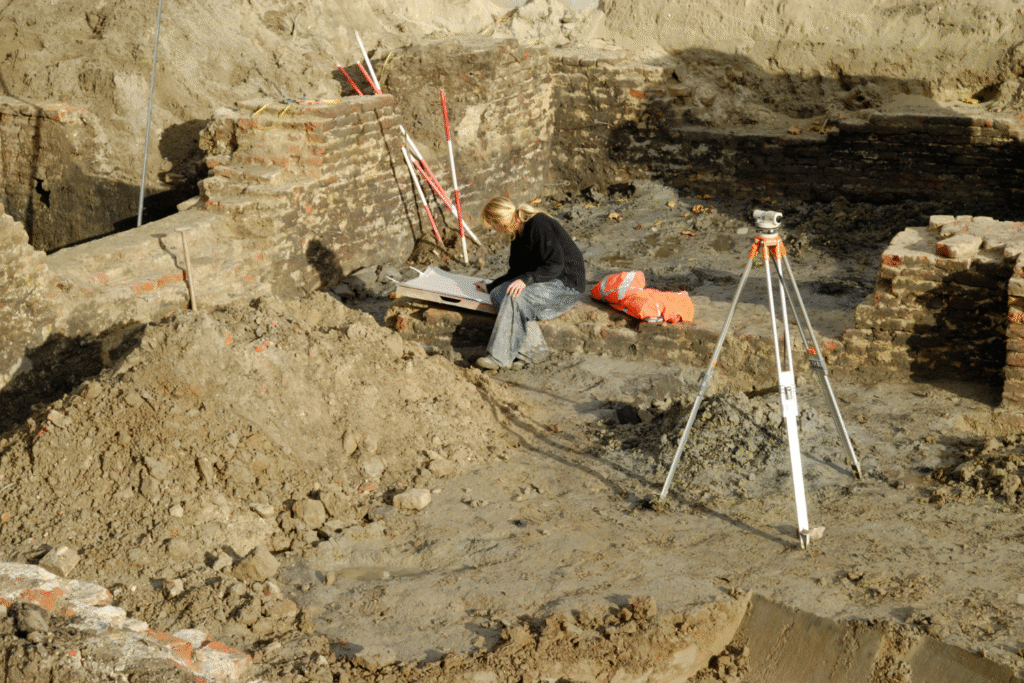
Inside the tomb, archaeologists found a chamber layout divided into three parts: one containing the body and arms, another filled with pottery vessels and another left empty, possibly reserved for the soul’s departure. That structural setup implies a sophisticated belief system that linked death, afterlife and status through architecture. The empty chamber, intriguingly, suggests the living made space not just for objects but for metaphysical transition—a powerful sign that Bronze Age people in the region held elaborate spiritual notions.
7. Weapons and tools reveal Bronze Age warfare in the region.
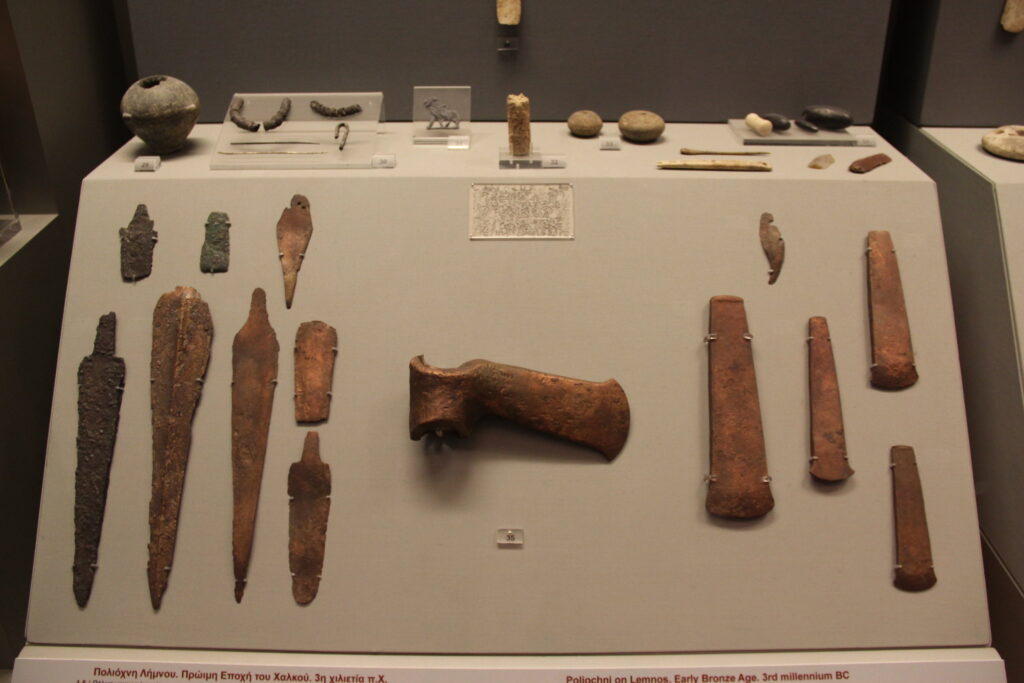
The presence of the spearhead, bronze wrist or ankle adornments, and obsidian blades shows how warfare and status intertwined in the Bronze Age South Caucasus. The four-pronged spearhead is especially rare and may indicate a local elite military tradition or symbolic weapon. Combined with the burial’s size and completeness, the artifact assemblage suggests that this culture valued martial skill as much as ritual or lineage. Studying these weapons offers insight into combat technology and social hierarchy of the time.
8. Animal-bone offerings hint at afterlife beliefs and food rituals.

Among the pottery vessels interred alongside the warrior were jugs containing cooked animal bones—goat, cow, horse and boar—intended as provisions for the afterlife. That these items were placed alongside weapons indicates the deceased was meant to continue his status and role after death. The inclusion of food, game and crafted objects shows a clear conception of an existence beyond the grave and highlights how the living embodied their beliefs through material culture.
9. The find reshapes our understanding of South Caucasus society.
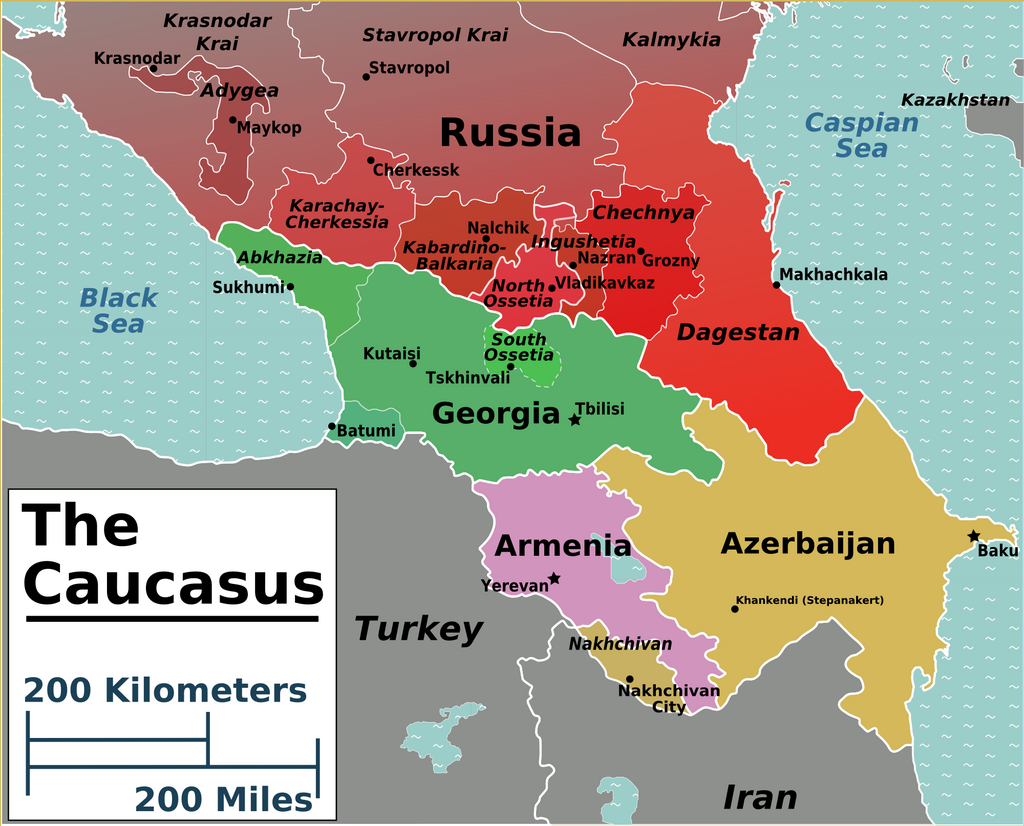
This discovery challenges older ideas that the region was a backwater in the Bronze Age. Instead, the scale, sophistication and preservation of the grave suggest a society with hierarchical structure, specialised warfare and ritual complexity. The tomb’s existence alongside other kurgans positions Azerbaijan not just as a transit zone but as a cradle of early elite culture. Such finds encourage reassessment of migration, trade and power in Bronze Age Eurasia—and give the region a central role in prehistory.
10. Advanced analysis will reveal metallurgical and cultural secrets.

Researchers plan to conduct detailed studies of the metal composition of the weapons, isotope analysis of the bones, and examination of burial materials to determine origin, trade links and lifestyle. Metallurgy might show where the bronze was cast, while isotopes could reveal diet or movement across regions. The results will deepen the narrative of this warrior’s life, his society and his role within it—turning a sealed tomb into a portal that spans thousands of years.