
These primates challenge every part of daily life.

Capuchin monkeys look charming from afar, yet caring for one shifts quickly from novelty to relentless responsibility. Their intelligence, emotional complexity and physical strength collide with environments never designed for primates. Owners often try to keep up by adjusting routines, but wildlife specialists consistently explain how these animals outgrow household structures within just a few years. By the time a capuchin reaches adulthood, the gap between human expectations and primate reality becomes nearly impossible to close.
1. Their intelligence drives unpredictable and destructive behavior.

Capuchins explore constantly, testing objects and boundaries with surprising creativity. Research on primate cognition highlights their problem solving abilities, as reported by the National Institutes of Health. They open drawers, dismantle electronics and defeat locks through trial and error, building new strategies each time something blocks them. Their curiosity is not malicious but relentless, and it transforms a home into a puzzle they feel compelled to solve.
As they grow, their destructive potential increases. They learn patterns, watch routines and exploit any moment of inattention. Owners often scramble to monkey proof their homes, only to discover that the capuchin adapts faster than the environment does. Living with them means living inside their ever expanding experiment.
2. Social deprivation pushes capuchins into unstable emotional states.
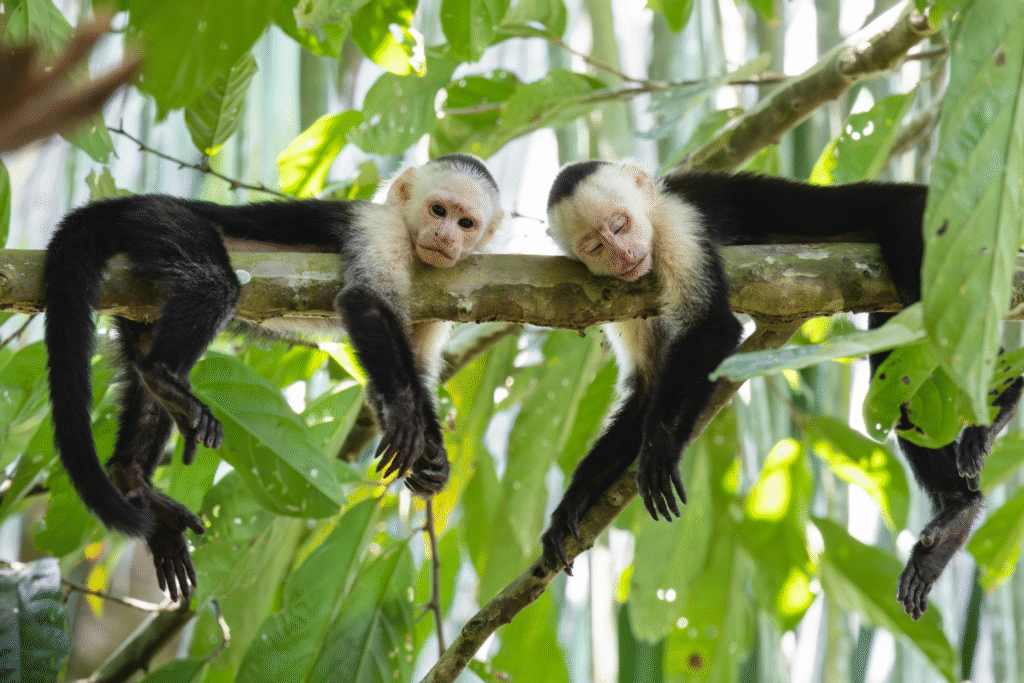
Wild capuchins depend on constant interaction with their troop, exchanging calls, grooming and physical contact throughout the day. When raised in human homes without other monkeys, they miss the feedback that shapes their emotional regulation. This disconnect aligns with findings on captive primate behavior according to the American Society of Primatologists. Without a social structure, they become anxious, clingy or explosively frustrated.
Over time, the emotional strain intensifies. The monkey may scream, lash out or cling obsessively to one person. Even attentive owners cannot replicate the complexity of primate society. The result is a cycle of need and rejection that destabilizes both monkey and household.
3. Adult strength develops quickly and creates serious risks.
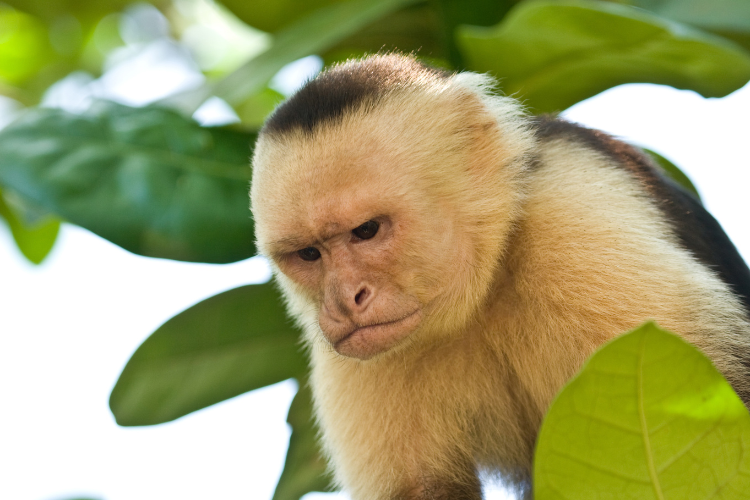
Capuchins build muscle rapidly, and by four to five years old, they possess impressive grip strength and defensive reflexes. Veterinary and sanctuary records have documented frequent injuries from capuchin bites or sudden attacks, as stated by the International Primate Protection League. Their speed and coordination outmatch most humans, making restraint dangerous and unpredictable once physical maturity arrives.
These changes often catch owners off guard. A monkey that once relied on bottle feedings or cuddles becomes strong enough to injure during a single startled reaction. Many bites happen during routine handling, moments when the monkey feels overwhelmed and reacts instinctively.
4. Territorial instincts appear suddenly and escalate dangerously fast.
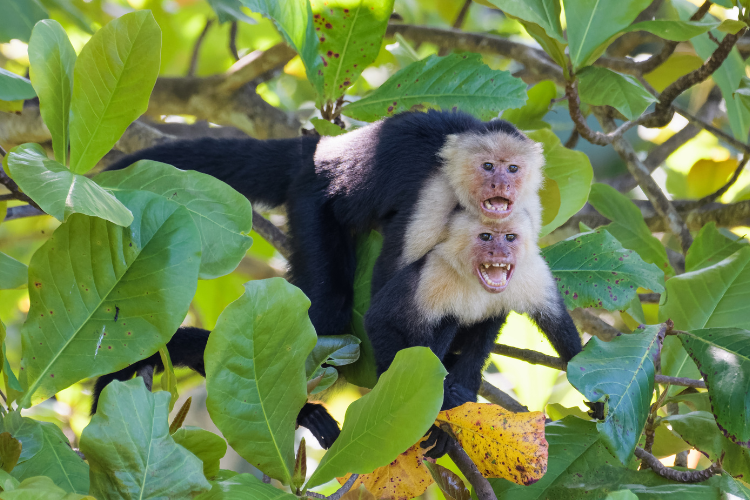
As capuchins age, they begin guarding spaces, objects or favored individuals. A casual attempt to retrieve a toy or approach a protected area can provoke a sharp reaction. These behaviors stem from natural instincts that evolved to secure resources in the wild.
Territorial displays grow stronger with maturity, especially in homes with children or frequent visitors. The monkey interprets everyday movement as a challenge and reacts with escalating defensiveness. Once this pattern takes hold, managing it safely requires training beyond what most owners possess.
5. Emotional volatility makes daily interactions deeply unpredictable.
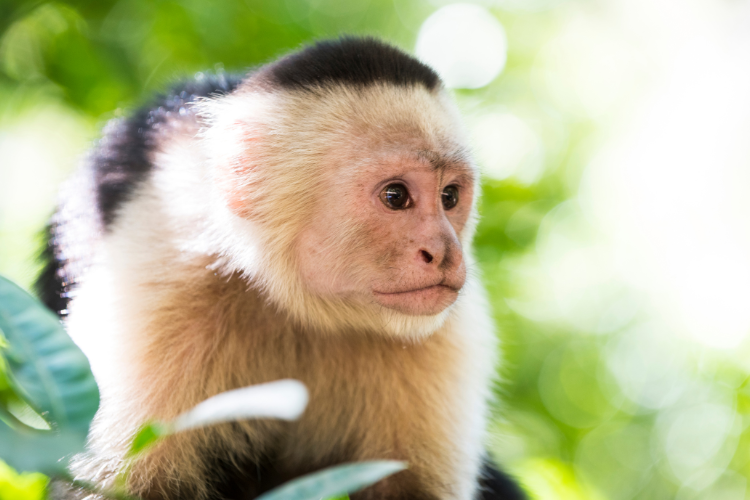
Capuchins shift from playful to distressed within seconds. A small change in routine, tone of voice or denied object can trigger intense reactions. These emotional swings reflect the complexity of primate cognition rather than simple misbehavior, yet the impact on the household is the same.
Owners often misread these outbursts, responding with frustration or inconsistent boundaries. Over time, the monkey learns to escalate to get relief or attention. This creates a feedback loop that reinforces instability and heightens reactivity.
6. Complex dietary needs overwhelm most inexperienced owners.
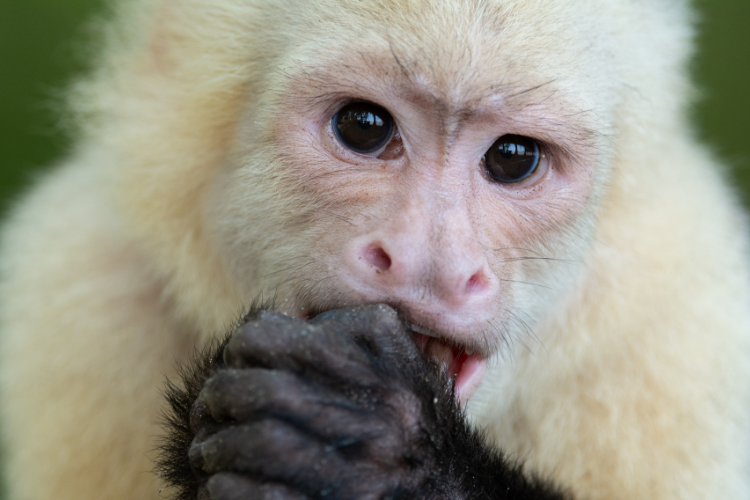
Capuchins require diets built around fresh produce, insects and specialized supplements. Maintaining nutritional balance demands precision because deficiencies lead to metabolic disorders and bone weakening. Many owners underestimate how quickly problems emerge when the diet is off.
As the monkey matures, dietary adjustments become even more important. The need for varied textures and nutrient sources grows, and shortcuts lead to long term damage. Preparing these meals becomes a daily task that rivals caring for a demanding toddler with medical needs.
7. High energy levels strain even spacious captive environments.
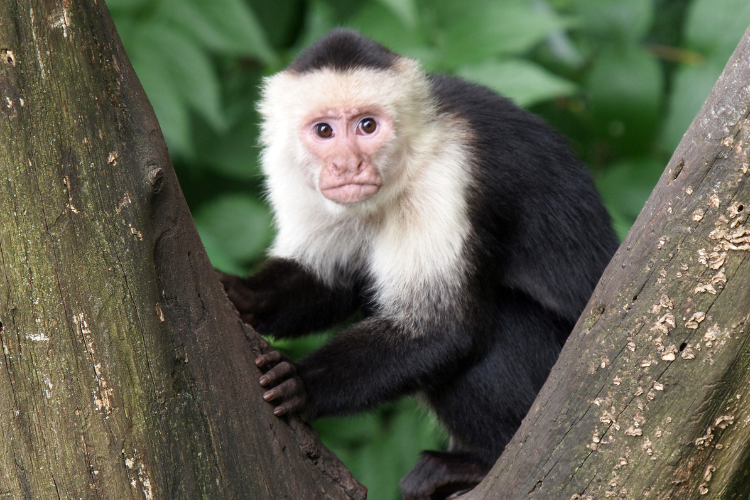
Capuchins evolved to travel long distances, leap between branches and forage constantly. Homes and apartments restrict these instincts, even when owners install climbing structures. The mismatch between environment and natural behavior leads to restlessness, pacing or destructive exploration.
Daily enrichment becomes essential and exhausting. Without constant stimulation, the monkey seeks outlets that often cause household damage. Even outdoor enclosures rarely match their need for complex movement, leaving the monkey chronically under stimulated.
8. Capuchin longevity creates decades of demanding responsibility.
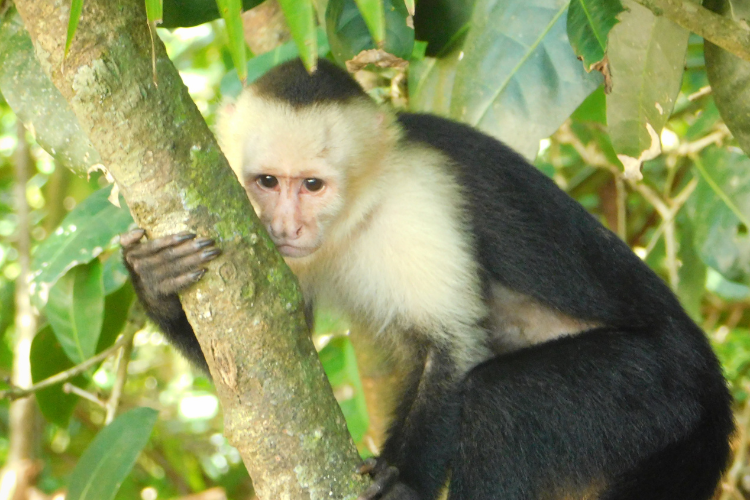
With lifespans reaching thirty to forty years, capuchins require commitment that spans major life changes. Jobs shift, relationships evolve and living situations change, yet the monkey’s needs remain intense and inflexible. Many owners do not anticipate the emotional toll of such long term care.
When circumstances shift, rehoming becomes almost impossible. Sanctuaries operate at capacity, and facilities must prioritize monkeys with the greatest need. Families often find themselves trapped between responsibility and inability, with few safe solutions.
9. Legal restrictions complicate ownership more than people expect.
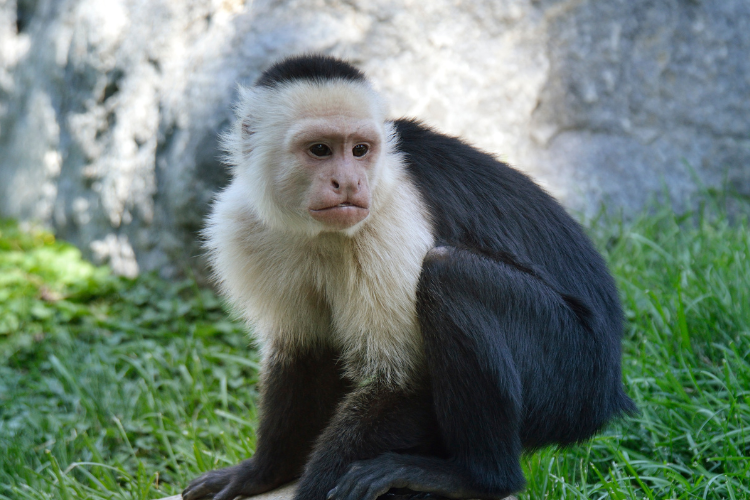
Laws governing primate ownership vary widely across states, counties and cities. Some areas require specialized permits, while others prohibit primates entirely. These regulations shift over time, leaving owners vulnerable to sudden legal changes.
Moving or failing to meet requirements can lead to confiscation or legal penalties. Insurance and liability concerns add another layer of complexity, making ownership a bureaucratic challenge even before considering the animal’s intensive needs. The legal landscape often becomes as stressful as the caregiving itself.