
Subtle warnings are emerging beneath the coast.
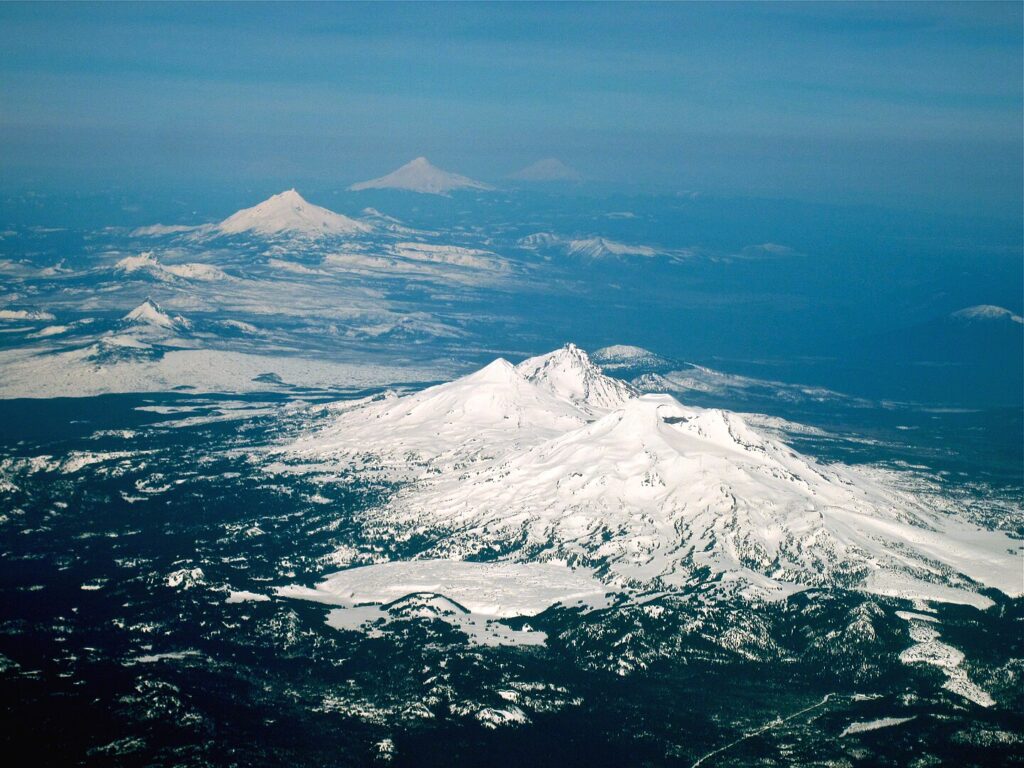
For more than three centuries the Cascadia Subduction Zone has remained unnervingly quiet, a silence so complete that early geologists once questioned whether it was active at all. Now new data from ocean floor sensors, coastal GPS stations and deep sediment cores is revealing movement that does not match the calm surface above. The signals are faint, but together they are shifting the mood among researchers who study one of North America’s most formidable geological threats.
1. Seafloor sensors detected unexpected pressure changes.
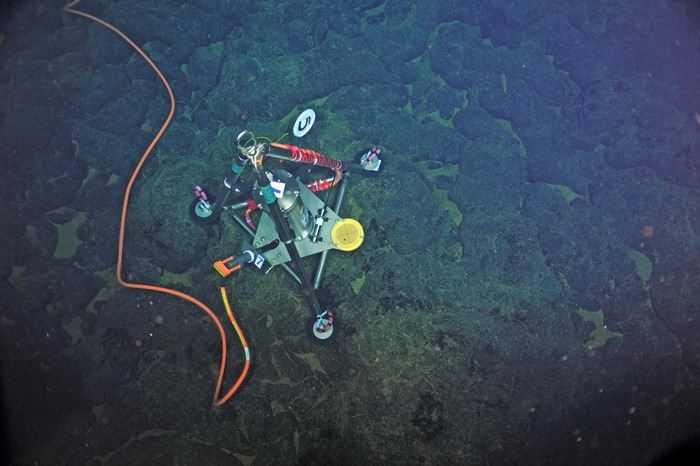
Ocean bottom pressure recorders off the coast of Washington registered small but consistent fluctuations that differed from routine tidal cycles. The timing lined up with subtle deformation patterns measured onshore, according to the United States Geological Survey. The combined signals suggested strain was increasing along the locked section of the fault.
As the data accumulated, researchers realized the pressure shifts were not isolated events. The slow buildup hinted at deeper movement that could not be seen from the surface. These early tremors of strain did not indicate immediate danger but confirmed that the quiet zone was slowly tightening.
2. Inland GPS stations revealed creeping ground deformation.
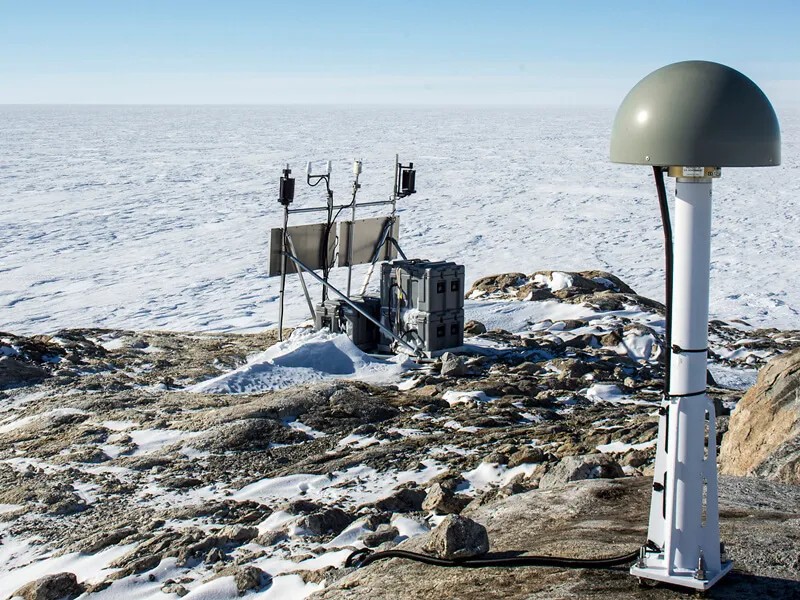
High precision GPS stations scattered across Oregon began drifting eastward at a measurable rate. The shift was slight but consistent, signaling the overriding plate was being pulled toward the continent as the fault continued to lock, as stated by the Pacific Northwest Seismic Network. This slow motion deformation matched patterns seen before major subduction earthquakes worldwide.
Over several months, the movement strengthened the case that stress was accumulating beneath the region. The land itself seemed to be leaning inward with each passing week. Researchers noted this behavior as a sign the system was entering a new phase of strain, one that demanded closer monitoring.
3. Deep core samples exposed evidence of past violent ruptures.

Geologists analyzing marsh and offshore sediment cores found layers of sand washed far inland, evidence left behind by ancient Cascadia tsunamis. Several layers matched the devastating event of 1700, as discovered by the Geological Society of America. These records gave researchers a clearer picture of the fault’s history and confirmed its capability for sudden, massive ruptures.
Each core told a story of calm periods broken by moments of extraordinary force. The geological timeline showed long intervals of silence leading directly into catastrophic release. As scientists compared modern data to ancient patterns, the parallels became harder to ignore.
4. Newly detected tremor clusters hinted at shifting strain.
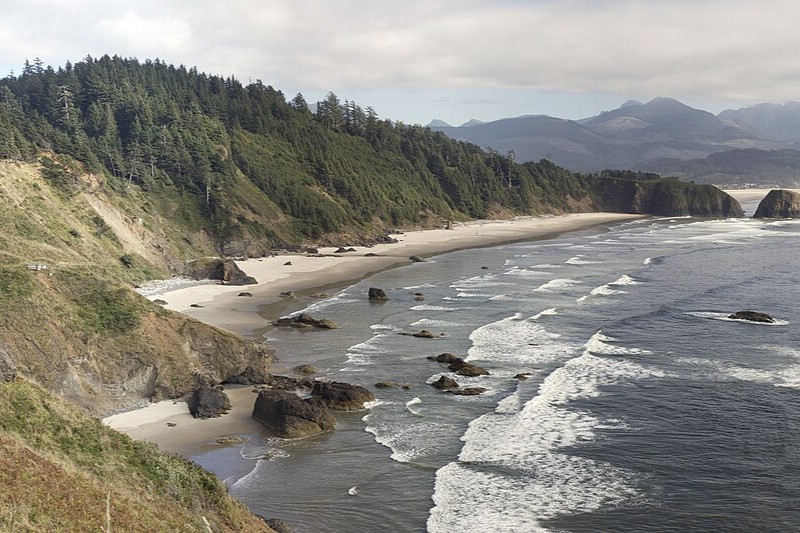
Clusters of low frequency tremors appeared beneath southern Vancouver Island and coastal Oregon, marking areas where the fault was adjusting quietly. These tremors often act as precursors to larger changes in the system. They signaled movement deeper within the subduction zone as stress transferred slowly along the plate boundary.
While these tremors did not threaten communities directly, their timing and distribution helped researchers map how strain traveled underground. The clusters highlighted sections of the fault that were beginning to slip in response to growing pressure, forming the earliest signs of shifting behavior.
5. Offshore fault mapping showed fresh signs of uplift.
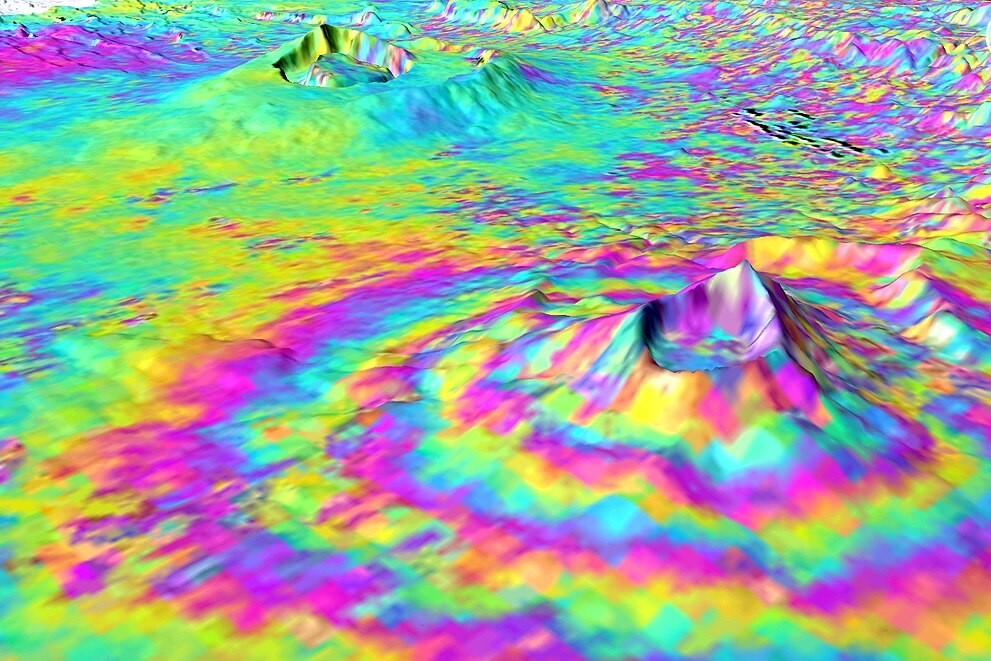
Recent surveys using ship mounted sonar revealed small uplift zones along the seafloor near the locked portion of the fault. Uplift occurs when stress builds up between the converging plates, causing the upper plate to bend upward. This deformation is one of the clearest indicators that strain is accumulating faster than the plate can release it.
The uplift areas aligned with known locked segments that last ruptured in 1700. Their reactivation deepened concerns that the quiet period may be reaching its natural endpoint. The maps offered a visual record of the stress rising beneath the ocean.
6. Changes in coastal groundwater levels raised new concerns.
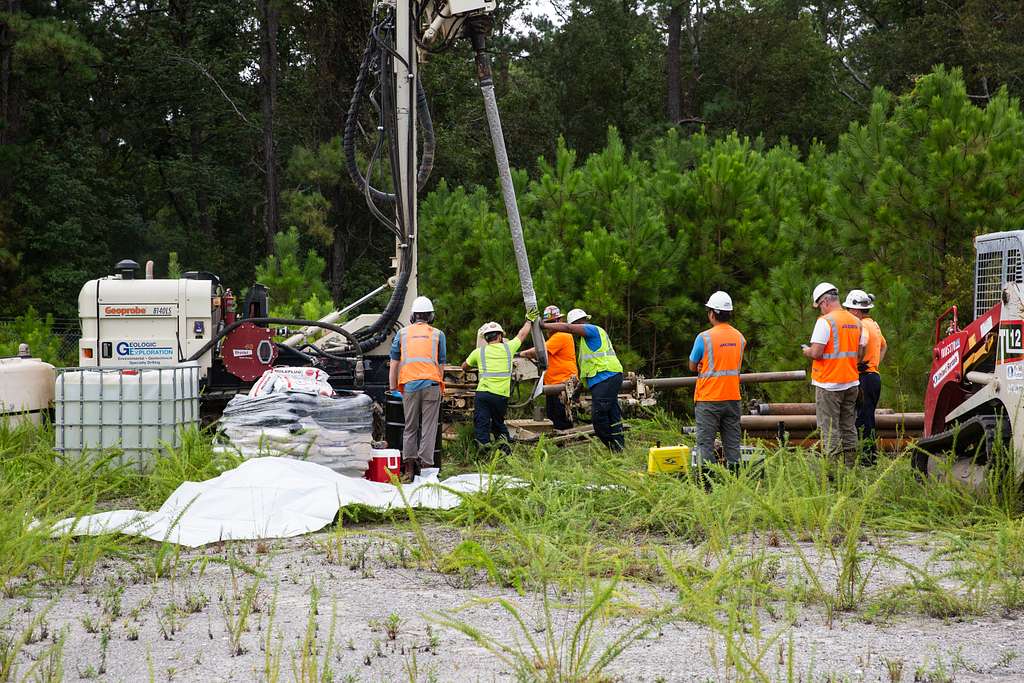
Monitoring wells along the Oregon and Washington coastline showed shifts in groundwater pressure that correlated with subtle crustal deformation. As the land flexed under strain, water levels responded in ways not previously seen during stable periods. These shifts provided another indirect measure of stress building underground.
Communities relying on these wells saw only minor fluctuations, but researchers studying the data recognized a recognizable pattern. Similar groundwater movements have been documented in regions preparing for major subduction zone activity. The signals added to the growing cluster of early warnings.
7. Marine sediment began recording unusual compression patterns.
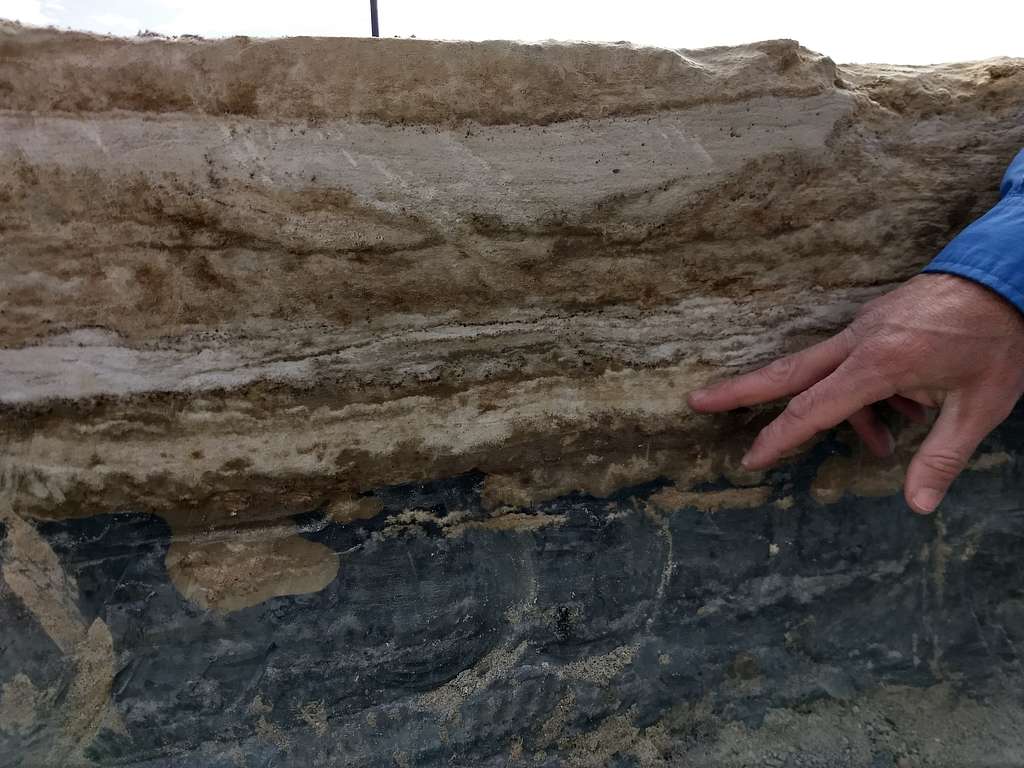
Sediment layers collected near the continental shelf edge revealed compaction changes associated with rising stress along the plate interface. These layers acted like geological memory cards, storing shifts that were happening too deep or too slowly for other sensors to capture. The compaction patterns pointed to renewed tightening along a broad segment of the fault.
This subtle geological rearrangement usually precedes long term buildup. While not predictive on its own, it aligned with other indicators showing the system entering a more active phase. The sediment offered a quiet but reliable signal from beneath the waves.
8. Coastal land surveys confirmed slow subsidence along key zones.

Communities along the Washington and northern Oregon coastline recorded slight but consistent subsidence as the edge of the overriding plate sagged under accumulating strain. This downward movement reflected the plate being drawn toward the fault interface as pressure mounted beneath it.
The measured subsidence was small enough to miss without specialized instruments, yet meaningful enough to raise alarms among geologists. The sinking coastline matched deformation patterns seen before large subduction earthquakes in Japan and Chile. The trend placed the region on a familiar trajectory.
9. Energy release patterns resembled early pre quake behavior.

Seismologists tracking small microquakes beneath the region noticed a shift in how energy was releasing along the plate boundary. While still quiet compared to other faults, the Cascadia zone showed a changing signature that suggested parts of the fault were preparing to transition from deep tremor release to shallower strain accumulation.
These transitions often mark the approach of a new stress cycle. Although no timeline could be drawn from the data, researchers recognized the pattern from other subduction zones. It marked a subtle but meaningful change in the fault’s internal rhythm.
10. The fault’s renewed activity signals a long overdue awakening.
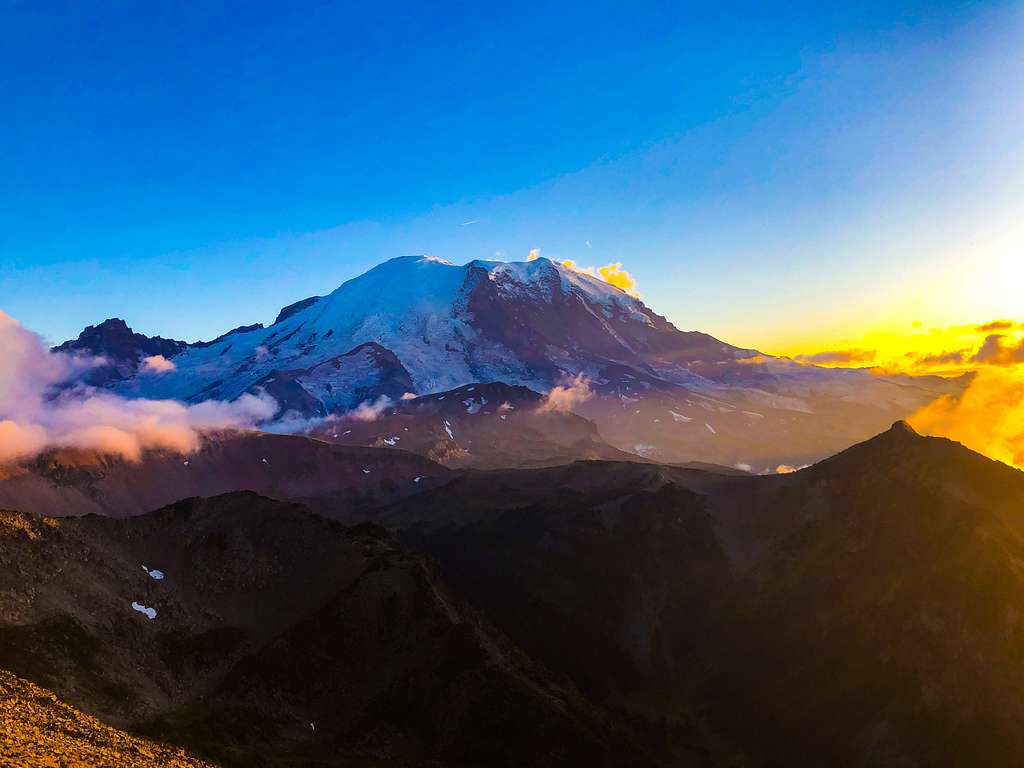
After centuries of silence, the Cascadia Subduction Zone is showing signs of movement that researchers cannot dismiss. The fault has always operated on long timescales, with calm centuries masking its extraordinary power. The recent signals do not guarantee an imminent rupture, but they indicate the system is shifting into a new state of tension.
Communities across the Pacific Northwest depend on understanding these changes. The new data points to a fault slowly preparing for another chapter in its long geological story. The silence that once defined Cascadia is beginning to break, and the region’s future now hangs on what comes next.