
Quiet cellular shifts can suddenly reshape feline health.
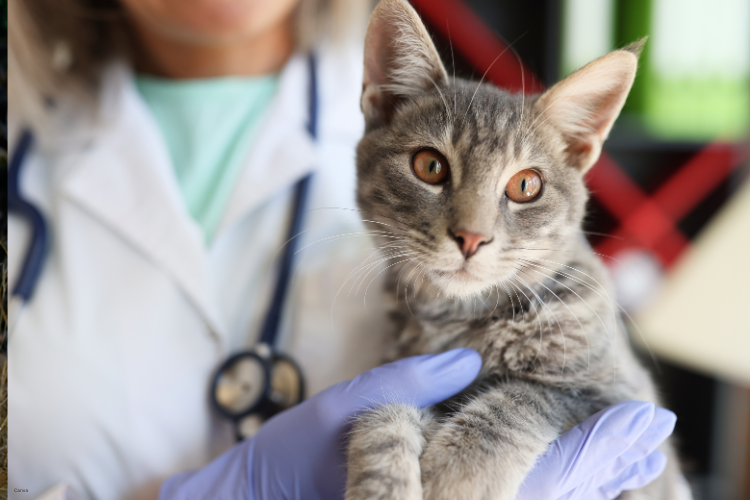
Autoimmune disease in cats rarely arrives with a grand entrance. It tends to move quietly, shaping small changes in appetite, energy or skin before anyone realizes the immune system has started attacking the body it was built to defend. Vets across clinics in North America and Europe often encounter these cases when symptoms have already blurred together, making early recognition both challenging and crucial for long term stability.
1. Immune confusion begins when antibodies misread normal tissues.
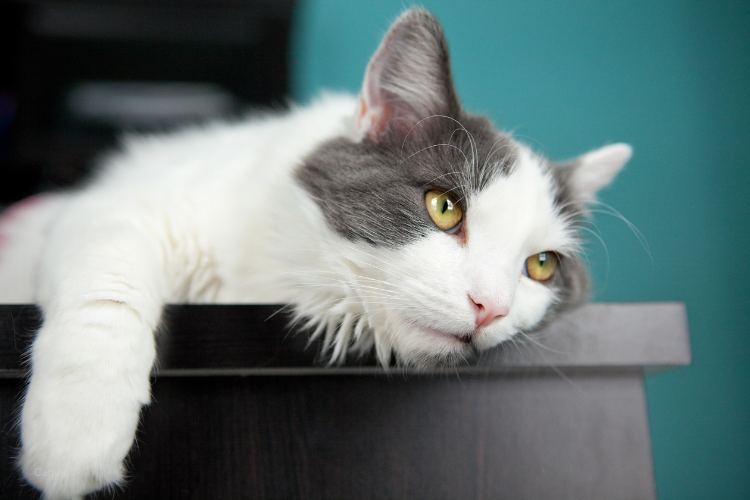
Autoimmune responses form when the cat’s immune cells lose the ability to distinguish healthy tissue from invaders. That misstep snowballs into inflammation that spreads unpredictably. Many vets see this shift in middle aged cats although younger cats can develop it too. The mechanism aligns with broader autoimmune patterns documented in animals, as stated by Merck Veterinary Manual toward the end of its feline immunology section.
Once that internal confusion begins, symptoms often appear in clusters. A cat may develop oral sores, joint stiffness or skin irritation without a clear trigger. Because these signs mimic more common conditions, the early stages can go unnoticed. Paying attention to sudden behavioral changes often becomes the first real clue.
2. A common target is the skin where lesions surface.
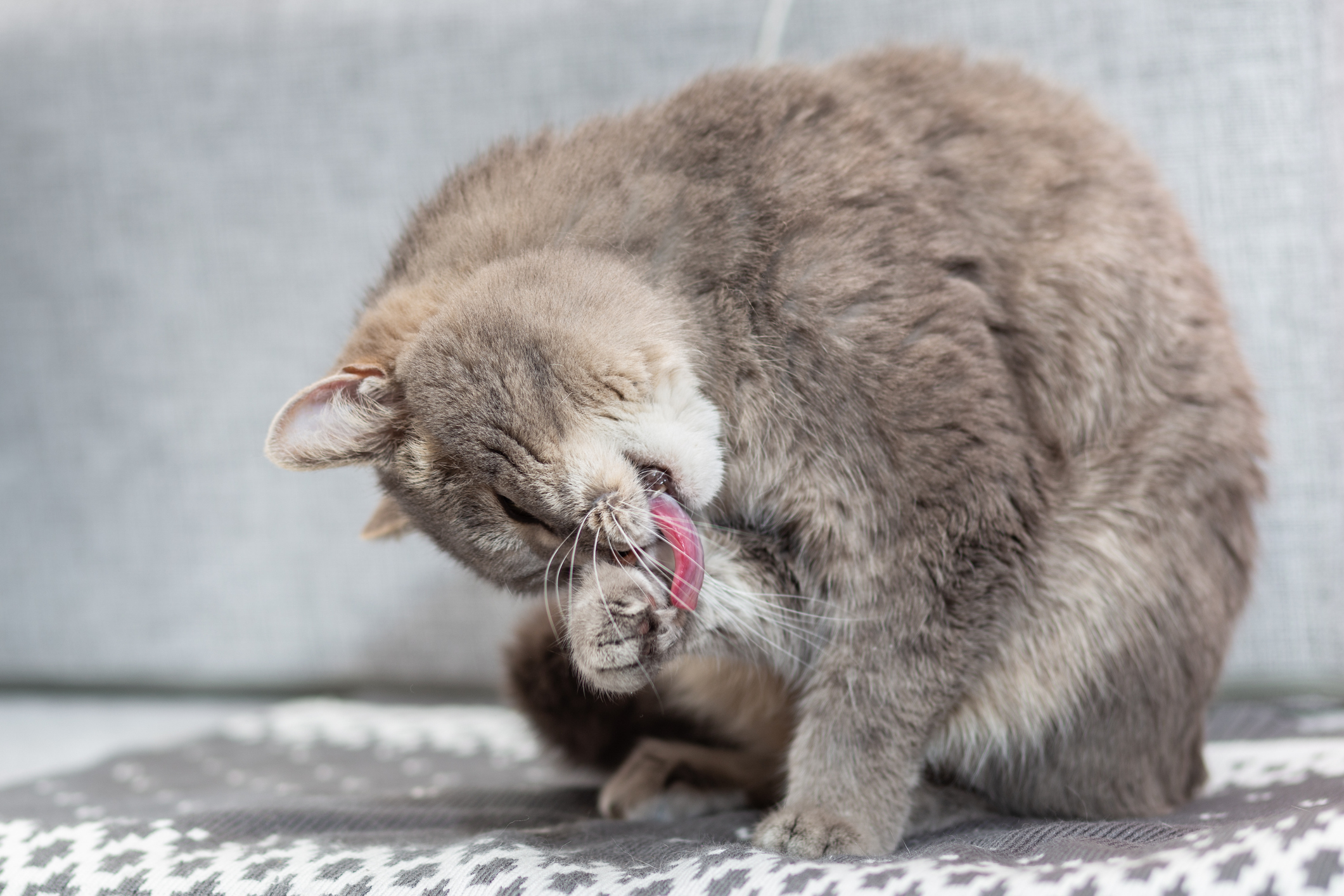
Some autoimmune conditions attack the skin first, creating scabs or crusted patches that appear on the head, ears or paws. Owners usually notice redness that seems out of place or sores that refuse to heal. These signs intensify during stress or seasonal transitions, as reported by Cornell Feline Health Center toward the end of a recent review on immune mediated dermatologic disease.
Cats dealing with this form of autoimmunity often scratch more, which worsens the lesions. The cycle can progress quickly if untreated and sometimes expands to include hair loss across the neck or limbs. Even subtle swelling along the muzzle can offer a meaningful hint that the immune system has turned inward.
3. Red blood cells often become unintended targets in severe cases.

In immune mediated hemolytic anemia, the cat’s immune system destroys its own red blood cells, causing pale gums, weakness and fainting episodes. This dangerous shift emerges fastest in young adult and senior cats, particularly those experiencing chronic inflammation. The mechanism parallels immune disorders in other species, as discovered by American Veterinary Medical Association in discussions of cross species autoimmune patterns.
Energy levels plummet as oxygen carrying capacity drops. Cats may appear detached or uninterested in food, a stark change from normal behavior. Without rapid diagnosis, the body struggles to compensate. Many recover with prompt treatment, though relapses remain possible.
4. Joint inflammation signals deeper immune disruption underway.

When autoimmunity reaches the joints, swelling and stiffness creep into daily movement. Cats may hesitate before jumping or choose shorter routes through familiar spaces. Owners sometimes misinterpret the sluggishness as aging when it actually reflects an inflammatory surge beneath the surface.
Joint based autoimmune disease tends to flare with environmental changes. Damp weather, new stressors or recent illness can nudge symptoms into sharper focus. Not every episode evolves into long term damage, though repeated cycles gradually reduce mobility unless managed well.
5. Oral inflammation often reveals hidden immune tension inside.

Autoimmune processes frequently target the mouth where ulcers and gum swelling disrupt eating. Cats may lick their lips more or approach food gingerly as discomfort builds. These subtle cues matter because oral tissue reacts quickly to immune shifts.
Left unchecked, inflammation spreads across the gums and tongue. Secondary infections follow, intensifying pain and reducing appetite even further. Families usually grasp the seriousness when drooling increases or the cat avoids contact near its face. Addressing the immune imbalance early often makes recovery smoother.
6. The nervous system can suffer when antibodies misfire.
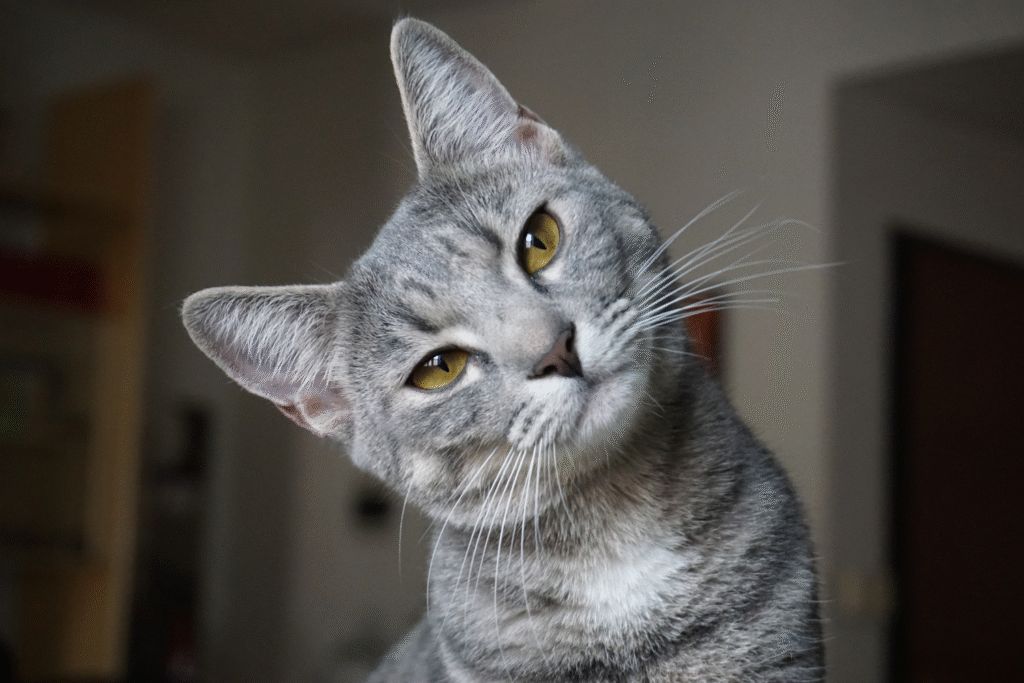
Some autoimmune conditions move into neural tissue, interfering with coordination and reflexes. Cats may tilt their head, stumble or pause before navigating spaces they once mastered. These neurologic signs can mirror ear infections or toxin exposure, making careful evaluation crucial.
Progression varies dramatically. Some cats stabilize after treatment while others experience intermittent setbacks. When the immune system mistakes nerve cells for intruders, the resulting inflammation can reshape behavior and balance for weeks. Recognizing these small shifts early helps guide more effective interventions.
7. The digestive tract becomes vulnerable during immune flare ups.

Autoimmunity sometimes targets the intestine, triggering vomiting, diarrhea or weight loss that worsens without clear explanation. Cats may circle their food, expressing interest but refusing to eat. These patterns often confuse owners because symptoms appear and fade unpredictably.
Repeated inflammation weakens nutrient absorption. Over time, the cat’s energy wanes even during calmer periods. Managing diet, stress and medication together often brings relief, though the digestive system can remain sensitive long after flare ups settle.
8. Chronic fatigue emerges as inflammation spreads across systems.
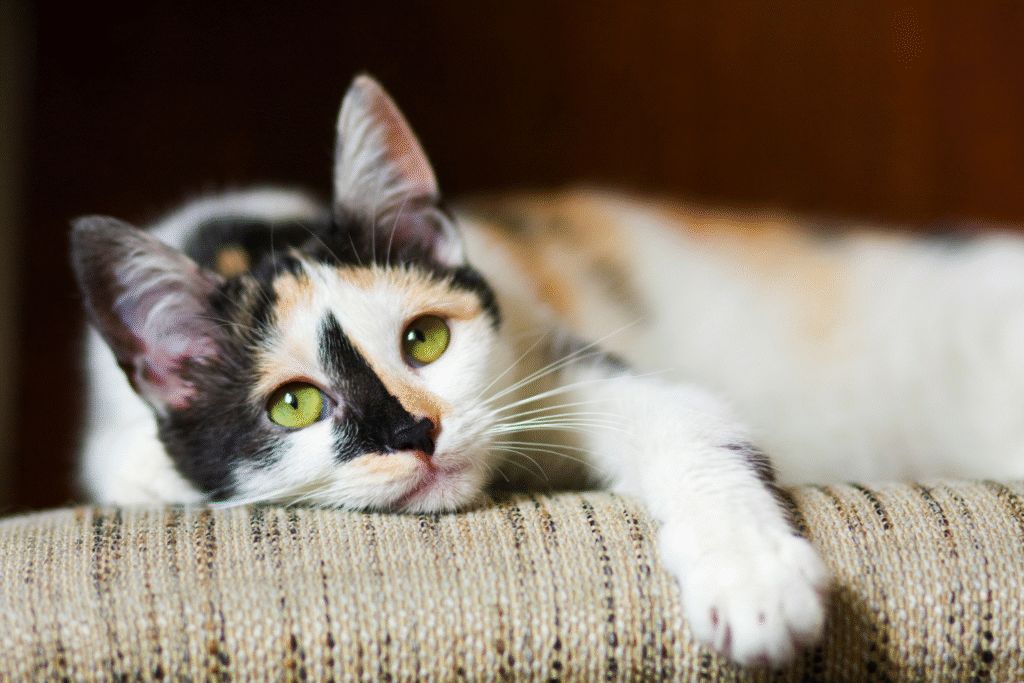
Autoimmune disease drains a cat’s stamina even before outward symptoms become obvious. Cats may sleep longer during the day or retreat from social spaces they normally enjoy. The change can be subtle yet steady, signaling internal immune strain.
Fatigue deepens as multiple organs respond to ongoing inflammation. Muscles weaken, grooming habits decline and daily routines shift into slower patterns. Families often sense that their cat feels unwell even when specific symptoms remain blurred. That intuition frequently proves accurate once testing is performed.
9. Recurring fevers reveal the immune system’s constant battle.
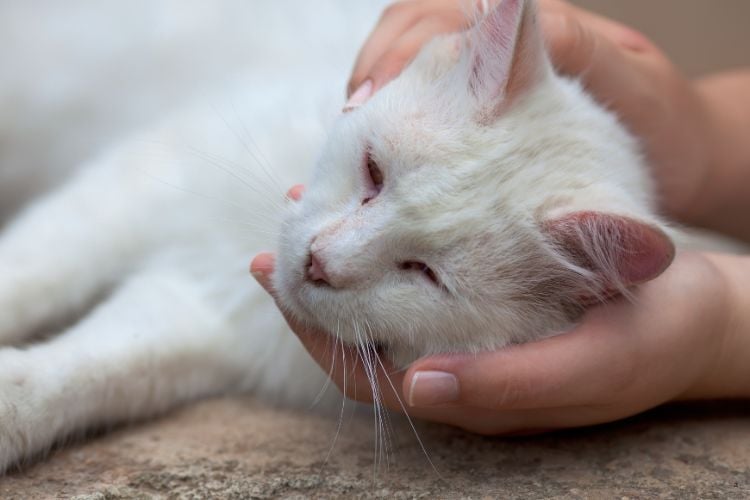
Fevers arise when the immune response remains active without a clear infection. Owners may feel warmth around the cat’s ears or notice extended resting periods after minor activity. These fevers cycle, lifting briefly before returning.
Because fever alone hints at many conditions, the pattern matters more than the moment. Persistent immune activation wears the body down. When fevers pair with changes in appetite or energy, autoimmunity becomes a stronger possibility. Tracking these fluctuations helps guide accurate diagnosis.
10. Early treatment decisions shape long term outcomes significantly.
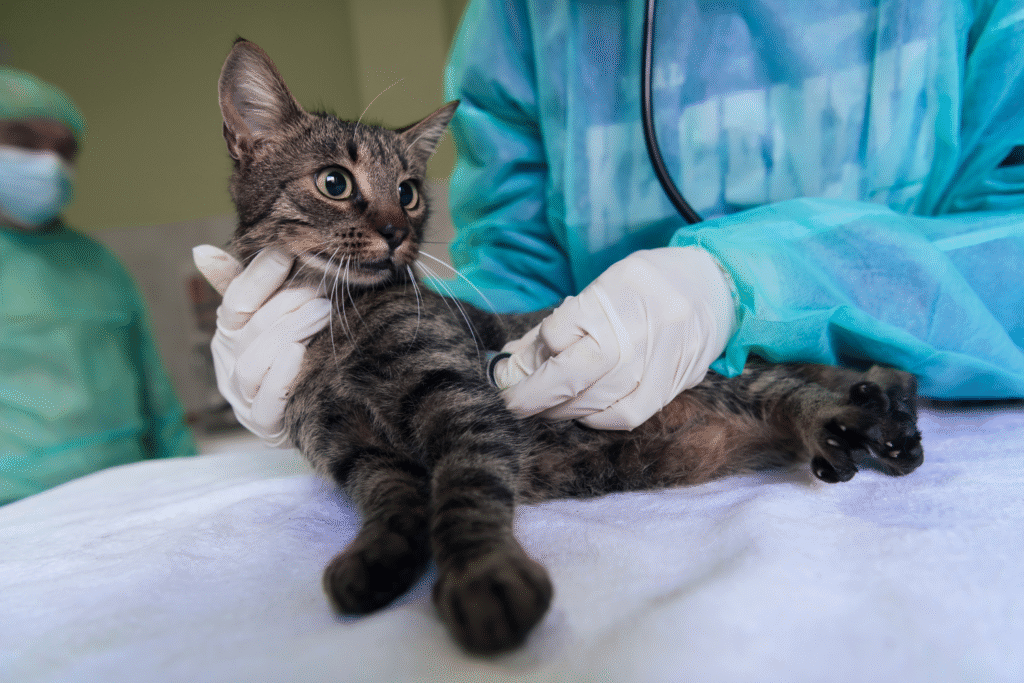
Once autoimmune disease is identified, treatment often centers on calming the immune response without compromising essential defenses. Steroids or targeted immune modulators form the backbone of therapy in many cases. The cat’s age, lifestyle and history all influence which approach works best.
Recovery rarely follows a straight line. Symptoms may fade slowly, stabilize, then flare under stress. Many cats achieve a comfortable balance with attentive care, predictable routines and regular monitoring. The key becomes understanding how the immune system responds over time so adjustments can keep pace with its shifts.