
A hidden threat waiting in ordinary outdoor spaces.

Veterinarians across the United States and Canada see a seasonal surge in neurological emergencies caused by a surprisingly small culprit. The Cuterebra botfly larva waits in grasslands and quiet burrows, emerging during late summer when young and curious cats explore shaded edges of yards. Once the larva enters the body, its rapid movement toward warm tissue can trigger dangerous swelling, especially when it reaches the brain, creating crises that escalate faster than most owners expect.
1. Cuterebra larvae invade through simple outdoor contact.

Cats encounter botfly eggs when exploring rodent trails or rabbit nests during warm months. The eggs hatch upon touch, releasing larvae that slip into small facial openings. These events follow patterns described according to the American Veterinary Medical Association, which highlights how quickly larvae migrate beneath the skin.
Once inside, they move steadily toward oxygen rich areas. Some remain under the surface, while others continue deeper. When migration progresses toward the skull, owners often notice sudden confusion or imbalance that seems to appear without warning, revealing how swiftly the process overwhelms a healthy cat.
2. The larva can travel through tissue into the skull.

After entering through nasal passages or small wounds, the larva may cross into the cranial cavity. Emergency veterinarians in Toronto and Phoenix report abrupt shifts from mild irritation to severe neurological decline in only a few days. These pathways match observations as stated by the Merck Veterinary Manual, which explains how tissue disruption accelerates once the larva reaches sensitive structures.
Cats may show twitching, odd vocalizations, or rapid behavioral changes. As swelling intensifies around the migration route, brain pressure rises. Without immediate intervention, vital functions deteriorate quickly, turning a minor encounter with a hidden larva into a life threatening crisis.
3. Intense inflammation develops once the brain is affected.
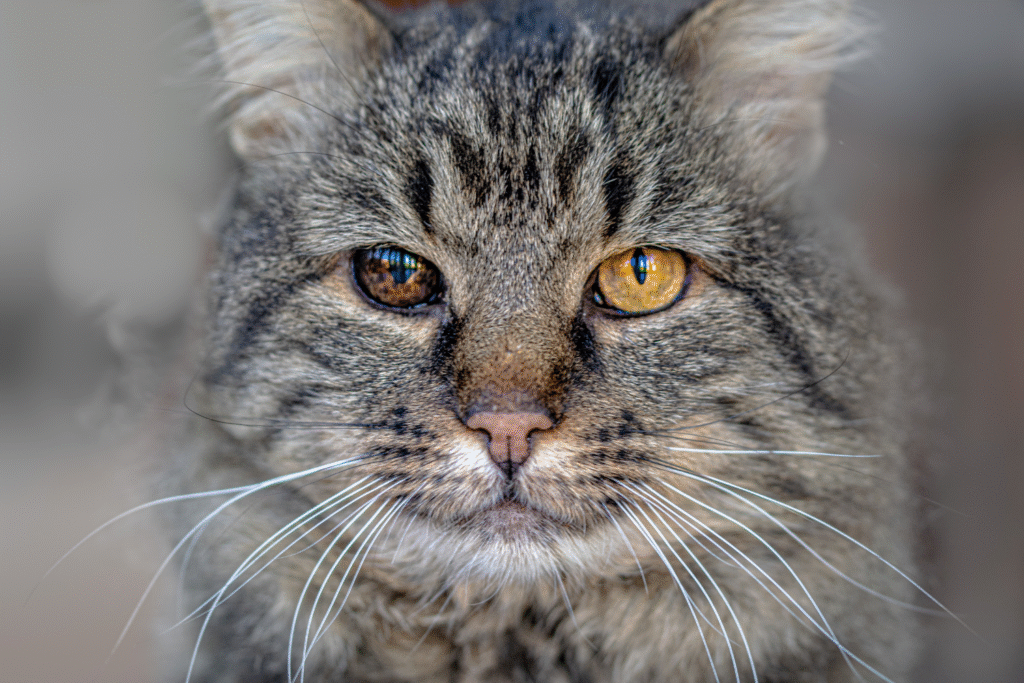
When the larva breaches the skull, it triggers swelling that spreads across nearby neural regions. Neurologists in Montréal and Seattle frequently document seizures, circling, or sudden blindness as hallmark signs. These reactions mirror patterns as reported by the Centers for Disease Control and Prevention, which notes similar inflammatory responses in other mammals exposed to larvae.
The inflammation often progresses faster than owners anticipate. A cat that seemed mildly unsteady in the morning may lose coordination entirely by evening. As pressure builds, crucial neural circuits falter, leaving very little time for effective stabilization.
4. Early symptoms appear subtle and easily overlooked.

Some cats begin with light sneezing or gentle pawing near the face. Owners often assume allergies or minor irritation. As the larva moves, symptoms shift into brief confusion or wobbly steps that resolve quickly, creating uncertainty about severity.
The escalation usually happens without much warning. A change in gait or a short moment of disorientation can be the earliest sign of neurological involvement. Vets emphasize that cats hide discomfort well, making small behavioral details important clues when this parasite begins its migration.
5. Environmental hotspots raise risk for outdoor cats.

Backyards with woodpiles, shaded fences, or small animal burrows often contain botfly eggs during warm months. Cats exploring these areas out of curiosity unknowingly enter active zones of exposure. Even supervised outdoor time can bring them near nests where eggs wait for contact.
Because Cuterebra species follow predictable seasonal cycles, encounters rise sharply in late summer. Owners may clear brush or maintain lawns, yet cats still cross into neighboring yards or green spaces. These habitats broaden exposure, turning ordinary outdoor activities into moments of risk.
6. Distinct neurological signs emerge as swelling spreads.
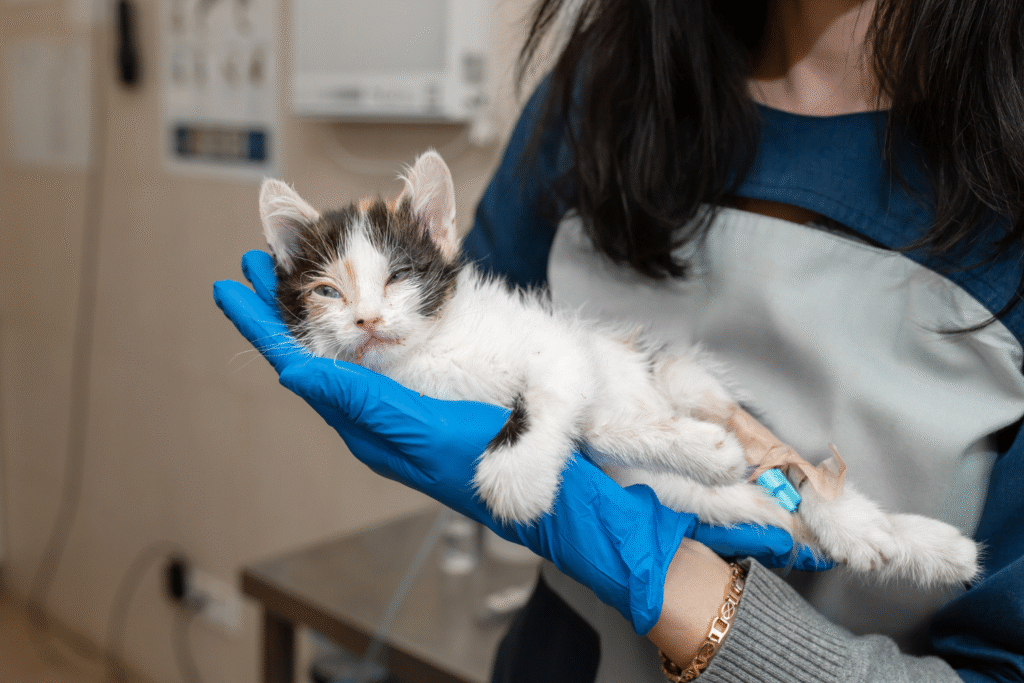
Once the brain becomes inflamed, symptoms shift quickly. Some cats experience violent seizures, while others drift into confusion or unresponsiveness. The pattern depends on which neural regions endure the most pressure.
As inflammation continues, cats may lose balance, vision, or awareness of surroundings. These episodes often progress unevenly, creating waves of improvement and decline. Vets work to stabilize the brain while monitoring for new deficits, yet the outcome hinges on how long the larva has been present before treatment begins.
7. Accurate diagnosis depends on imaging and careful observation.
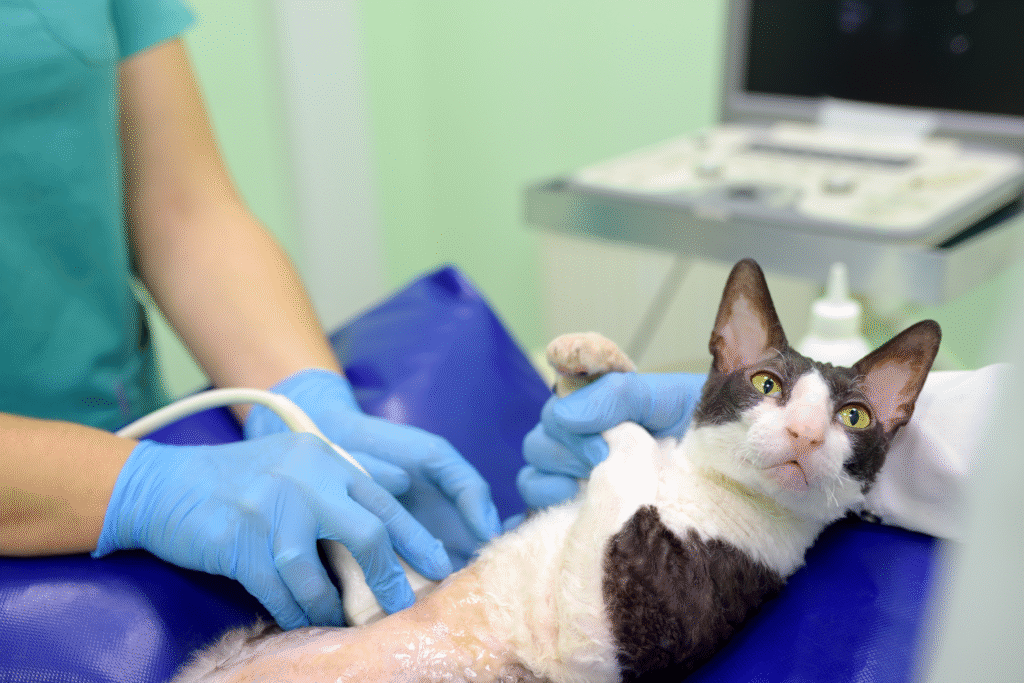
Because early symptoms resemble other conditions, vets rely on MRI or CT scans to locate lesions or signs of larval migration. Routine exams rarely reveal the issue directly, making imaging essential for clear understanding.
Owners often provide critical details about behavior changes, giving the veterinary team context that guides testing. Rapid imaging offers the best chance at identifying the source of inflammation. When delays occur, swelling continues unchecked, making treatment far more challenging.
8. Treatment aims to reduce swelling and prevent further damage.
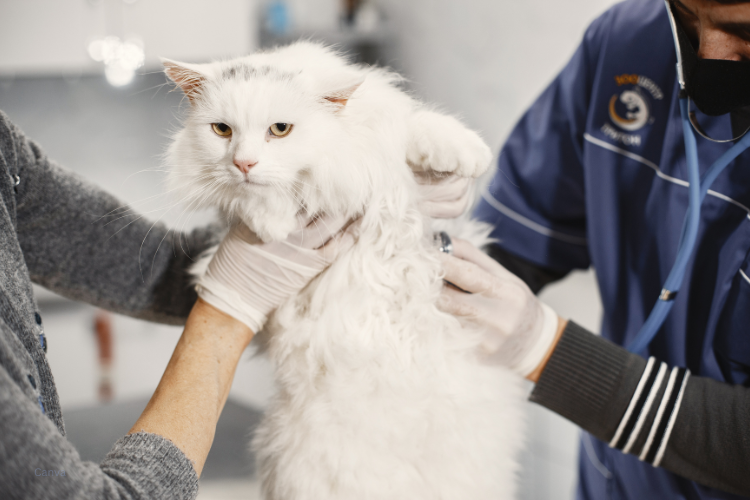
If the larva remains intact, removal must occur with extreme precision to avoid rupture that worsens inflammation. Anti inflammatory medication and seizure control usually begin immediately as vets work to protect neural tissue.
Recovery varies with severity. Some cats regain normal behavior over weeks, while others show lasting neurological differences. Quiet environments and consistent monitoring give the brain time to heal. Steady progress often reassures owners, though the unpredictability of neural injury requires patience and close veterinary supervision.
9. Prevention depends heavily on limiting high risk exposure.
Keeping cats away from rodent nests and reducing access to brush filled areas lowers the chance of contact with botfly eggs. Many owners limit outdoor time during peak seasons or create enclosed spaces to control exploration.
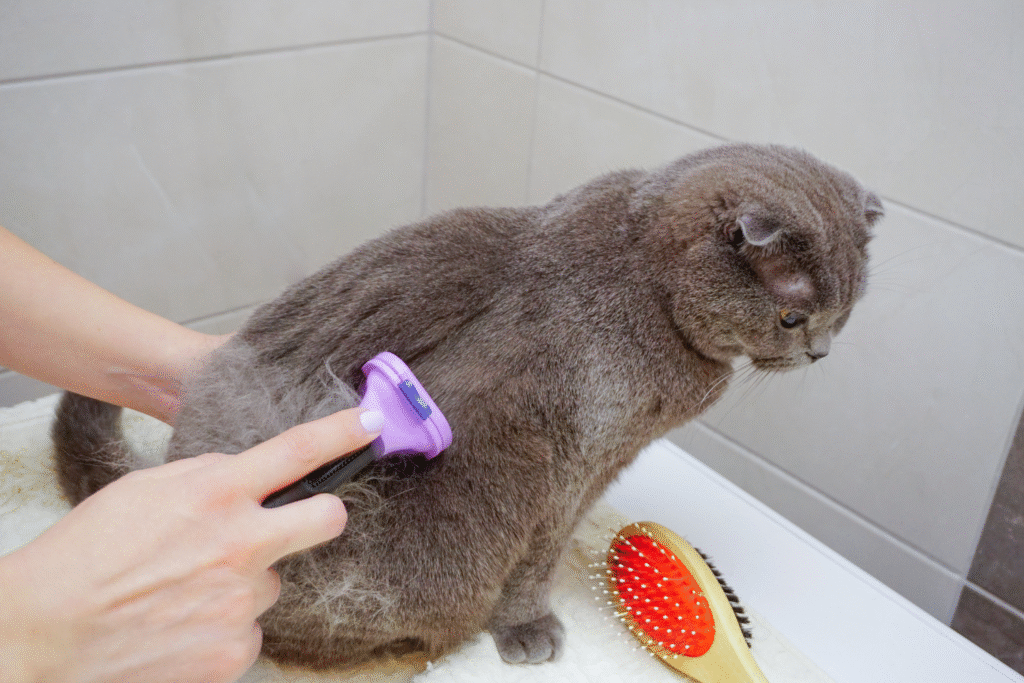
Regular grooming helps catch early skin changes that may suggest larval entry. Indoor living remains the safest option, yet even partial prevention reduces risk significantly. Awareness becomes the strongest protection, allowing families to respond quickly when something feels off in a cat’s behavior.