
The signs are subtle, but they add up.
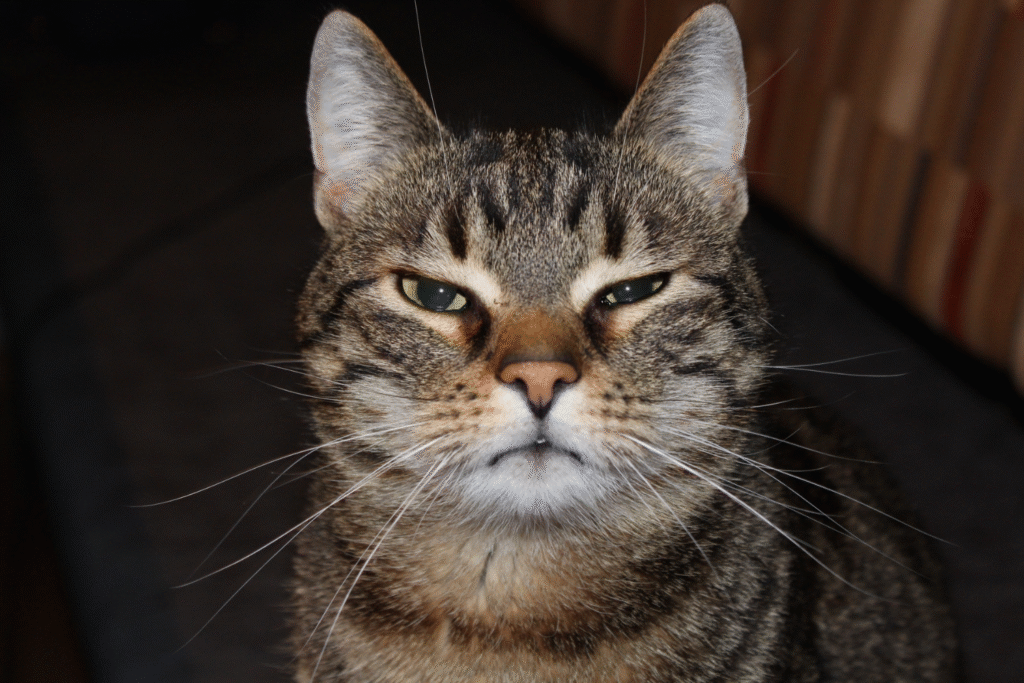
Cats rarely stage dramatic protests when they feel overlooked. More often, the shift shows up in small behavioral changes that are easy to dismiss at first. A little more distance. A little more noise at inconvenient times. A new habit that seems random until it isn’t. Feline behavior experts say attention, even brief and consistent interaction, plays a bigger role in emotional stability than many owners realize. When that rhythm changes, your cat adjusts, and not always in ways you expect.
1. Your cat may feel neglected when you stop interacting consistently.
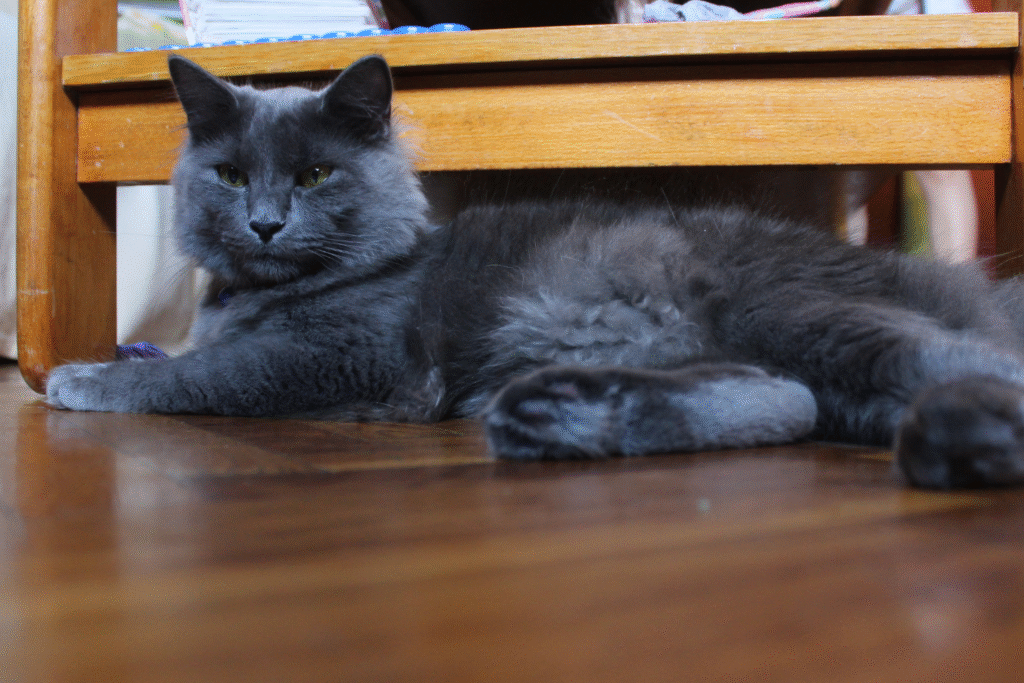
Cutting back on petting, play or even simple presence can leave your cat feeling overlooked. Experts say that although cats do value independence, they still rely on predictable engagement with their owner to feel secure, as stated by PetMD. In that shift your cat might withdraw, avoid you or become less playful because their expectations for interaction have changed. The mood in that room can quietly shift for them, just as it might for us when we feel unseen.
2. Your cat recognises you calling its name even if it doesn’t respond.
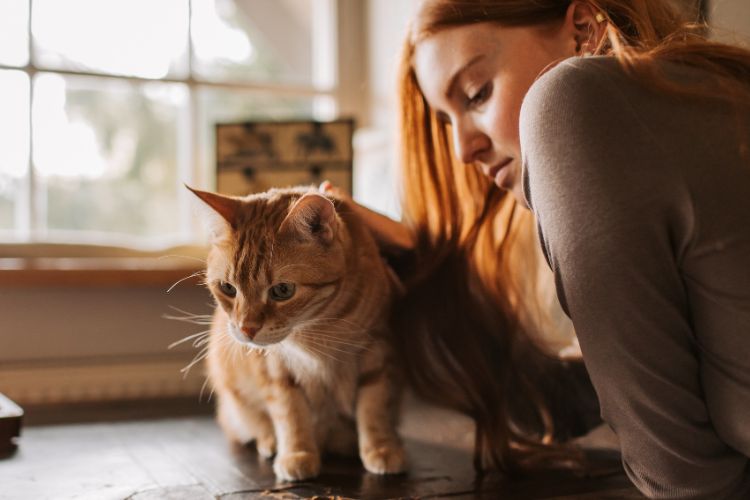
When you say your cat’s name and it doesn’t come, the reason may not be stubbornness but choice. According to new research cats can differentiate their name from other words and sounds, as reported by CVETS. They hear you and know you’re trying to engage, yet if you’ve been ignoring them they might decide that today is not the day for connection. That silence speaks volumes in the feline world, they’ve registered the call but opted out.
3. Your cat may become more withdrawn due to reduced social cues.

If you stop interacting with your cat the cues they use to navigate your relationship change. As stated by VCA Animal Hospitals cats are not obligate social animals like dogs, so they might simply decide to ignore you and carry on their own business. Yet if that behaviour lasts or is coupled with other changes it can signal emotional shift. Your cat may hide more, reduce vocalising or avoid the spaces where you used to be together.
4. Your cat might feel unimportant and avoid seeking you out.
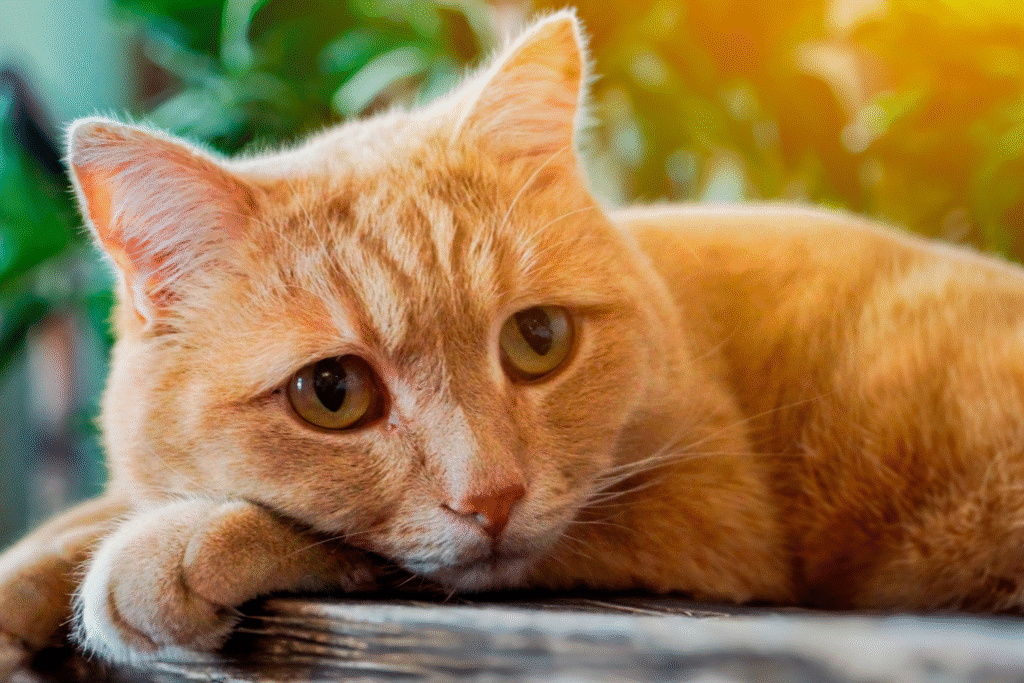
When attention drops off the normal rhythm of greeting, petting and play goes missing, your cat may infer “I’m not on the list today”. Instead of trying harder to get your attention they might simply retreat to their own zones, perches, hiding spots or distant corners. Their mood shifts from expectation to resignation. Over time you’ll notice fewer head nudges, less meowing and a subtle distance growing between you.
5. Your cat could misinterpret silence as stress in the environment.
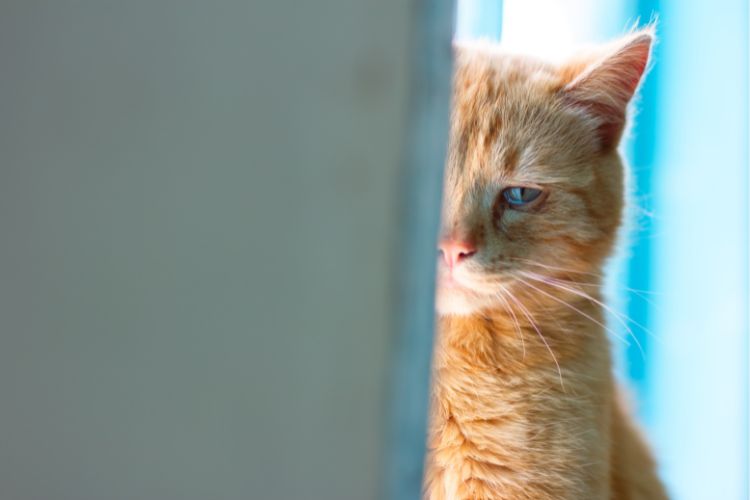
From a feline’s perspective your behaviour signals the state of the household. If you’re less present, your cat might sense something is off and respond by increasing their vigilance. They may pace, stare out of windows, or become more reactive to minor changes. In effect, the withdrawal of your attention becomes another stimulus in their world, one they watch and interpret, sometimes with unease.
6. Your cat may escalate unwanted behaviour to regain your focus.
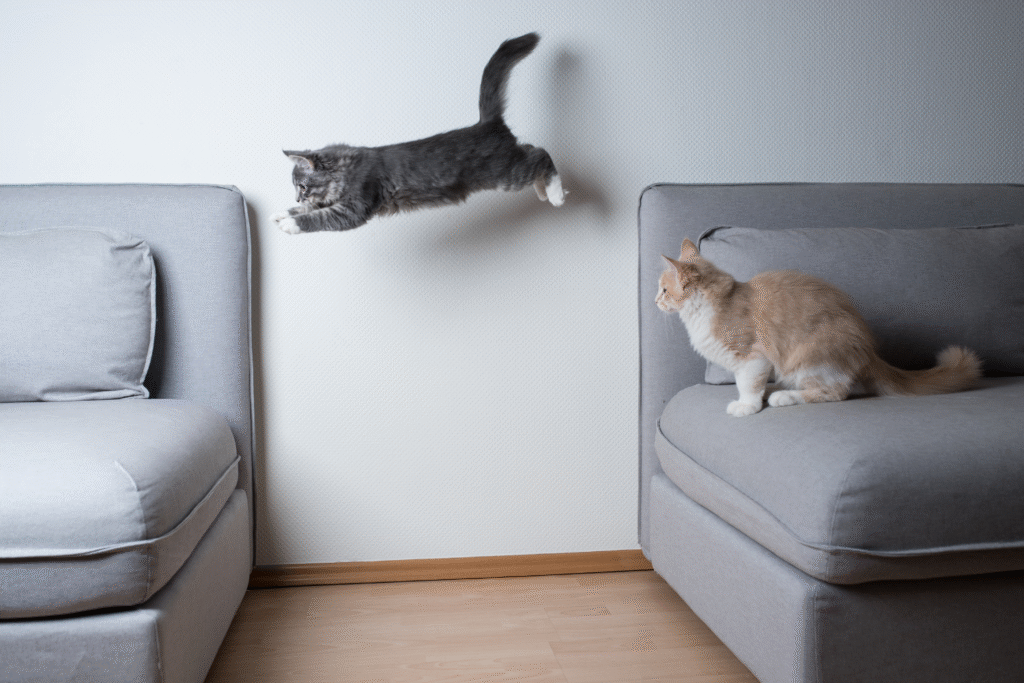
When connection decreases some cats turn up the volume: vocalising more, jumping on counters, knocking items off surfaces. These acts are not just mischief, they’re efforts to reengage. The behaviour specialist literature notes that attention-seeking behaviours often increase when social interaction drops. Without your regular responsive engagement your cat experiments with behaviours that prompt you to notice again.
7. Your cat could develop anxiety from unpredictability in interaction.

Cats thrive on routines and predictable patterns. When you withdraw attention their cues for when interaction happens become inconsistent. That unpredictability can raise stress levels. Veterinary behaviour guides list sudden changes in owner engagement as potential triggers for anxiety or avoidance behaviour in cats. Your feline friend might become more jumpy, hide more often, or even stop eating as they adjust to the new dynamic.
8. Your cat may believe it must adjust to being less central in your life.
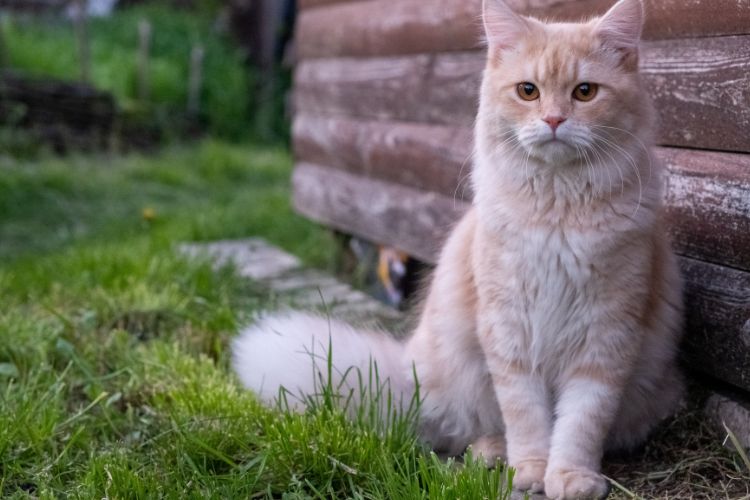
In households where attention shifts away from the cat, because of a new baby, more remote work, or other demands—the cat might adapt by reducing bids for companionship. They may accept being more independent, which can be mistaken for aloofness. The change is gradual and subtle, but you’ll sense that your cat is less a participant in your daily rhythm and more a parallel presence. They adjust their expectations accordingly.
9. Your cat might reduce its social overtures toward you as a protective measure.

If your cat experiences repeated situations where engagement was hoped for but not fulfilled they may stop trying. That means fewer approaches, less vocalisation, less soliciting of petting. This is not indifference, it’s adaptation. They conserve emotional resources. Over time you’ll conclude “they don’t seem to care” while in truth they simply decided “I won’t invest when the return isn’t there”.
10. Your cat could change its bond style based on your pattern of attention.
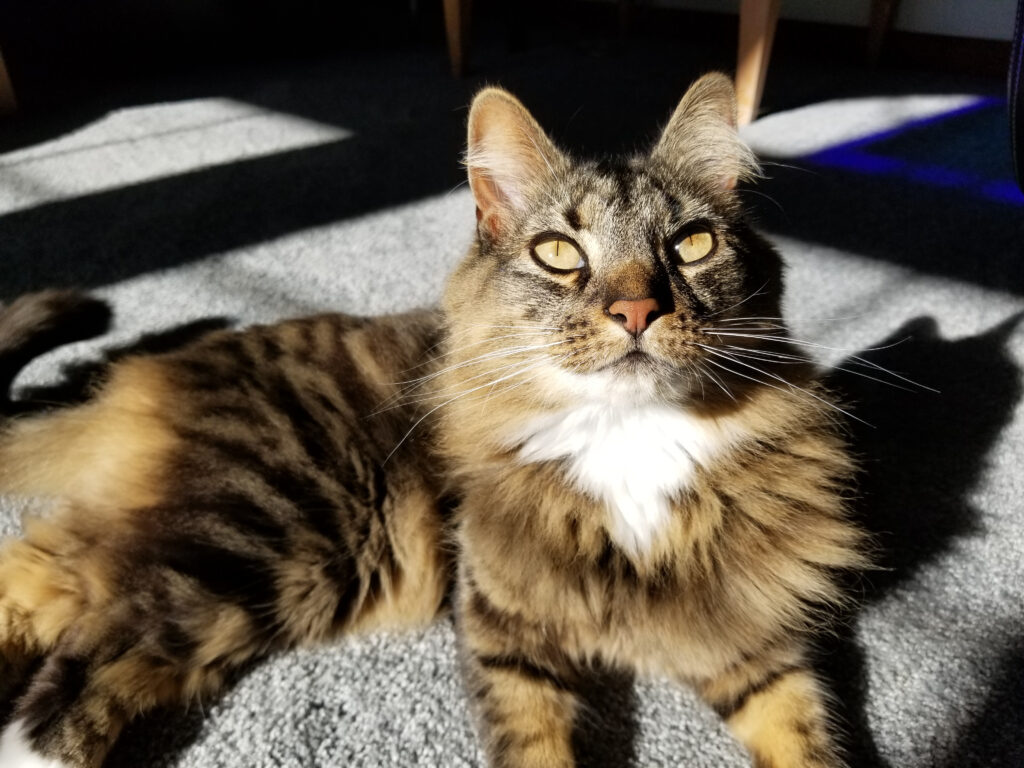
Cats are relational creatures in their own way, adapting their social strategy to your availability. With less interaction they may shift to a lower‐contact bond: hanging out nearby but not in lap, sometimes looking at you but not approaching. Your cat still values you, but shows it differently. Recognising that pattern helps you respond, maybe not with full intensity every moment, but with intention and consistency when you are present.