
Key facts about sudden cardiac collapse in cats.

When we think of our cats growing old we often imagine them quietly winding down, but for some felines sudden heart failure can arrive without warning. This is not just about age, it is about hidden changes in the heart muscle, blocked blood flow or silent rhythm disturbances that catch both owner and pet off guard. Knowing what signs to watch for and the situations that elevate risk gives you a chance to act early rather than react when catastrophe strikes. Here are ten essential reasons every cat guardian should understand about sudden heart failure.
1. Cardiomyopathy is the leading cause of sudden cardiac collapse in cats.
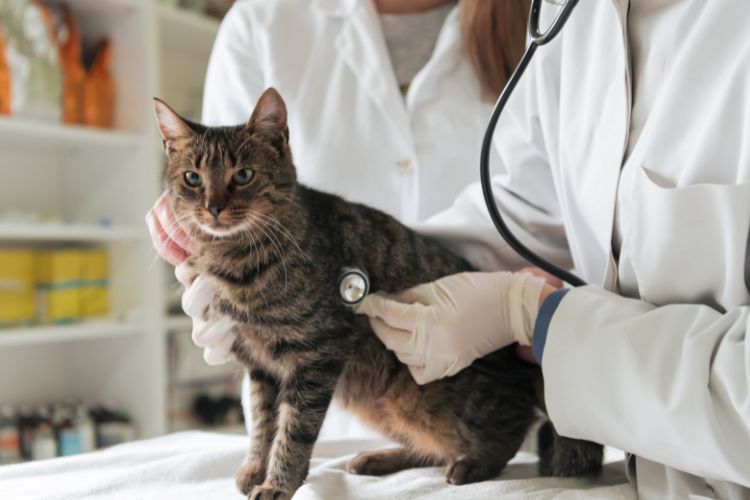
Many cats develop a condition where the heart muscle becomes abnormally thick or stiff and cannot pump normally, and this condition frequently leads to rapid deterioration without prior symptoms as stated by the MSD Veterinary Manual. Because the changes may not show outward signs until very late the first indication of crisis might be sudden collapse or major clot event. By understanding cardiomyopathy you are equipped to ask the right questions at the vet about screening and early detection.
2. Your cat may have no warning signs before collapse occurs according to research.
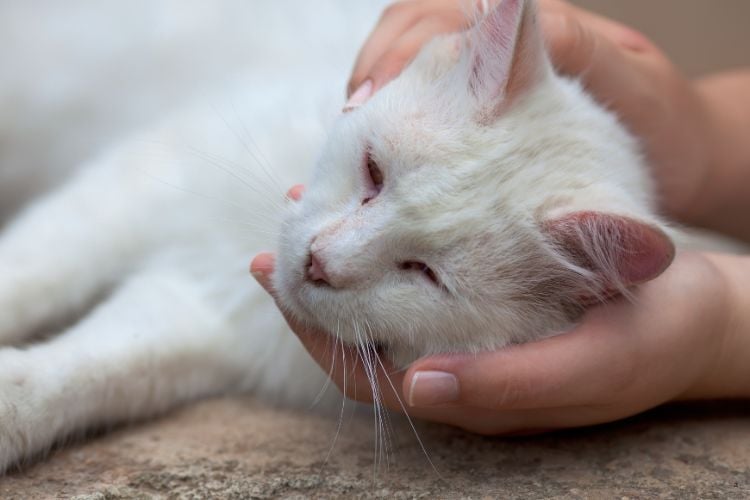
In a study of cats with hypertrophic cardiomyopathy some died suddenly despite appearing healthy and active prior to the event as reported by J Vet Cardiol. That means even if your cat is eating, grooming and behaving normally the risk may still be present. Keeping regular vet checkups with heart assessments becomes critical because absence of symptoms does not guarantee safety from sudden heart failure.
3. Certain breeds carry higher genetic risk of heart muscle disease.

Some cat breeds like Maine Coons and Ragdolls are genetically predisposed to myocardial disorders that can lead to sudden heart failure as discovered in veterinary cardiology research. That hereditary component means breed history and screening matter more than you might expect. If you own or adopt one of these breeds you should talk with your vet about heart evaluations as part of routine health care.
4. Elevated heart rate or breathing difficulty may signal early trouble.
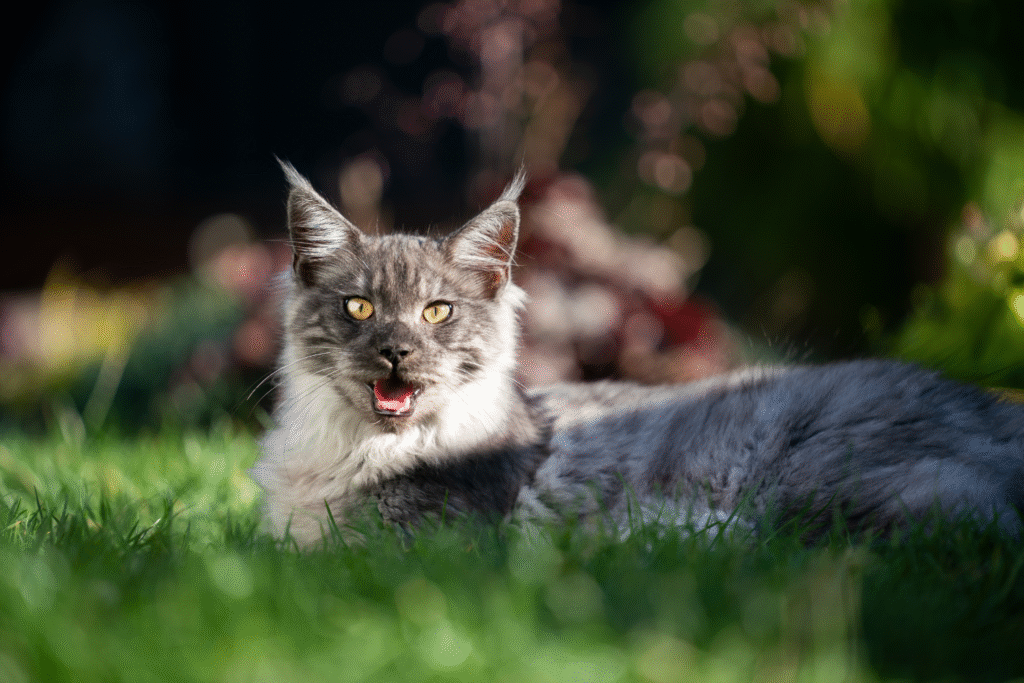
Cats heading toward heart failure often show subtle changes in breathing or heart rhythm that owners overlook. They may breathe faster after rest, have rapid heartbeats or avoid exertion but seem otherwise fine. These signs are red flags that your cat’s heart is under stress. Recognising them early means you can talk to your vet sooner rather than waiting until full collapse happens.
5. Blood clots from the heart commonly trigger sudden life threatening events.
When the heart’s structure changes blood flow can become turbulent and clots may form then lodge in major vessels causing paralysis or organ failure. That complication often appears without much warning and is associated with sudden heart failure in cats. Being aware of this mechanism helps you understand why sudden collapse or inability to move hind legs may point to heart origin rather than just injury.
6. High blood pressure and thyroid problems can contribute to cardiac risk.
Underlying conditions like hypertension or overactive thyroid elevate strain on the heart muscle and may accelerate heart failure development. A cat that develops heart issues may have multiple contributing factors that are manageable if caught early. When you know that systemic illness can impact heart risk you place vet monitoring into a broader health context rather than isolating the heart alone.
7. Routine veterinary exams can detect heart changes before collapse happens.
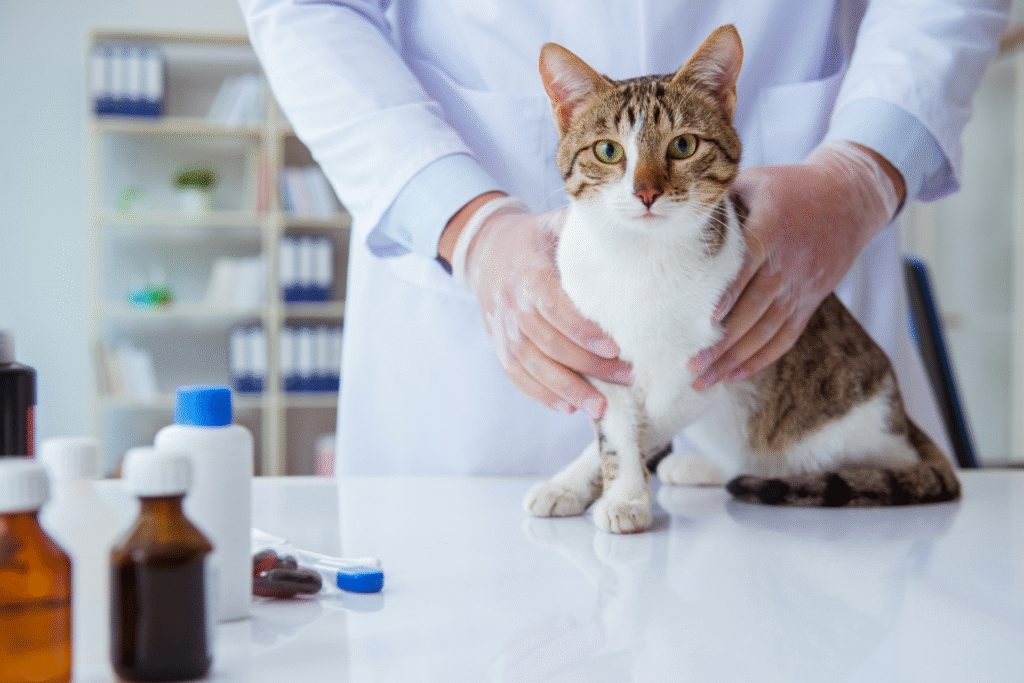
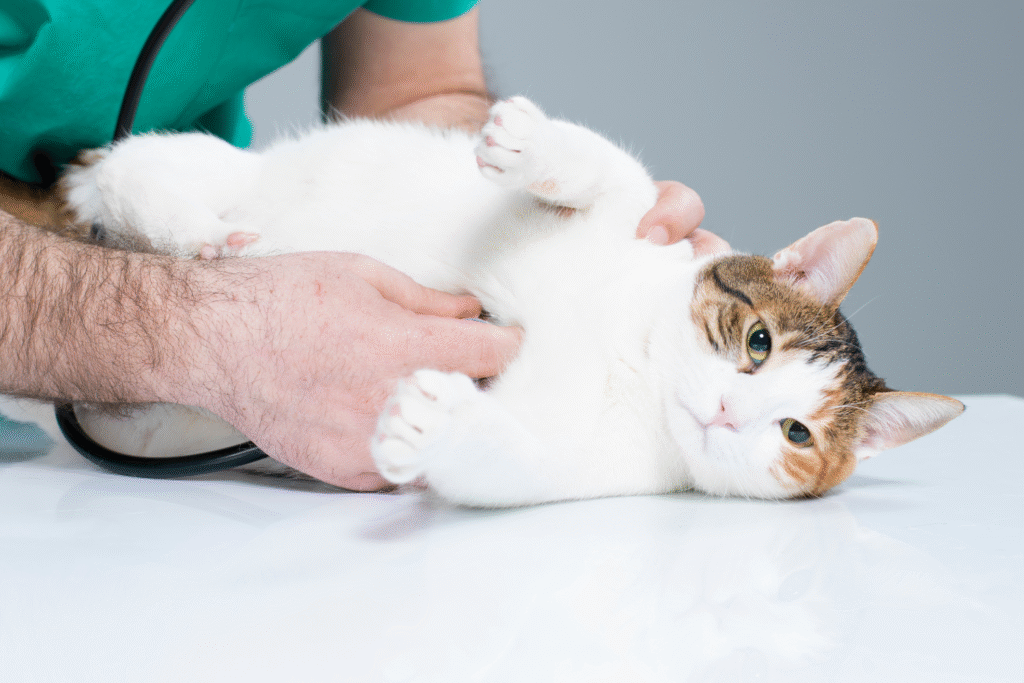
Heart murmurs, irregular rhythms and chamber enlargement may show up in auscultation or imaging before any clinical signs emerge. A vet equipped with echocardiography or biomarkers can uncover hidden problems. Having regular wellness visits means your cat’s heart health is part of the conversation rather than being treated only as crisis care. Early detection gives you options not just reactions.
8. Stressful events or added medical strain may precipitate sudden failure.
A mild illness, anaesthetic procedure or dehydration might push a heart with underlying issues over the edge. What looked like a minor setback becomes the tipping point for collapse. Understanding that your cat’s heart may already be compromised prompts you to seek vet input when they are unwell rather than assuming it is unrelated. Preparedness counts.
9. Ageing alone is not the only indicator of heart risk.
While older cats carry higher risk younger cats are not immune if they have hidden heart muscle disease or genetic predisposition. Heart failure does not respect age categories exclusively. That means every cat deserves occasional heart assessment even if they seem young and healthy because absence of age does not equal absence of risk.
10. Management and monitoring can slow progression though not always prevent failure.
If heart disease is found early treatments may include medications, dietary adjustments and monitoring routines that extend time and improve quality of life. According to PetMD many cats with heart failure respond to care. Though sudden failure cannot always be prevented knowing what to watch for and acting quickly gives your cat the best chance of stability rather than surprise collapse.