
The smallest vomit could point to a bigger threat.
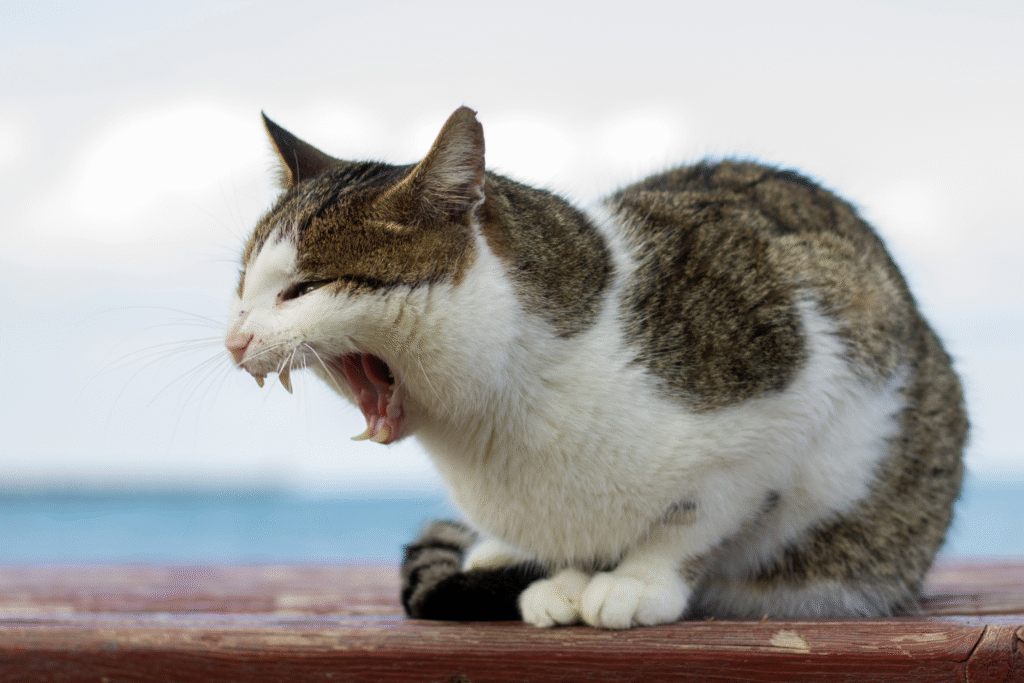
Most cat owners brush off an occasional vomit as hairball drama or a sensitive stomach. But new research is showing that frequent vomiting can be the body’s earliest distress signal for something much more serious—chronic inflammatory bowel disease (IBD) and even intestinal lymphoma. What starts as a harmless cleanup routine can hide a disease slowly taking hold inside your cat’s digestive tract. The tricky part is that symptoms develop gradually, and by the time appetite drops, the damage is already done. Here’s what to watch for before it goes too far.
1. Repeated vomiting could mean chronic inflammation, not hairballs.

Veterinary researchers are finding that what owners call “normal hairball vomiting” might actually be chronic inflammation in disguise. The intestinal lining thickens and scars from persistent irritation, leading to food intolerance and malabsorption. According to the Cornell Feline Health Center, this inflammation is the foundation of feline IBD, a progressive disease often misdiagnosed for years. Cats may still eat and play normally, making it deceptively easy to ignore. But when vomiting becomes routine instead of rare, it’s usually the body’s early warning that deeper inflammation has already begun.
2. Weight loss can appear long before appetite changes.
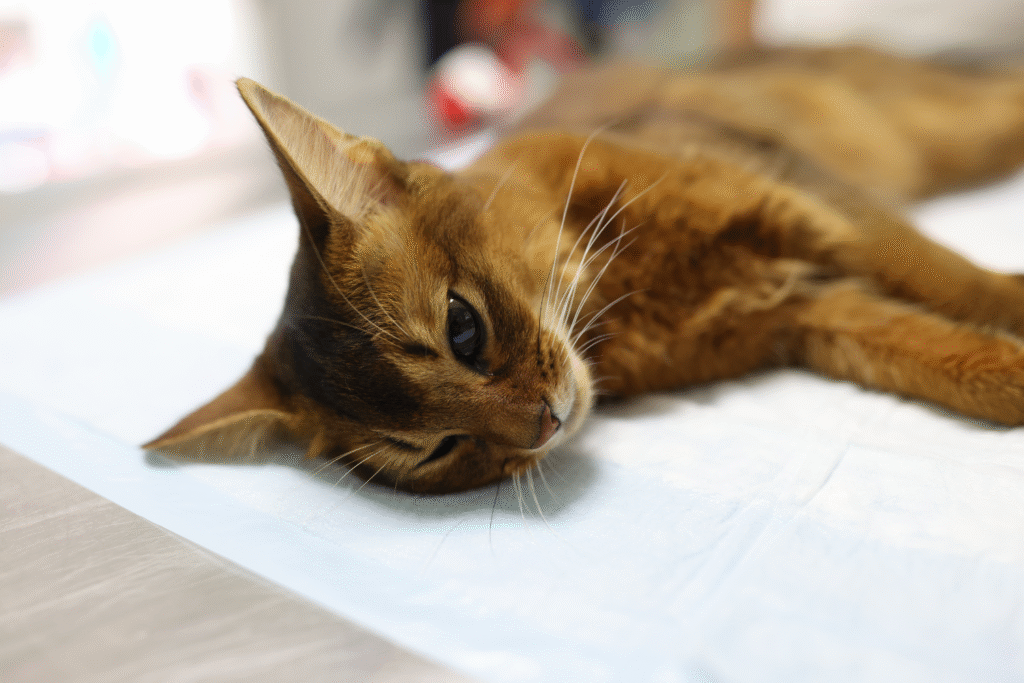
Many cats with hidden digestive disease slowly lose weight even while eating well. The nutrients simply aren’t being absorbed because the damaged intestines can’t process fats and proteins efficiently. As discovered by the Journal of Feline Medicine and Surgery, chronic inflammation reshapes intestinal villi—the small structures responsible for absorbing nutrients—causing gradual, unexplained thinning. When your cat’s body composition starts shifting despite steady meals, that’s when the disease is often at its most invisible stage. This kind of quiet decline can fool even experienced owners into thinking all is well.
3. The link between IBD and intestinal lymphoma is strong.

Long-term intestinal inflammation doesn’t always stop with IBD. Over time, the irritated cells can mutate into cancerous ones, leading to lymphoma. As reported by the American Veterinary Medical Association, cats with years of untreated IBD have a higher risk of developing low-grade intestinal lymphoma, a condition often mistaken for worsening digestive upset. The two diseases can even overlap, making diagnosis difficult without a biopsy. The tragic irony is that the same chronic vomiting dismissed as “normal” can mark the start of something that becomes deadly later.
4. Hairballs might be a red herring masking illness.

While it’s true that cats groom constantly and ingest fur, hairballs shouldn’t be a weekly occurrence. When they are, it often means food or inflammation is slowing gut movement, letting hair clump instead of pass through naturally. Many owners assume fur is the problem, when in reality, it’s a symptom of poor motility. That slowdown can signal IBD, food allergy, or even thyroid issues, all of which compromise digestion. Spotting the difference early depends less on what your cat vomits and more on how often it happens.
5. Diet sensitivity often drives the entire disease process.
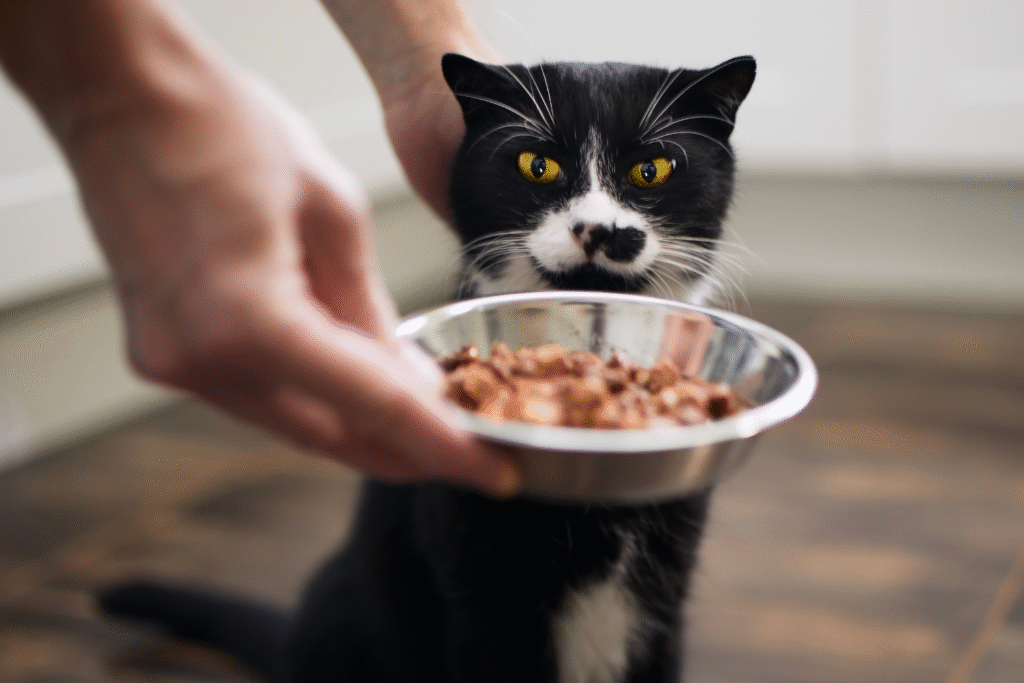
Food allergies are one of the most underappreciated triggers for feline digestive disorders. Proteins like chicken, fish, or beef—common in most cat foods—can provoke immune reactions in the gut. The result is ongoing inflammation that mimics IBD or even accelerates it. Switching to a novel protein diet, such as rabbit or venison, often reduces symptoms, but identifying the right food can take months. What seems like a simple case of “picky eating” may actually be your cat’s immune system reacting to familiar meals it can no longer tolerate.
6. Bloodwork may look normal until the disease is advanced.

IBD and lymphoma can progress quietly while routine tests appear normal. Standard blood panels rarely detect early intestinal changes because the inflammation is localized. That’s why imaging or endoscopy is often required for diagnosis. By the time abnormal liver enzymes or anemia appear, the disease has likely spread beyond the intestines. This disconnect is why vets emphasize paying attention to patterns—small shifts in weight, energy, or stool consistency. Subtle doesn’t mean harmless; in feline digestion, it usually means the storm is building invisibly.
7. Some cats show personality shifts before physical decline.
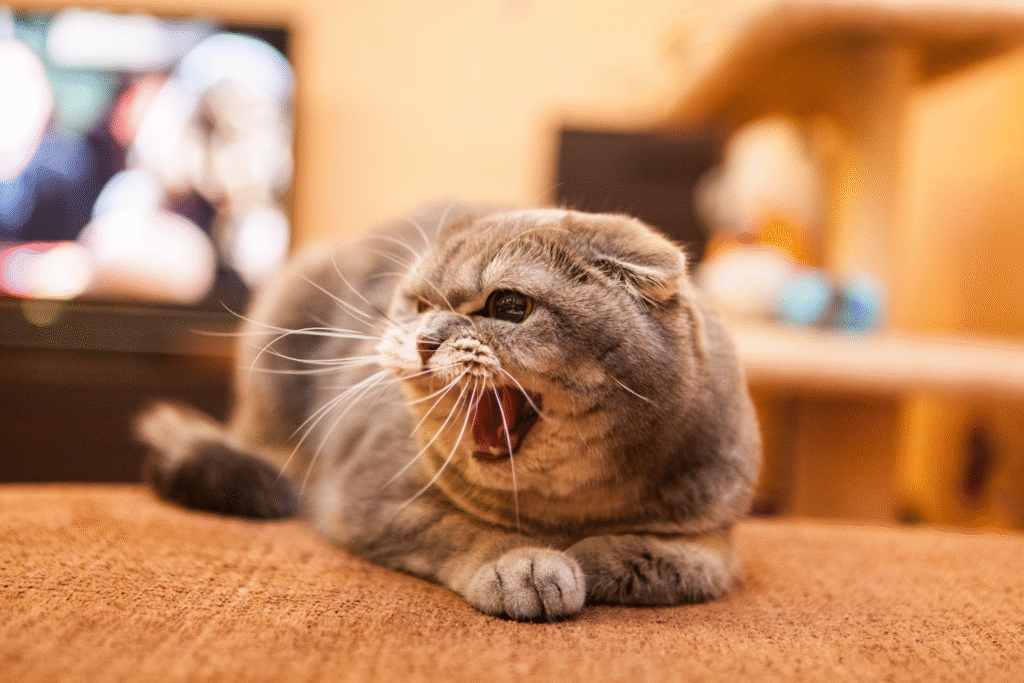
Owners often describe affected cats as more withdrawn, hiding more frequently, or becoming less affectionate. This behavioral change stems from low-grade nausea and chronic discomfort that build up over time. Because cats instinctively mask weakness, they won’t cry out or show obvious pain. Instead, they simply move less and seek solitude. Those mood shifts, often written off as aging or “just being moody,” can be the first emotional hint of digestive distress that hasn’t yet reached a crisis point.
8. Vomiting clear liquid or bile signals stomach fatigue.
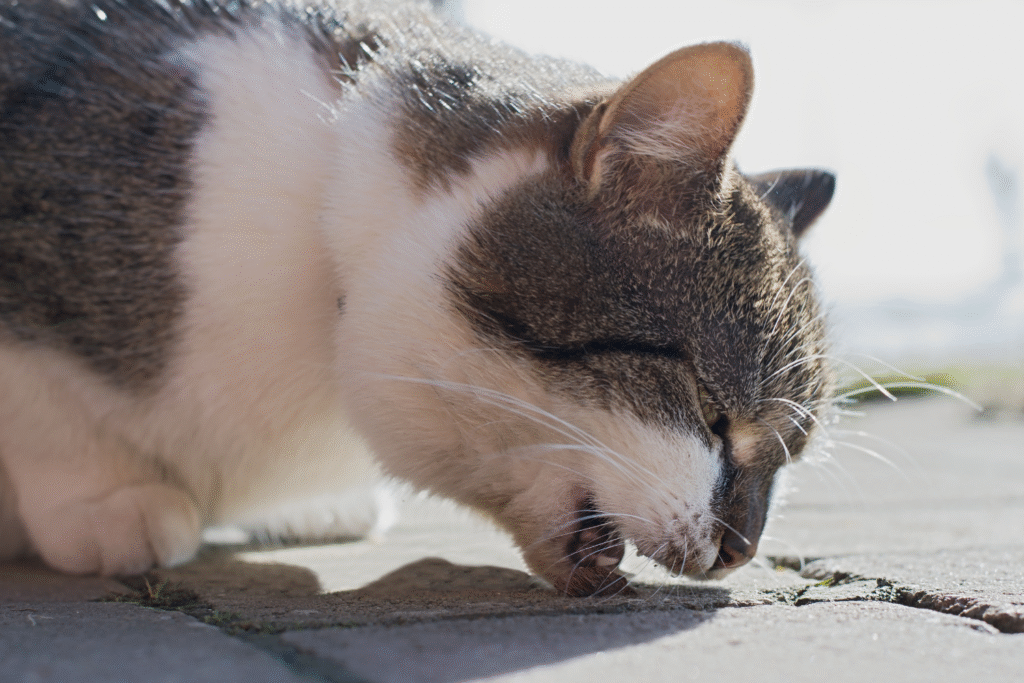
When vomiting turns to foam or bile, it means the stomach is empty but still irritated enough to spasm. This is often seen early in IBD cases or when the stomach lining becomes inflamed from prolonged acid imbalance. It’s a sign that digestion has become erratic and the stomach is “working overtime” between meals. Over time, this constant irritation creates a feedback loop that worsens inflammation throughout the intestines, eventually making even small meals difficult to tolerate.
9. Early treatment dramatically increases long-term survival odds.
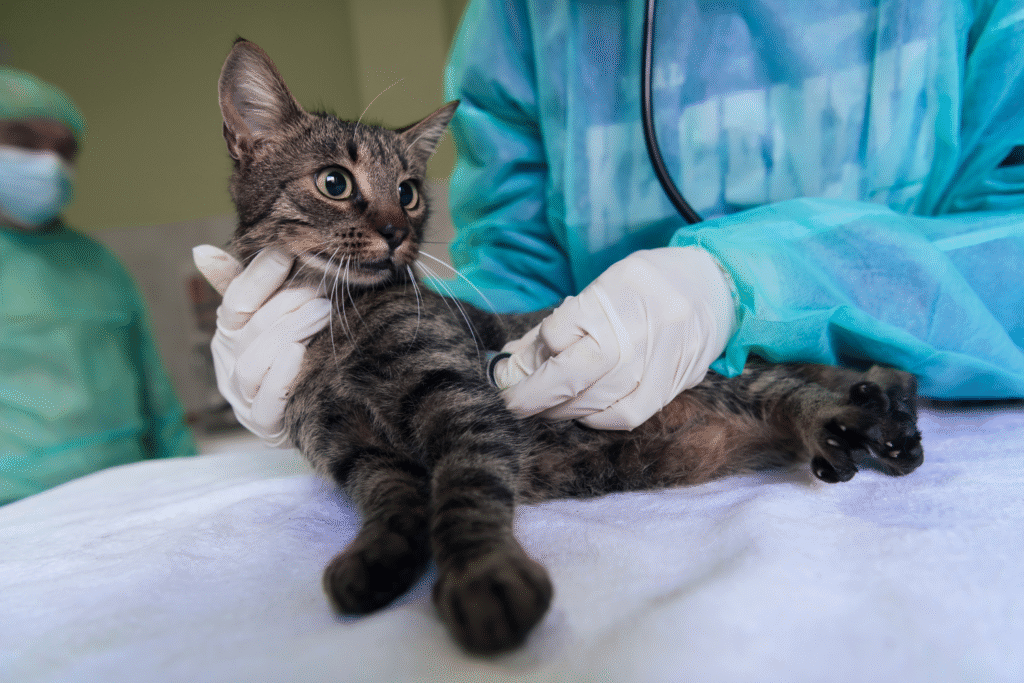
Catching the condition before it escalates from inflammation to cancer can mean years of added life. Anti-inflammatory medications, dietary changes, and probiotics can slow progression, while regular monitoring keeps it from slipping into lymphoma. Cats that receive early intervention have far better outcomes and often live comfortably with managed IBD for years. The difference lies in noticing patterns—vomiting that once seemed routine might be the clue that saves your cat’s life.