
Subtle symptoms often escape even careful owners.
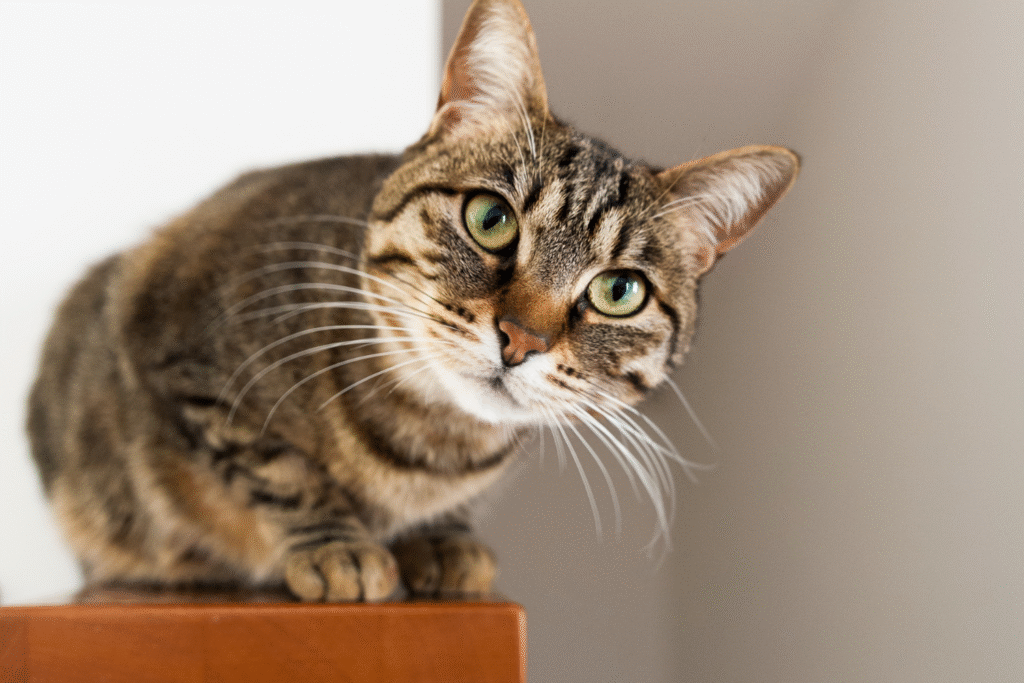
Kidney disease develops quietly in many cats, drifting through their routines without drawing attention. The kidneys work hard to filter toxins, balance fluids and support overall health, but as they begin to struggle, the earliest changes are often soft and easily confused for normal aging. Veterinarians say this slow decline is why many families discover the condition only after it has progressed far beyond the first warning signs.
Cats naturally hide discomfort, making detection even more challenging. Small shifts in appetite, mood or grooming habits can signal that something deeper is happening inside their bodies. Understanding these subtle clues gives owners a chance to act early and protect their cats before the disease becomes overwhelming. Awareness becomes a quiet form of care that shapes their long term wellbeing.
1. Water intake begins to increase with no clear cause.
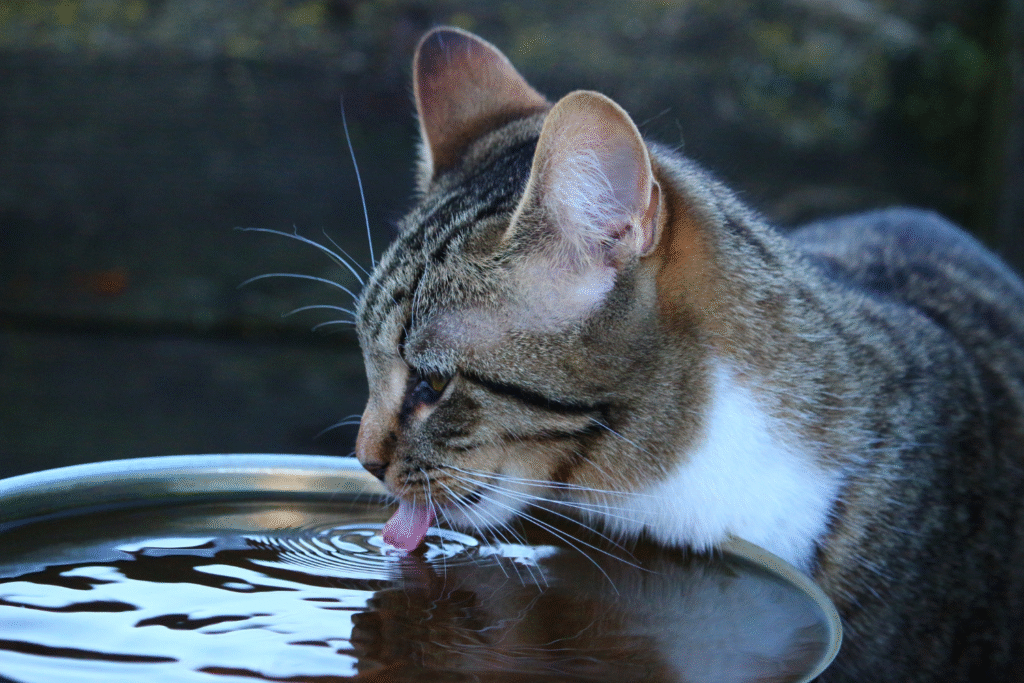
Cats with early kidney trouble often start drinking more water than usual. The kidneys lose efficiency and the body compensates by demanding extra hydration. Owners sometimes mistake this for warmer weather or natural preference. The change tends to creep in slowly, which makes it easy to overlook until the water bowl empties faster than expected.
Over time the drinking pattern becomes more consistent and pronounced. The body is working harder to flush waste, and the increased thirst reflects that internal struggle. Noticing this shift early helps families approach a veterinarian before deeper signs appear. It also sets the stage for recognizing other subtle patterns.
2. Litter box trips become more frequent and more urgent.
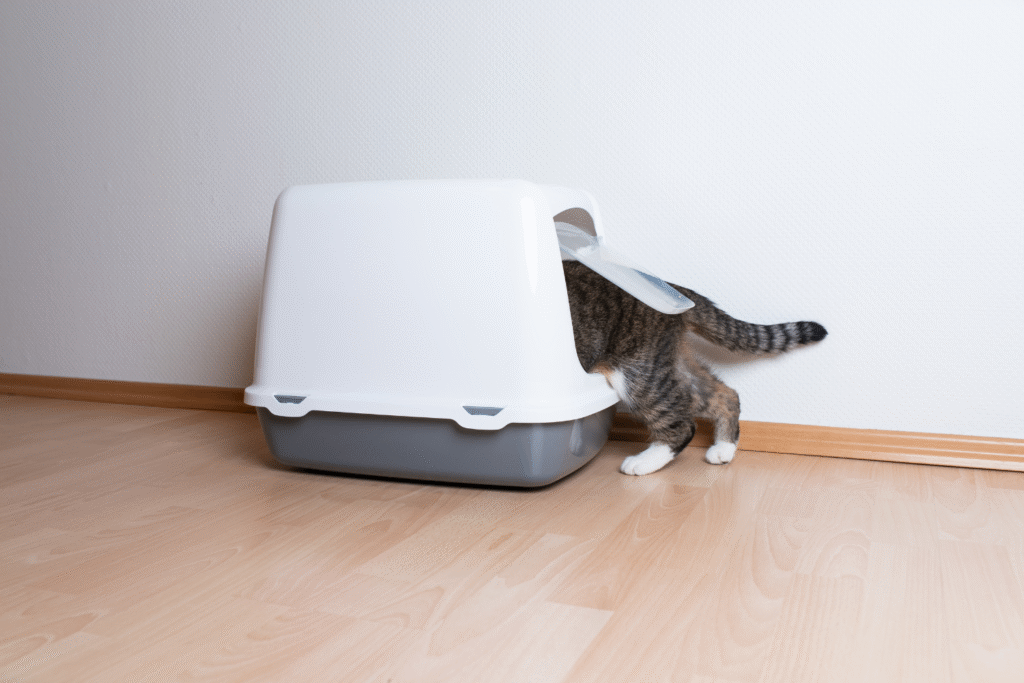
As water consumption climbs, cats produce more urine. This leads to additional litter box visits and sometimes hurried behavior. Families occasionally misinterpret this as behavioral change or stress when it is actually the kidneys clearing excess fluid. The pattern can start with small variations that gradually become unmistakable.
In later stages the urine may appear pale because it becomes more diluted. That detail often goes unnoticed unless owners pay close attention during cleaning. Recognizing these early shifts provides an important clue that connects back to the increased drinking described earlier, building a clearer picture of what the kidneys are facing.
3. Appetite fades in gentle, inconsistent waves.
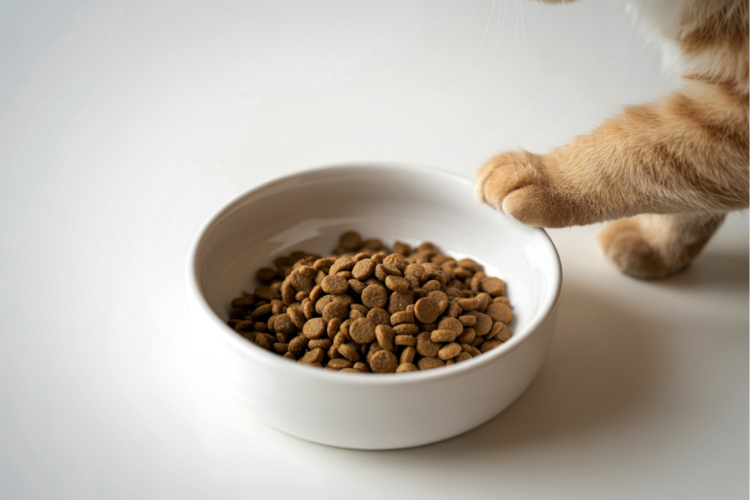
Many cats with kidney issues lose interest in meals, though the decline appears sporadic at first. One day they eat normally, and the next they ignore their food entirely. Families may assume the cat is picky or temporarily stressed. The inconsistent appetite reflects nausea caused by accumulating waste in the bloodstream.
As the condition progresses, eating becomes more difficult to maintain. The cat may linger near the bowl without finishing the meal, or walk away after only a few bites. These patterns, when paired with increased thirst or urination, create a strong indication that kidney function is slipping. The connection becomes clearer as other symptoms build.
4. Weight loss emerges slowly but steadily over time.

Cats with kidney disease often lose weight even when eating fairly well. The body struggles to process nutrients, and muscle mass begins to fade. Early on the shift is subtle, visible only through a sharper spine or slightly looser skin. Families may attribute this to age rather than a medical issue.
As weeks pass, the loss becomes more apparent. The cat’s body feels lighter when lifted, and their frame takes on a leaner shape. These changes reflect the kidneys’ declining ability to maintain balance within the body. Combined with earlier behaviors, weight loss becomes a meaningful part of the overall pattern.
5. Grooming habits start to fade as energy drops.
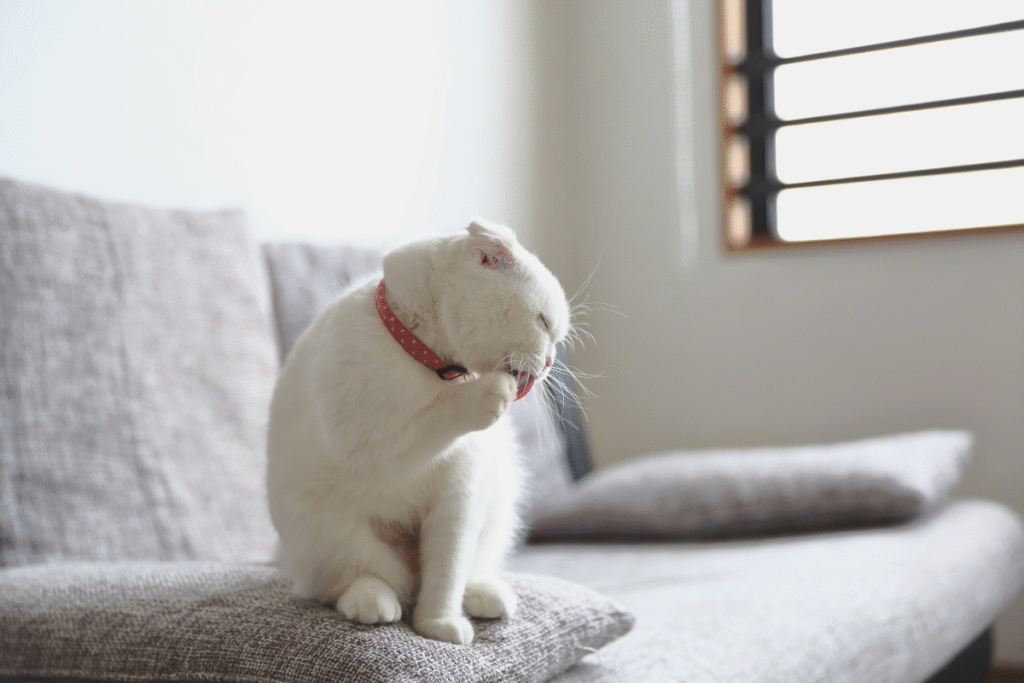
Cats normally pride themselves on keeping a well kept coat. When kidney disease begins to drain energy, grooming becomes less frequent. The fur may look dull or slightly oily, and mats appear in places the cat once tended meticulously. Families might dismiss the change as normal aging when it is actually fatigue.
This reduced grooming reflects a deeper discomfort. As the body struggles to manage toxins, energy dips and the cat redirects its limited strength toward basic survival. When paired with appetite loss and frequent drinking, the decline in grooming adds another clue to a puzzle forming quietly over time.
6. Bad breath develops with a sharp, unfamiliar scent.
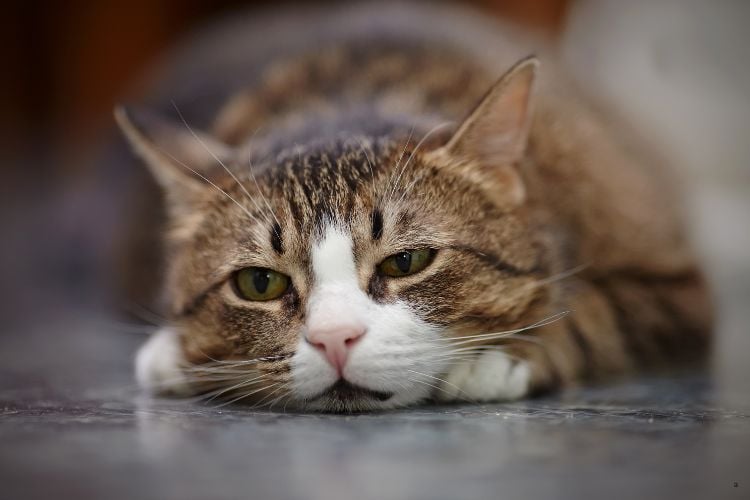
Cats dealing with kidney changes sometimes exhibit breath that smells different from typical dental issues. The scent carries a faint metallic or ammonia like quality caused by waste accumulating in the bloodstream. Because cats often avoid close face contact, families may not notice this immediately.
Once detected, the smell becomes hard to ignore. It reflects the kidneys’ inability to filter waste as effectively. This internal imbalance often aligns with other subtle signs, giving owners another reason to seek veterinary care. Connecting this symptom with earlier changes helps paint a fuller picture of declining kidney function.
7. Subtle changes in mood appear without clear explanation.

Cats facing kidney disease may become irritable, withdrawn or unusually clingy. These emotional shifts come from discomfort, nausea or fatigue. Because the changes arrive quietly, families often attribute them to personality. The pattern becomes more obvious as other signs join in.
Over time the mood fluctuations grow more pronounced. A once playful cat becomes less interactive, or a calm cat becomes restless. These shifts reflect internal distress that the cat cannot communicate directly. Recognizing this emotional change adds another layer to understanding what the body is experiencing.
8. Vomiting appears occasionally and increases over time.
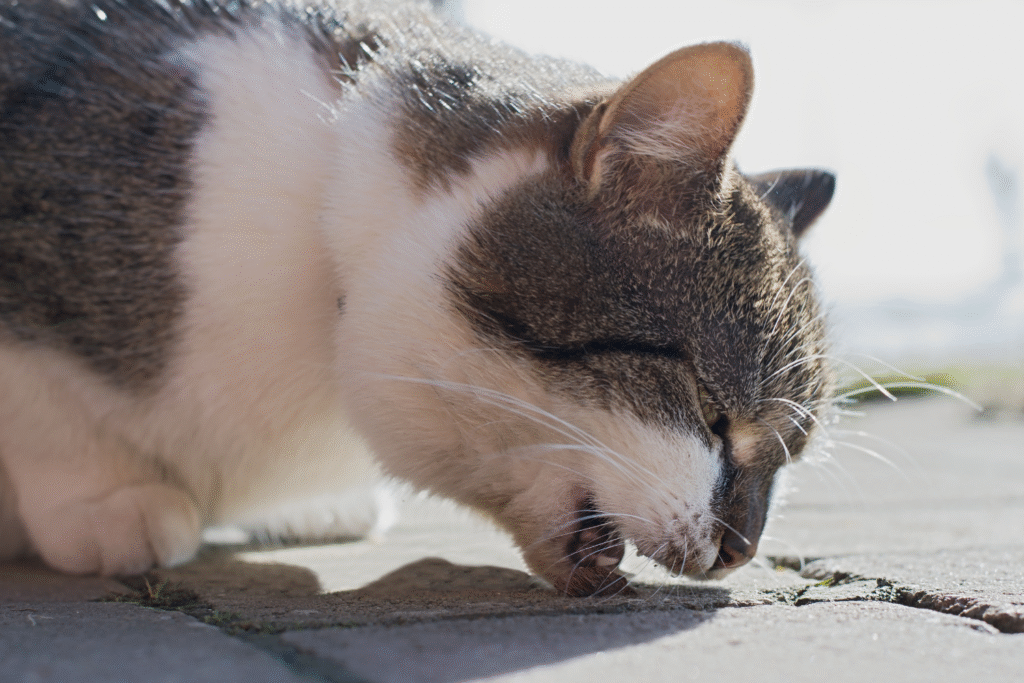
Early kidney disease may cause mild vomiting that appears infrequently. Owners sometimes dismiss it as hairballs or minor stomach trouble. As toxin levels rise, the episodes become more consistent. The pattern can start with morning nausea or small puddles of foam that seem random at first.
Later stages bring more obvious digestive upset. Episodes may occur after meals or during rest, creating a cycle of discomfort. When vomiting joins the earlier signs of appetite change, thirst and weight loss, the picture becomes clearer. These moments reveal how hard the kidneys are working to manage imbalances.
9. Sleep patterns shift as fatigue begins to dominate.
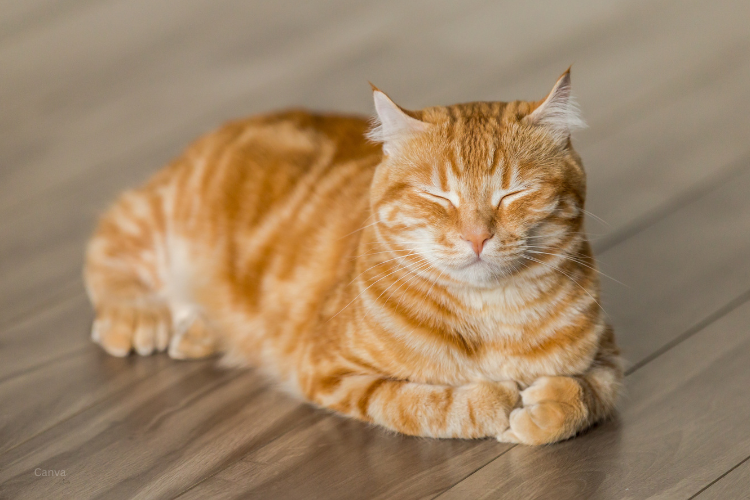
Cats experiencing kidney strain often sleep more than usual. The body tries to conserve energy while coping with internal stress. Owners may notice longer naps, less play and a general slowdown in daily activity. Because cats naturally enjoy rest, this symptom blends easily into normal behavior.
As the condition deepens, rest becomes the dominant part of the cat’s day. They may seek quiet corners or hesitate to engage in routines they once enjoyed. This increased fatigue ties directly to the body’s struggle to maintain balance, further reinforcing the quiet progression of kidney decline.
10. Skin elasticity decreases as dehydration becomes more common.
Dehydration is a major side effect of kidney disease because the body loses fluid faster than it can replace it. The skin becomes less elastic, especially around the shoulders. Owners may notice a slight delay when gently lifting the skin during grooming or petting. This signal often appears before more dramatic symptoms develop.
As dehydration continues, the change becomes more obvious. The coat may feel coarse and the eyes may appear slightly sunken. These signs reveal how deeply the kidneys influence hydration balance. When combined with shifts in thirst and urination, decreased skin elasticity offers another clue that the body is working overtime.