
Certain ingredients intensify strain on fragile kidneys.
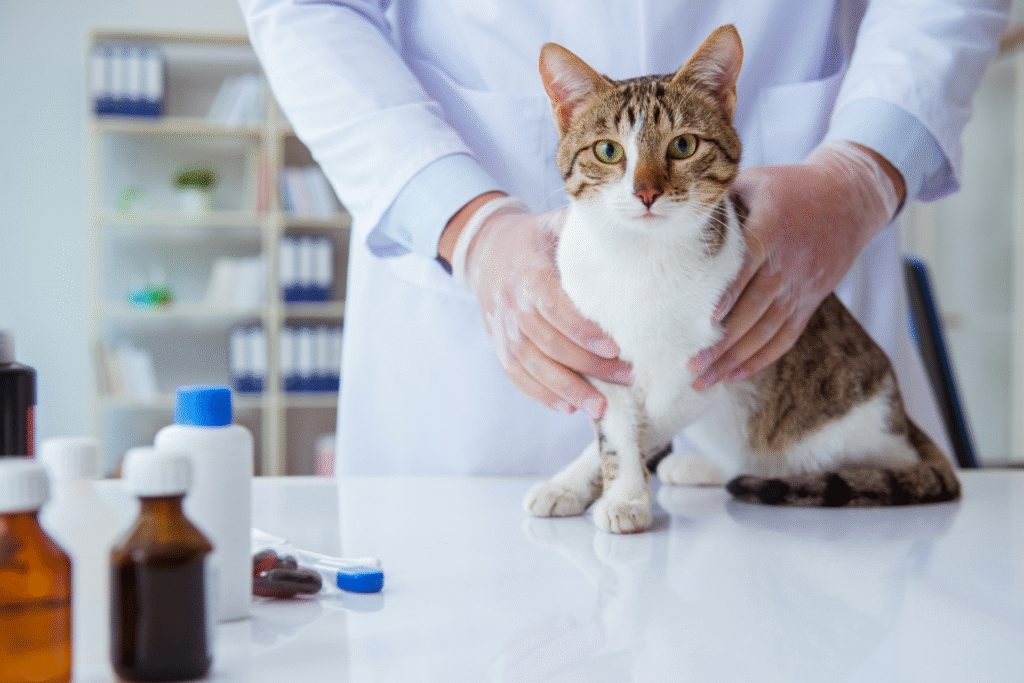
When cats enter their senior years, the kidneys often struggle to filter waste with the efficiency they once had. Small dietary decisions that once seemed harmless can suddenly accelerate decline, especially when the kidneys lose their ability to regulate minerals and toxins. Veterinarians who track chronic kidney disease see patterns repeat across households. Certain foods subtly increase the workload, pushing aging kidneys into deeper stress long before symptoms become visible to the people who love these cats.
1. High phosphorus foods place heavy strain on damaged kidneys.

Aging kidneys lose the ability to excrete phosphorus, causing levels to rise in the bloodstream and trigger further kidney deterioration. Many commercial diets for healthy cats contain far more phosphorus than a senior kidney can handle. This connection has been outlined in feline renal studies as reported by the Merck Veterinary Manual, which highlights how high phosphorus accelerates renal decline.
Once levels climb, cats often show appetite loss, nausea or fatigue. Reducing phosphorus eases the filtration burden, but many owners do not realize how common high phosphorus foods are. Treats, fish based diets and organ meats all contribute to rising levels that quietly push the disease forward.
2. Excessive protein can overwhelm kidneys already compromised.
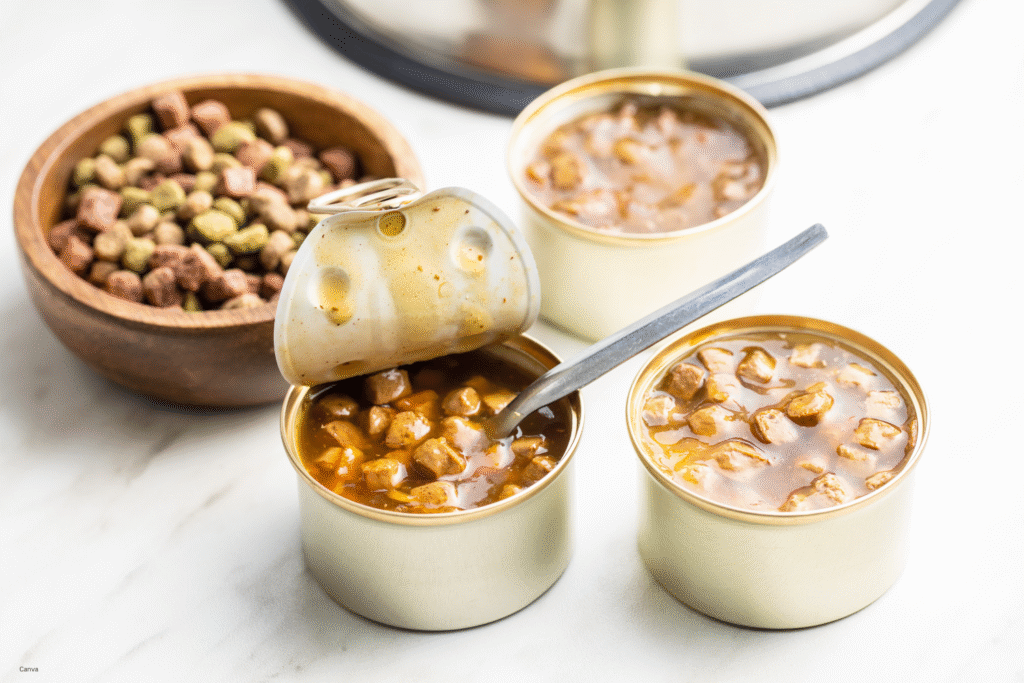
Cats need protein to maintain muscle, but when they develop kidney disease, the type and volume of protein become critical. Poor quality proteins generate more waste products, forcing weak kidneys to work harder. Clinical guidelines on feline kidney diets emphasize how moderated, high quality protein supports stability, according to the American Animal Hospital Association.
When cats consume protein their kidneys cannot process efficiently, toxins like urea build up quickly. This leads to nausea, appetite loss and dehydration. Adjusting the protein load helps slow the progression, yet many owners unknowingly feed diets designed for young and active cats.
3. High sodium foods intensify dehydration and kidney workload.
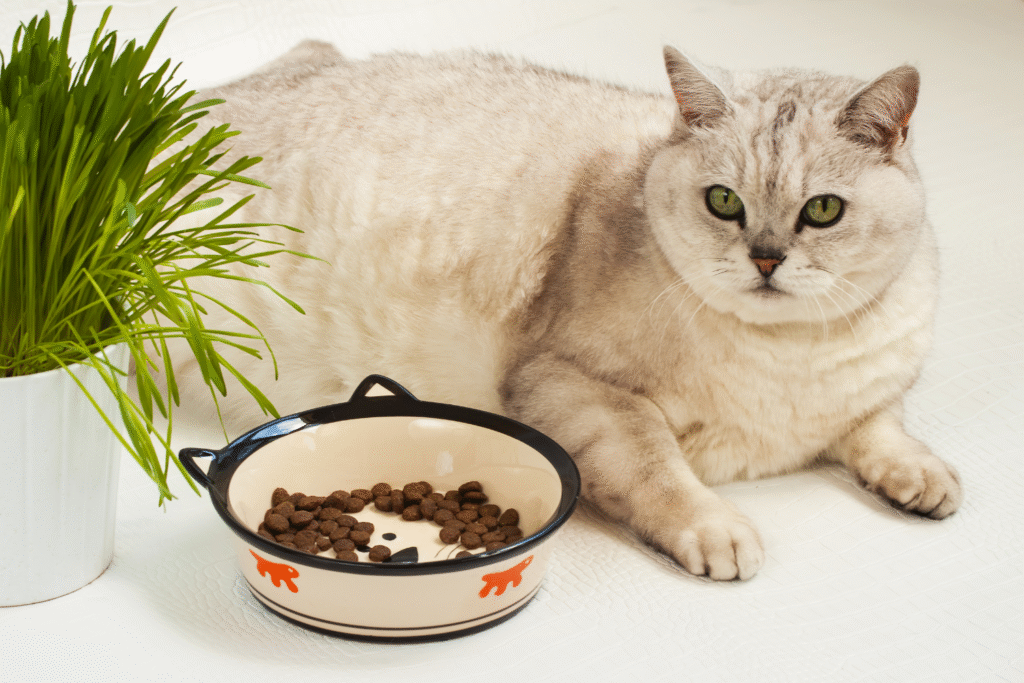
Foods containing elevated sodium force aging kidneys to work harder to maintain fluid balance. Many treats, broths and flavored foods contain hidden sodium levels far above what senior cats should consume. This concern appears repeatedly in renal nutrition summaries as stated by the Cornell Feline Health Center.
Excess sodium contributes to increased thirst, elevated blood pressure and strain on already fragile kidney tissue. Over time, the pressure damages delicate filtration structures and accelerates organ decline. Owners often misinterpret the resulting excessive drinking as the disease itself rather than a dietary trigger.
4. Fish based diets can contribute to mineral imbalances.
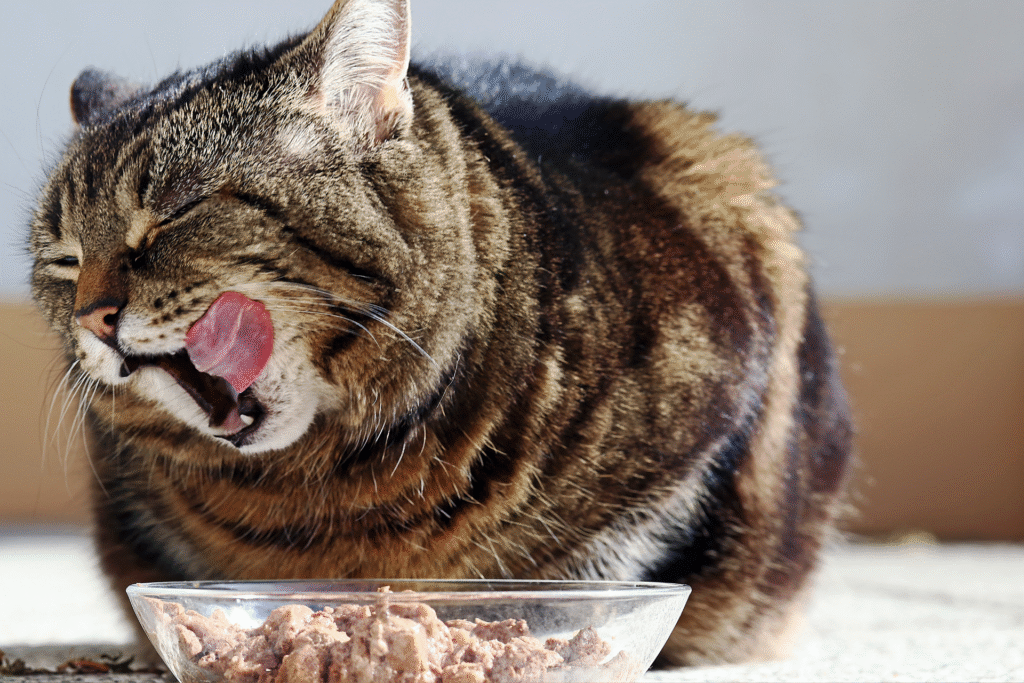
Many fish formulas contain high phosphorus and magnesium levels, which complicate kidney disease. While cats often prefer fish flavored foods, the mineral load can become overwhelming for aging kidneys. The imbalance worsens waste buildup, especially in cats already struggling with filtration efficiency.
Long term reliance on these diets also introduces concerns about heavy metals that accumulate in certain fish species. Sensitive cats may experience digestive upset or worsening kidney values after extended exposure, even when the food appears otherwise balanced.
5. Organ meats add dense nutrient loads that worsen symptoms.
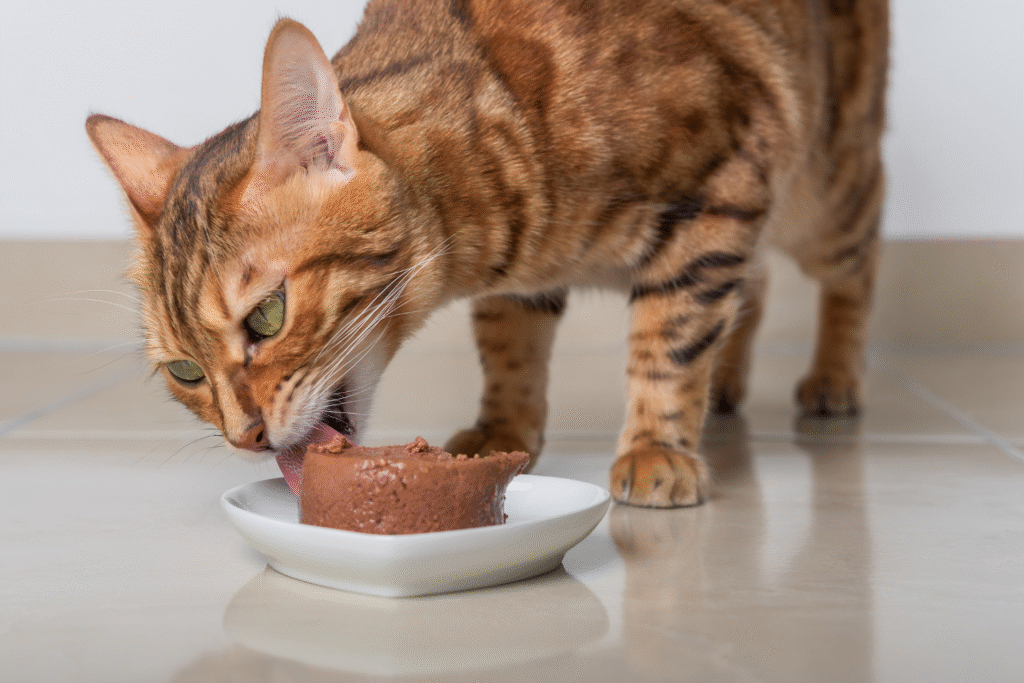
Liver and other organs contain concentrated phosphorus and protein. Even small portions can spike values beyond what compromised kidneys can process. Cats may enjoy the taste, which leads owners to offer these foods more often than intended.
Over time, these nutrient surges push the kidneys into constant overcompensation. Older cats then respond with vomiting, lethargy or reduced appetite. The decline can appear abrupt when the underlying strain has been building quietly.
6. Dairy products often increase metabolic waste buildup.
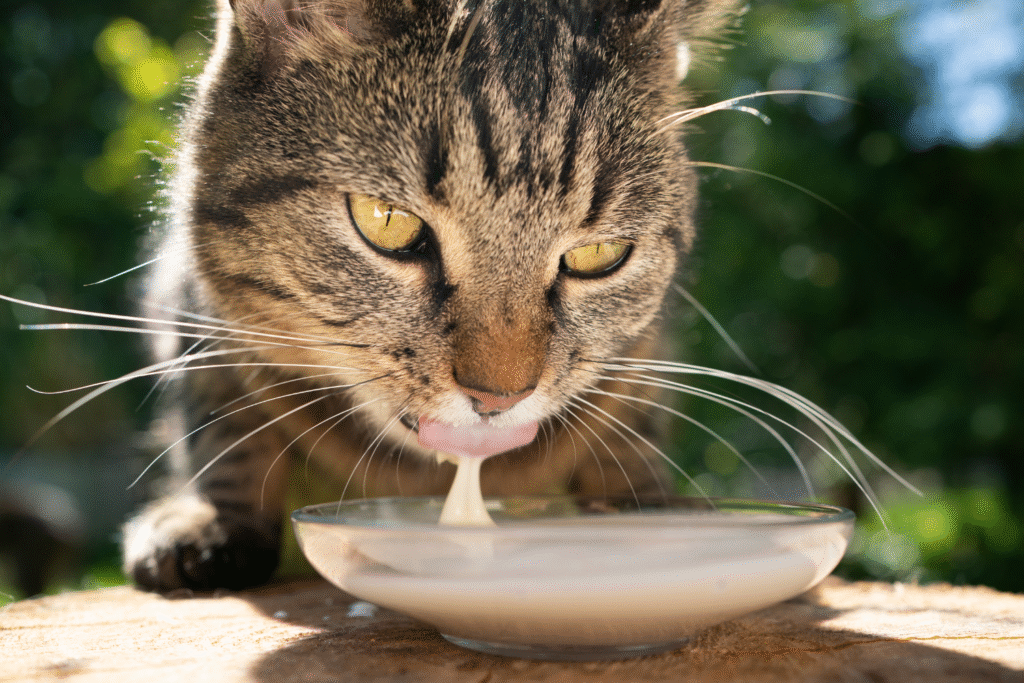
Though many cats love cheese, yogurt or milk, the proteins and fats in dairy create more waste than aging kidneys can filter effectively. Many senior cats also struggle with lactose, adding digestive stress to an already vulnerable system.
As waste products accumulate, cats develop subtle nausea, leading to food avoidance and weight loss. These shifts can worsen hydration status and further pressure kidney function. Even small, irregular portions of dairy can intensify symptoms in chronic kidney disease.
7. High fat treats burden the kidneys during digestion.
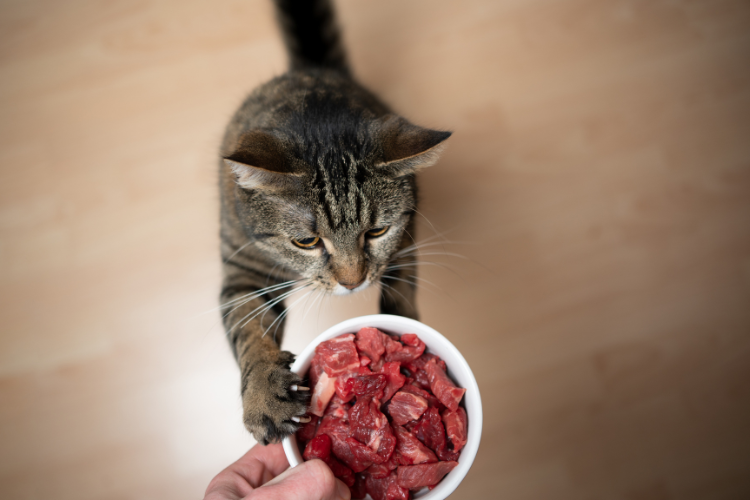
Rich treats like whipped cream, bacon pieces or fatty meats require significant metabolic processing. For a cat with compromised kidneys, this demand increases toxin buildup and reduces appetite later in the day. The kidneys become caught in a cycle of overwork after each high fat snack.
Fat rich foods also contribute to pancreatitis, which often coexists with kidney disease and complicates treatment. As digestive inflammation rises, hydration becomes harder to maintain, amplifying kidney stress even more.
8. Dry food only diets can worsen chronic dehydration.
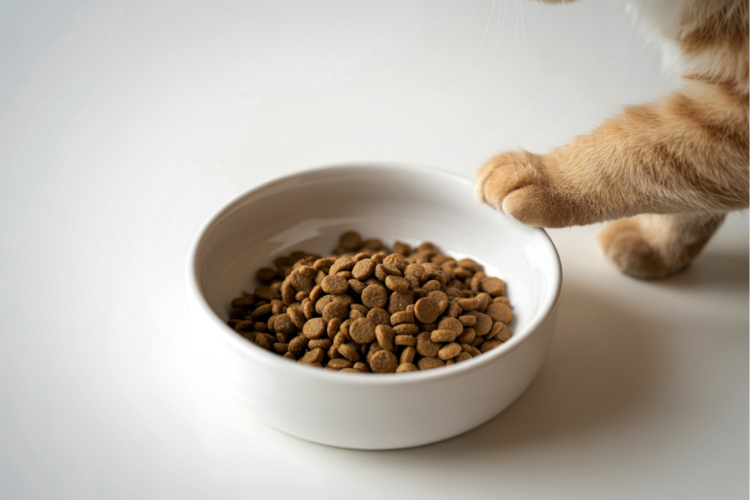
Cats with kidney disease often cannot maintain hydration on their own, yet dry food contains almost no moisture. Over time, the dehydration forces the kidneys to work harder to concentrate urine, accelerating tissue wear. Many older cats quietly decline when fed only dry food.
Shifting toward wet food or adding fluids to the diet dramatically eases the burden. Even small hydration boosts support filtration, appetite and energy. Owners frequently report rapid improvement when moisture becomes central to the diet.
9. Foods high in oxalates increase risk of kidney stones.
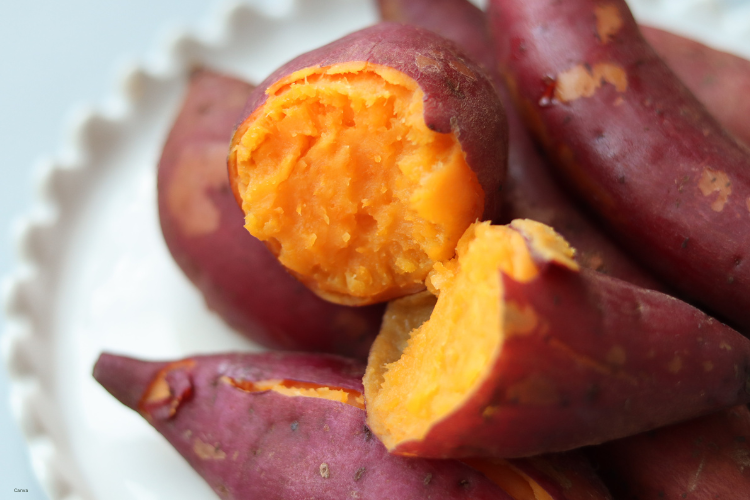
Ingredients like spinach, beet greens or sweet potatoes contain oxalates that can contribute to crystal formation. For a cat with kidney disease, even mild crystal buildup increases inflammation and filtration difficulty. These foods often appear in homemade diets without careful balancing.
As crystal formation progresses, cats may strain to urinate or drink excessively. Without intervention, inflammation worsens and kidney function drops faster than expected. Avoiding oxalate rich foods helps stabilize the kidneys’ internal environment.