
Subtle changes often appear long before blindness does.
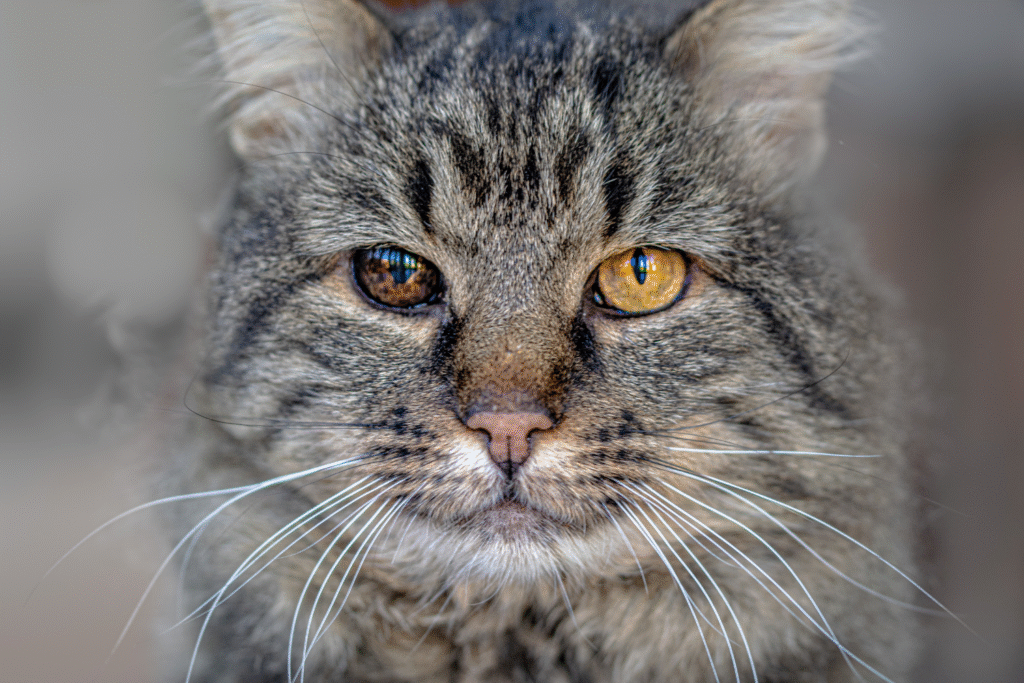
Cats are masters at pretending everything is fine, even when it’s not. But when it comes to their eyesight, those small changes—hesitations at doorways, missed jumps, or odd reactions to light—can tell you something deeper is happening. Feline vision loss isn’t always sudden. It can creep in slowly through diseases like hypertension, retinal detachment, or age-related degeneration. The earlier it’s caught, the better their chance of saving some vision or at least preventing injury. These are the red flags vets say too many owners overlook.
1. Your cat starts bumping into furniture more often.
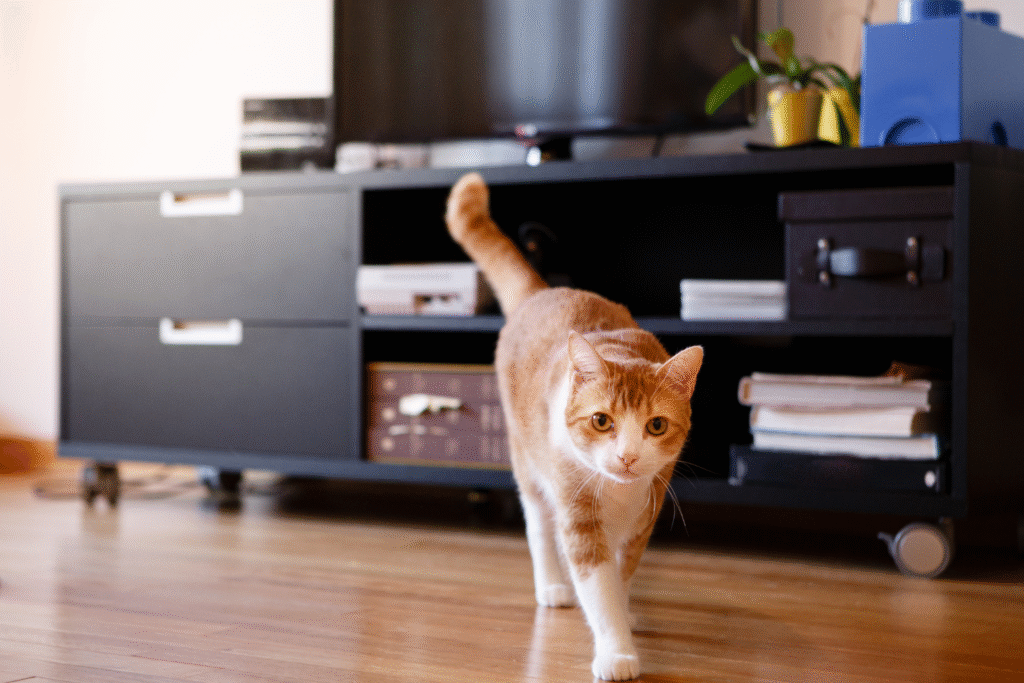
Cats are famously graceful, which makes clumsy behavior a real clue. When vision fades, the first sign can be subtle collisions with walls, furniture, or even their food bowl. They may hesitate before jumping or misjudge distances they once handled easily. According to the American College of Veterinary Ophthalmologists, cats with early vision loss often rely more on whiskers and memory to navigate, masking the problem until it worsens. You might notice them mapping out their territory like they’re relearning it—because they are.
2. Their pupils stay wide even in bright light.
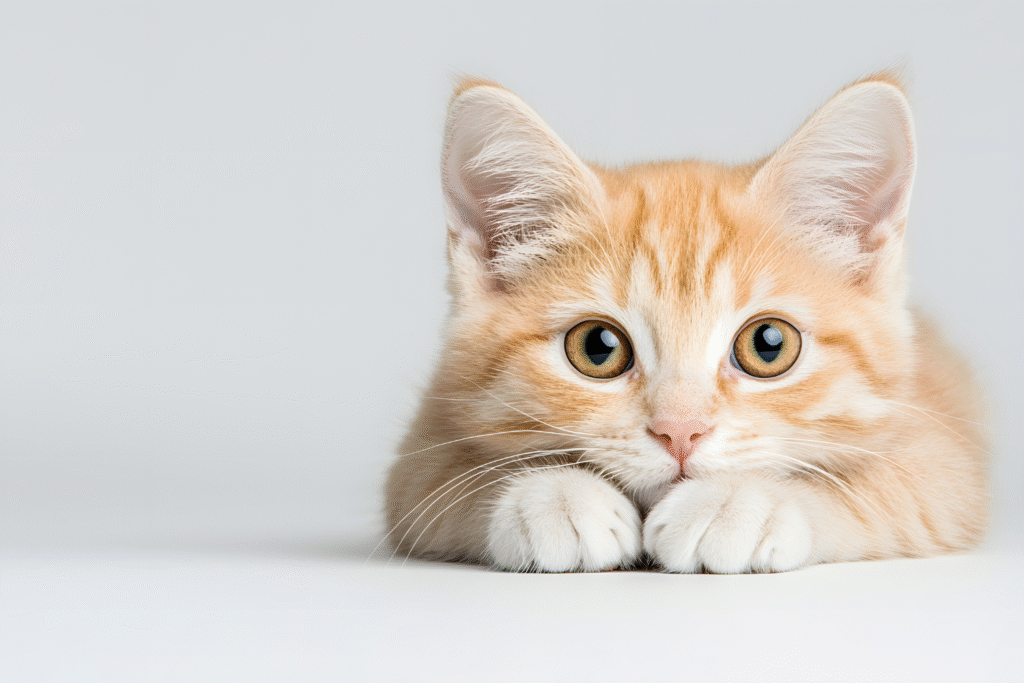
If your cat’s eyes look like black saucers during the day, that’s not normal. Persistent pupil dilation can signal retina or optic nerve problems, sometimes tied to high blood pressure or diabetes. A healthy cat’s pupils should shrink in bright light, but failing to do so suggests their eyes can’t properly regulate light. This symptom frequently precedes other visual changes, as stated by Cornell University’s Feline Health Center. Some cats squint less because they no longer sense brightness, while others freeze in direct light as their brains process a blurry world.
3. Their eyes look cloudy or develop a strange glow.
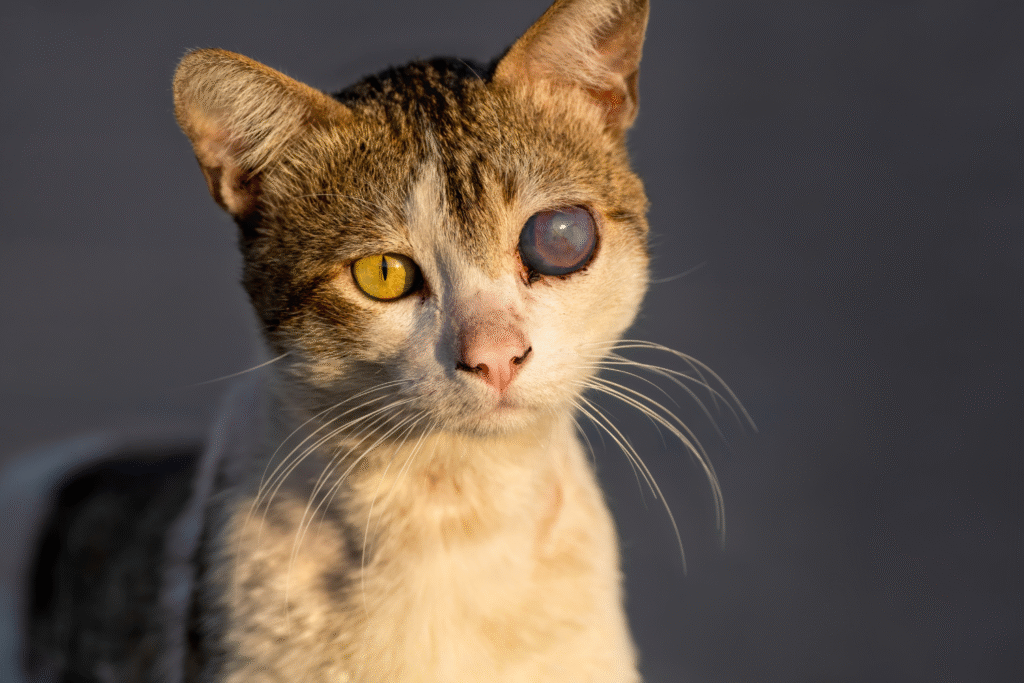
A sudden milky film or bluish haze in your cat’s eyes may indicate cataracts or corneal disease, both of which distort vision. As reported by the Journal of Feline Medicine and Surgery, cloudiness can stem from inflammation, injury, or systemic illness like uveitis. Some owners mistake the shimmer for aging, but it’s really light scattering across damaged eye structures. Over time, the world your cat sees becomes foggy and distorted, like looking through frosted glass. This physical change can accompany behavioral ones, like slower reactions to movement or shadows.
4. They hesitate in new environments or dark rooms.
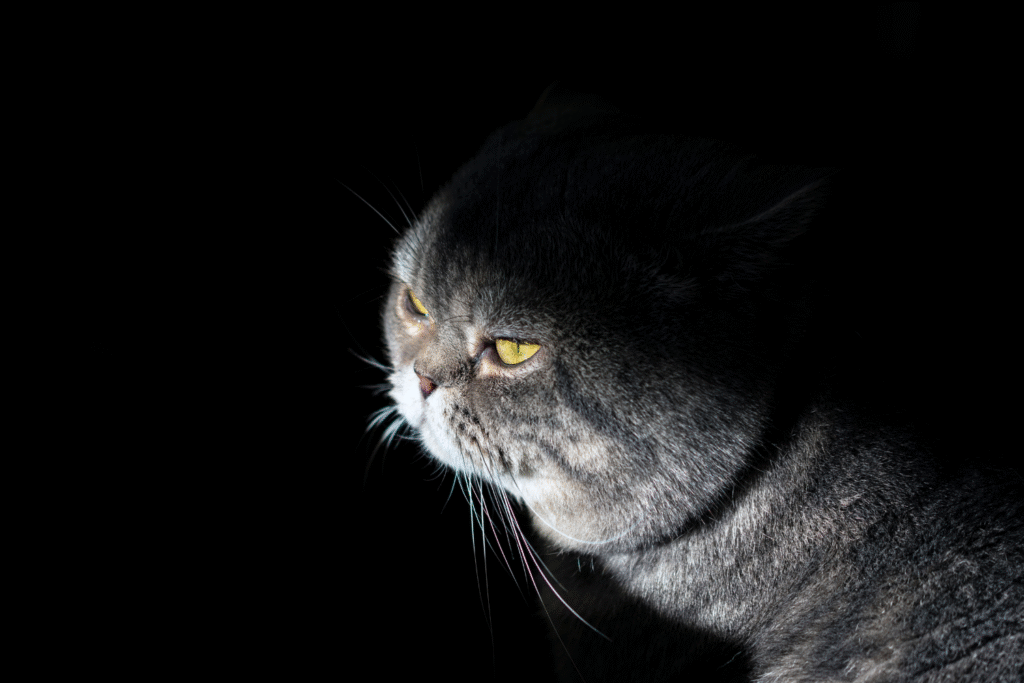
When sight fades, confidence does too. A cat that once strutted into every corner may suddenly freeze at thresholds or move hesitantly when the lights dim. Darkness exposes what daylight conceals. You might see them pause, sniffing the air or listening before stepping forward. This shift isn’t fear—it’s compensation. Their brains start depending more on hearing and smell, which makes unfamiliar places overwhelming.
5. They stop following toys or tracking motion easily.
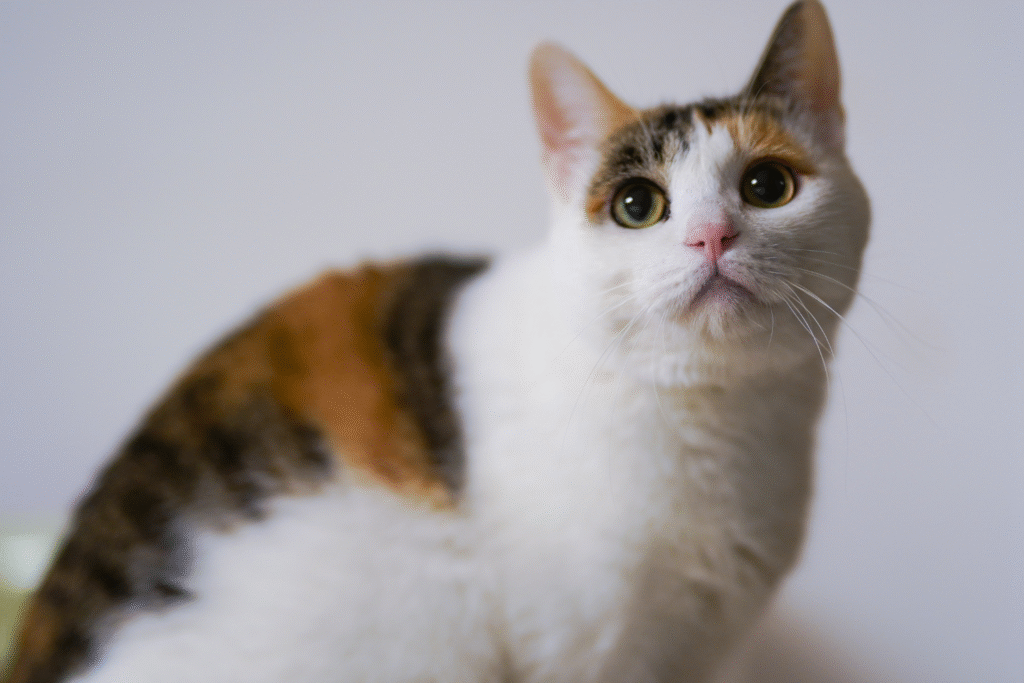
Vision loss steals the joy of play in sneaky ways. A feather wand or laser pointer that once sparked excitement might now earn confusion or disinterest. Cats rely heavily on visual tracking for hunting games, so a delayed or absent response can reveal fading eyesight. If you wave a toy silently and your cat doesn’t react until it touches them, that’s a red flag.
6. One or both eyes suddenly look different in color.
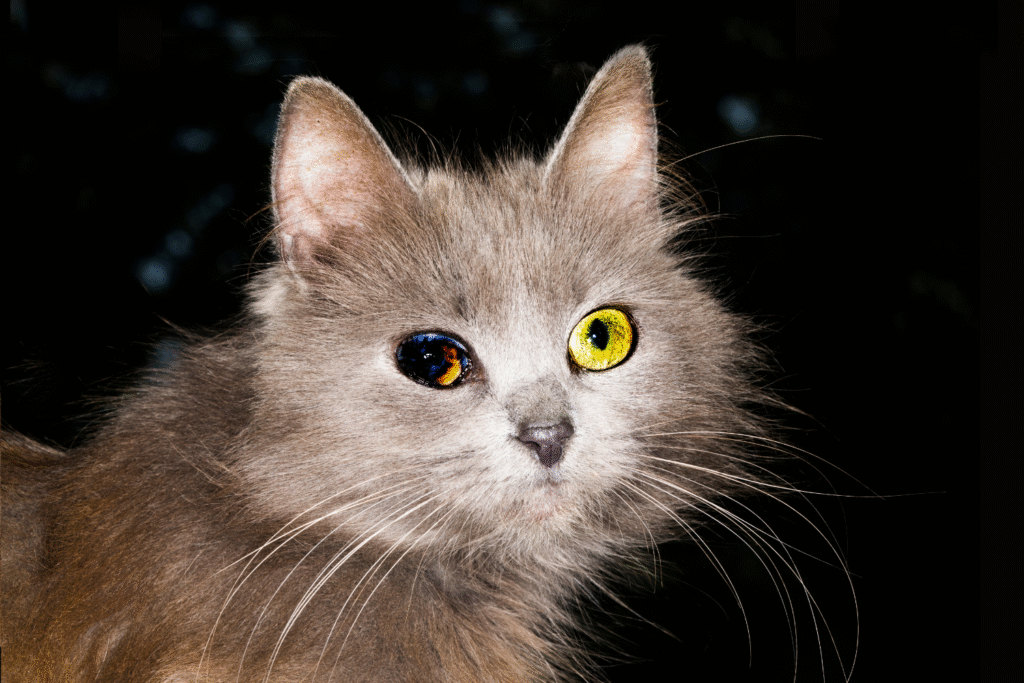
Eye color that changes or darkens in adulthood is never a cosmetic quirk. It can point to inflammation, bleeding, or even tumors within the eye. Subtle shifts—like a green eye turning golden or one iris looking darker than the other—often signal pressure changes or pigment loss. Because cats don’t vocalize pain, these visual cues can be their only SOS.
7. They seem startled when you approach quietly.

Vision-impaired cats depend heavily on sound to orient themselves. If you notice your cat jumping or flinching when you walk near them, it could mean they didn’t see you coming. Many owners confuse this with anxiety, but it’s often disorientation. As sight weakens, cats experience small moments of surprise, even in familiar settings, because their sensory world keeps rearranging itself.
8. Your cat’s eyes reflect unevenly in photos.
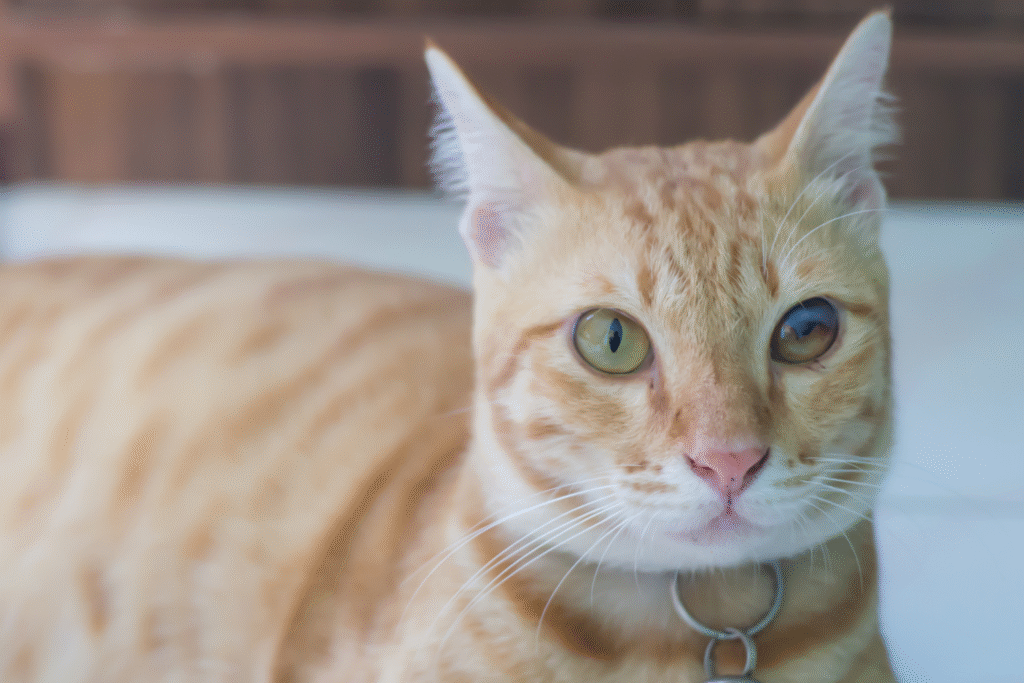
That eerie green or gold glow in flash photos is more than a quirk—it’s a reflection from the tapetum lucidum, a mirror-like layer that helps cats see in low light. If only one eye reflects or the color appears different, it can mean the retina or lens in one eye isn’t functioning normally. While the symptom may seem cosmetic, it often corresponds with deeper asymmetry in vision.
9. They start missing jumps or landing awkwardly.
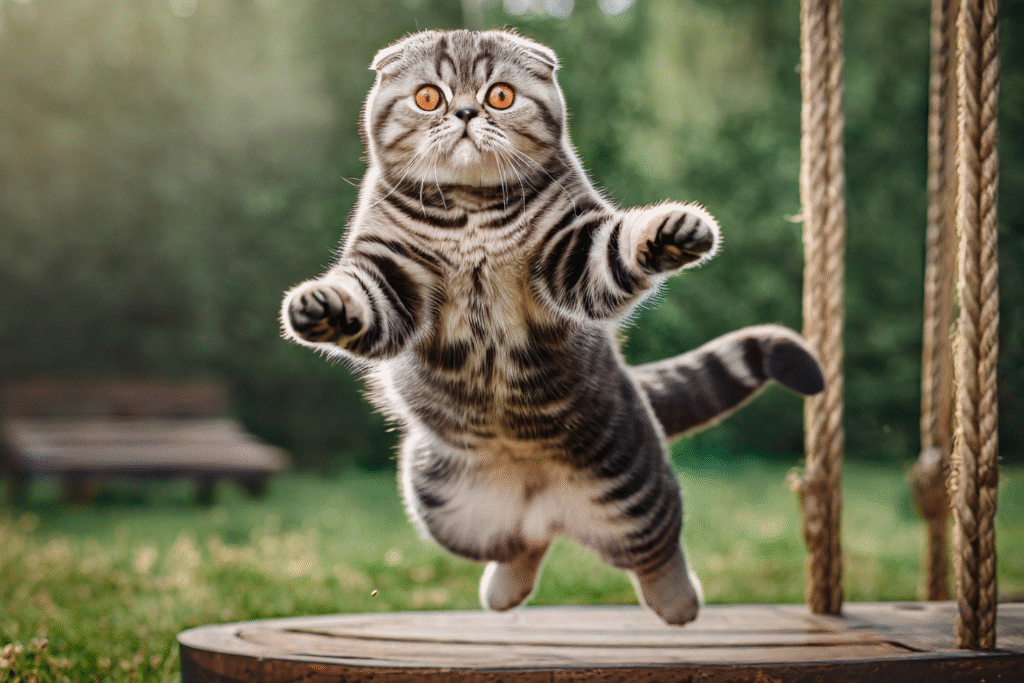
Cats depend on depth perception to stick every leap. When their eyesight fades, they may undershoot or overshoot familiar jumps, landing in awkward heaps. The behavior can look comical, but it’s often distressing for them. Watch for moments when your cat pauses before leaping, sways for balance, or refuses to climb to places they used to love. Those choices aren’t laziness—they’re self-preservation.
10. They cling more closely to familiar paths and sounds.
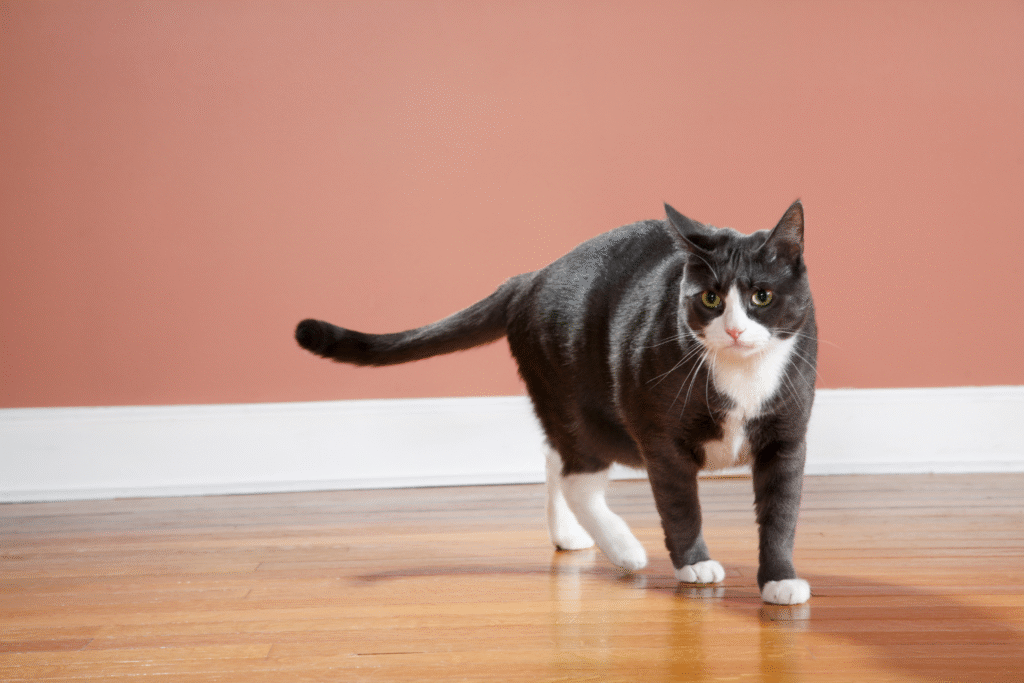
As vision wanes, cats build mental maps of their homes. They memorize where the couch leg is, where the food bowl sits, and even where the floor creaks. When that pattern changes, they seem uneasy or frustrated. Some begin to follow their owners more closely, using footsteps or voices as anchors. Others meow more frequently in the dark, reaching for reassurance in a world that’s gone dim.