
Feline loyalty shifts for reasons people rarely expect.
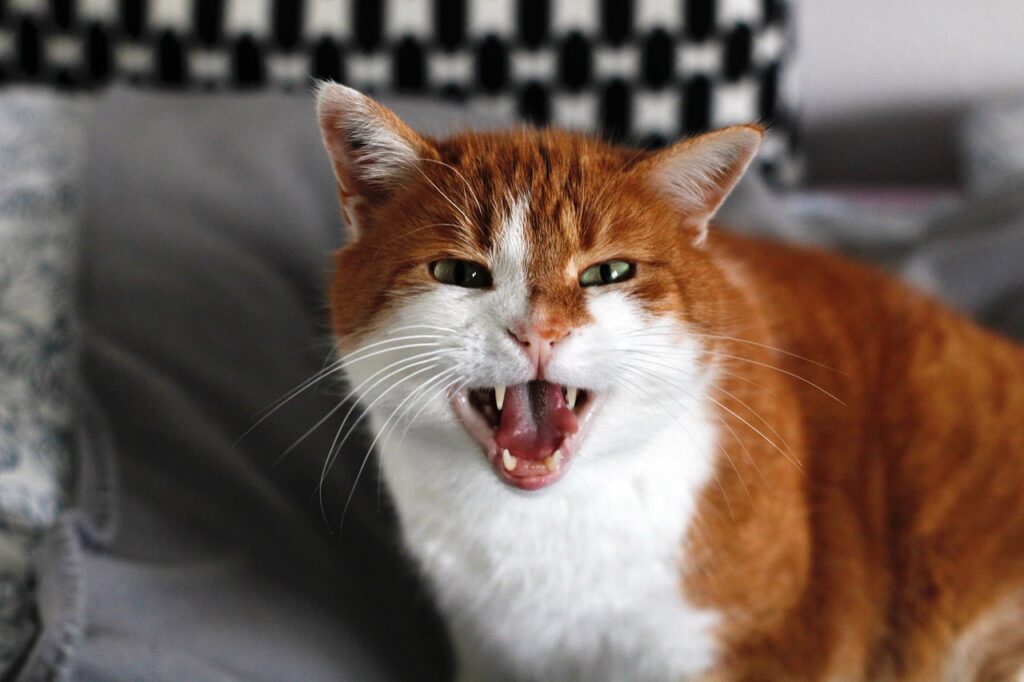
Cats form emotional maps of their world with astonishing precision, and those maps shape who they trust, avoid, tolerate, or cling to. When a cat adores you but keeps distance from someone else in the home, the reasons are rarely simple. Their reactions come from scent, movement, memory, stress, and patterns they track silently. The contrast can feel dramatic, yet every preference tells a story about how a cat reads the room and interprets safety.
1. Cats react strongly to unfamiliar scent signatures.
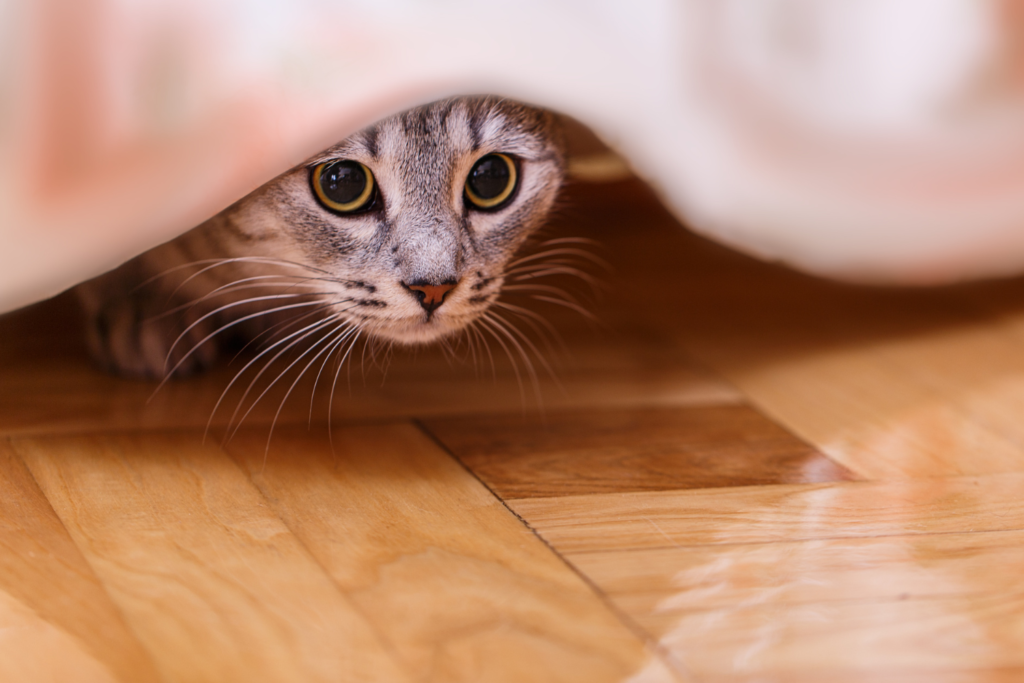
Cats rely heavily on scent, and even small differences can shape their comfort level. A person who smells like unfamiliar detergents, dogs, smoke, or other environments can trigger distance because the scent does not match the cat’s internal safety map. Research consistently shows the power of scent based recognition in feline behavior as reported by the American Association of Feline Practitioners. Cats read these cues instantly and respond long before conscious thought kicks in.
When the scent remains inconsistent, the cat keeps a buffer zone. They may approach you easily because your smell signals familiarity and predictability. The other person becomes a floating variable in the home that the cat has not fully categorized. That uncertainty leads them to observe from afar until the scent patterns settle into something recognizable.
2. Cats avoid people whose body language unsettles them.
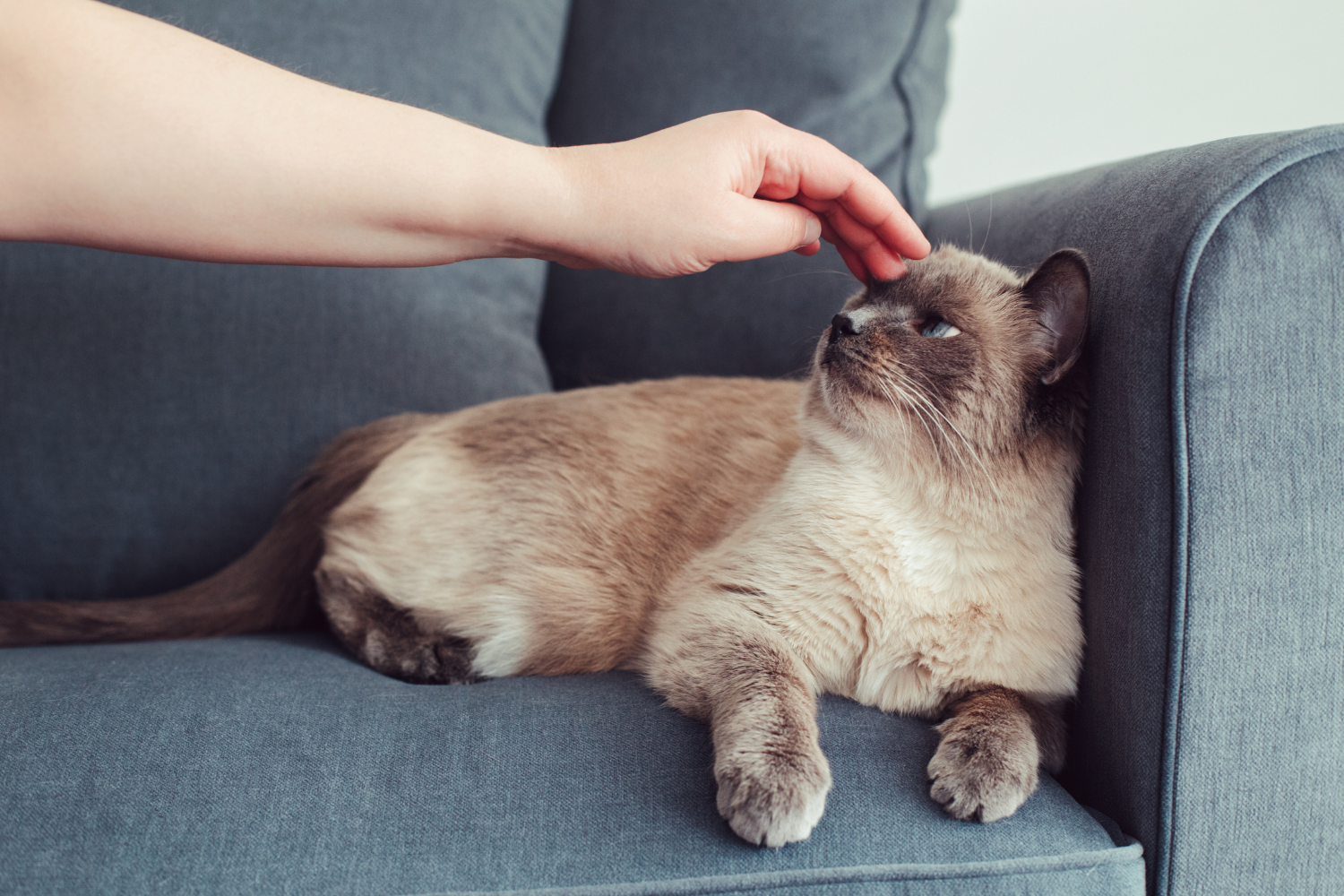
Humans often underestimate how sharply cats monitor posture, stride, eye direction, and speed of movement. Someone who walks loudly or moves abruptly can unintentionally mimic threat signals in feline communication. Quiet stepping and softer gestures feel safer to them, as stated by the Journal of Feline Medicine and Surgery in social behavior reviews. Cats internalize these observations and let them shape their long term comfort levels.
When a person repeats movements that feel unpredictable, the cat stores that information. Even if the individual has good intentions, their physical presence may read as overstimulating or intense. Meanwhile the person the cat loves may naturally move in a calmer rhythm that aligns with the cat’s instincts. The difference creates a split in trust that feels personal but is rooted in interpretation.
3. Cats track past interactions far more closely than expected.
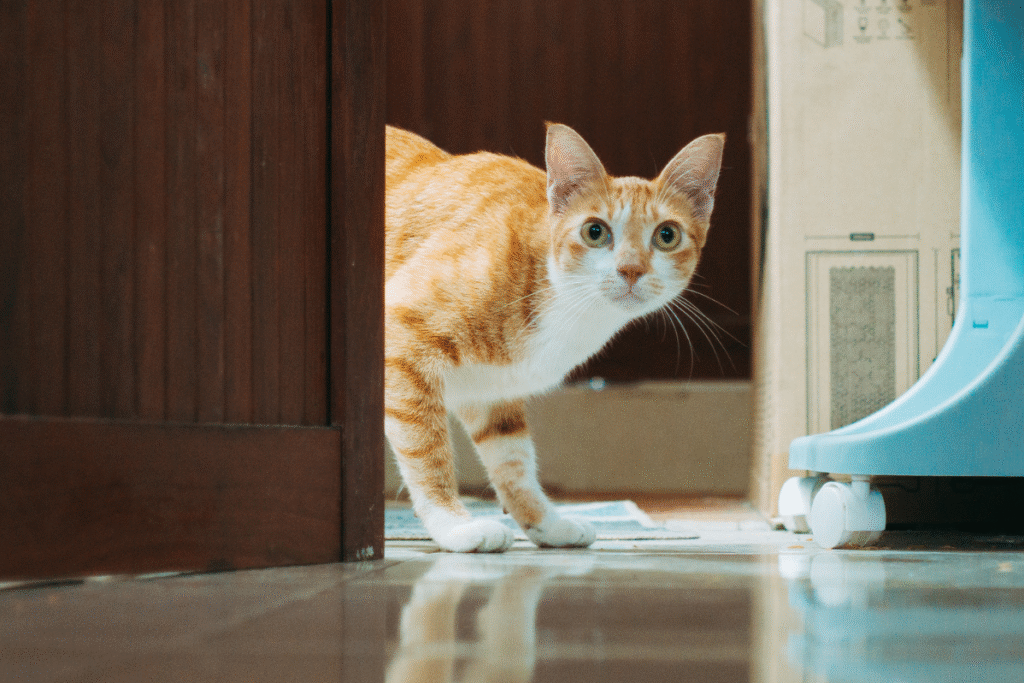
Many cats remember moments of restraint, accidental stepping, or loud confrontations even if the human forgets. A single stressful interaction can form a memory the cat replays every time that person enters a room. This tendency is noted in companion animal cognition studies as discovered by the National Institutes of Health. Once that memory forms, the cat builds a cautious perimeter around the person who caused it.
Over time the distance becomes habit. Even small reminders, like a similar tone of voice or the sound of approaching footsteps, reinforce the memory. Meanwhile your interactions may have been consistently gentle or predictable, making you the safer choice. The contrast results in a loyalty that looks selective rather than accidental.
4. Cats respond to emotional energy long before words.

Cats pick up on tension in ways that feel uncanny. A stressed or anxious person generates subtle shifts in breathing and posture that cats interpret as instability. When someone carries heavy emotions, the cat senses it and keeps space. You may offer more grounded energy, so the cat gravitates toward you because your presence feels calmer.
Over repeated exposure, these emotional readings become patterns. The cat forms expectations about who brings pressure into a room and who brings ease. They choose proximity based on that emotional map rather than personality alone.
5. Cats dislike inconsistent routines tied to one person.
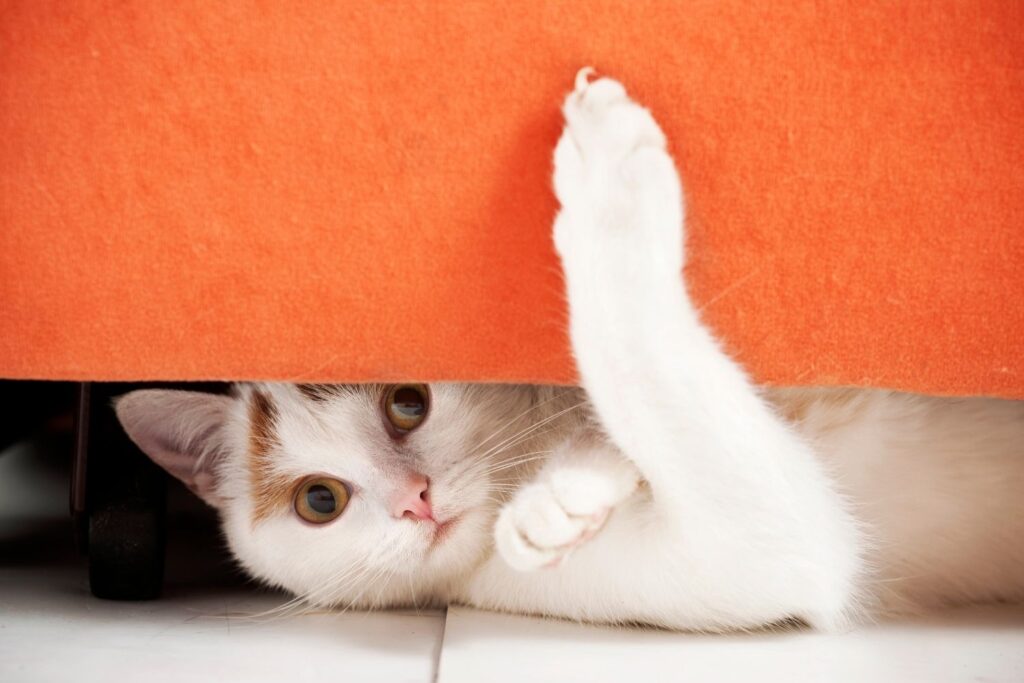
Cats rely on timing and rhythm to feel safe. If one person disrupts feeding schedules, interrupts naps, or moves objects frequently, the cat associates them with change. You may maintain steadier routines, which places you in the category of predictability. Cats often show affection where they find structure.
As these small disruptions accumulate, the cat forms aversion. Even minor inconsistencies feel loud to an animal that thrives on repeated patterns. The person who destabilizes the environment becomes someone to avoid rather than approach.
6. Cats may react to specific sounds a person makes.

Certain voices, coughing patterns, or even laughter tones can spook a sensitive cat. These sounds may remind them of something from their early life or simply fall into a frequency that irritates their ears. Your voice might land in a more soothing range, making you easier for the cat to engage with.
Repeated exposure reinforces the distinction. The unsettling sound becomes part of how the cat identifies that person. They maintain physical distance not from dislike but from auditory discomfort.
7. Cats often avoid people who stare directly at them.

Direct eye contact can feel intense for many cats because it resembles predatory behavior in the animal world. Someone who unconsciously watches the cat often or tries to gain their attention may accidentally signal challenge instead of friendliness. Your softer glances may convey safety instead.
With time the pattern becomes ingrained. The cat misreads the other person’s attention as pressure and chooses the calmer visual environment you offer. Trust grows where the cat feels unobserved.
8. Cats sometimes dislike people who overwhelm them socially.
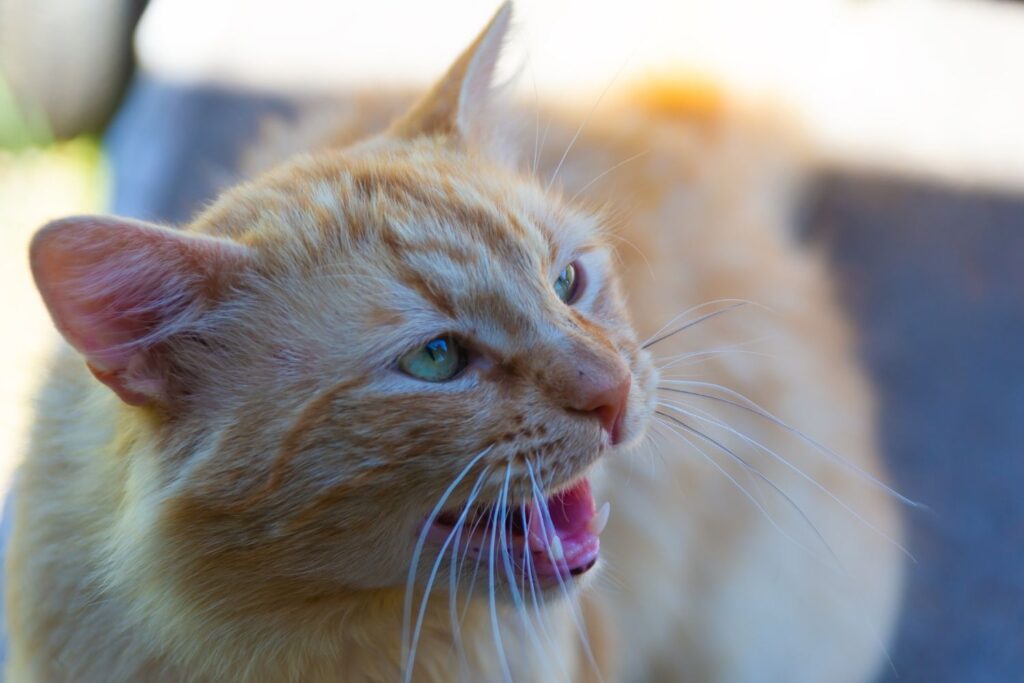
A person who approaches too quickly, speaks loudly to the cat, or tries to initiate contact repeatedly can feel intrusive. Cats prefer slow, low pressure bonding, and they gravitate toward people who ignore them at first. You may naturally give them space, which feels safer.
Eventually the cat forms a clear preference. They favor the person who lets them choose the moment of contact. The individual who insists on interaction becomes someone they keep at a distance.
9. Cats react to contrasting personalities in subtle ways.
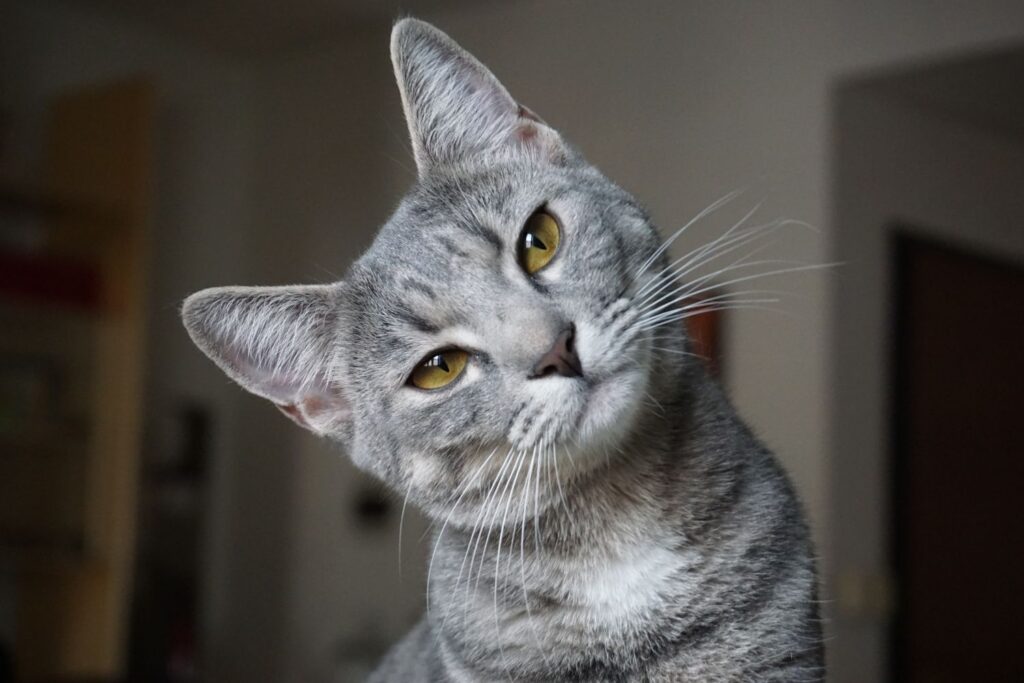
A confident or assertive personality may feel overwhelming for a shy cat. Conversely a cat with bold temperament may clash with someone timid or unpredictable. Your temperament may simply align more smoothly with the cat’s own style of engaging. They attach where the energy feels balanced.
Personality mismatches create tension without anyone noticing. The cat then gravitates toward the dynamic that feels most compatible. Love becomes selective but logical when viewed through that lens.
10. Cats bond most deeply with the person who meets their needs.

The person who feeds, plays, comforts, or responds to cues becomes the emotional anchor. When someone else in the house interacts less or misreads the cat’s signals, the cat places them lower on their trust scale. Your reliability becomes a sanctuary the cat returns to every day.
Over time the difference widens. The cat strengthens the bond with the person who provides comfort and stability and quietly distances themselves from someone who does not. Their preferences are built on observation, safety, and remembered care, not favoritism.