
Cats hide pain so well it often looks like aging.
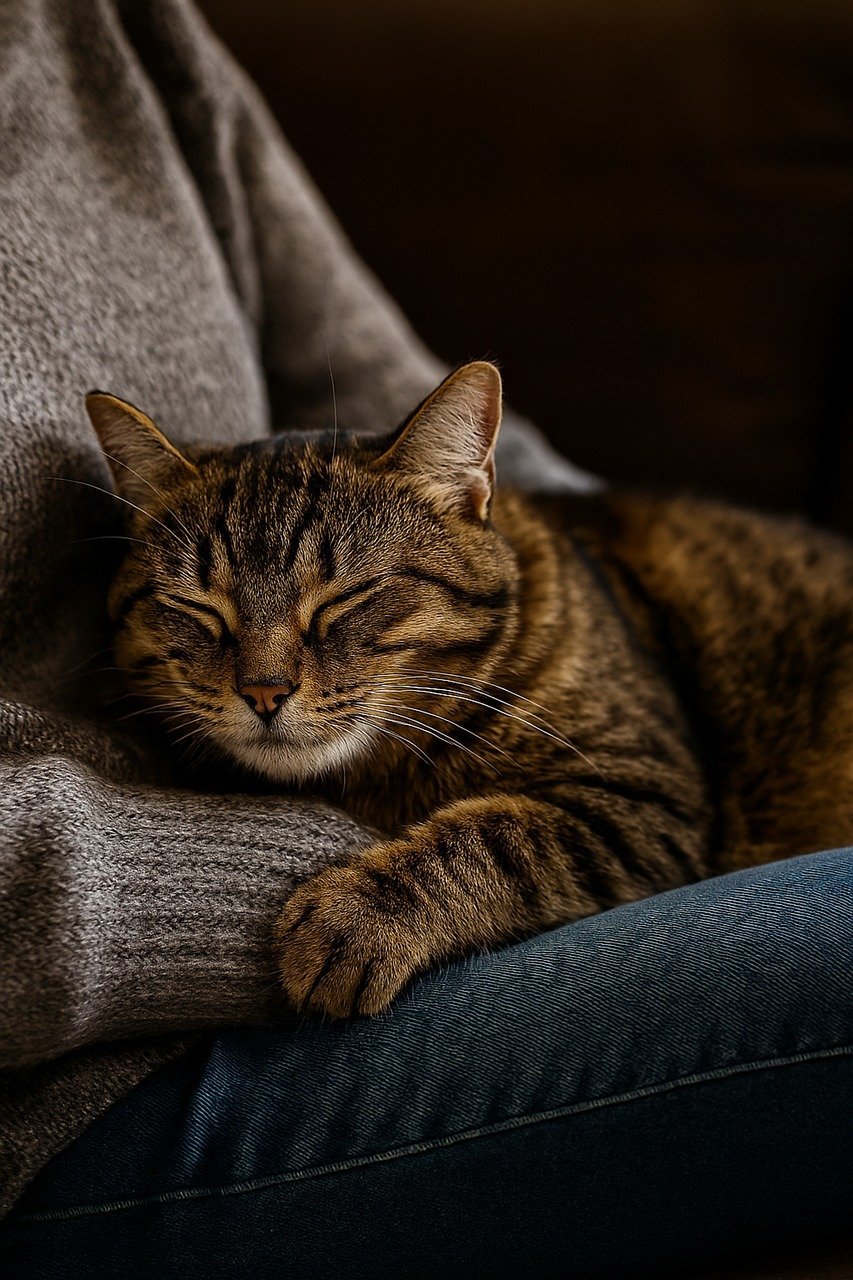
When your cat starts sleeping more, moving slower, or ignoring favorite spots, it’s tempting to blame old age. But many cats showing these “senior” traits are actually suffering from undiagnosed pain. Because cats instinctively conceal weakness, subtle clues, like skipping jumps or grooming less, become their only cries for help. Recent veterinary research shows that feline pain, particularly arthritis and dental or nerve issues, is frequently mistaken for aging. Spotting these signs early can drastically improve a cat’s comfort and life span. Here are eight key signs that pain, not age, might be the real culprit.
1. Jumping less is one of the earliest clues.
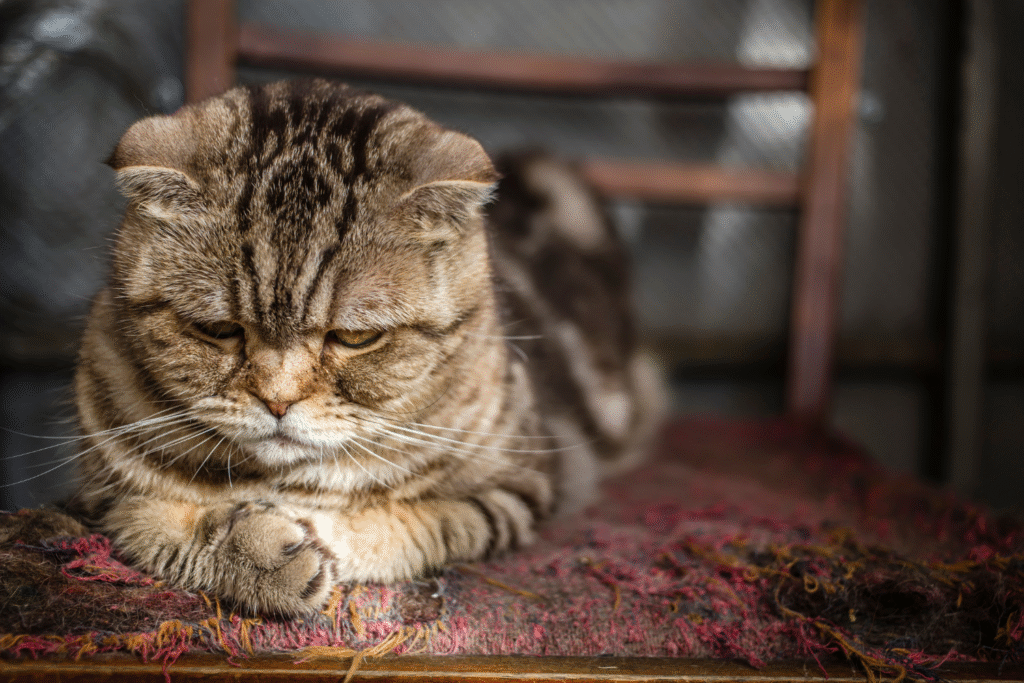
When a cat stops leaping onto furniture or windowsills, it’s rarely just laziness. Cats with joint pain hesitate because every jump risks discomfort. A study by the University of Montreal’s Faculty of Veterinary Medicine found that over 60 percent of cats older than six showed early signs of arthritis even without visible limping. The change often sneaks up slowly, one skipped jump becomes many. That hesitation, paired with longer pauses before movement, is a quiet message that something hurts. Once recognized, treatment like joint supplements or pain relief can return mobility and confidence.
2. Grooming habits fade or shift dramatically.
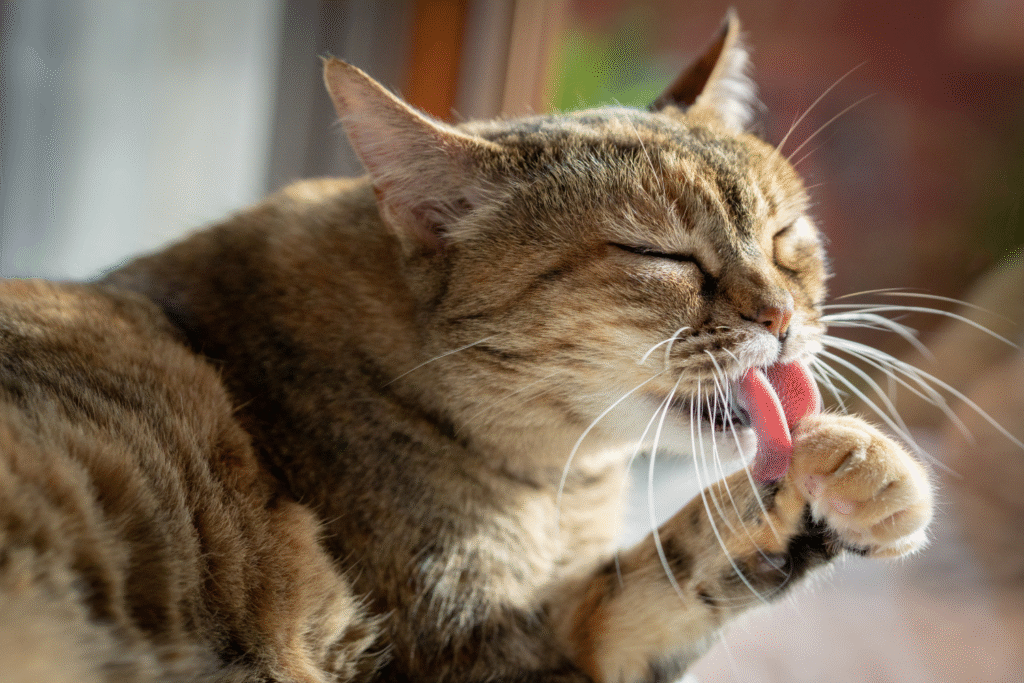
Cats that once stayed pristine can suddenly appear unkempt or matted. As stated by the Cornell Feline Health Center, reduced grooming is a major red flag for joint or muscle pain because twisting and licking become uncomfortable. Some cats even overgroom a single area trying to soothe a sore spot. Matted fur, dandruff, or an oily coat often mark where they’ve stopped cleaning due to pain. It’s easy to misinterpret this as old age, but when grooming stops, it’s often because the simple act of bending or stretching starts to hurt.
3. Hiding and social withdrawal increase noticeably.
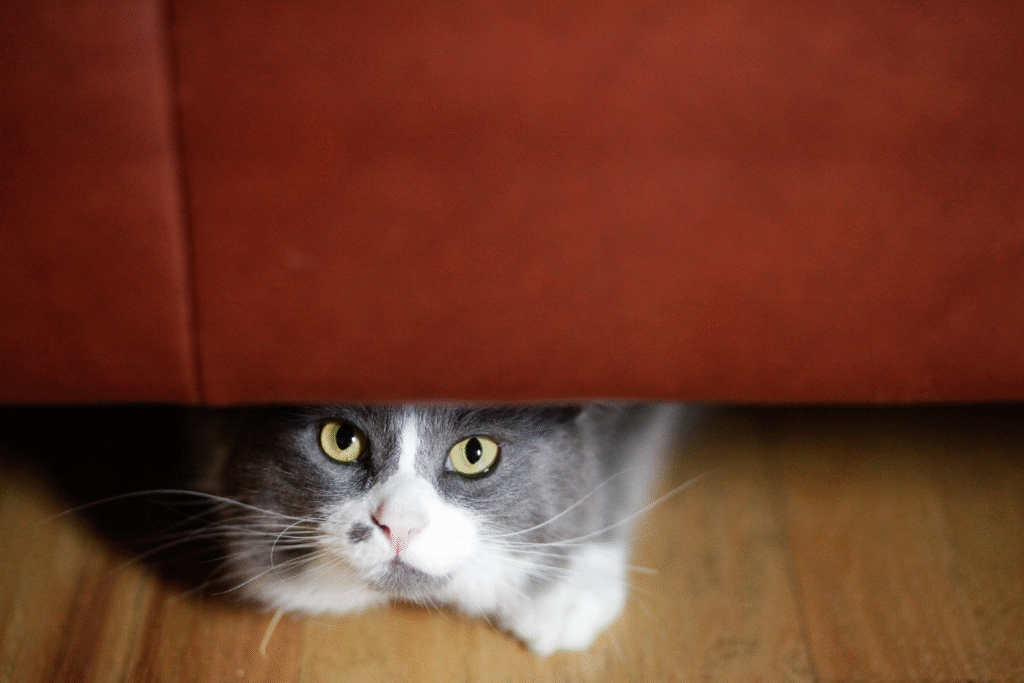
A once sociable cat retreating to quiet corners or sleeping more might be in discomfort. Pain triggers survival instincts, cats hide to avoid appearing vulnerable. The American Association of Feline Practitioners reports that chronic pain often leads to isolation, reduced interaction, and changes in sleep cycles. Many owners assume their pet is “slowing down,” but it’s actually a coping mechanism. When a cat that normally seeks attention suddenly prefers solitude, it’s worth paying attention. That shift in presence can reveal far more than a slow metabolism ever could.
4. Sudden aggression replaces gentle behavior overnight.

Cats in pain sometimes lash out when touched in sore areas, biting, hissing, or growling without warning. It feels like personality change, but it’s really self-protection. Petting or lifting them may accidentally press on aching joints or an injured back. That tension creates unpredictable reactions, even from calm cats. Veterinarians often call this “reactive aggression,” where pain sparks defensive behavior. Understanding that the aggression is a symptom, not a character flaw, helps prevent conflict and encourages medical evaluation instead of punishment.
5. Litter box habits become inconsistent or strained.
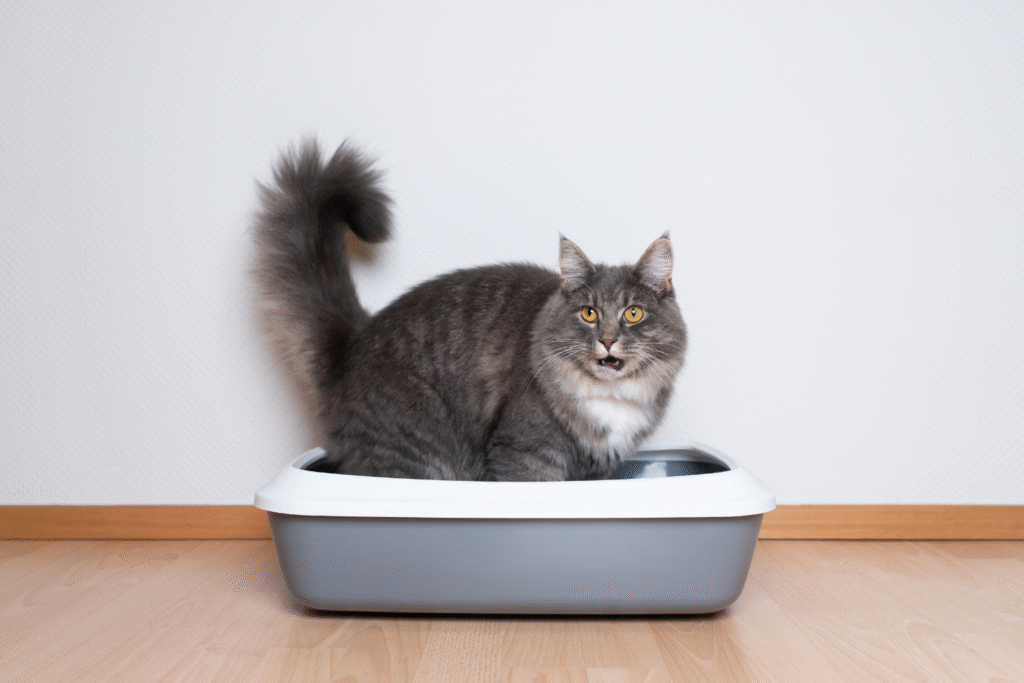
Avoiding or missing the litter box is another underappreciated pain cue. Cats with arthritis or back pain may struggle to climb into high-sided boxes or maintain posture while eliminating. They might urinate nearby simply because stepping in hurts. Sometimes, constipation from reduced activity worsens the issue. Adjusting box height or placement can help, but consistent avoidance often signals deeper physical discomfort. Many vets note that “litter box problems” lead to misdiagnosed behavioral issues when, in truth, pain is the silent culprit underneath.
6. Shifting sleep postures reveal discomfort and restlessness.

Pay attention to how your cat sleeps. Curling tightly with tense muscles, avoiding stretching out, or frequently changing position suggests pain. A relaxed cat typically sprawls, belly up, showing comfort and safety. Pain, however, forces guarded postures. Studies on feline behavior note that cats experiencing chronic pain often seek firm surfaces to support sore joints and move restlessly through the night. These micro-adjustments look minor but are physical attempts to relieve pressure. Observing these subtle nighttime behaviors gives insight no vet exam can catch alone.
7. Playtime fades but not curiosity.
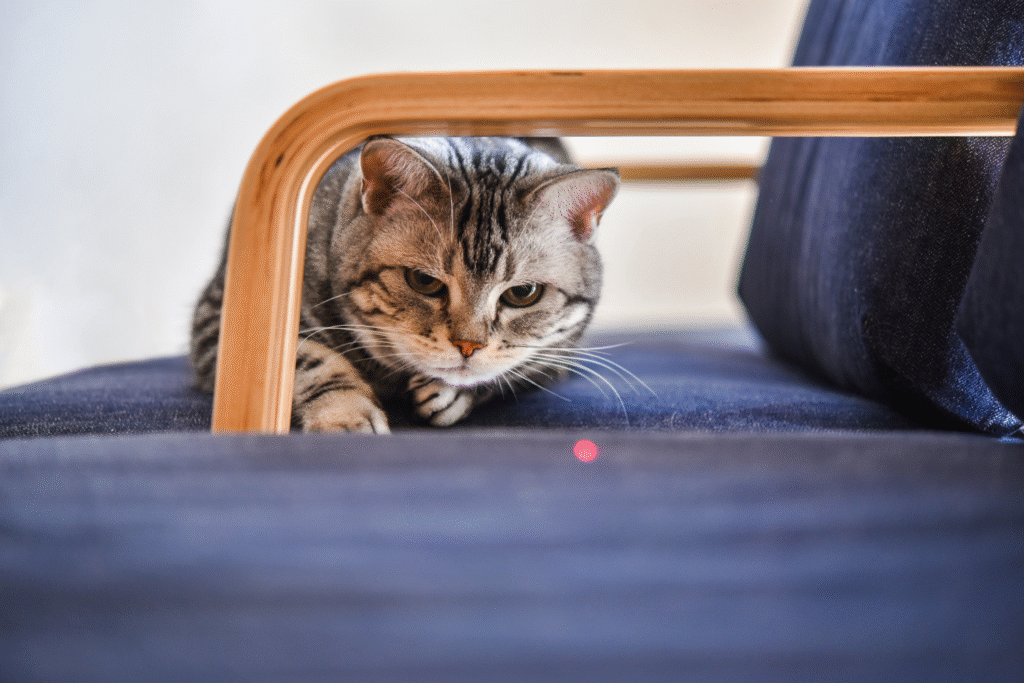
Cats that still watch toys but won’t chase them are often dealing with discomfort, not disinterest. That hesitation is physical, not emotional. In many cases, cats suffering from early arthritis retain alertness and focus but avoid exertion. Veterinarians explain that “wanting but not doing” reflects a body limited by pain signals. Owners may misinterpret this as their cat “maturing,” but when curiosity remains while movement drops, that’s the clearest divide between age and ache. Addressing pain early often restores that spark for play and activity.
8. Changes in expression and voice tell silent truths.
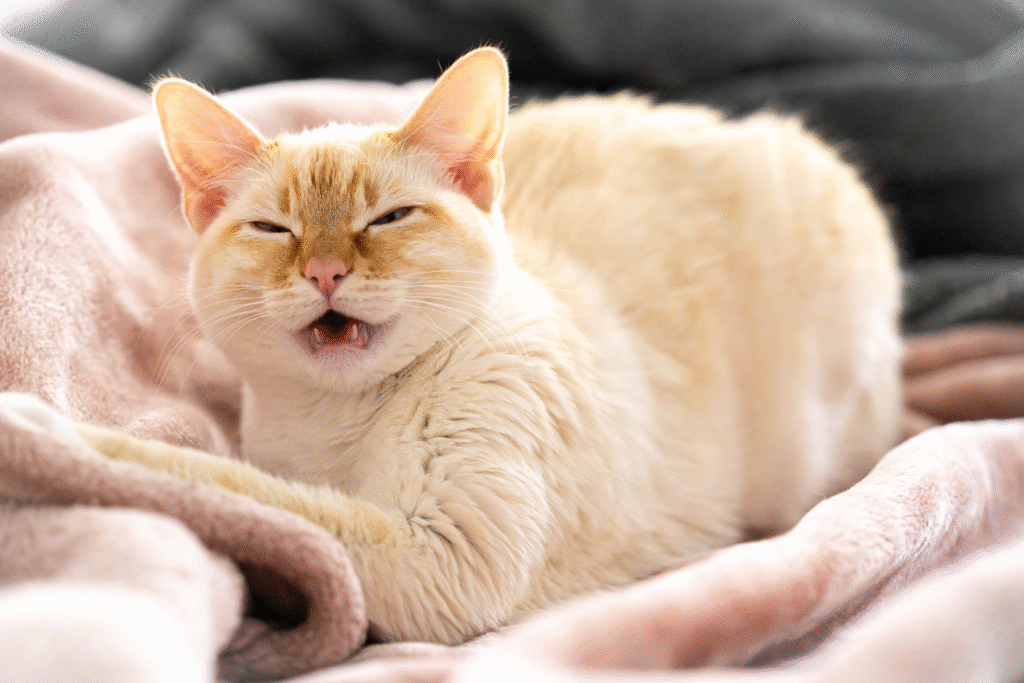
A cat’s face and tone often reveal what their body hides. Subtle squinting, flattened ears, or a tight jaw can all indicate pain. Increased or lower-pitched meows, or even unexpected purring when stressed, can also signal distress. Researchers at the University of Montreal developed the Feline Grimace Scale to assess such facial cues. Combined with shifts in tone or frequency of vocalization, these nonverbal signs paint a clear picture. The more attuned you become to their body language, the sooner you can help them find relief and restore their ease.