
Subtle shifts often hide serious physical distress.
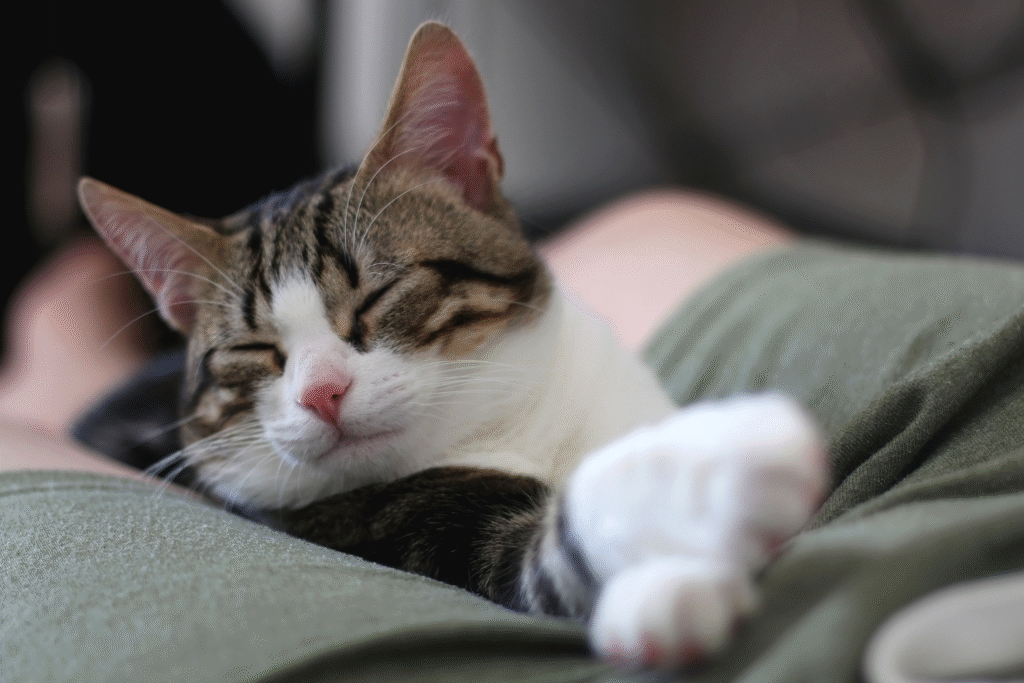
Cats rarely advertise pain the way people expect. Instead, discomfort leaks out through small behavioral changes that feel easy to explain away. A cat still eats, still jumps, still sleeps nearby, so concern stays low. Yet pain quietly reshapes instincts, posture, and tolerance long before obvious illness appears. Vets say these early signs often surface days or weeks ahead of diagnosis. Missing them can allow treatable problems to worsen, changing outcomes and recovery windows in ways no owner intends.
1. Grooming habits change in noticeable uneven patterns.
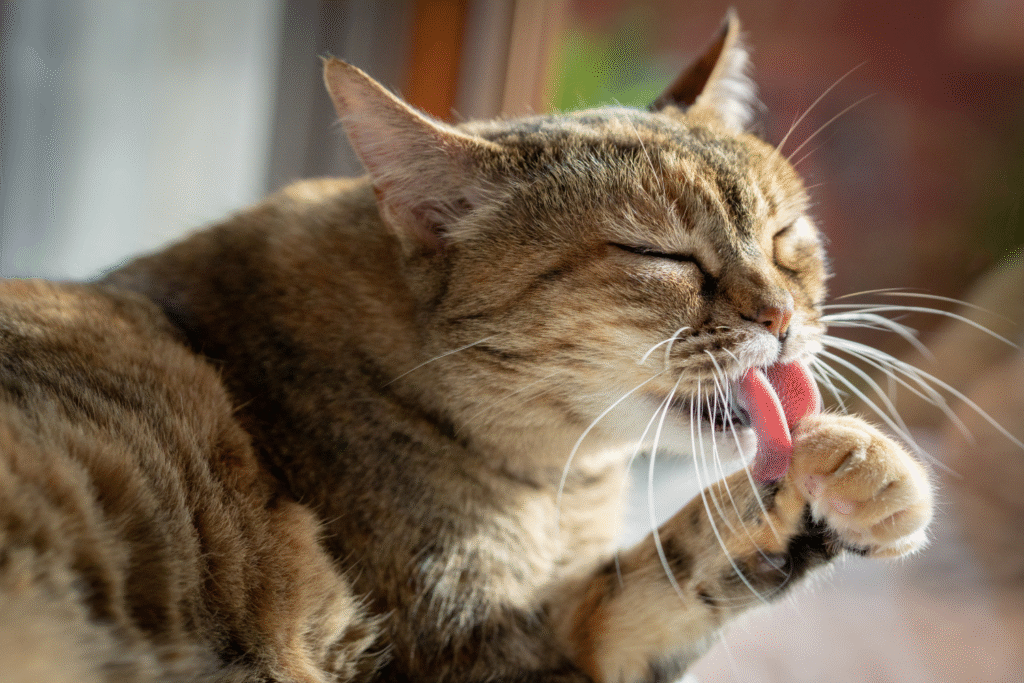
Pain often interrupts routines that once ran on instinct. A cat may stop grooming certain areas while obsessively licking others, creating patchy coats or mats that seem to appear overnight. Because grooming is so constant, the shift feels minor at first. Owners may assume age, weight gain, or personality changes, letting discomfort deepen while skin irritation quietly follows.
Grooming requires flexibility and pain free movement. When joints ache or the abdomen feels tender, cats avoid specific positions. Overgrooming nearby regions can signal compensation rather than fussiness. Vets often associate uneven grooming with arthritis, dental pain, or internal inflammation that flares during twisting or bending movements.
2. Litter box habits shift without obvious explanation.

A cat missing the litter box can feel like a behavioral setback rather than a medical one. The change may start with hesitation, longer visits, or accidents just outside the box. Because stress and territory issues are common explanations, pain often goes unconsidered while frustration builds and cleanup increases.
Climbing into a box requires joint strength and balance. Painful hips, sore backs, or urinary discomfort can make the box feel threatening. Some cats associate the box itself with pain during elimination. Vets frequently see litter changes as early signs of arthritis, bladder inflammation, or gastrointestinal distress rather than defiance.
3. Sleeping positions become guarded or unusually rigid.
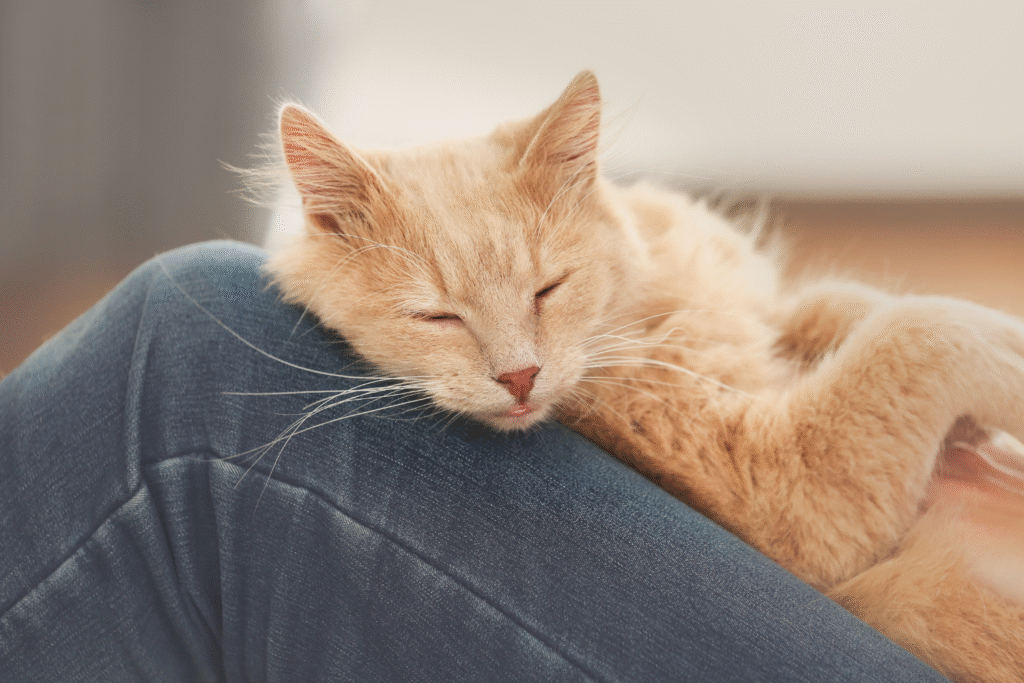
Sleep usually reveals comfort, so subtle changes can go unnoticed. A cat may stop curling up or stretching out fully, choosing tight or awkward positions instead. These new postures can look harmless, especially if the cat still sleeps often, masking the discomfort shaping every rest cycle.
Cats adjust sleep to protect sore areas. Guarded positions reduce pressure on painful joints or tender organs. Vets note that cats with abdominal pain often sleep tucked tightly, while orthopedic pain encourages stiff, minimal movement positions. Watching how a cat sleeps can reveal more than how long they sleep.
4. Playfulness drops while alertness strangely increases.
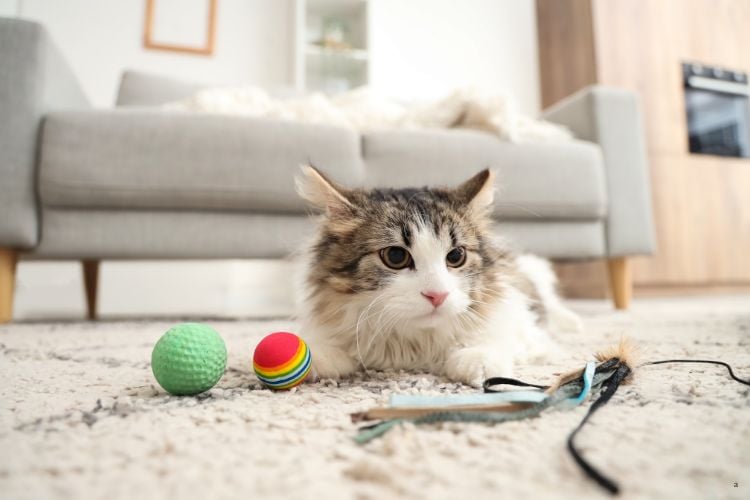
A cat that stops playing may still appear engaged with its surroundings. Eyes follow movement, ears twitch, but the body stays still. This mismatch feels confusing, suggesting boredom rather than pain. Over time, reduced play quietly reshapes muscle tone and confidence.
Pain dampens the desire to leap, twist, or sprint. Yet instinct keeps cats vigilant, especially when vulnerable. Vets often see this pattern in cats with early joint disease or soft tissue injuries, where movement hurts but awareness remains sharp, creating a tense stillness instead of relaxed play.
5. Appetite fluctuates without clear digestive illness.
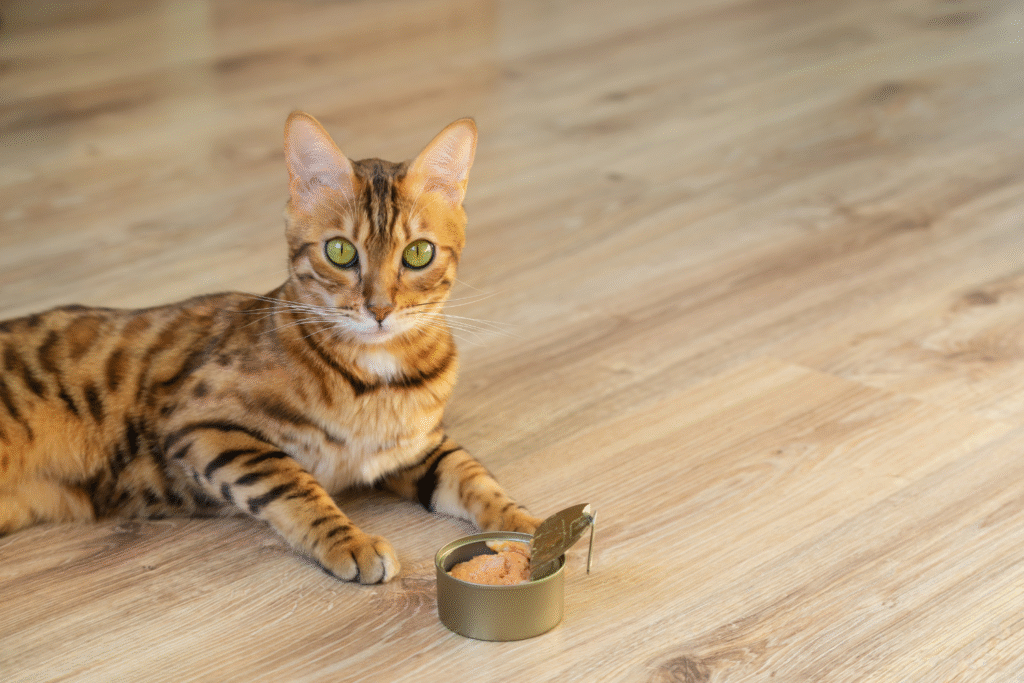
Pain rarely eliminates appetite all at once. Instead, eating patterns wobble. A cat may eat less at certain times, avoid crunchy food, or pause mid meal. Because the bowl empties eventually, concern stays low while weight subtly shifts.
Chewing stresses teeth and jaw joints, while eating posture can aggravate abdominal or spinal pain. Vets frequently link appetite changes to dental disease, pancreatitis, or musculoskeletal pain. Small hesitations during meals often appear before vomiting, weight loss, or complete food refusal develops.
6. Social behavior shifts toward distance or irritability.

A normally affectionate cat may retreat or react sharply to touch. The change can feel personal, as if trust has faded. Because cats value autonomy, withdrawal often gets misread as mood rather than distress.
Pain lowers tolerance for handling. Touch can trigger sharp sensations even in gentle interactions. Vets emphasize that cats rarely grow mean without cause. Sudden irritability often points to hidden pain, especially when paired with subtle posture changes or avoidance of favorite people.
7. Jumping becomes hesitant or carefully staged.

Cats known for effortless leaps may pause before jumping or choose lower routes. This caution develops gradually, blending into routine behavior. Owners may assume aging rather than pain as furniture goes unexplored.
Jumping demands explosive strength and joint stability. Pain transforms confidence into calculation. Vets often trace hesitancy to early arthritis or spinal discomfort. Cats adapt cleverly, masking the problem by rerouting movement until pain eventually limits even those safer options.
8. Vocalizations change in timing or tone.
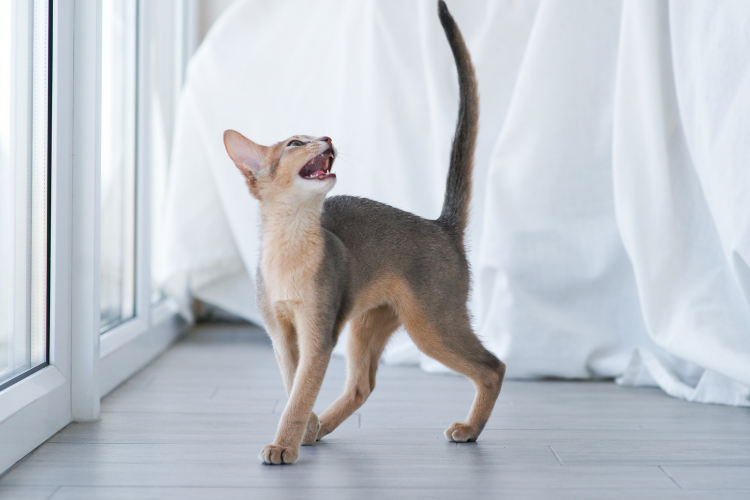
A cat may vocalize more at night, during handling, or when moving. These sounds can be softer or sharper than usual, easy to dismiss as attention seeking. The inconsistency makes patterns hard to recognize.
Pain triggers communication when stress peaks. Nighttime quiet amplifies discomfort, while movement sparks sudden sensation. Vets note that altered vocal patterns often accompany chronic pain, especially when paired with restlessness or pacing that owners initially attribute to anxiety.
9. Facial expressions appear tense or withdrawn.
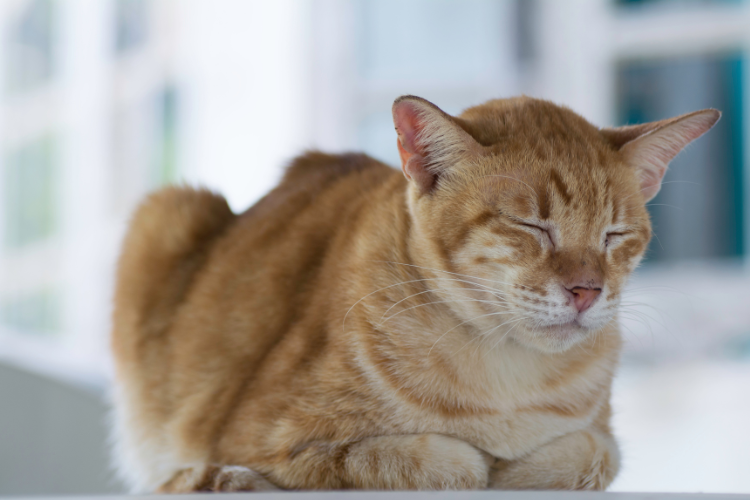
Cats communicate pain through subtle facial cues. Squinted eyes, flattened whiskers, or a tight mouth can appear fleeting. Because these expressions pass quickly, they often escape notice during busy days.
Veterinary pain scales rely heavily on facial assessment. Tension reflects ongoing discomfort rather than emotion alone. Vets encourage watching relaxed moments closely. A cat that rarely softens its face may be managing constant low level pain beneath otherwise normal behavior.
10. Breathing patterns grow shallow or irregular at rest.
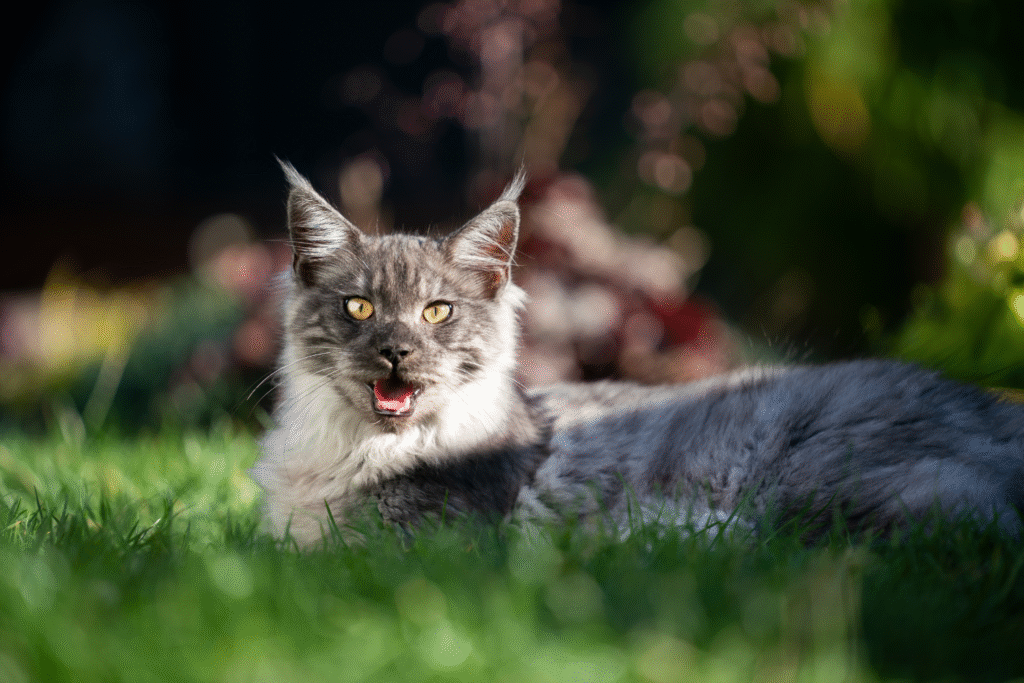
Changes in breathing can feel alarming yet easy to misinterpret. A cat may breathe faster while resting or seem to hold its breath briefly when repositioning. Without coughing or wheezing, concern often fades.
Pain influences breathing by limiting chest expansion or triggering stress responses. Vets associate shallow breathing with abdominal pain, trauma, or inflammatory conditions. Monitoring resting breath rate offers insight into discomfort long before respiratory disease becomes obvious.
11. Hiding increases even in familiar environments.

Cats hide for many reasons, making this sign especially easy to overlook. A cat may choose closets or under furniture more often, returning briefly before retreating again. The behavior feels situational rather than urgent.
Hiding provides safety when vulnerability rises. Pain heightens the instinct to withdraw from interaction. Vets commonly see increased hiding in cats with chronic pain, where retreat offers relief from stimulation that might provoke movement or touch.
12. Body posture stiffens during ordinary movement.

Walking, turning, or sitting may appear mechanical rather than fluid. These changes develop slowly, blending into the cat’s silhouette. Without obvious limping, stiffness rarely raises alarms.
Pain alters muscle engagement and balance. Vets recognize stiff posture as a hallmark of joint and spinal issues. Cats compensate smoothly, masking the problem until mobility suddenly declines. Early stiffness often precedes more dramatic movement limitations.
13. Restlessness replaces previously calm routines.

Some cats cannot settle comfortably. They shift positions, pace, or change sleeping spots repeatedly. Because activity continues, pain seems unlikely, delaying concern as nights grow disrupted.
Pain makes sustained comfort impossible. Restlessness reflects the search for relief rather than excess energy. Vets frequently link this behavior to chronic pain conditions where no position fully alleviates discomfort. The inability to relax can be one of the clearest warnings when viewed over time.