
Chronic vomiting can point to something far more serious.
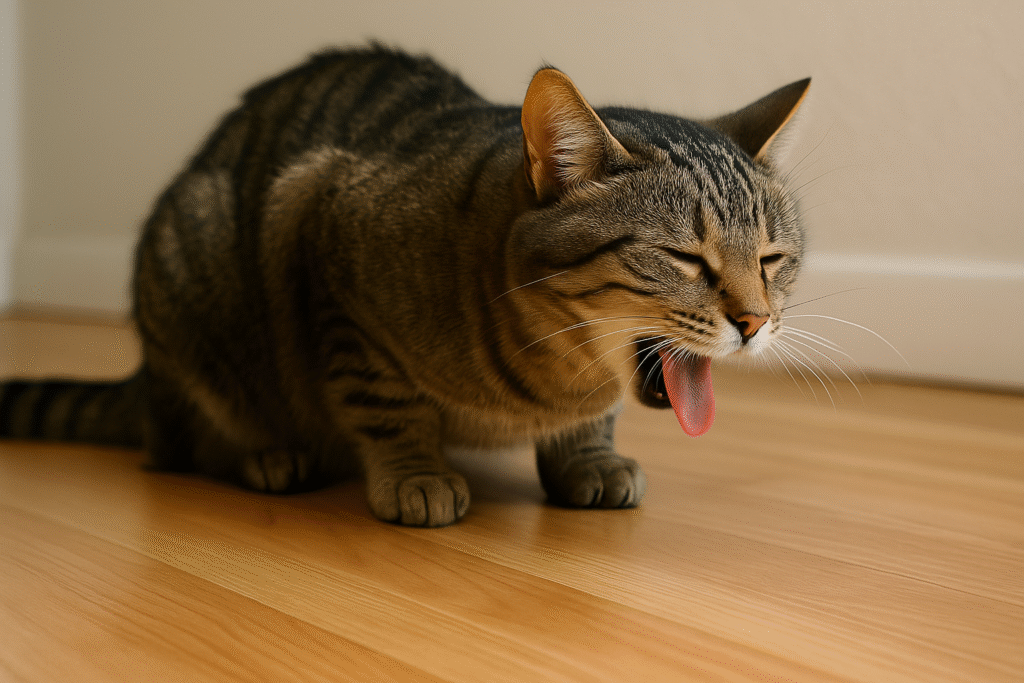
When a cat vomits, most owners assume it’s a hairball or sensitive stomach. But repeated episodes can hide something far more dangerous—pancreatitis, a condition that silently inflames one of the body’s most important organs. The pancreas helps digest fat and regulate blood sugar, yet when it becomes inflamed, the entire system starts to unravel. What makes it tricky is that the signs look deceptively mild at first. New veterinary research shows that many “routine” upset stomachs are actually early warnings of this often-missed disease.
1. Pancreatitis is now recognized as common in cats.
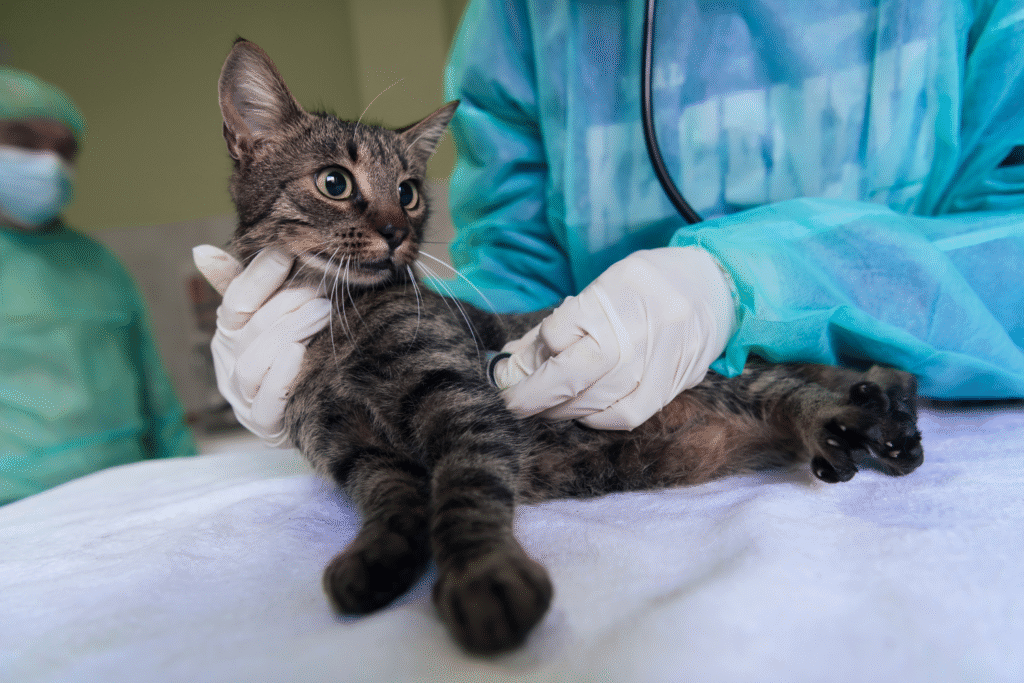
For years, vets believed feline pancreatitis was rare, but newer diagnostics have changed that view. According to the Cornell Feline Health Center, it’s one of the most frequently diagnosed internal diseases in cats today. The condition occurs when digestive enzymes activate too early, essentially allowing the pancreas to start digesting itself. Unlike dogs, cats show vague symptoms—maybe some vomiting, low appetite, or lethargy—making early detection easy to miss. By the time it’s identified, inflammation can already affect the liver and intestines, forming what’s known as triaditis.
2. Chronic vomiting is often the first visible warning.
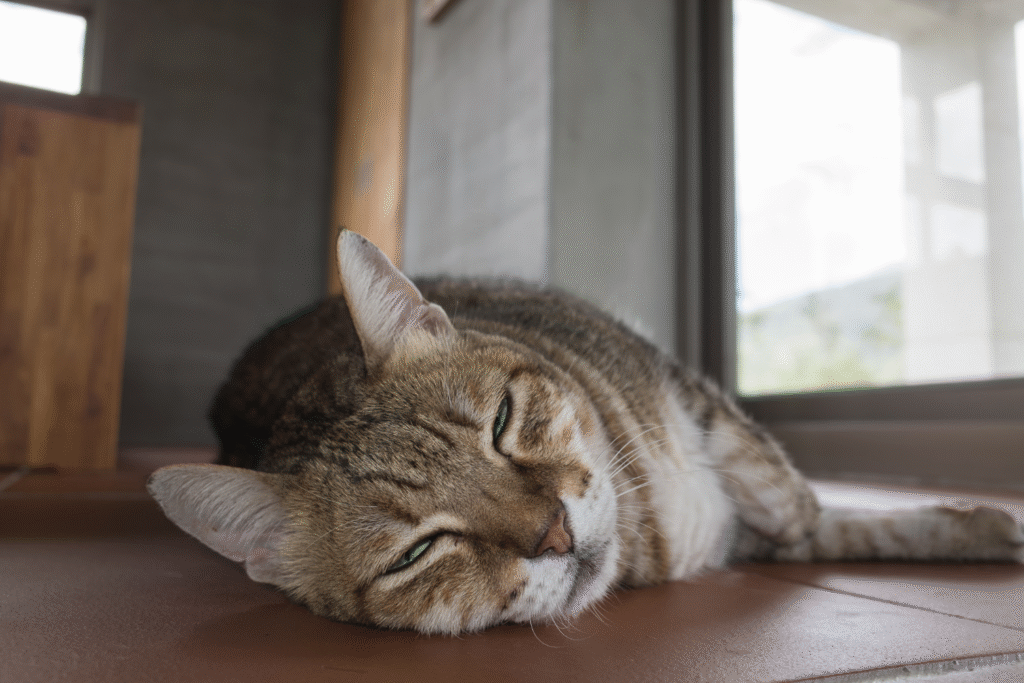
Owners tend to dismiss recurring vomiting as minor, but research shows it’s a major red flag for pancreatic inflammation, as reported by the Journal of Feline Medicine and Surgery. The pancreas releases enzymes that aid digestion, and when inflamed, those enzymes irritate the stomach and intestines. The result looks like “just another stomach upset.” Many cats suffer low-grade pancreatitis for months before their condition is recognized. Every episode of unexplained vomiting is essentially your cat’s digestive system signaling distress deeper than simple indigestion.
3. Bloodwork and ultrasound are crucial for confirming diagnosis.
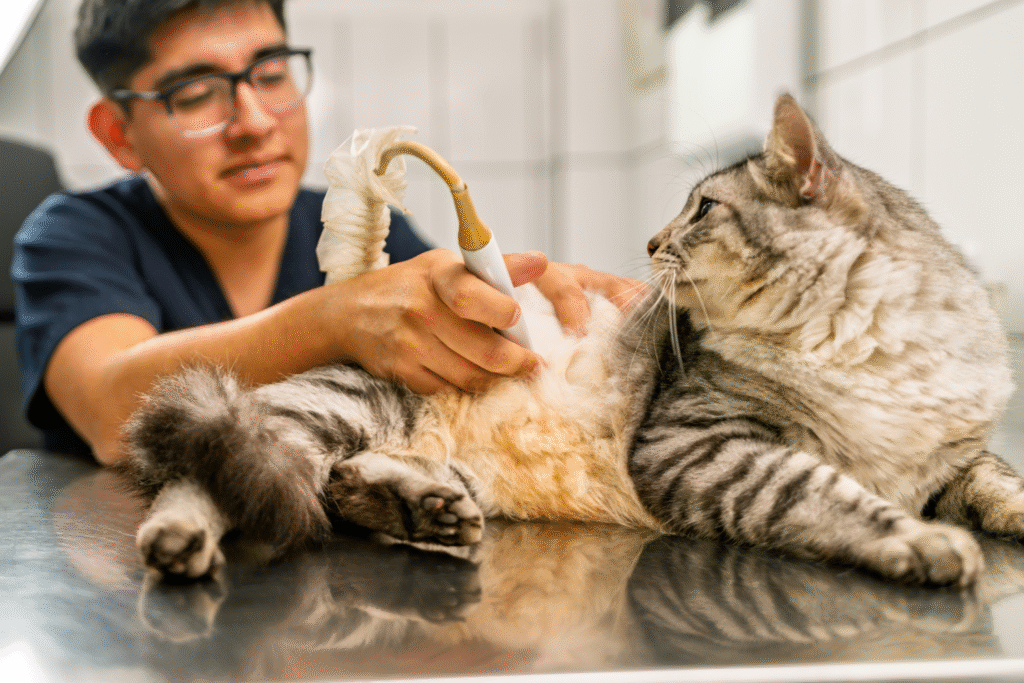
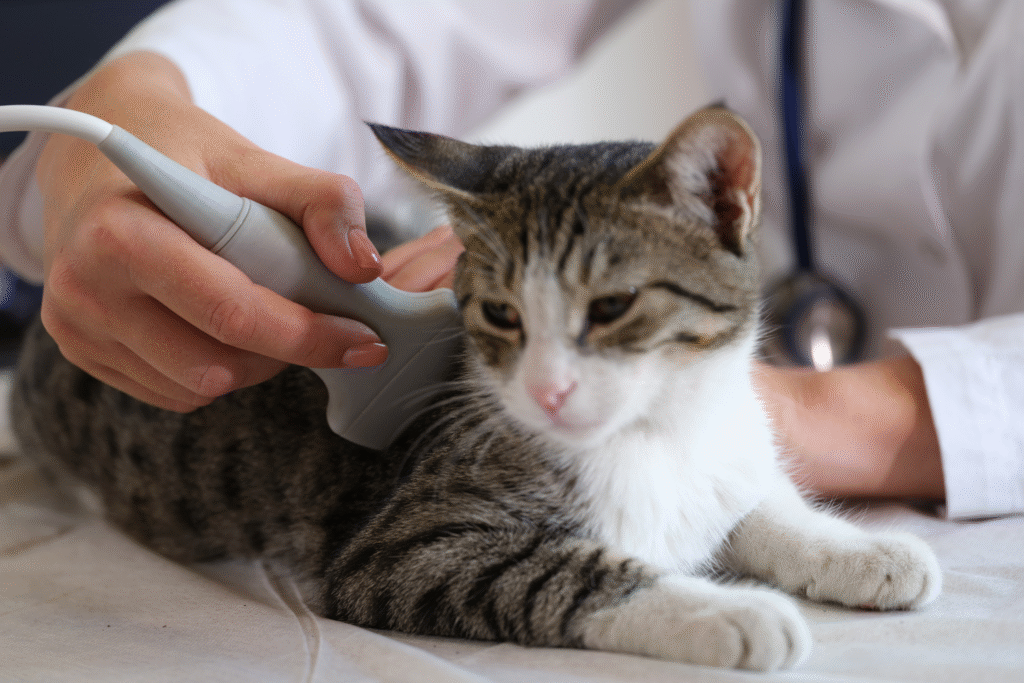
Because symptoms are subtle, veterinarians rely on blood tests that measure pancreatic enzymes, along with abdominal ultrasounds, to confirm the disease. As discovered by the American Association of Feline Practitioners, elevated fPLI (feline pancreatic lipase) levels are a key diagnostic marker. Ultrasounds often reveal swelling or mottling in the pancreas and surrounding organs. Diagnosis can take persistence, since results sometimes appear normal even when inflammation exists. It’s one of those conditions where experience, not just testing, guides the vet toward the truth hidden under the surface.
4. Appetite loss often appears before vomiting starts.

Many cats begin skipping meals before more obvious signs appear. The discomfort of an inflamed pancreas suppresses hunger, making food less appealing even when nausea isn’t visible. This change can develop gradually—one skipped meal turns into three, then a day or two of grazing. Because cats are prone to liver complications when fasting, even mild appetite loss can spiral into something more severe. When a normally eager eater starts walking away from the bowl, it’s time to take notice.
5. Lethargy and quiet withdrawal can replace normal behavior.
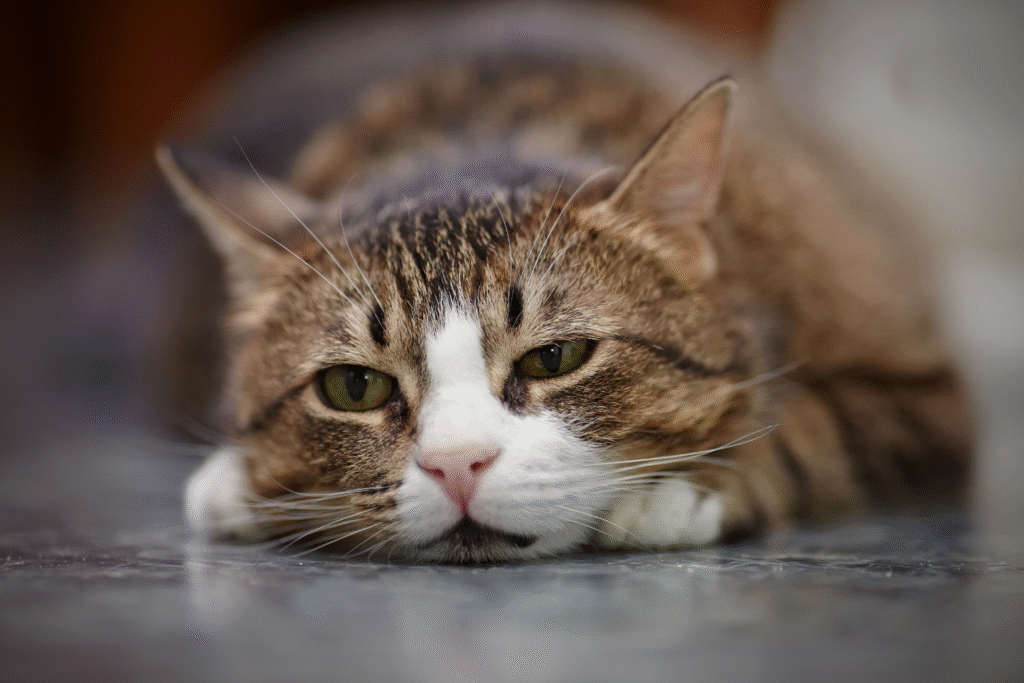
A cat battling pancreatitis often retreats to quiet corners, resting more and moving less. They aren’t being moody—they’re exhausted from systemic inflammation. The condition causes subtle dehydration and electrolyte imbalance, which drains energy. Owners often describe their cats as “just not themselves,” a phrase vets hear constantly before diagnosis. These small shifts in behavior, especially when paired with vomiting or appetite changes, are often the clearest hints that internal stress is building silently.
6. The condition can develop suddenly or chronically.

Some cats experience acute pancreatitis triggered by toxins, trauma, or infections, while others endure slow, recurring inflammation that worsens over time. Chronic cases may smolder for months, causing intermittent flare-ups that come and go without explanation. The difference between the two lies in severity, not danger—both can progress to organ failure if untreated. Early management keeps the disease from reaching a point where hospitalization and IV fluids become the only option.
7. Diet plays a critical role in both cause and recovery.
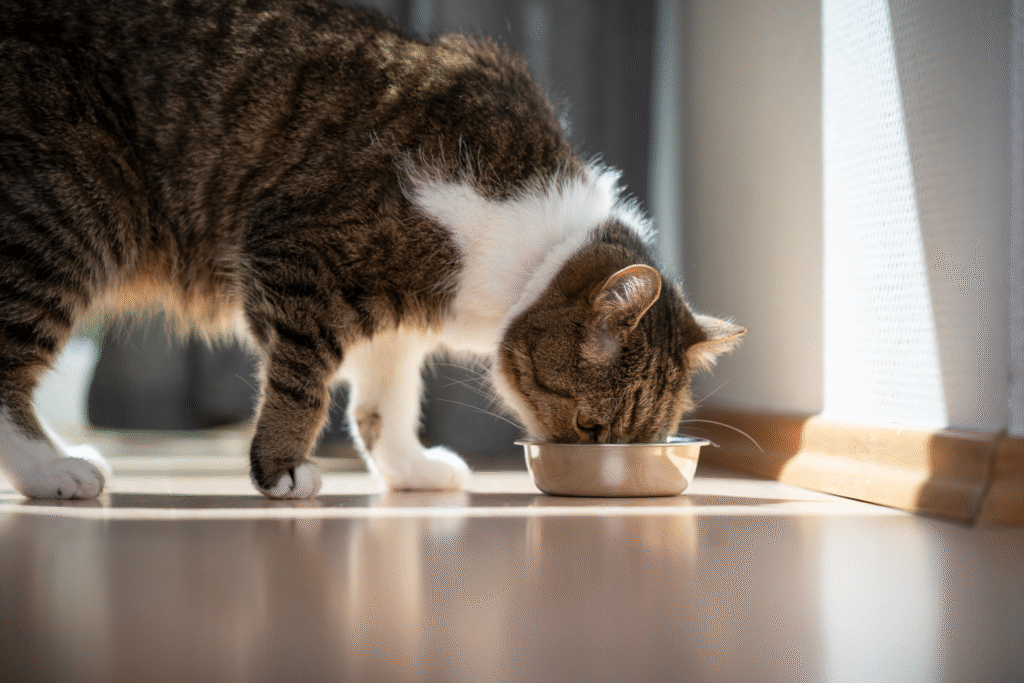
High-fat meals, sudden food changes, or low-quality ingredients can strain a sensitive pancreas. Vets often recommend low-fat, easily digestible diets once inflammation is under control. Feeding small, frequent meals helps reduce the workload on digestive enzymes. Cats with chronic pancreatitis usually do best on prescription diets formulated to stabilize fat metabolism. Recovery depends heavily on nutrition—getting it wrong can reignite symptoms faster than medication can calm them.
8. Dehydration worsens the damage inside the pancreas.
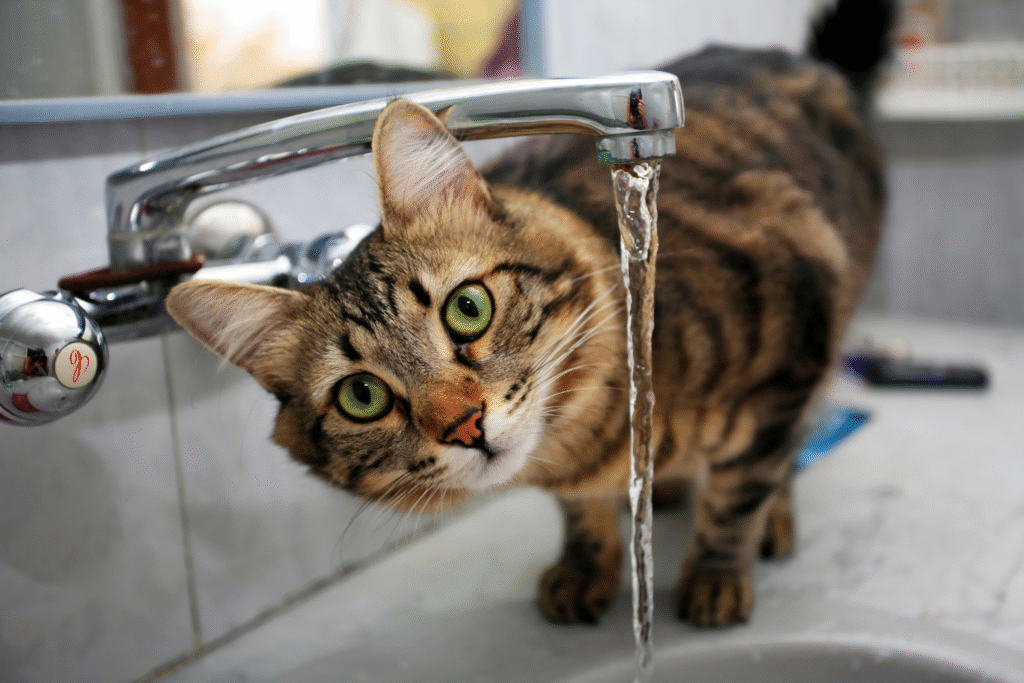
Cats with pancreatitis often stop drinking enough water, which thickens their blood and reduces enzyme flow. The result is a feedback loop where poor hydration further irritates the pancreas. Rehydration, whether through subcutaneous fluids or wet food, helps break that cycle. Many cats improve noticeably once fluid balance is restored. Because dehydration develops quietly, owners often don’t see it until their cat’s coat dulls or their energy dips sharply.
9. Early treatment dramatically improves long-term outcomes.
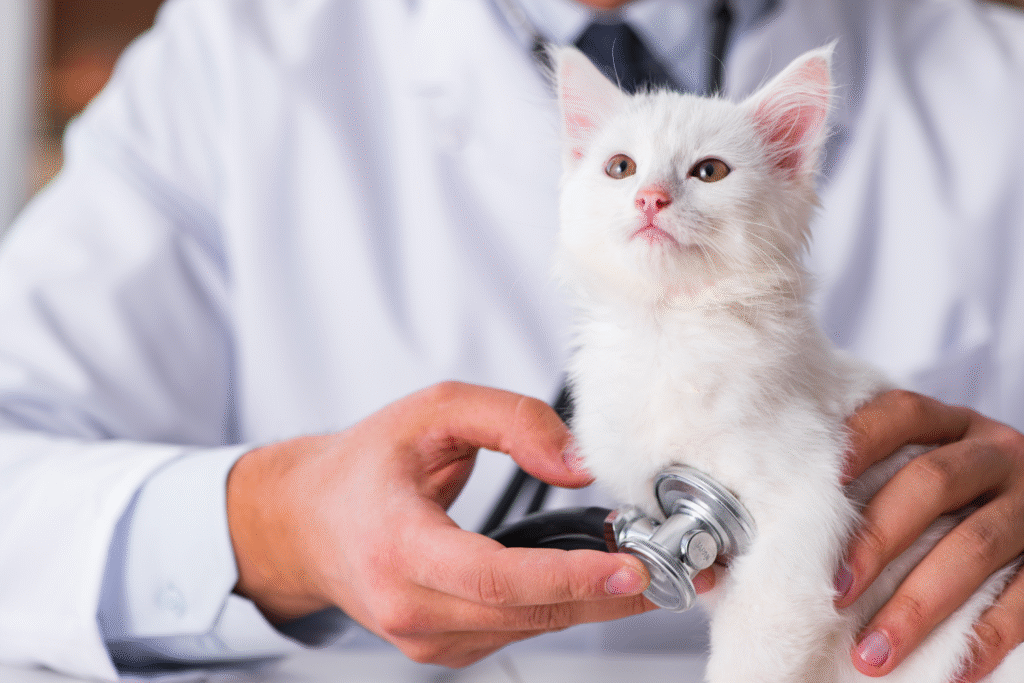
Catching pancreatitis early means less inflammation, less scarring, and fewer secondary complications. Treatment focuses on fluids, anti-nausea medications, pain control, and dietary management. Cats diagnosed at early stages often live long, healthy lives once the condition stabilizes. Waiting too long, however, allows chronic inflammation to spread into nearby organs, turning a manageable issue into a lifelong struggle. Quick action after repeated vomiting or appetite loss can be the difference between a full recovery and years of recurring flare-ups.
10. What seems minor can mask something far deeper.
Pancreatitis rarely looks dramatic, which is why it’s so often missed. Those random vomits, skipped meals, or sleepy afternoons can easily blend into normal cat behavior. But underneath, inflammation may be smoldering quietly, waiting for a trigger. The message is simple but crucial—don’t dismiss the subtle stuff. When your cat’s stomach acts up again, it might not be a stomach problem at all. It could be the pancreas calling for help, one quiet symptom at a time.