
Nighttime choices reveal instincts few owners question.

A cat that changes sleeping rooms each night can create quiet unease. One evening it chooses the bed, another the sofa, then a hallway chair. The behavior feels deliberate, even pointed. Cats value routine, yet nighttime rewrites priorities shaped by safety, comfort, and instinct. Darkness alters how space is evaluated. What appears restless is often calculated. These nightly decisions are rarely emotional reactions. They are responses to subtle signals humans do not register, unfolding after lights go out and attention fades.
1. Territory monitoring shapes feline nighttime movement patterns.

At night cats enter a lighter, more alert resting state. Sleeping in different rooms allows continuous assessment of scent, sound, and movement. Each location offers unique information about safety and change. Rotating spaces reduces vulnerability while maintaining awareness during hours when vision is limited and instinct takes priority.
According to International Cat Care, domestic cats retain strong territorial monitoring behavior. Nighttime rest remains semi vigilant. Moving locations balances protection and comfort, letting cats guard their environment without remaining exposed. It reflects inherited survival strategy rather than anxiety, boredom, or rejection of people nearby.
2. Temperature gradients quietly guide nightly sleep location choices.

Indoor temperatures shift subtly overnight. One room retains heat, another cools quickly, airflow changes by hour. Cats notice these gradients immediately. Choosing different sleeping locations helps regulate body temperature without conscious effort, responding precisely to surfaces, drafts, and ambient changes humans rarely detect.
As stated by the Cornell Feline Health Center, cats instinctively seek microclimates that meet thermal needs. Fur density, metabolism, and age alter preferences nightly. Movement reflects comfort calibration, not dissatisfaction. Rotating rooms allows fine adjustment as conditions evolve between sunset and morning.
3. Nighttime noise patterns redirect feline sleep decisions.
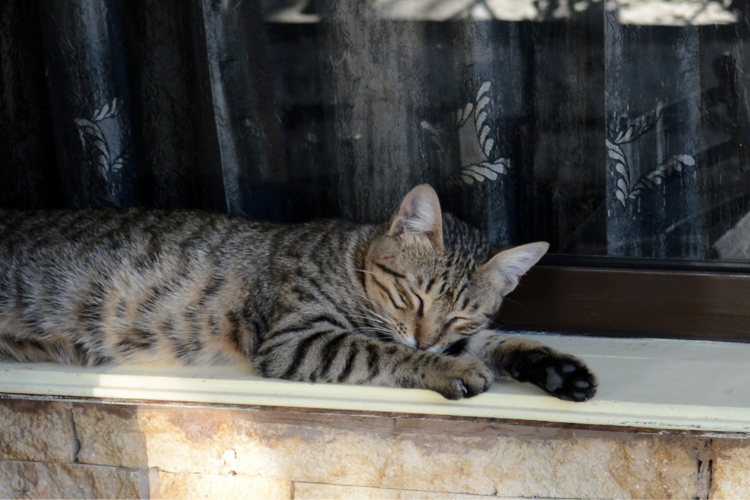
Homes sound different after dark. Pipes knock, appliances cycle, wildlife passes outside, human breathing changes. Cats track these shifts closely. A calm room early may become disruptive later, prompting relocation without hesitation or visible agitation during the night.
As reported by the American Association of Feline Practitioners, cats often change resting spots to avoid unpredictable noise. This learning develops quietly. What seems wandering is selective avoidance. Sound sensitivity shapes sleep choices, allowing rest while staying responsive to sudden environmental cues.
4. Predatory awareness blends seamlessly into resting behavior.
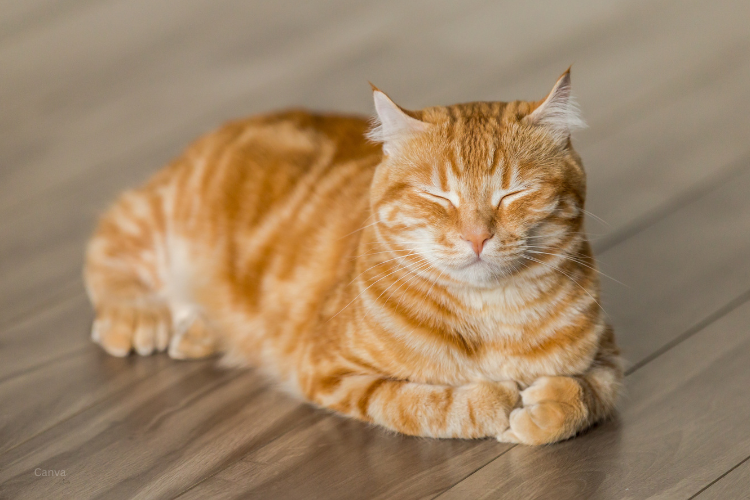
Cats never fully disengage predatory awareness. Different rooms offer vantage points near doors, windows, or hallways. Rotating locations reduces blind spots during darkness. The cat rests lightly, prepared to react, blending sleep with readiness shaped by nocturnal ancestry.
Rest and vigilance coexist. Sleep occurs in stages allowing rapid alertness. Changing rooms supports this balance. Each spot offers escape routes and observation angles. The behavior mirrors outdoor survival strategies adapted quietly to indoor environments.
5. Nighttime distance reflects social boundary regulation.
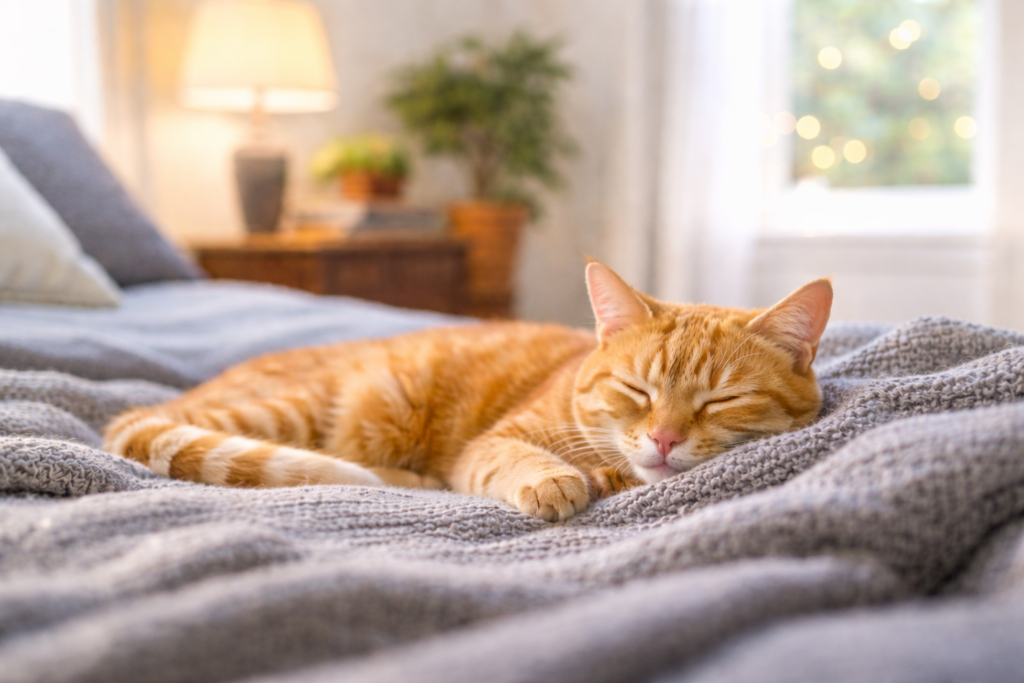
Night changes social dynamics. Cats regulate closeness carefully, and sleeping elsewhere controls interaction without confrontation. The shift can feel personal to owners, especially when daytime affection remains unchanged and routines appear stable.
Distance at night preserves autonomy. Cats choose independence when human activity stops. This behavior reflects confidence, not withdrawal. Rotating rooms allows comfort, control, and emotional balance during hours when the home feels entirely theirs.
6. Comfort mapping changes as bodies subtly age.
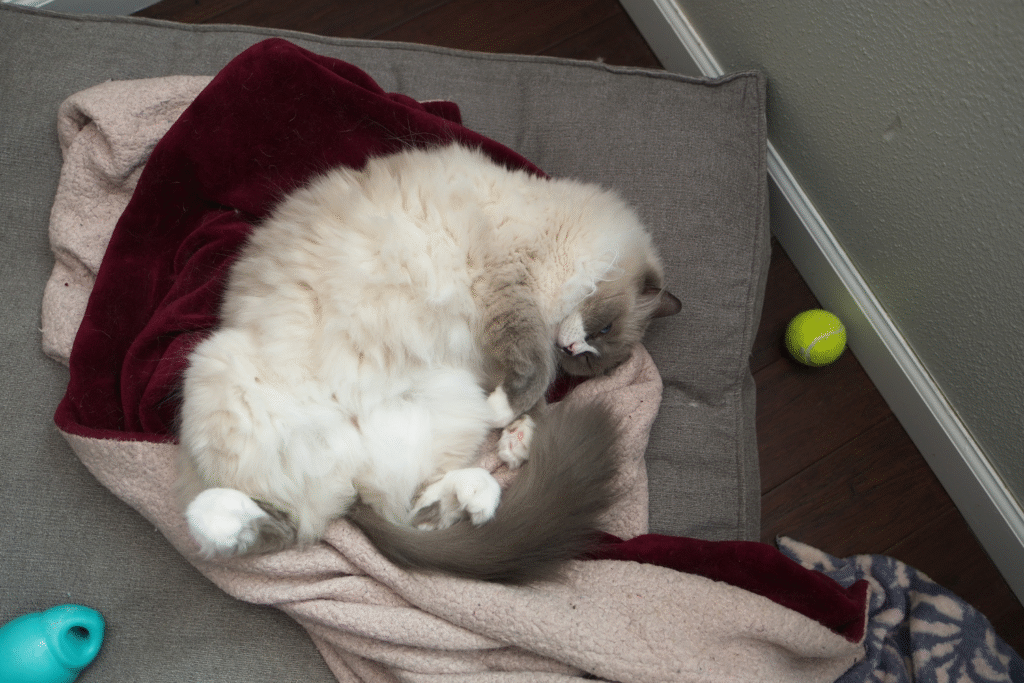
As cats age, comfort becomes unpredictable from night to night. Joints warm differently, pressure points shift, and surfaces that felt fine yesterday may feel wrong today. Moving between rooms allows quiet experimentation. Each new sleeping spot tests temperature, height, firmness, and support without drawing attention to discomfort or weakness.
This behavior often appears before visible aging signs. Cats self adjust silently, choosing relief over routine. Rotating locations helps manage stiffness or soreness while preserving independence, long before limping, reduced jumping, or altered grooming patterns become obvious during daytime movement and interaction.
7. Scent balance quietly influences overnight resting decisions.

Every room holds a distinct scent profile shaped by cleaning, airflow, fabrics, and daily activity. Cats rely on scent for emotional regulation and environmental stability. Sleeping in one location too often can create sensory overload or discomfort tied to concentrated smells.
By rotating rooms, cats rebalance scent exposure. This movement refreshes familiarity and reinforces ownership across the home. It stabilizes emotional state without visible marking or stress behavior, allowing calm rest while maintaining subtle control over territorial scent distribution overnight.
8. Light exposure reshapes alertness during dark hours.

Light shifts constantly overnight. Moonlight, streetlights, passing headlights, and early dawn reach rooms differently. Cats notice these changes immediately. Selecting sleeping locations based on light allows control over alertness and rest depth during long dark hours.
Darker rooms support deeper sleep. Dimly lit spaces allow monitoring without full wakefulness. Rotating rooms helps cats manage circadian rhythm flexibly, conserving energy while staying responsive to environmental movement and potential disturbances throughout the night.
9. Emotional regulation benefits from spatial variation.
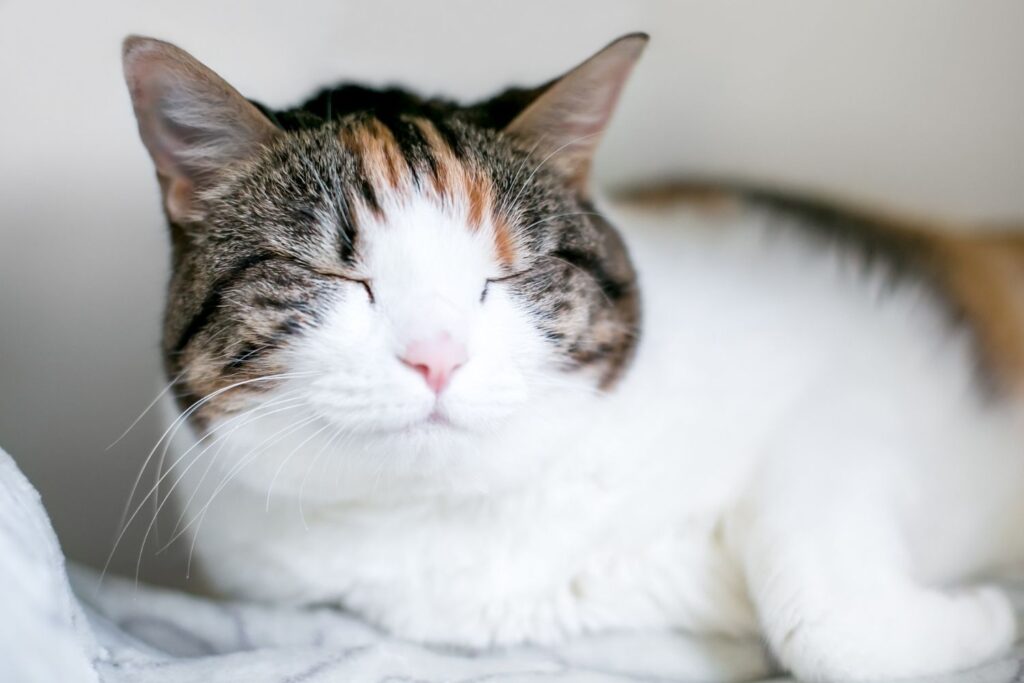
Even stable homes carry mild stressors like lingering noise, scent changes, or daytime disruptions. Sleeping in one place repeatedly can tie rest to accumulated tension. Changing locations diffuses emotional load without obvious behavior changes.
This movement acts as quiet self regulation. By shifting space, cats reset emotionally and avoid buildup that might trigger anxiety behaviors. The strategy is subtle, effective, and instinctive, allowing calm nights without vocalization, hiding, or overt stress signals.
10. Independence expresses itself most clearly after dark.

Night reduces human influence. Schedules pause, movement slows, and control shifts. Choosing different sleeping rooms reinforces autonomy during hours when cats rely most on instinct rather than social interaction.
This behavior reflects confidence, not detachment. A cat comfortable sleeping anywhere trusts the entire environment. Independence expressed at night signals security, ownership, and adaptability, revealing a cat fully at ease within its territory when instinct quietly takes the lead.