
These warning signs can hide in everyday behavior.

At first, it can feel like nothing more than a few quirks. A little more energy, a shift in appetite, a change in routine that seems easy to explain away. Cats are known for their unpredictability, so small differences rarely raise concern right away. But over time, those changes begin to line up in ways that feel less random. What once seemed like personality starts to look more like a pattern. The challenge is that this pattern builds slowly, often blending into everyday life until it becomes harder to ignore. By then, something deeper may already be driving the changes beneath the surface.
1. Sudden weight loss with a normal appetite appears.
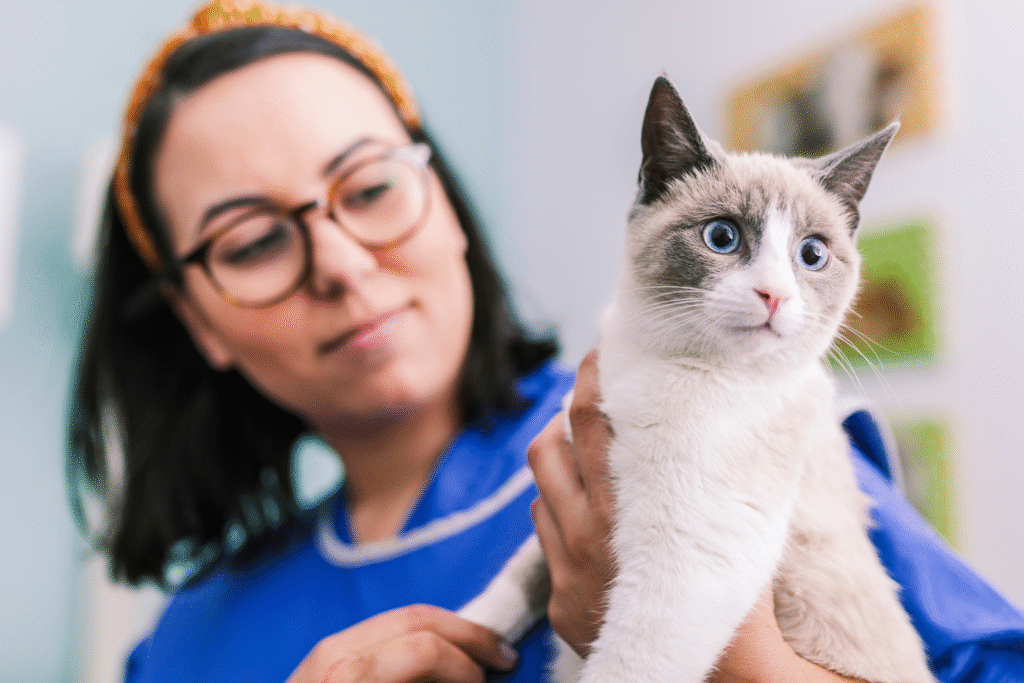
Many owners first notice their cat looking slimmer even though meals disappear faster than usual. The body starts burning calories at an accelerated rate, and the weight loss becomes visible around the spine and hips. There is often no pause in appetite at all according to the American Veterinary Medical Association.
As the thyroid continues pushing metabolism upward, weight loss accelerates. Even high calorie foods fail to compensate. The cat eats with urgency, yet their frame narrows every week. This mismatch between appetite and body condition becomes one of the clearest early signs.
2. Cats become restless at unusual hours of night.

A once predictable sleeper begins pacing, vocalizing or moving from room to room as soon as lights go out. Many cats with thyroid disorders cannot settle because their heart rate stays elevated and their body feels stuck in high gear, as stated by Cornell Feline Health Center.
That nighttime restlessness grows worse over time. The cat may wake owners repeatedly or sit alert for long periods without explanation. It is not anxiety as much as an internal engine they cannot turn off. Their need to move becomes a physical outlet for that hormonal surge.
3. A rapid heart rate often shows up during exams.
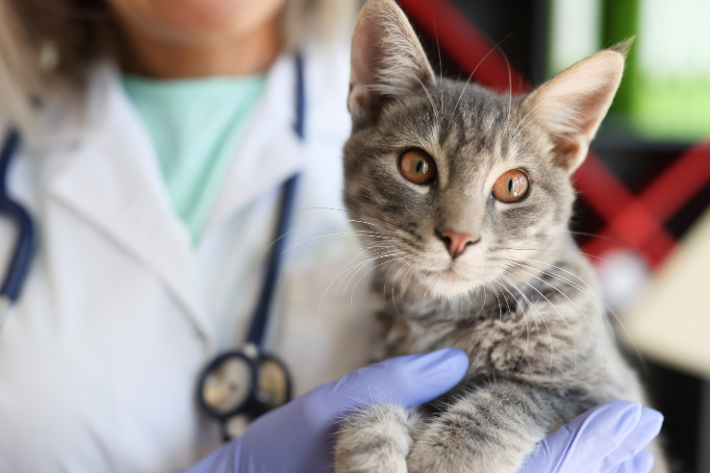
Veterinarians frequently detect an elevated heart rate before the cat shows dramatic outward signs. Some owners only learn about it after a routine checkup when the vet mentions the abnormally fast rhythm, as reported by the American Animal Hospital Association.
The elevated rate increases strain on the heart, especially in older cats. Over time, this pressure can lead to murmurs or changes in heart size. Even if the cat seems calm in the exam room, the heartbeat tells a different story. This early metric often prompts further testing.
4. An unusual increase in thirst becomes obvious.

Many households notice the water bowl emptying faster than expected. Cats that rarely drank much suddenly stand at the bowl multiple times a day. Because hyperthyroidism speeds metabolic processes, the body demands more hydration to keep up with the elevated internal activity. This shift can be subtle at first.
As the condition progresses, increased thirst often pairs with more frequent urination. Owners sometimes mistake this for kidney issues. But when thirst appears alongside weight loss and restlessness, the pattern suggests thyroid involvement rather than a standalone hydration change.
5. Appetite grows dramatically in a short period.

Cats experiencing thyroid dysfunction often seem hungry no matter how recently they ate. Some begin demanding food earlier or repeatedly begging after meals. Their body feels as if it is running quickly through energy, so hunger cues fire constantly.
This elevated appetite sometimes becomes frantic. Cats may steal food, search counters or wake owners early for breakfast. Despite these extreme behaviors, they still lose weight. That disconnect between eating more and weighing less gives veterinarians a strong clue something more systemic is happening.
6. Vomiting appears intermittently without clear triggers.

Digestive issues often show up early, but owners usually chalk them up to sensitive stomach days. When the thyroid ramps up, it affects gastrointestinal motility. Food can move through too quickly, leading to random vomiting episodes that seem unrelated to diet.
Over time, these episodes become more frequent. Even if the cat seems fine afterward, the pattern adds another piece to the puzzle. Many hyperthyroid cats alternate between ravenous hunger and periodic vomiting, creating a confusing mix of symptoms that eventually connect under the condition.
7. Muscle wasting gives the body a fragile appearance.

As the metabolism spikes, the body begins breaking down muscle for energy. This shows up around the shoulders, spine and hind legs first. Cats may appear bony even when they eat constantly. Touching their back can reveal sharp contours that were not present months earlier.
This loss of muscle changes posture. Some cats begin standing differently or hesitate before jumping. Their bodies no longer feel as stable. The weakness is not age related alone but driven by the thyroid pushing tissues beyond normal metabolic limits.
8. Coat quality shifts into a dull or messy state.

Cats with thyroid disorders often struggle to maintain their grooming routine. Their coat may look greasy, unkempt or unusually thin. The speed of their metabolism forces the body to prioritize energy elsewhere, and grooming loses its usual precision.
Owners may notice mats forming even in shorthaired cats. That change reflects both physical restlessness and internal imbalance. When a tidy cat suddenly stops keeping their coat in order, especially alongside weight loss or increased thirst, thyroid dysfunction becomes a more likely explanation.
9. Heat seeking behavior grows stronger and more consistent.

Cats with thyroid disorders often feel warmer than usual, yet paradoxically they seek out additional heat sources. They may curl against vents, blankets or sunny windows with more urgency. Their overstimulated system pushes them toward warmth as a comfort mechanism.
This shift becomes noticeable when a cat that rarely needed extra heat suddenly spends hours pressed into warm spaces. Combined with restlessness and weight changes, this patterned behavior offers another subtle signal that the thyroid may be driving internal changes that need medical evaluation.