Scientists are trying to understand what changed.
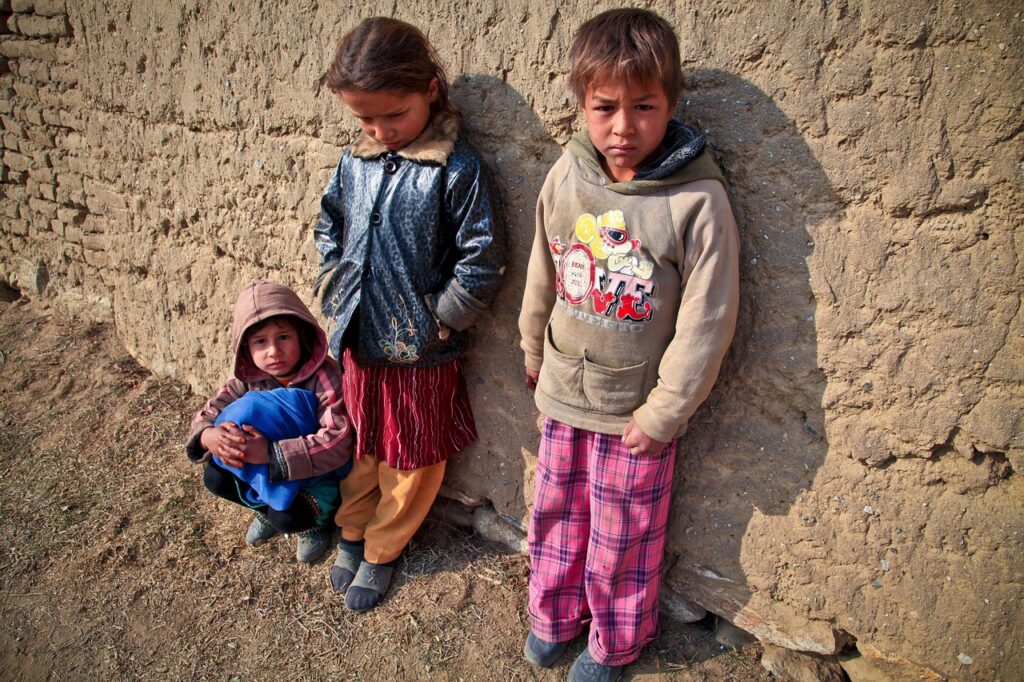
Across parts of Central America the rhythm of life has begun to change. Rains that once arrived on schedule now hesitate or disappear entirely, leaving fields of corn and beans struggling to survive beneath a hotter sky. Families who have farmed the same land for generations are watching harvests shrink, meals grow smaller, and options fade. In the Dry Corridor that stretches across Guatemala, Honduras, El Salvador, and Nicaragua, climate shifts are tightening their grip on rural communities. For children the consequences arrive first and hardest. What begins as failing crops slowly becomes a deeper crisis, where hunger spreads quietly through households already living on the edge.