No, the Oceans Are Not Cooling the Planet, Here’s What the Data Shows

The heat is moving, not disappearing.

©Image license via PickPik

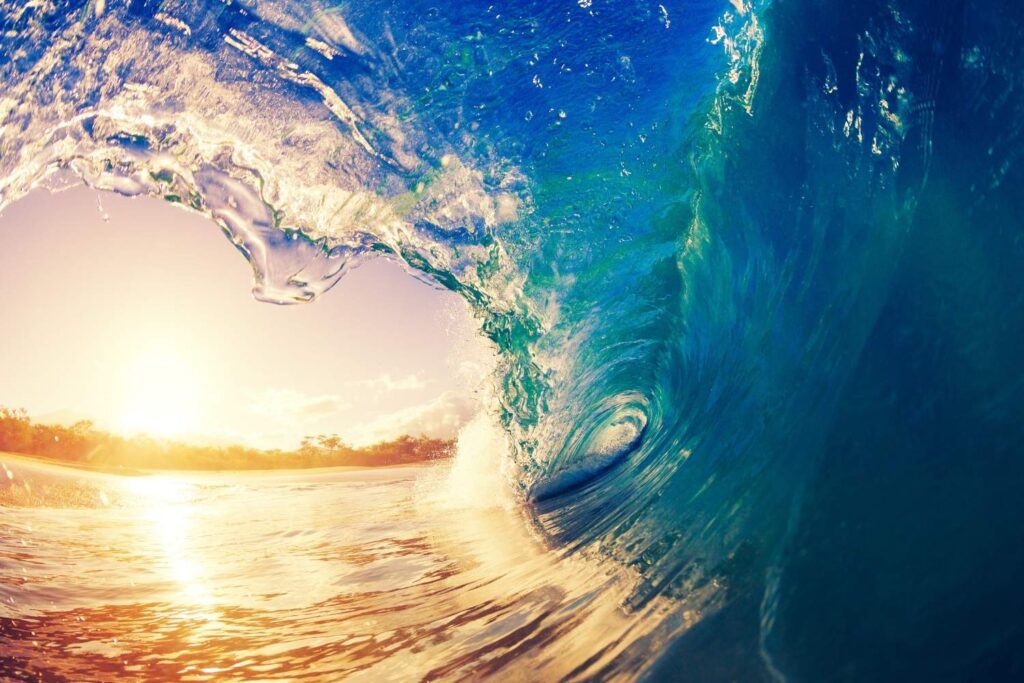
The idea that oceans are cooling the planet feels reassuring during an era of relentless climate headlines. Water absorbs heat, spreads it out, and hides it from everyday experience. That can look like relief if you only watch surface air temperatures. Scientists have been measuring the oceans carefully for decades, across depths and basins. Those records show a system storing energy, not undoing warming. What happens below the waves shapes storms, sea level, ecosystems, and climate stability far beyond the shoreline.

Read more

How Climate Change Is Reshuffling Ecosystems at Unprecedented Speed

The planet is rearranging life faster than expected.

©Image via Canva

The natural world is no longer shifting in slow, almost invisible ways. Temperature lines are sliding across maps, seasons are losing their familiar rhythm, and species are responding in real time. Changes that once unfolded over centuries are now visible within a few decades, sometimes within a single generation. These shifts are not theoretical projections. They are being observed in forests, oceans, grasslands, and wetlands right now. The most unsettling part is not that ecosystems are changing, but how quickly their internal balance is being rewritten.

Read more

Earth’s New Orbital Shift Points To Another Ice Age, Scientists Warn

A subtle change carries enormous future weight.

©Image license via Canva

For the first time in decades, researchers tracking Earth’s long term orbital cycles say the planet has entered a measurable shift. It is small enough that nobody feels it directly, yet meaningful enough that it changes how sunlight reaches different parts of the globe over extremely long timescales. These cycles have triggered ice ages before, and early signals suggest the next one has begun its slow approach. Nothing immediate is unfolding, but the groundwork is being laid in real time, far beneath the pace of daily weather.

Read more

If Antarctica Melts Completely, These Nations Cease to Exist

Entire countries vanish beneath rising global seas.

©Image license via Rawpixel

As scientists model extreme climate outcomes, one scenario stands out for its staggering scale. If the Antarctic ice sheet melted entirely, global sea levels would rise far beyond anything modern civilization has ever confronted. Low lying nations would be swallowed, coastlines would redraw themselves and millions would lose the ground beneath their homes. The idea feels distant, yet its implications are so sweeping that researchers continue treating it as a crucial warning. In that imagined future, geography itself becomes fragile and whole countries sit on the brink of erasure.

Read more

10 Ways Insect and Lab Grown Feeds Could Transform Farming Forever

A new era of sustainable feed is emerging.

©Image license via Canva

Farming is currently shifting in a way that feels both overdue and surprisingly exciting, mostly because the search for sustainable animal feed has reached a point where insects and lab grown ingredients are no longer seen as fringe ideas. They are showing real potential to cut costs, reduce environmental strain and improve animal health in ways that traditional feeds struggle to match. As scientists and farmers watch these changes unfold, the future of agriculture is starting to look very different from the model we grew up hearing about.

Read more