The Hidden Reason Dogs Nap With Eyes Open

A half-closed stare in sleep can reveal far more than you think.
©Image license via Canva

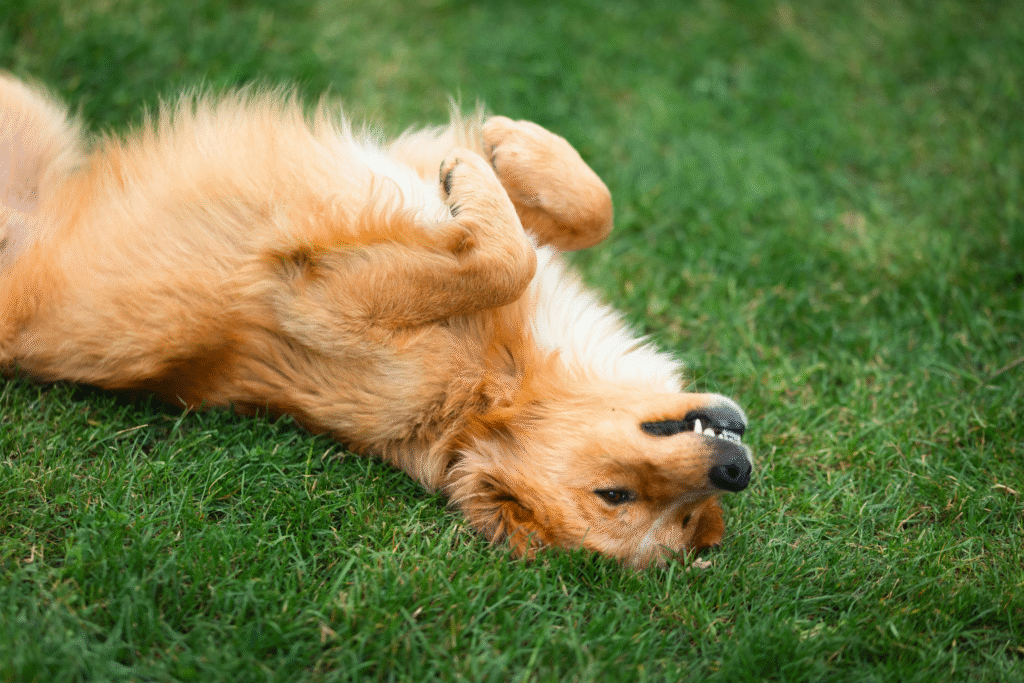
Dogs can unsettle us when they fall asleep without fully closing their eyes, hovering in that strange space between rest and awareness. It looks eerie, almost supernatural, but it is rarely random. Open eyed sleep can reflect instinctive survival wiring, subtle muscle mechanics, or in some cases, a health issue worth noting. What seems creepy at first glance is often a glimpse into your dog’s biology, revealing layers of evolution and physiology hiding beneath a simple nap.

Read more

10 Things Dogs Always Remember About the People They Love

Canine memory banks store remarkable human details.

©Image license via iStock

Your dog’s brain works like a sophisticated filing system, cataloging every important detail about the humans they love most. While we might assume dogs live entirely in the present moment, research reveals they maintain detailed mental databases about their favorite people that persist for years. These memories go far beyond simple recognition, encompassing complex emotional associations, behavioral patterns, and sensory experiences that shape how dogs interact with specific individuals. The depth and permanence of these memories explain why dogs can instantly recognize beloved humans after long separations and why certain behaviors trigger such predictable responses.

Read more

10 Signs Something’s Wrong With Your Dog

Is Your Dog’s Naughty Behavior Trying to Tell You Something More?

Ever wonder why your normally well-behaved dog suddenly starts acting like a furry tornado? It might not just be bad manners. Sometimes, behavioral changes are your dog’s way of saying something’s wrong. Let’s dive into the real reasons your dog may be acting out and how to help!

Read more

This Common Habit Could Be Making Your Dog Feel Unsafe

It’s not loud, dramatic, or obvious.

©Image license via Canva

Most owners would never guess the problem isn’t what they’re doing wrong, but what they’ve been doing all along. It happens in kitchens, living rooms, and front doorways across the country. No raised voices. No chaos. Just something small, repeated often enough that your dog starts adjusting in ways you might miss.

Behavior experts say the shift can be subtle at first. A pause before approaching you. A change in posture. A slight hesitation where confidence used to live. The habit feels harmless, even loving. But over time, it may quietly reshape how safe your dog feels in the one place they’re supposed to trust most.

Read more

11 Silent Eye Conditions That Can Blind Dogs and the Early Signs to Watch

The earliest clues are often easy to miss.

©Image via Canva

Vision loss in dogs rarely begins with drama. There is no obvious injury, no sudden cry of pain, no clear moment when something shifts. Instead, it creeps in through small changes, a hesitation at the stairs, a missed catch, a slight cloudiness that seems harmless at first. Many serious eye conditions develop beneath the surface, progressing quietly until sight is already compromised.

The challenge is not treatment, but timing. By the time symptoms become unmistakable, damage may already be permanent. Knowing what subtle changes to watch for, and which breeds carry higher risks, can mean the difference between preserving vision and reacting too late.

Read more