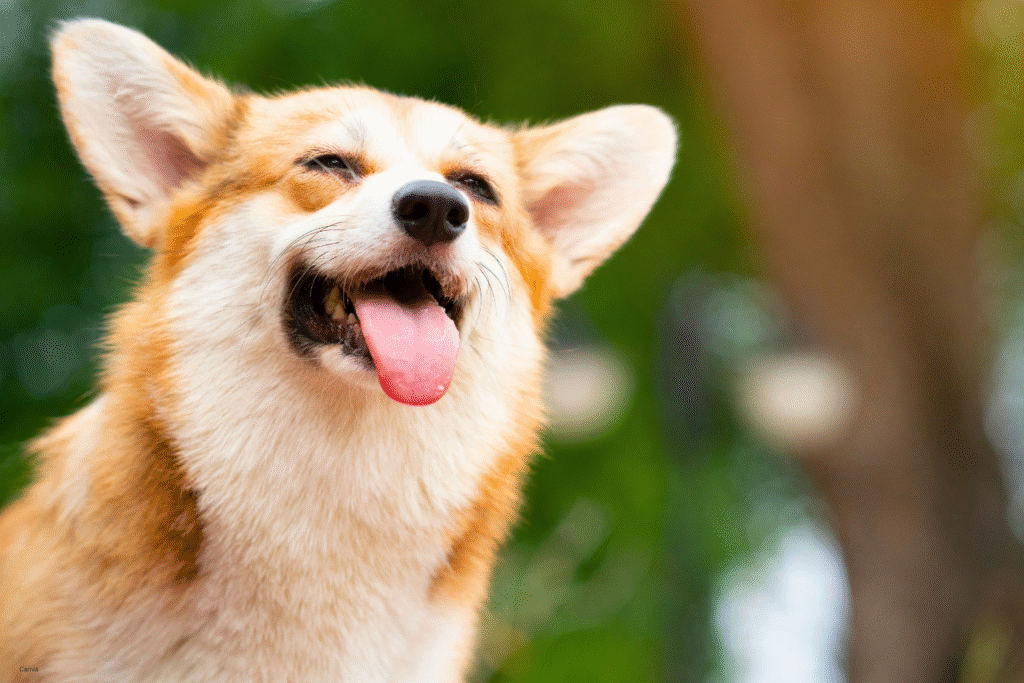
Why Even Brief Wildfire Smoke Exposure Worries Veterinarians

The danger does not end when the air clears.
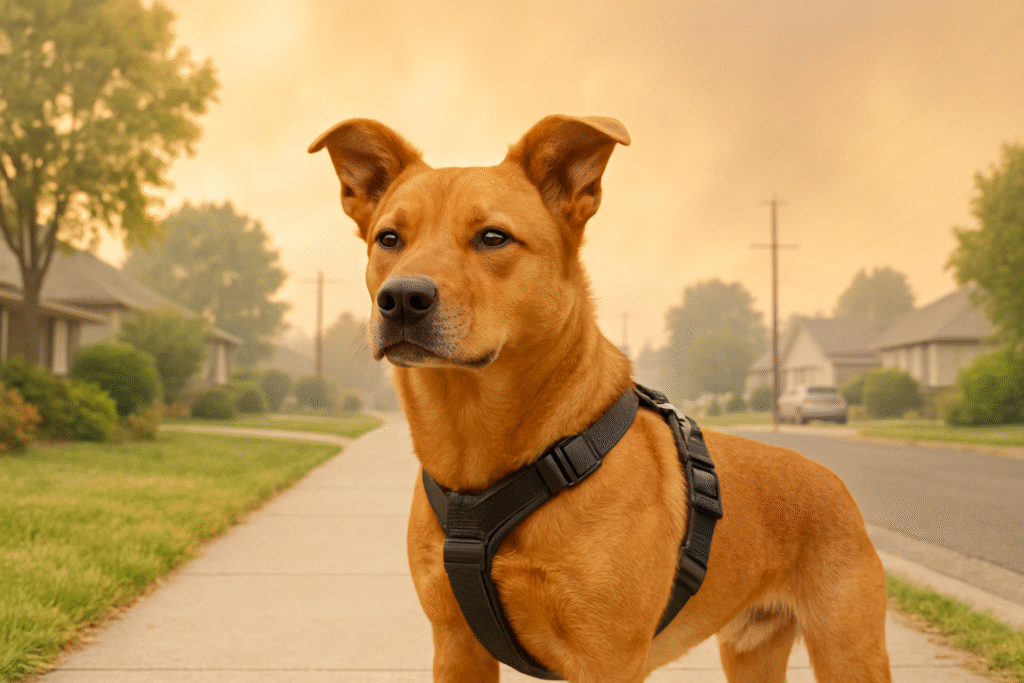
©Image license via PetsnPals/ChatGpt

When wildfire smoke drifts through a neighborhood, it often feels temporary, something to endure until the air shifts again. Dogs return indoors, windows close, and life resumes. But veterinarians say there is a gap between what clears and what lingers. In recent seasons, patterns have begun to surface that do not line up neatly with exposure time or visible distress.

What worries them is not the dogs that struggle right away, but the ones that seem unaffected. The question emerging now is whether a single afternoon in smoke can leave changes behind that only reveal themselves much later
Read more

10 Diseases Dogs Carry in Silence Until Help Comes Too Late

The signs are subtle, the damage often isn’t.

©Image via Canva

Dogs are remarkably skilled at hiding pain, a survival instinct that works against them in modern homes. Changes come quietly, a skipped meal, a shorter walk, a habit that fades without notice. By the time something feels unmistakably wrong, the body has often been compensating for months or years. Many owners look back and realize the clues were there, just scattered and easy to dismiss. This silence is not indifference or resilience. It is biology. And when it finally breaks, the window for meaningful help is often already closing.

Read more

10 Ways Your Dog’s Breath Could Be Warning You About Disease

What your dog’s bad breath might really mean.

©Image license via Canva

“Dog breath” might sound harmless, but it can actually be one of the most overlooked health warnings in veterinary medicine. A sudden change in odor, intensity, or even the type of smell can signal trouble not just in the mouth but across multiple organs. Modern veterinary research is now linking specific breath patterns to dental disease, diabetes, liver failure, and kidney dysfunction. The nose knows more than we think, and in many cases, that faint odor you notice after playtime could be your first clue that something deeper is wrong.

Read more

10 Early Signs Your Dog’s Anxiety Is Off the Charts

The behaviors look small at first, until they start stacking up.

©Image via Canva

Most dog anxiety does not announce itself loudly. It slips in sideways. A little pacing here, a sudden habit there, something that feels off but easy to excuse. Life gets busy, routines change, and the signs blend into the background. Then one day, your dog is no longer just nervous. They are unraveling in ways that affect sleep, health, and trust. The trouble is that many of these signals look harmless on their own. Taken together, they tell a different story. This is where that quiet line between manageable stress and something deeper often gets crossed

Read more

If You Have Anxiety, These Dogs Are Not For You

The wrong match can make everything harder.

Choosing a dog is often framed as comfort, routine, and emotional support. What rarely gets said is how certain breeds and traits can amplify stress instead of easing it. Constant vigilance, unpredictable behavior, or relentless energy can chip away at calm, especially for someone already managing anxiety. Most of the time, the mismatch does not show up on day one. It builds slowly through broken sleep, skipped plans, and the pressure to always stay one step ahead. The dog is not the problem. The pairing is. And for some people, that difference matters more than anyone admits.

Read more